Ultimate Visual Guide to Every Spice Best Flavor Pairings for Your Cooking
Stepping into a kitchen filled with the aroma of toasted cumin or fresh basil is an experience that transcends mere cooking. It is an invitation to create something memorable. However, for many home cooks, the spice rack remains a source of intimidation rather than inspiration. We often stick to the basics, afraid that a stray pinch of the wrong seasoning might ruin a perfectly good meal. The truth is that mastering spices is the single most effective way to transform your cooking from routine to extraordinary without needing expensive equipment or rare ingredients.
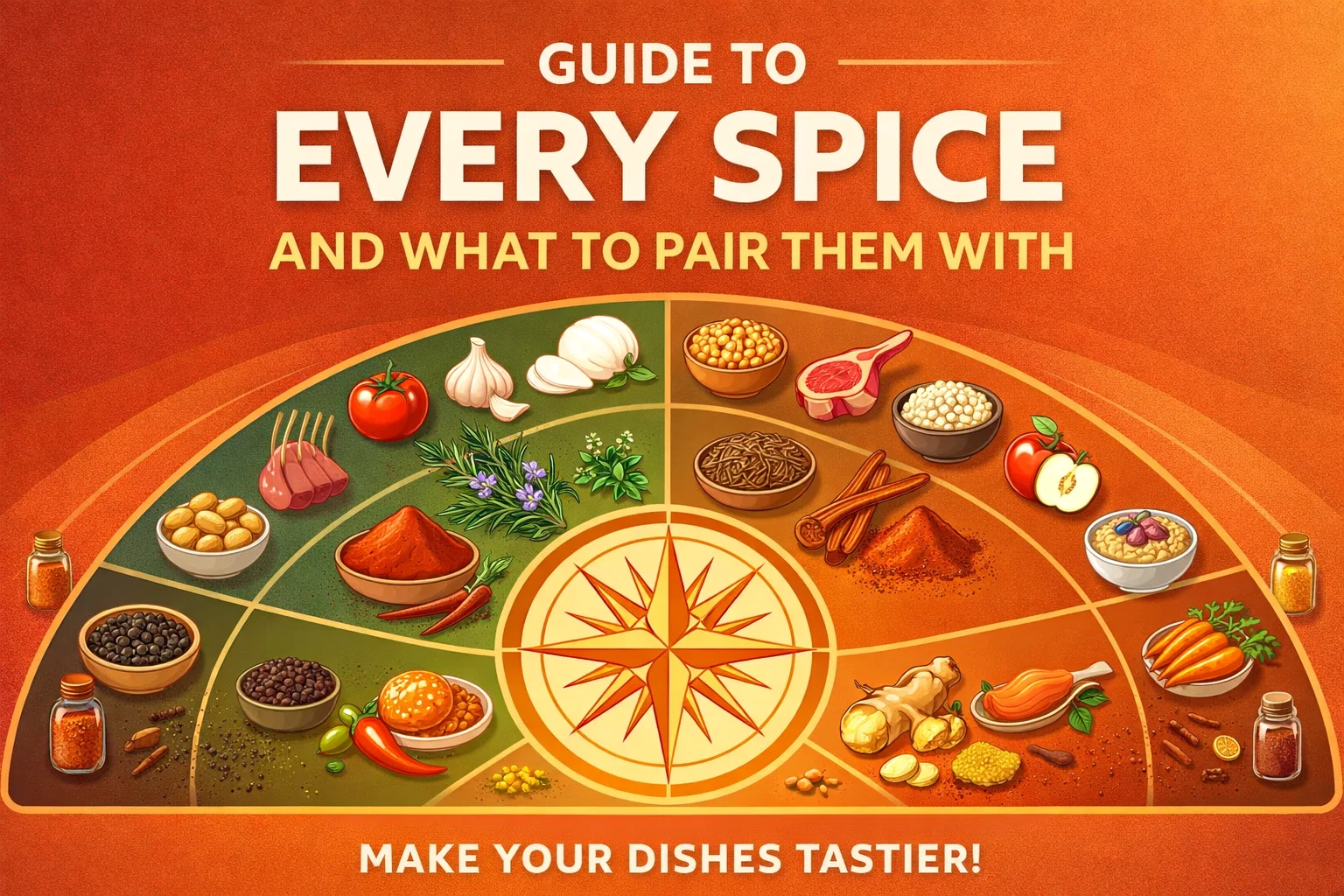
Understanding the chemistry of flavor pairings allows you to unlock the full potential of every vegetable, protein, and grain in your pantry. By learning which spices naturally complement specific foods, you move away from following recipes blindly and start cooking by intuition. This guide explores the essential spices that every kitchen should have and the specific pairings that make them shine.
The Foundations of Flavor: Why Spices Matter
Spices are more than just seasonings. They are the soul of a dish. They provide depth, warmth, acidity, and even a touch of sweetness where you least expect it. When we talk about spices like turmeric, ginger, or paprika, we are talking about ingredients that have defined global cuisines for centuries. Beyond flavor, many of these spices carry significant health benefits, acting as natural anti-inflammatories and antioxidants.
The key to using spices effectively is understanding their intensity. Some spices, like rosemary and thyme, are woody and robust, standing up well to long roasting processes. Others, like basil, are delicate and best added at the very end to preserve their bright, peppery notes. By categorizing your spice rack into these profiles, you can begin to build layers of flavor that hit every part of the palate.
Classic Herb Pairings: Bringing Freshness to the Table
Herbs are the backbone of Mediterranean and Western cooking. They offer a bridge between the earthy flavors of meat and the natural sweetness of vegetables. Let us look at two of the most versatile herbs you can use today.
The Versatility of Basil
Basil is synonymous with summer. Its sweet, slightly anise-like profile makes it the perfect partner for acidic ingredients. The most iconic pairing is basil with tomatoes, garlic, and mozzarella. Whether it is a fresh Caprese salad or a slow-simmered marinara sauce, basil provides a lift that cuts through the richness of the cheese and the sharpness of the garlic. Beyond Italian classics, try using basil in strawberry desserts or peach salads for a surprising gourmet twist.
Rosemary for Hearty Comfort
Rosemary is a powerhouse herb with a pine-like aroma that thrives when paired with fats. This is why it is the gold standard for lamb and roasted potatoes. The oils in the rosemary penetrate the meat as it roasts, neutralizing gamey flavors and adding a sophisticated earthy note. It also works wonders in homemade breads, particularly focaccia, where the sprigs can be pressed into the dough with olive oil and sea salt.
The Warmth of the East: Earthy and Aromatic Spices
When we move into spices like cumin, turmeric, and ginger, we enter a world of warmth and complexity. these spices are often the stars of curries, stews, and grain bowls, providing a grounded, savory base that feels deeply satisfying.
Cumin: The Earthy Anchor
Cumin has a distinctive, nutty flavor that is essential in Mexican, Middle Eastern, and Indian cuisines. It pairs exceptionally well with chickpeas, making it the primary flavor in hummus and falafel. It also brings out the natural sweetness of rice and adds a necessary grit to lamb dishes. If you are making a vegetarian chili or a bean-based stew, cumin is the ingredient that provides that meaty, savory depth without the need for animal products.
Turmeric and the Golden Glow
Turmeric is prized as much for its vibrant color as its mild, earthy taste. It is a staple for coloring rice and flavoring lentils. When paired with cauliflower, it creates a beautiful charred effect that looks as good as it tastes. Because turmeric is fat-soluble, it is best cooked in a little oil or butter at the start of the recipe to ensure the flavor is evenly distributed throughout the dish.
Adding Heat and Smoke: The Power of Peppers
Peppers and chili powders are not just about making food spicy. They are about adding dimension. Whether you want a slow-burning heat or a smoky finish, these spices are your best friends for outdoor cooking and hearty comfort foods.
Chili Powder for Bold Creations
Chili powder is often a blend of dried chilies, oregano, and other savory spices. It is the heart of taco night and essential for slow-cooked stews. It pairs naturally with beans, providing a smoky backdrop that ties the starchiness of the beans to the acidity of tomato-based sauces. It is also a fantastic rub for grilled corn or roasted sweet potatoes when you want a hint of Southwestern flair.
Paprika: Sweet, Smoked, or Spicy
Paprika comes in many varieties, but its affinity for chicken, potatoes, and eggs is universal. A simple roast chicken becomes spectacular when rubbed with smoked paprika and sea salt. It adds a beautiful red hue to deviled eggs and provides a mild, peppery sweetness to potato salads. Unlike chili powder, paprika is rarely overwhelming, making it a safe but effective choice for almost any savory meal.
The Sweet and Savory Bridge: Ginger and Cinnamon
Some spices sit comfortably on the fence between sweet and savory. These are often the most exciting to experiment with because they can transform a standard dinner into something exotic and complex.
Ginger: The Zesty Multi-Tasker
Ginger provides a sharp, clean heat that is vital for balancing salty and fatty flavors. This is why it is so frequently paired with soy sauce and fish. The brightness of the ginger cuts through the saltiness of the soy and the richness of oily fish like salmon or mackerel. It also pairs wonderfully with carrots, whether in a creamy soup or a honey-glazed side dish, adding a refreshing zing that wakes up the palate.
Cinnamon Beyond the Bakery
While we most commonly associate cinnamon with apples and oats, it is a secret weapon in savory cooking. A small amount of cinnamon added to roasted sweet potatoes or a Moroccan lamb tagine adds a layer of mystery and warmth that diners can rarely identify but always enjoy. Of course, it remains the ultimate companion for breakfast bowls and autumn desserts, where its woody sweetness makes everything feel cozy.
Practical Tips for Managing Your Spice Collection
To get the most out of these pairings, you need to treat your spices with care. A spice that has been sitting in the back of a cupboard for three years will not provide the same magic as a fresh one.
- Store in a Cool, Dark Place: Heat and light are the enemies of flavor. Keep your spice jars away from the stove and out of direct sunlight.
- Toast Your Spices: Before adding liquids to a pan, try toasting your whole or ground spices in a dry pan or a bit of oil for thirty seconds. This releases the essential oils and significantly intensifies the aroma.
- Buy Small Quantities: Unless you are using cumin every single day, buy smaller jars so you can rotate your stock frequently and ensure everything stays pungent.
- The Finishing Touch: Remember that dried spices are best added during the cooking process, while fresh herbs like basil or cilantro should be used as a garnish to maintain their color and delicate oils.
Unlocking Your Kitchen’s Potential
The journey of a thousand flavors begins with a single jar. By following these classic pairings, you are not just making dinner; you are learning the language of food. You will find that once you understand why rosemary belongs with lamb or why ginger thrives with soy sauce, you will start seeing these patterns everywhere. You might find yourself adding a pinch of thyme to your chicken soup or a dash of paprika to your morning omelet, discovering new favorites along the way.
Cooking is one of the few places where we get to be both scientists and artists. Spices are the colors on your palette. Do not be afraid to mix them, match them, and occasionally break the rules. The most important thing is to keep tasting and keep exploring.
Conclusion: Start Your Spice Journey Today
Becoming a better cook does not require a culinary degree. It simply requires a willingness to experiment with the tools you already have. By focusing on these essential spice pairings, you can immediately improve the quality of your home-cooked meals and bring a world of flavor to your dining table. Whether you are craving the comfort of a rosemary roast or the zing of a ginger-soy stir-fry, the perfect meal is only a few shakes away. Take a look at your spice rack tonight and see what new combinations you can create. Your taste buds will thank you. Save this guide for your next grocery trip and start building a pantry that inspires greatness!