Unlock the Benefits of Black Pepper for Better Digestion and Nutrient Absorption
When we think of the most common spices in our kitchen, black pepper often takes a backseat to more exotic or trendy ingredients. It is frequently paired with salt as a basic table seasoning, yet its history and biological impact are anything but basic. For centuries, black pepper was known as black gold, a commodity so valuable it was used as currency and fueled the age of exploration. Today, modern science is finally catching up with ancient wisdom, revealing that this simple peppercorn is a biological powerhouse that can fundamentally change how your body processes food and absorbs nutrients.
The Science of Piperine and Nutrient Bioavailability
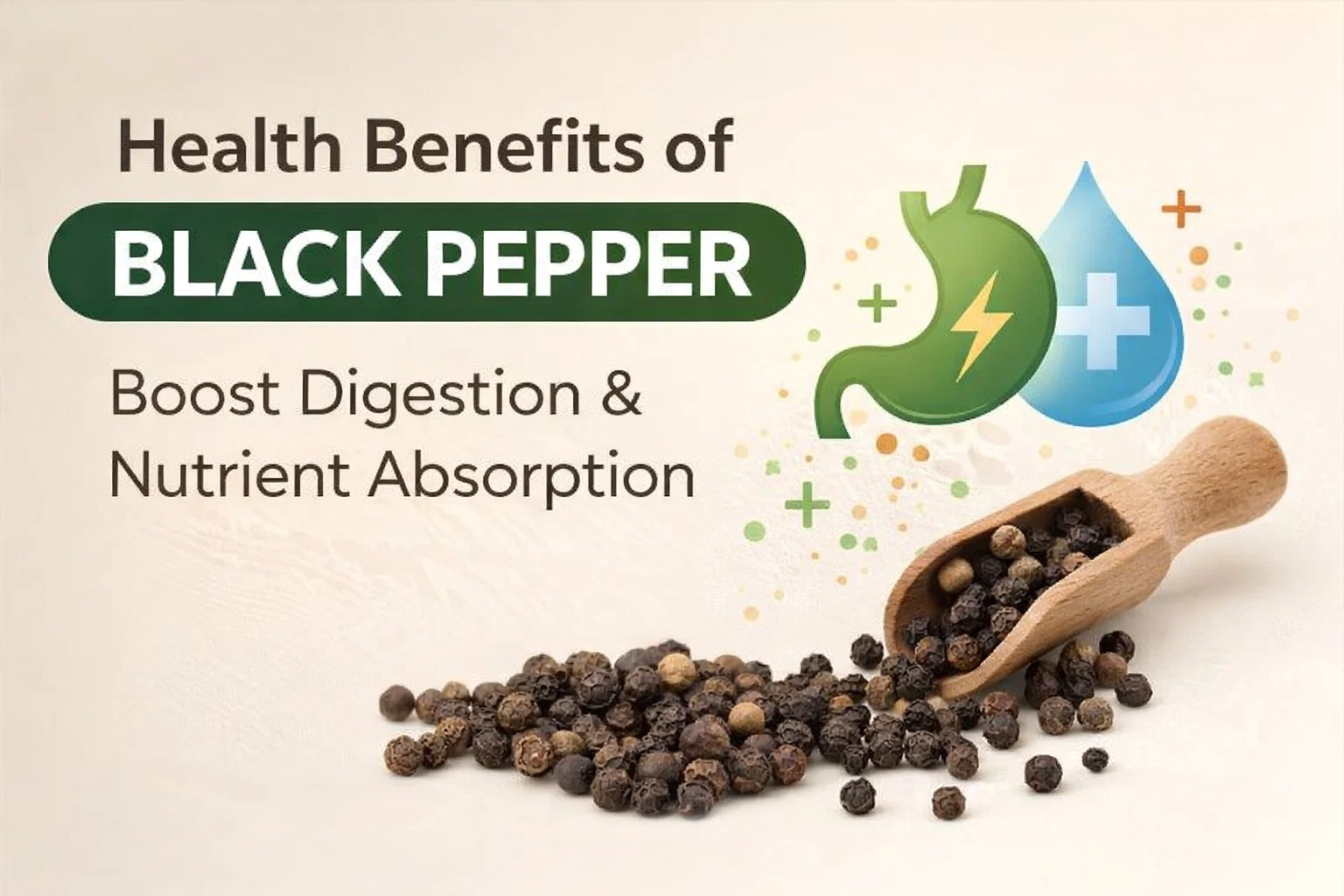
The secret behind the health benefits of black pepper lies in a potent alkaloid called piperine. This is the compound responsible for the spice’s signature pungent heat, but its role in human health goes much deeper than flavor. Piperine is what scientists call a bioenhancer. This means it has the unique ability to increase the bioavailability of other nutrients, making it easier for your digestive system to move vitamins and minerals from your gut into your bloodstream.
One of the most famous examples of this synergy is the relationship between black pepper and turmeric. Turmeric contains curcumin, a powerful anti-inflammatory compound that is notoriously difficult for the human body to absorb on its own. However, research has shown that consuming just a small amount of black pepper with turmeric can increase curcumin absorption by up to 2000 percent. This same principle applies to many other essential nutrients, including selenium, vitamin B12, and beta carotene. By simply seasoning your food with fresh cracked pepper, you are essentially unlocking the full nutritional potential of every ingredient on your plate.
How Black Pepper Stimulates Digestive Health
Digestion begins long before food reaches your stomach, but once it gets there, the environment must be just right for effective breakdown. Black pepper plays a crucial role in this process by stimulating the taste buds, which sends a signal to the stomach to increase the secretion of hydrochloric acid. While the word acid might sound intimidating, hydrochloric acid is vital for a healthy gut.
The Importance of Hydrochloric Acid
Hydrochloric acid is necessary for breaking down proteins and other food components in the stomach. When your body does not produce enough of this acid, food can sit in the stomach for too long, leading to indigestion, heartburn, and bloating. By encouraging the production of this acid, black pepper helps ensure that the digestion process is smooth and efficient. This prevents the fermentation of undigested food in the digestive tract, which is a primary cause of gas and intestinal discomfort.
Promoting Intestinal Health
Beyond the stomach, black pepper continues to work its magic in the intestines. It has been shown to have carminative properties, meaning it helps to relieve flatulence and reduce intestinal irritation. Furthermore, the presence of piperine may help maintain the integrity of the gut lining. A healthy gut lining is essential for preventing leaky gut syndrome and ensuring that toxins stay out of the bloodstream while nutrients are allowed in.
Antioxidant and Anti-Inflammatory Properties
In addition to its digestive benefits, black pepper is a rich source of antioxidants. These compounds are your body’s primary defense against free radicals, which are unstable molecules that can damage cells and contribute to aging and chronic diseases. The piperine in black pepper has been shown in various studies to possess significant antioxidant activity, helping to neutralize these harmful molecules before they can cause lasting harm.
Inflammation is another area where black pepper shines. Chronic inflammation is at the root of many modern health issues, from heart disease to autoimmune conditions. Piperine has demonstrated the ability to inhibit certain inflammatory pathways in the body. While it may not replace medical treatments, incorporating black pepper into a balanced, anti-inflammatory diet is a delicious way to support your body’s natural defense systems and promote overall longevity.
Weight Management and Metabolic Support
For those interested in metabolic health, black pepper offers some intriguing benefits. Some studies suggest that piperine can interfere with the formation of new fat cells, a process known as adipogenesis. This doesn’t mean that pepper is a magic weight loss pill, but it does suggest that it can be a helpful tool when combined with a healthy lifestyle.
Furthermore, the thermogenic properties of black pepper can slightly increase the body’s metabolic rate. Thermogenesis is the process of heat production in organisms, and consuming spicy foods or those containing piperine can trigger this effect. This subtle boost in calorie burning, combined with improved nutrient absorption, helps the body function more efficiently as a whole.
Practical Ways to Incorporate More Black Pepper into Your Diet
To get the most out of your black pepper, quality and freshness are key. Pre-ground pepper often loses its volatile oils and potency over time. Investing in a high quality pepper mill and whole peppercorns allows you to crack the spice fresh onto your meals, ensuring that the piperine content is at its peak.
Beyond the Dinner Plate
While we usually think of pepper as a savory seasoning, it can be used in a variety of creative ways:
- Morning Wellness Tonic: Add a pinch of fresh black pepper to warm lemon water or a turmeric latte to kickstart your digestion for the day.
- Fruit Enhancer: Believe it or not, a light dusting of black pepper on strawberries or mango can enhance the sweetness and add a sophisticated depth of flavor.
- Homemade Salad Dressings: Whisk together olive oil, apple cider vinegar, honey, and a generous amount of black pepper for a gut friendly dressing.
- Smoothie Add-in: If you are making a green smoothie with healthy fats like avocado, a tiny pinch of pepper can help your body absorb the fat soluble vitamins.
Choosing the Right Type of Peppercorn
Not all peppercorns are created equal. While black, white, and green peppercorns all come from the same plant (Piper nigrum), they are processed differently. Black peppercorns are picked when they are nearly ripe and then dried, which causes the outer layer to turn black and concentrates the flavor and piperine content. White peppercorns have the outer layer removed, resulting in a milder flavor but still containing piperine. Green peppercorns are preserved when they are still unripe. For the maximum health benefits related to nutrient absorption and digestion, organic whole black peppercorns are generally considered the gold standard.
A Staple for a Holistic Lifestyle
Embracing black pepper is about more than just seasoning; it is about adopting a holistic approach to nutrition. When we focus on how our food interacts within our bodies, we move away from just counting calories and toward true nourishment. Black pepper reminds us that the smallest additions to our routine can often have the most significant impact. It is a bridge between the food we eat and the energy we feel, ensuring that every nutrient finds its way to where it is needed most.
Conclusion: The Simple Power of the Peppercorn
It is easy to overlook the jars in our spice rack, but black pepper deserves a place of honor. From its ability to skyrocket the absorption of life saving nutrients to its role in soothing the digestive system and fighting inflammation, it is a versatile ally for anyone on a wellness journey. By making the simple switch to fresh cracked black pepper and being mindful of its presence in your cooking, you are taking a proactive step toward better gut health and improved vitality. Next time you reach for that pepper mill, remember that you aren’t just adding flavor; you are giving your body the tools it needs to thrive. So go ahead, give your meal that extra crack of pepper and enjoy the many benefits of this ancient, golden spice.