Vegetarian Dim Sum Recipes Easy Tasty Veggie Dumpling Ideas
Food has a powerful way of shaping how we feel every day. From a quick banana before a workout to a bowl of yogurt after dinner, simple everyday ingredients can support energy, hydration, digestion, heart health, and overall wellness. The idea of “food is medicine” is not about replacing professional care or treating serious conditions with groceries. It is about recognizing that what we eat consistently can help nourish the body, support healthy habits, and make balanced living feel more approachable.
The foods highlighted here are familiar, affordable, and easy to add to meals without complicated recipes. Bananas, turmeric, almonds, eggs, watermelon, oats, yogurt, cucumber, beets, strawberries, walnuts, cinnamon, lemons, honey, apples, and ginger all bring their own nutritional strengths to the table. Together, they create a practical wellness pantry that can support everyday health goals in a natural, food-first way.
Key Takeaways
- Everyday whole foods can support hydration, digestion, energy, and heart health.
- Foods like oats, walnuts, beets, and yogurt are easy to include in balanced meals.
- Spices such as turmeric, cinnamon, and ginger can add flavor while supporting wellness routines.
- Fruits and vegetables provide fiber, water, antioxidants, and essential nutrients.
- The best results come from consistent healthy eating, not relying on one single food.
The Meaning Behind “Food Is Medicine”
The phrase “food is medicine” has become popular because it captures something many people feel intuitively: daily meals matter. Nutritious foods can help the body function well, support immune defenses, keep digestion regular, and provide steady energy. A balanced diet rich in fruits, vegetables, whole grains, nuts, seeds, lean proteins, and fermented foods can make healthy living feel practical rather than overwhelming.
Important: Food can support wellness, but it should not be treated as a cure for medical conditions. If you have high blood pressure, chronic pain, digestive issues, allergies, or any ongoing health concern, it is always best to work with a qualified healthcare professional while using nutrition as part of a broader healthy lifestyle.
What makes the foods in this wellness list useful is their simplicity. They do not require specialty shopping or complex meal plans. Most can be added to breakfast, snacks, smoothies, salads, soups, stir-fries, or desserts. This makes them realistic choices for people who want to eat better without completely changing their routine.
Bananas for Energy and Muscle Support
Bananas are one of the most convenient fruits for busy mornings, gym bags, lunch boxes, and quick snacks. They contain carbohydrates for energy and potassium, an important mineral that helps support normal muscle and nerve function. This is why bananas are often associated with muscle cramps and workout recovery.
A banana with peanut butter, yogurt, oats, or a handful of almonds can turn into a more balanced snack. The fruit provides quick energy, while protein or healthy fats help make the snack more satisfying. Bananas also blend beautifully into smoothies and can naturally sweeten oatmeal or healthy baked goods.
Turmeric, Ginger, and Cinnamon: Flavorful Wellness Spices
Spices are often small in quantity but big in impact. Turmeric, ginger, and cinnamon are three pantry staples that can make healthy foods taste warmer, richer, and more comforting. They are commonly connected with anti-inflammatory eating patterns, digestive comfort, blood sugar awareness, and soothing home remedies.
Turmeric for Golden, Earthy Nutrition
Turmeric is known for its vibrant yellow color and earthy flavor. It is widely used in curries, soups, golden milk, rice dishes, roasted vegetables, and wellness drinks. Many people pair turmeric with black pepper because black pepper helps improve the absorption of curcumin, the main active compound in turmeric.
Ginger for Comfort and Digestion
Ginger is spicy, fresh, and warming. It is popular in teas, stir-fries, soups, marinades, smoothies, and homemade wellness shots. Many people reach for ginger when they want a soothing drink or a flavorful ingredient that supports digestive comfort.
Cinnamon for Warmth and Natural Sweetness
Cinnamon adds a sweet, cozy flavor without needing much added sugar. It works well in oatmeal, apples, yogurt bowls, smoothies, tea, whole grain toast, and baked fruit. A sprinkle of cinnamon can make healthy meals feel more satisfying and dessert-like.
Expert Insight
Herbs and spices are a smart way to make nutritious meals more enjoyable. When food tastes good, healthy eating becomes easier to repeat, which is where the real long-term benefit comes from.
Almonds and Walnuts for Brain and Heart Health
Nuts are small but nutrient-dense. Almonds and walnuts are especially popular in wellness-focused eating because they contain healthy fats, plant-based protein, fiber, vitamins, and minerals. They are easy to keep in the pantry and simple to add to meals.
Almonds are often associated with brain function because they contain vitamin E, magnesium, and healthy fats. They make a great snack on their own, but they can also be added to salads, yogurt bowls, smoothie toppings, or homemade trail mix.
Walnuts are commonly linked with heart health because they contain omega-3 fatty acids from plants. Their slightly bitter, rich flavor pairs well with apples, oats, roasted vegetables, and leafy greens. A small handful can add crunch and nutrition to many everyday meals.
Pro Tip: Keep portions practical with nuts. They are nutritious and satisfying, but they are also calorie-dense. A small handful is usually enough to add texture, flavor, and healthy fats to a meal or snack.
Eggs for Simple, Satisfying Energy
Eggs are a classic high-protein food that can support energy and fullness. They are versatile, budget-friendly, and easy to prepare in many ways. Scrambled eggs, boiled eggs, omelets, egg muffins, and veggie-packed breakfast bowls can all fit into a balanced routine.
Because eggs contain protein and fat, they can help make meals feel more complete. Pair them with vegetables, whole grain toast, avocado, fruit, or oats for a balanced plate. For many people, eggs are one of the easiest ways to build a nourishing breakfast without much prep time.
Watermelon and Cucumber for Hydration
Hydration is not only about drinking water. Foods with high water content can also help contribute to daily fluid intake. Watermelon and cucumber are refreshing choices, especially in warm weather or after physical activity.
Watermelon is juicy, naturally sweet, and rich in water. It is perfect as a snack, smoothie ingredient, salad addition, or frozen treat. Cucumber is crisp, mild, and refreshing. It works well in salads, infused water, wraps, sandwiches, and yogurt-based sauces.
Easy Hydration Ideas
- Add cucumber slices and lemon to water for a refreshing drink.
- Blend watermelon with ice and mint for a simple summer cooler.
- Make a cucumber yogurt dip with garlic, herbs, and a little lemon.
- Add watermelon cubes to a salad with greens and walnuts.
Oats and Apples for Fiber and Digestive Wellness
Fiber is one of the most important nutrients for everyday wellness, yet many people do not get enough. Oats and apples are two simple foods that can help increase fiber intake in a realistic way.
Oats are often connected with cholesterol support because they contain a type of soluble fiber called beta-glucan. They make a filling breakfast and can be used in overnight oats, oatmeal bowls, baked oats, granola, pancakes, and smoothies.
Apples are another fiber-rich food that can support regular digestion. They are portable, naturally sweet, and easy to pair with other ingredients. Apple slices with almond butter, chopped apples in oatmeal, or baked apples with cinnamon can all be simple, nourishing choices.
Important: When increasing fiber, go gradually and drink enough fluids. Adding too much fiber too quickly can cause bloating or discomfort, especially for people who are not used to eating many fruits, vegetables, beans, or whole grains.
Yogurt for Digestion and Balanced Snacks
Yogurt is widely known for its role in digestive health, especially when it contains live and active cultures. It can be a convenient source of protein, calcium, and probiotics, depending on the type. Plain yogurt is often the most flexible option because it can be used in both sweet and savory recipes.
For a quick breakfast, layer yogurt with strawberries, oats, walnuts, and honey. For a savory option, mix yogurt with cucumber, lemon, garlic, and herbs to make a refreshing dip or sauce. Greek yogurt can also replace sour cream in many dishes, adding creaminess and protein.
Beets for Colorful Heart-Smart Meals
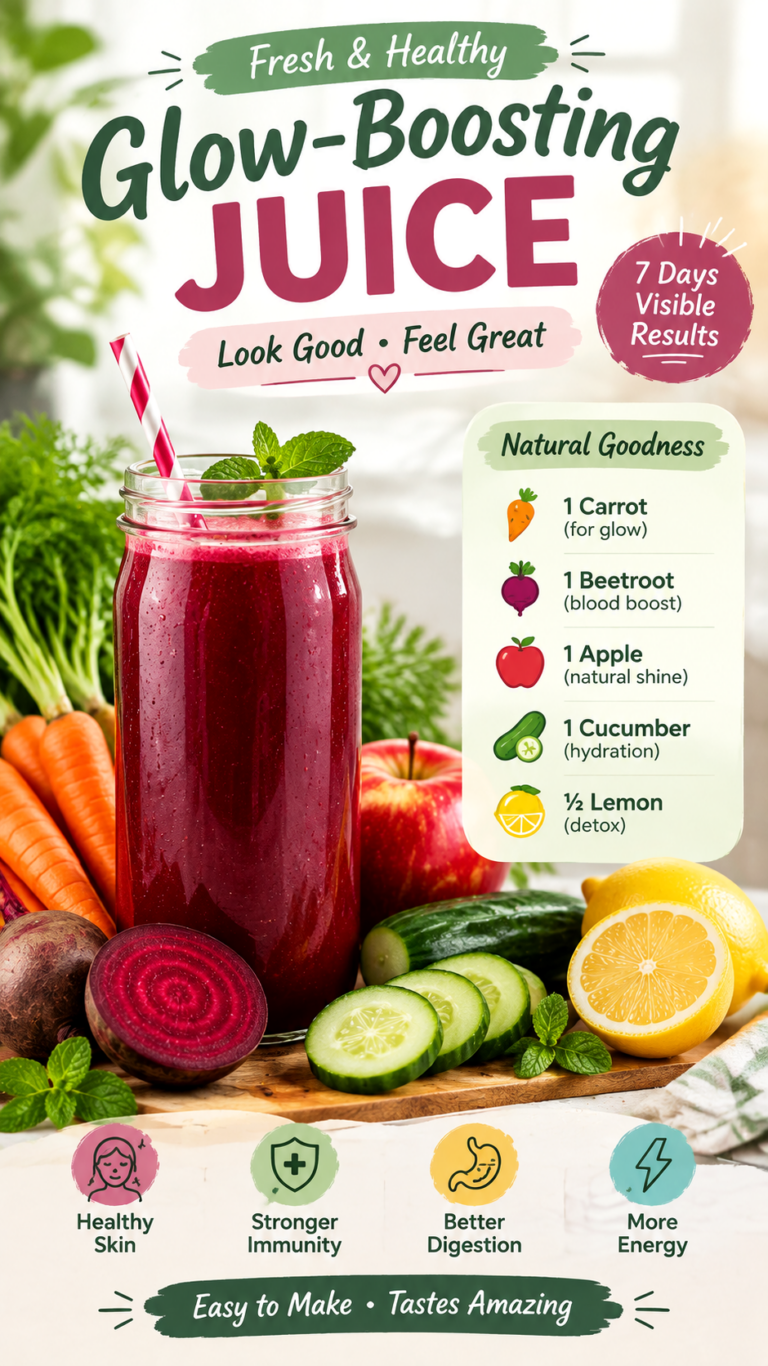
Beets are deeply colored root vegetables often associated with blood pressure support and heart-friendly eating patterns. Their bright color comes from natural plant compounds, and their earthy sweetness makes them a standout ingredient in salads, juices, soups, and roasted vegetable bowls.
Roasted beets pair well with walnuts, yogurt-based dressings, citrus, leafy greens, and grains. They can also be blended into smoothies for color and nutrients. For people new to beets, starting with roasted or pickled beets can be an easy way to enjoy their flavor.
Strawberries, Lemons, and Honey for Bright Everyday Wellness
Strawberries, lemons, and honey are often used in simple home-style wellness recipes because they taste fresh, bright, and comforting. Strawberries are rich in vitamin C and antioxidants, lemons add citrus flavor and acidity, and honey brings natural sweetness.
Strawberries work well in smoothies, yogurt bowls, salads, chia pudding, and oatmeal. Lemons can brighten water, tea, soups, sauces, roasted vegetables, and dressings. Honey can soothe the throat for many people and makes a flavorful sweetener for tea, yogurt, toast, and homemade marinades.
A Note on “Detox” Foods
Lemons are often labeled as a detox food, but the body already has its own natural detox systems, especially the liver and kidneys. Lemon water can still be a healthy habit because it may encourage hydration and add flavor without sugary drinks. The real benefit is supporting healthy routines, not relying on lemon as a magic cleanse.
How to Build a Simple Food Is Medicine Pantry
You do not need every superfood on the market to eat well. A strong wellness pantry can be built with familiar foods that are easy to use often. The goal is to create meals that are colorful, satisfying, and balanced.
Start with Breakfast
Breakfast is one of the easiest places to add several nourishing foods at once. A bowl of oats with banana, cinnamon, walnuts, strawberries, and yogurt can include fiber, protein, healthy fats, and natural sweetness. It is simple, affordable, and easy to customize.
Upgrade Snacks
Instead of relying only on packaged snacks, try pairing whole foods together. Apples with almonds, yogurt with honey, cucumber with a yogurt dip, or boiled eggs with fruit can create snacks that feel more satisfying and nourishing.
Add Color to Lunch and Dinner
Color is a helpful visual cue for variety. Add beets to salads, cucumber to wraps, turmeric to rice, ginger to stir-fries, or lemon to roasted vegetables. These small upgrades can make meals more flavorful while adding beneficial nutrients.
Simple Meal Ideas Using These Wellness Foods
Here are easy ways to combine the featured foods into meals and snacks that fit naturally into a busy day.
Morning Oat Bowl
Cook oats with milk or water, then top with banana slices, strawberries, walnuts, cinnamon, and a spoonful of yogurt. Add a drizzle of honey if you like a sweeter breakfast.
Golden Turmeric Eggs
Scramble eggs with a pinch of turmeric, black pepper, and vegetables. Serve with cucumber slices or whole grain toast for a savory, energizing meal.
Hydrating Summer Plate
Combine watermelon, cucumber, lemon juice, and fresh herbs for a cooling side dish. Add walnuts or almonds for crunch.
Ginger Yogurt Dip
Mix plain yogurt with grated ginger, lemon juice, cucumber, and a little honey for a sweet and tangy dip. Serve with fruit, vegetables, or whole grain crackers.
Common Mistakes to Avoid
While the food is medicine approach is inspiring, it is easy to misunderstand it. The biggest mistake is thinking one food can solve a health issue on its own. No single ingredient can replace a balanced diet, adequate sleep, movement, stress management, and appropriate medical care.
- Do not overfocus on one food. Variety matters more than repetition.
- Watch added sugars. Honey is natural, but it is still a sweetener.
- Choose plain yogurt when possible. Many flavored yogurts contain a lot of added sugar.
- Use spices wisely. More is not always better, especially with supplements or concentrated extracts.
- Consider allergies and sensitivities. Nuts, eggs, dairy, and certain spices may not suit everyone.
At a Glance
- Bananas, oats, apples, and yogurt are easy everyday staples.
- Watermelon and cucumber support hydration-focused meals.
- Almonds and walnuts add healthy fats, crunch, and satiety.
- Turmeric, ginger, cinnamon, lemon, and honey add flavor and comfort.
- Consistency and variety are the foundation of food-based wellness.
Conclusion: Make Healthy Eating Simple, Colorful, and Consistent
Food is one of the most practical tools we have for supporting everyday wellness. The best part is that healthy eating does not have to be complicated. Simple foods like bananas, oats, yogurt, cucumbers, apples, beets, strawberries, nuts, eggs, spices, lemons, honey, and ginger can help create meals that feel nourishing, colorful, and enjoyable.
The real power comes from consistency. A balanced breakfast, a hydrating snack, a fiber-rich bowl of oats, or a colorful salad may seem small on its own, but these choices add up. When you build meals around whole foods and use flavorful ingredients that you genuinely enjoy, wellness becomes less of a strict plan and more of a natural daily rhythm.
Start with one or two foods from this list and add them to meals you already love. Over time, your kitchen can become a place where nutrition feels simple, comforting, and inspiring.
Tags
Food Is Medicine Healthy Eating Natural Wellness Whole Foods Nutrition Tips Healthy Lifestyle Wellness Foods