10 Natural Foods to Lower Blood Sugar and Improve Insulin Sensitivity
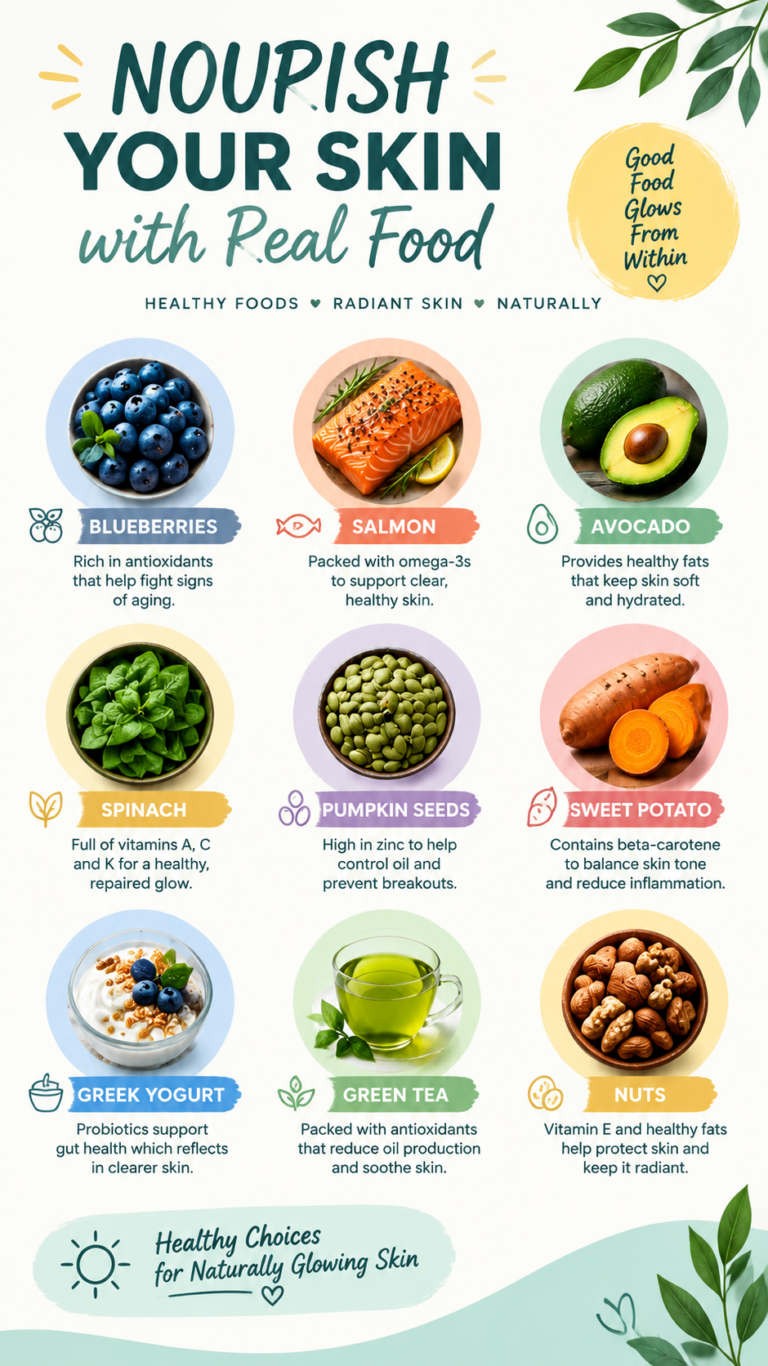
Keeping blood sugar steady does not have to feel complicated. Small food choices, simple meal pairings, and everyday ingredients can make a meaningful difference in how balanced and energized you feel throughout the day. Foods like cinnamon, berries, leafy greens, chia seeds, nuts, eggs, fish, and avocado are often highlighted in blood sugar friendly eating because they bring together fiber, protein, healthy fats, antioxidants, and satisfying flavor.
This guide explores practical ways to use these natural foods in everyday meals while keeping the focus realistic and supportive. No single food is a magic fix, but building meals around nutrient-dense ingredients can help support healthier glucose response, better appetite control, and more consistent energy.
Key Takeaways
- Blood sugar friendly foods often contain fiber, protein, healthy fats, or antioxidants.
- Berries, chia seeds, leafy greens, nuts, and avocado can help create more balanced meals.
- Cinnamon, turmeric, and apple cider vinegar are popular natural options, but they work best as part of an overall healthy routine.
- Pairing carbohydrates with protein or healthy fat can support a steadier glucose response.
- Simple meal planning can make blood sugar support feel easier and more sustainable.
Natural Foods That Support Blood Sugar Balance
Blood sugar balance is influenced by many factors, including meal composition, portion sizes, physical activity, sleep, stress, hydration, and individual health needs. Food is only one part of the picture, but it is a powerful daily tool. Choosing foods that digest more slowly, provide lasting fullness, and reduce sharp glucose swings can help support a more stable routine.
Many of the best foods for blood sugar support are not unusual or hard to find. They are everyday staples that can be added to breakfast, lunch, dinner, or snacks. The goal is not restriction. The goal is smarter balance.
Important: Natural foods can support a healthy lifestyle, but they should not replace medical care, prescribed medication, or professional advice for diabetes, prediabetes, or insulin resistance. Anyone managing blood sugar concerns should work with a qualified healthcare professional.
Why Fiber, Protein, and Healthy Fats Matter
When it comes to blood sugar friendly eating, the way foods are combined matters just as much as the foods themselves. A meal made mostly of fast-digesting carbohydrates can lead to a sharper rise in blood glucose. Adding fiber, protein, or healthy fat may slow digestion and help create a steadier response.
Fiber Helps Slow Digestion
Fiber-rich foods such as berries, leafy greens, chia seeds, nuts, and avocado help slow the breakdown and absorption of carbohydrates. This can make meals feel more satisfying and may support more stable energy levels after eating.
Protein Supports Fullness
Protein-rich foods like eggs and fish help reduce hunger and support balanced meals. Protein does not cause the same type of immediate glucose spike as refined carbohydrates, which makes it useful when building blood sugar conscious plates.
Healthy Fats Add Staying Power
Healthy fats from avocado, nuts, chia seeds, and fish can help meals feel more complete. They add richness, flavor, and satiety, making it easier to avoid constant snacking or energy dips.
Cinnamon: A Simple Spice With Big Flavor
Cinnamon is one of the most popular natural ingredients associated with blood sugar support. It is warm, fragrant, and easy to add to foods without added sugar. A sprinkle of cinnamon can make oatmeal, Greek yogurt, smoothies, apples, chia pudding, or coffee taste naturally sweeter.
For a blood sugar friendly breakfast, try adding cinnamon to plain yogurt with berries and chia seeds. This combination brings together protein, fiber, and flavor in a simple bowl that feels satisfying without being heavy.
Easy Ways to Use Cinnamon
- Stir it into unsweetened oatmeal.
- Add it to smoothies with berries and greens.
- Sprinkle it over apple slices with nut butter.
- Mix it into chia pudding or yogurt bowls.
Berries: Naturally Sweet and Fiber-Rich
Berries are a smart choice for anyone looking for fruit options that feel sweet, colorful, and refreshing. Blueberries, raspberries, strawberries, and blackberries offer fiber and antioxidants while being easy to portion and pair with protein-rich foods.
Instead of eating fruit alone, try combining berries with plain Greek yogurt, cottage cheese, nuts, or chia seeds. This pairing can help create a slower, more balanced release of energy compared with eating a sugary snack by itself.
Pro Tip: If you crave something sweet after dinner, berries with a spoonful of unsweetened yogurt and a sprinkle of cinnamon can feel like dessert while still fitting into a blood sugar friendly eating pattern.
Leafy Greens: A Foundation for Glucose-Friendly Meals
Leafy greens such as spinach, kale, romaine, arugula, and collard greens are naturally low in carbohydrates and rich in vitamins, minerals, and plant compounds. They are also incredibly versatile, making them one of the easiest foods to add to meals.
A good blood sugar friendly plate often starts with a generous serving of non-starchy vegetables. Leafy greens can be used as a salad base, blended into smoothies, sautéed with eggs, added to soups, or served beside fish and avocado.
Simple Leafy Green Ideas
- Add spinach to scrambled eggs.
- Use romaine or kale as a base for protein bowls.
- Blend mild greens into berry smoothies.
- Sauté greens with olive oil, garlic, and herbs.
Chia Seeds: Tiny Seeds With Major Meal Support
Chia seeds are small, but they bring a helpful mix of fiber, healthy fats, and texture. When soaked in liquid, they form a gel-like consistency that makes them perfect for puddings, overnight oats, smoothies, and yogurt bowls.
Because chia seeds are rich in fiber, they can help make meals more filling. They are especially useful in breakfasts and snacks where people often want something quick but still balanced.
Blood Sugar Friendly Chia Pudding Idea
Mix chia seeds with unsweetened milk or a dairy-free alternative, add cinnamon, and let the mixture sit until thick. Top with berries and a few chopped nuts for crunch. This creates a simple, make-ahead option that feels creamy, lightly sweet, and satisfying.
Why This Matters
The best blood sugar friendly meals usually combine more than one supportive nutrient. For example, berries provide fiber, chia seeds add more fiber and healthy fat, and yogurt contributes protein. Together, these foods create a more balanced option than a sweet snack eaten alone.
Nuts: Crunchy, Satisfying, and Easy to Pair
Nuts such as almonds, walnuts, pistachios, and pecans are popular blood sugar friendly snack options because they provide healthy fats, protein, and fiber. They are also portable, which makes them useful for busy days when balanced choices are harder to find.
Portion size still matters because nuts are calorie-dense. A small handful can be enough to add satisfaction to a snack or meal. Pair nuts with fruit, sprinkle them over salads, or mix them into plain yogurt for extra crunch.
Smart Nut Pairings
- Apple slices with almond butter.
- Berries with walnuts and yogurt.
- Leafy green salad with pecans.
- Chia pudding topped with pistachios.
Eggs: A Protein-Rich Breakfast Staple
Eggs are a simple protein source that can fit easily into blood sugar conscious meals. They are quick to prepare, affordable for many households, and flexible enough for breakfast, lunch, or dinner.
One of the easiest ways to make eggs more nutrient-rich is to pair them with leafy greens and avocado. Scrambled eggs with spinach, a side of sliced avocado, and a few berries can create a satisfying breakfast with protein, fiber, and healthy fat.
Easy Egg Meal Ideas
- Spinach omelet with avocado.
- Boiled eggs with nuts and berries.
- Egg salad lettuce cups.
- Vegetable frittata with leafy greens.
Fish: Protein and Healthy Fats in One Meal
Fish, especially fatty fish like salmon, sardines, trout, and mackerel, is often included in balanced eating patterns because it provides protein and omega-3 fats. Protein helps with fullness, while healthy fats add staying power to meals.
Fish pairs beautifully with non-starchy vegetables and fiber-rich sides. A plate with salmon, leafy greens, avocado, and a small serving of beans or whole grains can be filling, flavorful, and supportive of better meal balance.
Important: The most helpful meals are often built around balance, not perfection. A protein source, plenty of non-starchy vegetables, a healthy fat, and a mindful portion of carbohydrates can make eating for blood sugar feel more flexible and enjoyable.
Avocado: Creamy, Filling, and Meal-Friendly
Avocado is a favorite in blood sugar friendly meals because it is rich in healthy fats and fiber while being naturally low in sugar. Its creamy texture makes meals feel more satisfying, which can help reduce the urge to reach for quick snacks soon after eating.
Add avocado to salads, egg bowls, lettuce wraps, smoothies, or fish plates. It can also replace sugary or highly processed toppings in many meals. A little avocado can make a simple plate feel more complete.
Avocado Meal Ideas
- Avocado and egg breakfast bowl.
- Salmon salad with avocado slices.
- Turkey lettuce wraps with avocado spread.
- Berry smoothie with spinach and avocado.
Fenugreek, Turmeric, and Apple Cider Vinegar: Popular Natural Additions
Fenugreek, turmeric, and apple cider vinegar are often mentioned in natural wellness discussions around blood sugar support. They can be interesting additions to a healthy kitchen, but they should be used thoughtfully.
Fenugreek
Fenugreek seeds have a strong, slightly bitter flavor and are commonly used in cooking and traditional food practices. They may be added to spice blends, teas, or savory dishes. Because fenugreek can interact with health conditions or medications for some people, it is wise to check with a professional before using it in supplement-like amounts.
Turmeric
Turmeric brings a golden color and earthy flavor to soups, eggs, roasted vegetables, and rice dishes. It is often used for its antioxidant and anti-inflammatory properties. Pairing turmeric with black pepper and healthy fat can make it more useful in cooking.
Apple Cider Vinegar
Apple cider vinegar is commonly used in salad dressings, marinades, and diluted drinks. It should never be consumed undiluted because it is acidic and can irritate the throat or affect tooth enamel. A simple way to use it is in a vinaigrette over leafy greens with olive oil, herbs, and lemon.
How to Build a Blood Sugar Friendly Plate
The easiest way to turn these foods into a sustainable routine is to think in combinations. Instead of focusing on one ingredient at a time, build plates that include protein, fiber, healthy fat, and colorful plants.
A Simple Plate Formula
- Start with vegetables: Leafy greens, broccoli, cucumbers, peppers, or zucchini.
- Add protein: Eggs, fish, chicken, tofu, Greek yogurt, or beans.
- Include healthy fat: Avocado, nuts, chia seeds, olive oil, or fatty fish.
- Choose smart carbs: Berries, legumes, oats, quinoa, or whole grains in mindful portions.
- Flavor naturally: Cinnamon, turmeric, herbs, vinegar-based dressings, citrus, or spices.
Meal Ideas Using These Natural Foods
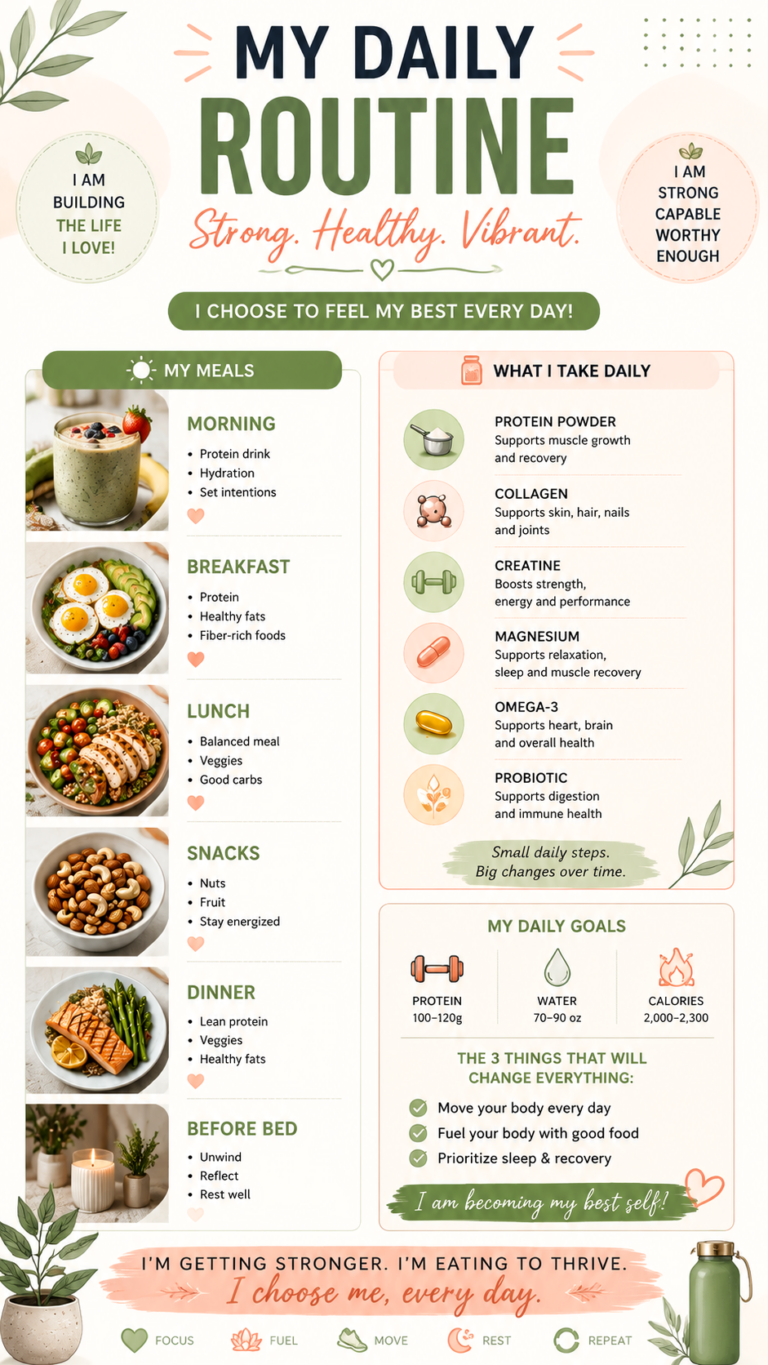
Here are a few easy ways to bring these blood sugar friendly foods into everyday meals without making your routine feel restrictive.
Breakfast Ideas
- Scrambled eggs with spinach and avocado.
- Greek yogurt with berries, chia seeds, nuts, and cinnamon.
- Chia pudding topped with blueberries and walnuts.
- Vegetable omelet with turmeric and leafy greens.
Lunch Ideas
- Salmon salad with avocado, leafy greens, and apple cider vinegar dressing.
- Egg lettuce cups with cucumber, herbs, and nuts on the side.
- Spinach bowl with grilled fish, chia seeds, and roasted vegetables.
- Berry and nut salad with a protein source.
Snack Ideas
- Apple slices with almond butter and cinnamon.
- Boiled eggs with a few nuts.
- Berries with plain yogurt.
- Avocado on cucumber slices with herbs.
Common Mistakes to Avoid
Even healthy foods can be less helpful when they are used in unbalanced ways. For example, a smoothie made with mostly fruit juice can raise glucose quickly, even if it contains berries. A large portion of nuts can add more calories than expected. Apple cider vinegar should not be treated like a cure or consumed in harsh amounts.
Another common mistake is focusing only on what to add while ignoring meal timing, sleep, stress, and movement. A short walk after meals, enough hydration, and regular sleep can all support a healthier blood sugar routine alongside smart food choices.
Pro Tip: If a meal contains carbohydrates, ask what you can pair with them. Adding eggs, fish, nuts, chia seeds, avocado, or leafy greens can often make the meal more satisfying and balanced.
At a Glance
- Choose fiber-rich foods like berries, chia seeds, leafy greens, and avocado.
- Add protein from eggs, fish, yogurt, tofu, or lean meats.
- Use cinnamon, turmeric, and vinegar-based dressings for flavor without excess sugar.
- Pair carbohydrates with protein or healthy fat when possible.
- Keep your routine simple so it is easier to follow long term.
Conclusion: Small Food Choices Can Support Better Balance
Natural blood sugar support starts with consistent, practical choices. Foods like cinnamon, berries, fenugreek, apple cider vinegar, turmeric, leafy greens, chia seeds, nuts, eggs, fish, and avocado can all play a role in a balanced eating pattern. The biggest benefit comes from combining them wisely rather than relying on one ingredient alone.
Focus on building meals that include fiber, protein, healthy fats, and colorful whole foods. Keep portions mindful, stay consistent, and choose meals you actually enjoy. A blood sugar friendly lifestyle should feel nourishing, flexible, and realistic enough to maintain day after day.
Tags
Blood Sugar Balance Diabetes Friendly Foods Low Glycemic Eating Insulin Sensitivity Healthy Meal Ideas Natural Wellness Blood Sugar Friendly Recipes