12 Best Fertility Foods to Boost Ovulation and Conceive Naturally Faster Today
When trying to conceive, nutrition is one of the most powerful lifestyle factors you can focus on. While no single food can guarantee pregnancy, a balanced diet rich in fertility-supporting nutrients can help create an environment that supports reproductive health, hormone balance, and overall wellness. Choosing nutrient-dense foods may improve ovulation, support egg quality, and provide the vitamins and minerals your body needs during the preconception phase.
Many fertility-friendly foods contain essential nutrients such as folate, omega-3 fatty acids, antioxidants, zinc, selenium, iron, and protein. Together, these nutrients help support reproductive function while promoting overall health. The good news is that many of these foods are easy to include in everyday meals.
Key Takeaways
- Nutrition plays an important role in reproductive health.
- Folate, iron, zinc, and antioxidants are key fertility-supporting nutrients.
- Healthy fats help support hormone production and balance.
- Protein-rich foods can contribute to overall reproductive wellness.
- Consistent healthy eating habits matter more than quick fixes.
- Hydration, sleep, and stress management complement a fertility-friendly diet.
How Nutrition Supports Fertility
Your body requires a wide range of nutrients to regulate hormones, support ovulation, maintain healthy reproductive tissues, and prepare for pregnancy. Nutritional deficiencies may impact these processes, making a balanced diet an important foundation for anyone trying to conceive.
Important: Fertility is influenced by many factors including age, lifestyle, medical conditions, and genetics. A healthy diet supports reproductive wellness but works best as part of a comprehensive approach to overall health.
Instead of focusing on a single “fertility food,” it is more effective to build eating habits around nutrient-rich whole foods. This approach provides a broad spectrum of vitamins, minerals, healthy fats, and antioxidants that work together to support reproductive health.
Spinach and Leafy Greens
Leafy greens are often considered nutritional powerhouses. Spinach, kale, Swiss chard, and similar vegetables provide folate, iron, vitamin C, and fiber.
Folate is particularly important during the preconception period because it supports healthy cell growth and development. Iron also plays a valuable role in maintaining energy levels and supporting healthy blood circulation.
- Add spinach to smoothies.
- Use leafy greens as the base for salads.
- Include sautéed greens with dinner.
- Mix chopped greens into omelets and soups.
Berries and Antioxidant-Rich Fruits
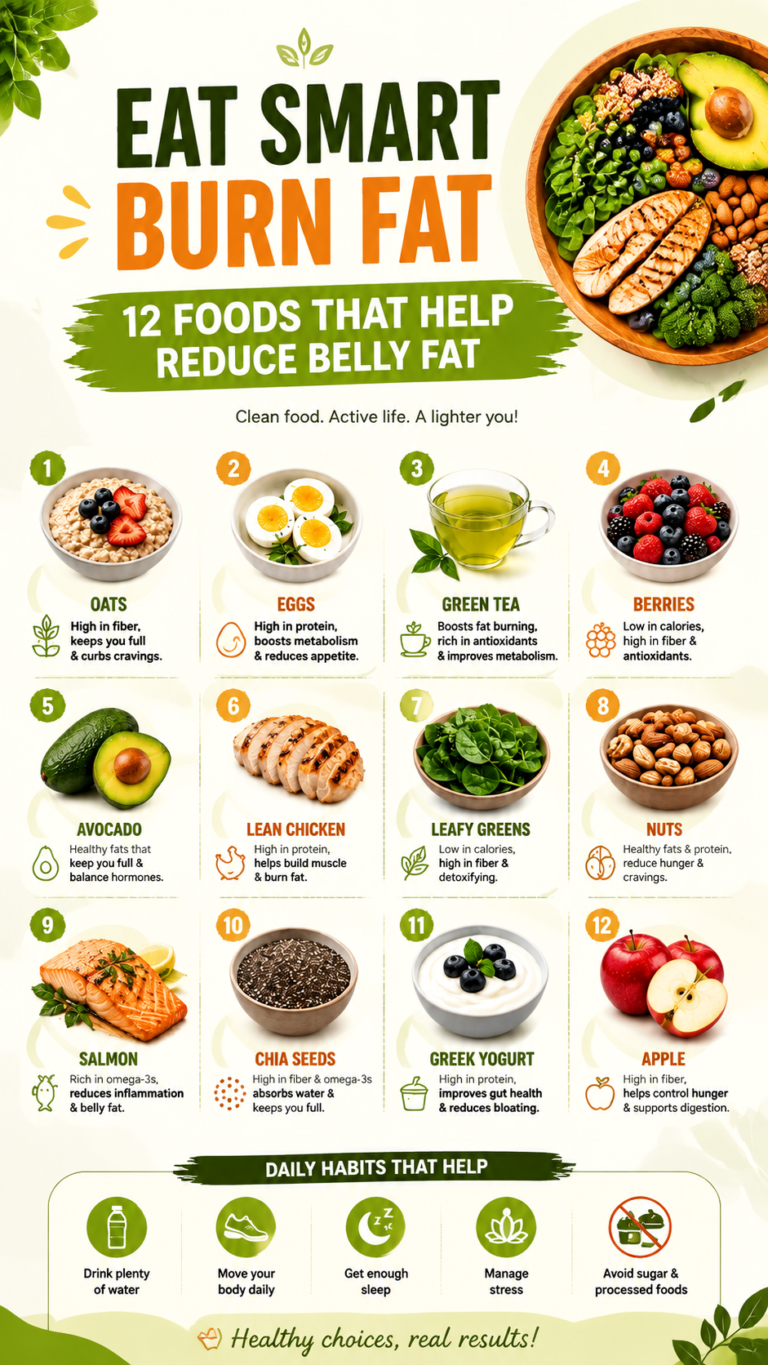
Berries such as strawberries, blueberries, raspberries, and blackberries are loaded with antioxidants. Antioxidants help protect cells from oxidative stress, which may affect reproductive health.
These colorful fruits also provide vitamin C, fiber, and various plant compounds that contribute to overall wellness. Including a variety of berries in your diet can be a delicious way to increase nutrient intake.
Try adding berries to yogurt, oatmeal, smoothies, or healthy snacks throughout the day.
Avocados and Healthy Fats
Healthy fats are essential for hormone production and reproductive health. Avocados are rich in monounsaturated fats, fiber, potassium, and several important vitamins.
Unlike highly processed fats, the healthy fats found in avocados may help support balanced nutrition and contribute to overall hormonal wellness.
Avocados are incredibly versatile. They can be sliced into salads, blended into smoothies, mashed onto whole-grain toast, or used as a creamy ingredient in healthy dips.
Why This Matters
Hormones are built from nutritional building blocks. Consistently including healthy fats, quality proteins, and nutrient-dense foods may help support the body’s natural reproductive processes and overall hormonal balance.
Nuts and Seeds
Nuts and seeds provide a combination of healthy fats, protein, zinc, selenium, vitamin E, and fiber. These nutrients are frequently associated with reproductive health and overall wellness.
Popular options include almonds, walnuts, sunflower seeds, pumpkin seeds, chia seeds, and flaxseeds. Each offers a unique nutritional profile.
- Sprinkle seeds on salads.
- Add nuts to yogurt or oatmeal.
- Use nut butter as a snack.
- Mix seeds into smoothies.
Pro Tip: Variety matters. Rotating different nuts and seeds throughout the week can help diversify nutrient intake and provide a broader range of beneficial compounds.
Lentils and Beans for Plant-Based Nutrition
Lentils and beans are excellent sources of plant protein, iron, folate, and fiber. They are affordable, versatile, and easy to incorporate into meals.
These legumes can support balanced blood sugar levels when paired with healthy fats and fiber-rich vegetables. Stable energy levels and balanced nutrition contribute to overall health during the fertility journey.
Popular options include black beans, chickpeas, kidney beans, pinto beans, and lentils.
Fatty Fish and Omega-3 Fatty Acids
Fatty fish such as salmon, sardines, trout, and mackerel are among the richest sources of omega-3 fatty acids. These healthy fats support heart health, brain health, and may contribute to reproductive wellness.
Omega-3s are frequently discussed in fertility nutrition because of their role in supporting healthy cell function and reducing inflammation within the body.
For those who do not consume fish, plant-based sources such as chia seeds, flaxseeds, and walnuts can also contribute omega-3 fats to the diet.
Yogurt and Probiotic Foods
Gut health has become an increasingly important topic in overall wellness discussions. Yogurt contains probiotics, which are beneficial bacteria that help support digestive health.
A healthy digestive system can improve nutrient absorption, helping your body utilize vitamins and minerals more effectively.
Choose plain yogurt with minimal added sugar whenever possible. You can naturally sweeten it with berries, cinnamon, or sliced fruit.
Sweet Potatoes and Complex Carbohydrates
Sweet potatoes provide fiber, vitamins, minerals, and complex carbohydrates. Unlike heavily processed carbohydrate sources, they release energy more gradually.
Balanced blood sugar management is an important component of overall health and may support healthy hormonal function.
Sweet potatoes can be baked, roasted, mashed, or incorporated into soups and stews for a nutrient-rich meal option.
Eggs and High-Quality Protein
Eggs are rich in protein, vitamins, minerals, and choline. Choline is a nutrient that supports healthy cell development and plays an important role during pregnancy.
Protein is essential for tissue repair, hormone production, and maintaining overall health. Including adequate protein in your daily diet may help support wellness during the preconception stage.
Eggs are also incredibly versatile and can be prepared in countless healthy ways.
Important: Building meals around quality protein sources can help improve satiety, support stable energy levels, and contribute to a balanced fertility-focused eating pattern.
Quinoa and Whole Grains
Whole grains provide complex carbohydrates, fiber, B vitamins, and minerals that support overall health. Quinoa stands out because it also contains complete protein.
Replacing refined grains with nutrient-dense whole grains may help support steady energy levels and better nutritional balance.
Examples include quinoa, brown rice, oats, barley, and whole wheat products.
Citrus Fruits and Vitamin C
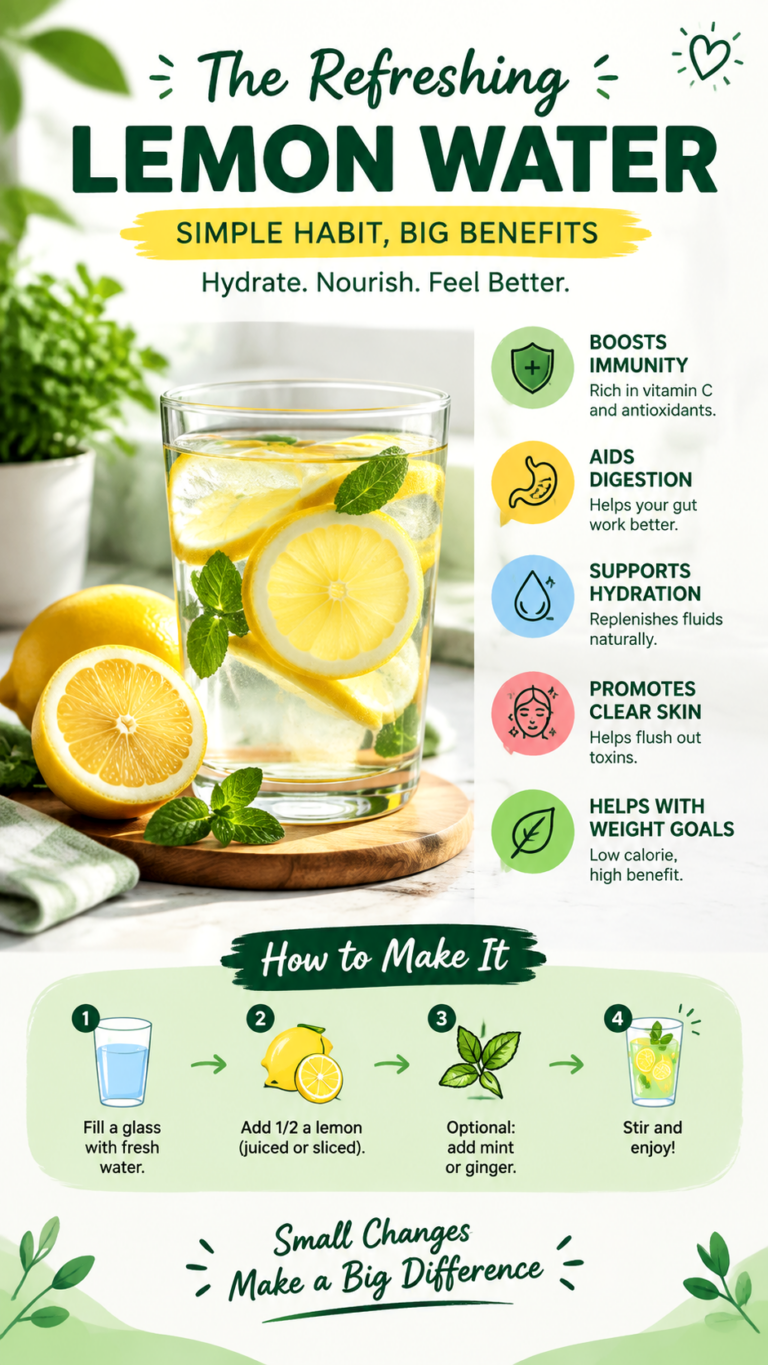
Citrus fruits such as oranges, grapefruits, lemons, and mandarins are excellent sources of vitamin C. This vitamin supports immune function and acts as an antioxidant.
Vitamin C also helps improve iron absorption from plant-based foods, making it especially valuable when paired with beans, lentils, and leafy greens.
Adding fresh citrus to your daily routine can be a simple way to increase nutrient intake while enjoying refreshing flavors.
Can Dark Chocolate Be Part of a Fertility-Friendly Diet?
Dark chocolate often surprises people when it appears on lists of healthy foods. High-quality dark chocolate contains antioxidants and beneficial plant compounds.
When enjoyed in moderation, dark chocolate can fit into a balanced eating plan and provide a satisfying treat without excessive added sugars.
The key is choosing varieties with a higher cocoa content and consuming them as part of an overall nutritious diet.
Lifestyle Habits That Complement Healthy Eating
Nutrition is only one piece of the fertility puzzle. Several lifestyle habits can work alongside a healthy diet to support overall reproductive wellness.
Stay Hydrated
Water supports circulation, digestion, nutrient transport, and overall health. Aim for consistent hydration throughout the day.
Manage Stress
While stress alone does not determine fertility outcomes, managing chronic stress can contribute to improved well-being and healthier lifestyle habits.
Prioritize Sleep
Quality sleep supports hormone regulation, recovery, and overall physical health. Establishing a consistent sleep routine can be beneficial.
Exercise Regularly
Moderate physical activity supports cardiovascular health, weight management, and stress reduction. Consistency is more important than intensity.
Creating a Fertility-Friendly Meal Plan
A simple fertility-supportive meal plan might include leafy greens at lunch, berries as a snack, salmon for dinner, and yogurt with nuts for breakfast. The goal is not perfection but consistency.
Focus on eating a colorful variety of fruits and vegetables, incorporating quality proteins, choosing healthy fats, and limiting heavily processed foods whenever possible.
Over time, these habits can contribute to better nutritional status and support overall reproductive wellness.
At a Glance
- Leafy greens provide folate and iron.
- Berries offer antioxidants that support cellular health.
- Healthy fats from avocados and fish support hormone function.
- Protein-rich foods help maintain overall wellness.
- Hydration, sleep, and stress management remain essential.
Conclusion
Building a fertility-friendly diet is about nourishing your body with foods that provide essential nutrients, support hormone balance, and promote overall health. Spinach, berries, avocados, nuts, seeds, legumes, fatty fish, yogurt, sweet potatoes, eggs, whole grains, citrus fruits, and even moderate amounts of dark chocolate can all play a role in a balanced preconception nutrition plan.
Rather than searching for a miracle food, focus on creating sustainable habits that support your long-term wellness. Combined with hydration, quality sleep, stress management, and regular exercise, nutrient-dense eating can help create a strong foundation as you prepare for the next chapter of your journey.
Tags
Fertility Foods Natural Fertility Ovulation Support Preconception Nutrition Women’s Health Healthy Pregnancy Hormone Balance Fertility Diet