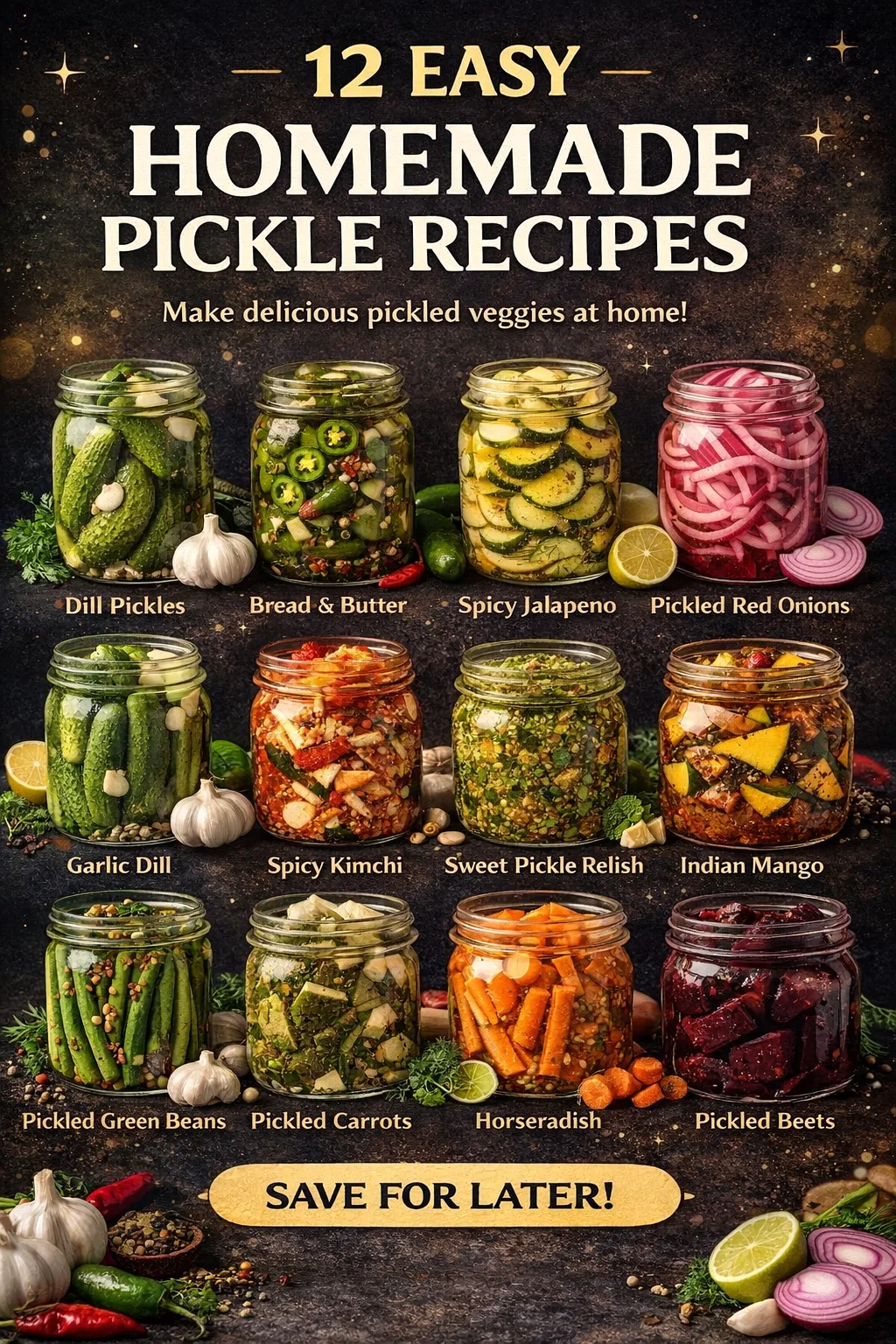
12 Easy Homemade Pickle Recipes Quick DIY Pickling Guide for Vegetables More
Capturing the crunch and tang of a perfectly pickled vegetable is one of the most rewarding experiences in the kitchen. Whether you are a seasoned gardener looking to preserve a massive harvest or a home cook who simply loves the bright acidity that a pickle adds to a sandwich, the art of pickling is a timeless skill. The beauty of homemade pickles lies in the absolute control you have over the ingredients. You can dial up the heat with extra peppers, infuse deep earthy tones with mustard seeds, or keep things classic with a heavy hand of fresh dill and garlic. It is a process that turns simple, raw produce into a culinary staple that lasts for months.
The Magic of Preserving Your Harvest
Pickling is more than just a way to save food from going to waste. It is a transformation of flavor. When you submerge fresh cucumbers, carrots, or green beans into a carefully balanced brine of vinegar, salt, and water, a chemical process begins. The vinegar acts as a preservative, while the salt draws out moisture to create that signature snap. This method has been used for centuries across cultures, from the spicy, fermented depths of Korean Kimchi to the sweet and sour notes of traditional Bread and Butter pickles. By making these at home, you bypass the yellow dyes and artificial preservatives found in store bought jars, resulting in a cleaner and more vibrant taste.
Essential Tools for Every Home Pickler
Before you dive into the recipes, it is important to have the right equipment on hand. Luckily, pickling does not require a high tech kitchen. You will need a few sturdy glass jars with tight fitting lids. Mason jars are the gold standard because they are designed to withstand the heat of a water bath if you choose to shelf stable your creations. A large stainless steel or enamel pot is necessary for boiling your brine, as reactive metals like aluminum can give your pickles a metallic taste. Aside from that, a sharp knife for slicing and a set of measuring cups will get you through almost any recipe.
Classic Dill and Garlic Favorites
For many, the word pickle is synonymous with the cucumber. The Garlic Dill Pickle is perhaps the most iconic version of this craft. To achieve the perfect jar, you want to use Kirby or Persian cucumbers because their thin skins and firm flesh hold up well in liquid. Adding four to eight cloves of garlic per jar creates a pungent, savory base that complements the herbal notes of fresh dill weed. If you prefer a bit of a kick, adding red pepper flakes to your garlic dill mix will create a spicy version that pairs perfectly with a heavy burger or a rich deli sandwich.
Mastering the Bread and Butter Style
If you have a sweet tooth, Bread and Butter pickles are likely your go to choice. These are distinct because of their sweeter brine, which usually includes a significant amount of sugar and a touch of turmeric for that classic golden hue. Slicing the cucumbers into coins along with thin slivers of onion creates a beautiful medley of textures. The addition of celery seeds and mustard seeds adds a subtle earthiness that balances the sweetness. These are the ultimate topping for fried chicken sandwiches or as a side to a spicy barbecue spread.
Exploring International Flavors: Kimchi and Mango Pickle
While cucumbers dominate the Western pickling scene, other parts of the world offer incredible variety. Spicy Kimchi is a staple of Korean cuisine that uses napa cabbage as its base. Unlike a simple vinegar pickle, kimchi often involves a short fermentation process and the use of fish sauce, ginger, and gochugaru (Korean chili flakes). It is a complex, funky, and spicy addition to any meal that is also packed with probiotics.
On the other hand, the Indian Mango Pickle offers a completely different profile. Using green, unripe mangoes provides a tart foundation. This recipe typically uses mustard oil and a heavy blend of spices like chili powder and mustard seeds. It is a bold, oil based preserve that acts as a condiment rather than a snack on its own, bringing an explosion of flavor to rice dishes and flatbreads.
Vibrant Pickled Red Onions and Beets
Color is just as important as taste when it comes to food, and few things are as visually stunning as pickled red onions or beets. Red onions, when placed in a vinegar and sugar brine, turn a brilliant shade of pink. They lose their raw bite and become a sweet, crunchy garnish for tacos, salads, and avocado toast. Similarly, pickled beets offer a deep, earthy sweetness. Boiling the beets before pickling ensures they are tender, while the brine helps to highlight their natural sugars. These are a fantastic addition to a charcuterie board or a goat cheese salad.
The Versatility of Other Vegetables
Do not limit yourself to the usual suspects. Almost any firm vegetable can be pickled with great success. Pickled Green Beans, often called dilly beans, are a fantastic snack and a classic garnish for a Bloody Mary. They stay remarkably crunchy and take on the flavors of garlic and dill beautifully. Pickled Carrots are another underrated gem. By adding coriander seeds or ginger to the brine, you can create a snack that is both refreshing and sophisticated. Even radishes, cauliflower, and zucchini can be transformed using the same basic vinegar to water ratios.
Understanding the Brine Ratios
The secret to a safe and delicious pickle is the brine. A standard starting point is a one to one ratio of vinegar to water. For a sharper, more acidic pickle, you can increase the vinegar. For a milder version, you can slightly increase the water, though you should be careful not to dilute it too much if you plan on storing them for a long time. Salt is non negotiable as it prevents the growth of bad bacteria. Always use pickling salt or kosher salt, as table salt contains additives that can make your brine cloudy. Sugar is optional but highly recommended to balance the acidity, even in savory recipes.
Pro Tips for the Best Crunch
Nobody likes a mushy pickle. To ensure your vegetables stay crisp, there are a few professional tricks you can use. First, always start with the freshest produce possible. If a cucumber is already soft, pickling will not fix it. Second, trim the blossom end of the cucumber, as it contains enzymes that can soften the fruit during the pickling process. Finally, some people add a grape leaf or a pinch of loose tea leaves to each jar. The tannins in these leaves help to keep the cell walls of the vegetables firm, ensuring that satisfying snap every time you take a bite.
Storage and Safety Guidelines
There are two main ways to store your homemade pickles: the refrigerator method and the water bath canning method. Refrigerator pickles are the easiest. You simply pour the hot brine over the vegetables, let them cool, and pop them in the fridge. They are ready to eat in about 24 hours and stay fresh for several weeks. If you want to store your jars in a pantry for a year or more, you must process them in a boiling water bath. This creates a vacuum seal and kills any potential contaminants. Always follow tested recipes for canning to ensure the acidity levels are safe for long term storage.
Creating Your Own Signature Recipes
Once you understand the basic mechanics of pickling, the world is your oyster. You can begin experimenting with different types of vinegar. Apple cider vinegar adds a fruity depth, while white vinegar provides a clean, sharp bite. Rice vinegar is excellent for Asian inspired pickles like pickled ginger or daikon. You can also play with aromatics. Star anise, cinnamon sticks, cloves, and peppercorns can all change the character of a jar entirely. Do not be afraid to mix vegetables in a single jar to create a colorful giardiniera or a spicy vegetable medley.
Health Benefits of Pickled Foods
Beyond the taste, pickling offers several health benefits. Fermented pickles, like traditional kimchi or naturally fermented dills, are rich in probiotics which support gut health. Even vinegar based pickles can aid in digestion and help regulate blood sugar levels. Because they are low in calories and fat, they make an excellent alternative to salty processed snacks. Plus, by making them yourself, you are getting a boost of vitamins from the fresh vegetables that have been preserved at their peak.
Conclusion
Building a collection of homemade pickle recipes is a journey of flavor and creativity. From the spicy kick of jalapeños to the sweet crunch of bread and butter chips, there is a jar for every occasion. Taking the time to prepare these preserves at home connects you to a long history of culinary tradition and gives you a sense of accomplishment every time you open a jar. It is an affordable, fun, and delicious hobby that will undoubtedly impress your friends and family. So, grab some jars, head to the farmers market, and start your pickling adventure today. Your future self will thank you when you have a pantry full of vibrant, crunchy snacks ready to enjoy.