5 Signs You Need a Reset Day Self-Care Tips for Mental Wellness and Stress Relief
Modern life rarely slows down. Between work responsibilities, endless notifications, family obligations, and personal goals, it is easy to push through exhaustion without realizing how much stress has accumulated. Many people assume they need a major vacation or dramatic lifestyle change to feel better, but often what they truly need is something much simpler: a reset day.
A reset day is an intentional pause that allows you to step back, recharge your energy, clear mental clutter, and reconnect with healthy habits. It is not about being lazy or avoiding responsibilities. Instead, it is about recognizing when your mind and body are asking for rest before burnout takes hold.
Understanding the signs that indicate a need for a reset day can help you maintain better mental wellness, improve productivity, and create a healthier relationship with stress. Let’s explore the most common signals and practical ways to restore balance.
Key Takeaways
- Persistent fatigue often signals a need for rest and recovery.
- Mental overwhelm can reduce focus, motivation, and emotional resilience.
- Environmental clutter frequently contributes to mental stress.
- Neglecting self-care habits may indicate burnout is developing.
- Small reset activities can significantly improve well-being.
- Regular reset days help prevent long-term exhaustion.
What Is a Reset Day?
A reset day is a dedicated period focused on recovery, reflection, and restoration. Unlike a typical day off where time can disappear into errands or excessive screen use, a reset day is intentionally structured around activities that support mental, emotional, and physical well-being.
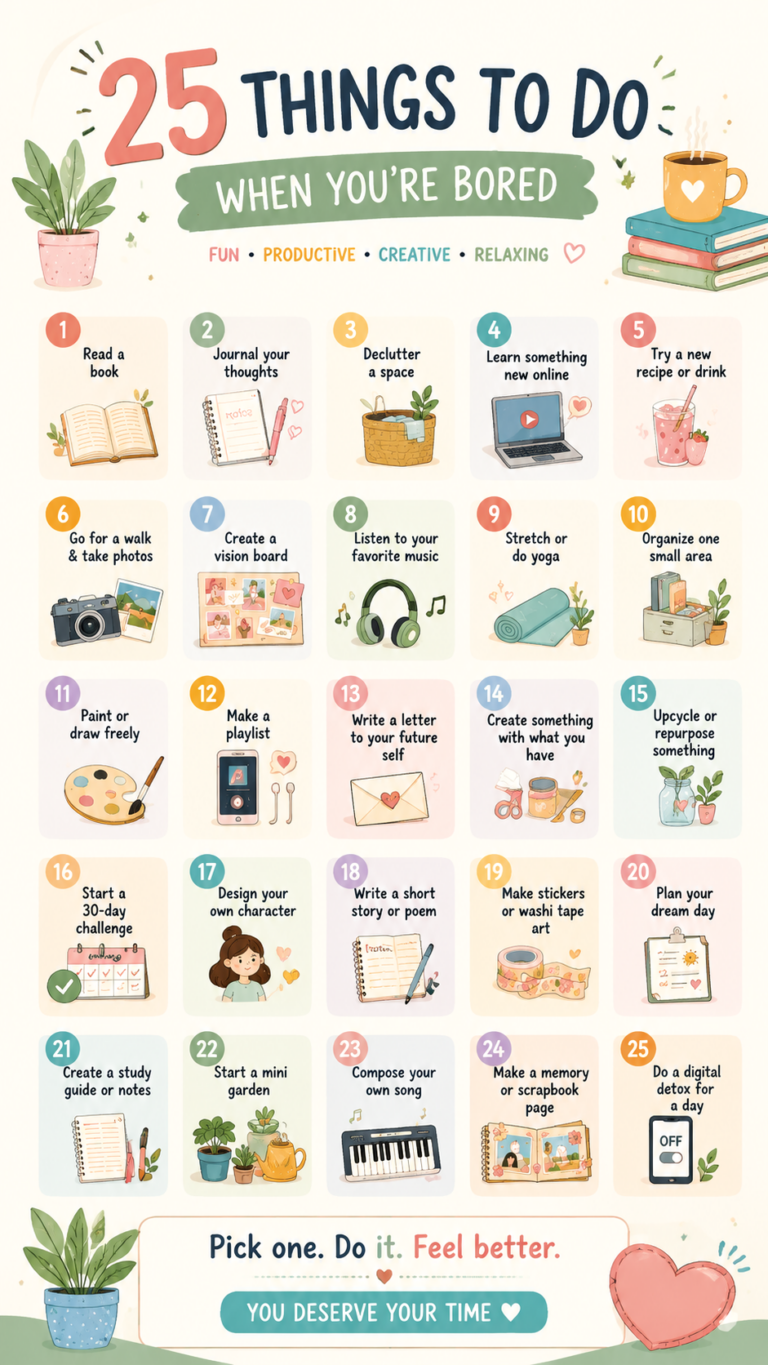
It might include sleeping in, decluttering your space, taking a long walk, journaling, preparing nourishing meals, limiting digital distractions, or simply enjoying quiet moments without pressure.
Important: A reset day is not about accomplishing more. Its purpose is to create enough space for your mind and body to recover so you can function more effectively afterward.
Sign #1: Constant Fatigue That Won’t Go Away
One of the clearest indicators that you need a reset day is ongoing fatigue. This goes beyond simply feeling tired after a busy week. Persistent fatigue can show up even when you are getting adequate sleep.
Common Symptoms of Constant Fatigue
- Feeling tired shortly after waking up
- Low motivation throughout the day
- Mental exhaustion despite limited physical activity
- Difficulty concentrating on simple tasks
- Reduced enthusiasm for activities you normally enjoy
When fatigue becomes chronic, your body may be signaling that stress levels have exceeded your current recovery capacity. Instead of relying solely on caffeine or pushing harder, a reset day can provide the rest needed to restore energy reserves.
Activities such as napping, spending time outdoors, reducing stimulation, and prioritizing sleep hygiene can make a meaningful difference.
Sign #2: Feeling Constantly Overwhelmed
Overwhelm often develops gradually. At first, you may feel slightly busier than usual. Over time, responsibilities, information, and expectations can pile up until even small tasks feel difficult to manage.
Why Overwhelm Happens
Today’s digital environment exposes us to a constant stream of information. Emails, social media updates, messages, news alerts, and endless content compete for attention throughout the day.
When the brain receives more input than it can comfortably process, feelings of overwhelm begin to emerge.
- Excessive screen time
- Overstimulation from constant notifications
- Emotional burnout
- Lack of quiet, uninterrupted time
- Too many competing priorities
A reset day creates an opportunity to step away from information overload. Even a few hours of reduced digital engagement can help calm an overstimulated mind.
Why This Matters
- Your brain needs periods of low stimulation to process information effectively.
- Continuous input without recovery can increase stress and decrease focus.
- Intentional breaks improve emotional regulation and decision-making.
Sign #3: Mental Clutter Is Taking Over
Mental clutter can feel like having dozens of browser tabs open in your mind at the same time. Thoughts race from one concern to another, making it difficult to focus or relax.
Symptoms of Mental Clutter
- Racing thoughts
- Forgetfulness
- Trouble organizing tasks
- Difficulty prioritizing responsibilities
- Feeling mentally scattered
Mental clutter often accumulates when life becomes busy and there is little opportunity to process experiences. Without reflection, thoughts remain unresolved and continue competing for attention.
Journaling is one of the most effective reset-day practices for reducing mental clutter. Writing thoughts down helps create mental space and can reveal patterns that contribute to stress.
Pro Tip: Spend ten minutes writing every thought currently occupying your mind. Do not edit or organize. Simply transfer mental clutter onto paper and notice how much lighter you feel afterward.
Sign #4: Your Environment Feels Chaotic
The condition of your environment can significantly influence your mental state. While perfection is not necessary, excessive clutter often contributes to feelings of stress and overwhelm.
A messy workspace, unfinished projects, scattered belongings, and constant visual distractions can create a subtle but ongoing sense of tension.
Environmental Signs You Need a Reset
- Your desk is difficult to use because of clutter
- Multiple unfinished tasks surround you
- You struggle to find important items
- Your home no longer feels relaxing
- You feel stressed immediately upon entering certain rooms
One powerful reset-day activity is choosing a single area to organize. Rather than attempting a complete home makeover, focus on creating one calm and functional space.
Even organizing a desk, bedside table, or reading corner can improve mental clarity and provide a sense of accomplishment.
Sign #5: You Have Stopped Taking Care of Yourself
When stress increases, self-care habits are often the first things people abandon. Unfortunately, these are also the habits that help maintain resilience during difficult periods.
Self-Care Warning Signs
- Poor sleep quality
- Skipping meals
- Lack of physical movement
- Constant stress without recovery
- Ignoring personal needs
If basic wellness habits have become difficult to maintain, your mind and body may be asking for attention.
A reset day offers an opportunity to return to foundational self-care practices. Simple actions often produce the greatest benefits.
- Prepare nourishing meals
- Drink adequate water
- Take a relaxing walk
- Stretch or practice gentle movement
- Get extra sleep
- Spend time away from screens
Important: Consistent self-care is not a luxury. It is a practical investment in your mental health, energy levels, and long-term well-being.
How to Create the Perfect Reset Day
There is no universal formula for a successful reset day. The best approach depends on your needs, energy levels, and current challenges.
Start With Rest
If exhaustion is your primary concern, prioritize sleep and relaxation before tackling any productivity goals.
Reduce Digital Noise
Consider limiting social media, email, and unnecessary notifications for a portion of the day. Reducing information intake can significantly improve mental clarity.
Move Your Body Gently
You do not need an intense workout. Walking, stretching, yoga, or light movement can improve mood and energy.
Refresh Your Environment
Choose one manageable area to organize. Small improvements can create a surprising sense of calm and control.
Reconnect With Enjoyment
Spend time on activities that genuinely make you feel relaxed and fulfilled. Reading, crafting, gardening, listening to music, or spending time in nature are all excellent options.
The Long-Term Benefits of Regular Reset Days
Many people wait until they are completely overwhelmed before taking a break. A more sustainable approach is incorporating regular reset days into your routine.
Benefits may include:
- Improved focus and concentration
- Better emotional regulation
- Reduced stress levels
- Higher productivity
- Better sleep quality
- Greater overall life satisfaction
- Lower risk of burnout
Think of reset days as preventive maintenance for your mental and emotional well-being. Just as physical recovery supports athletic performance, mental recovery supports daily functioning.
When a Reset Day Is Not Enough
While reset days can be incredibly beneficial, persistent exhaustion, severe anxiety, ongoing sadness, or chronic burnout may require additional support.
If symptoms significantly impact daily life or continue despite regular self-care, consider reaching out to a qualified healthcare or mental health professional.
Seeking support is a sign of self-awareness and strength, not weakness.
At a Glance
- Persistent fatigue is a common sign you need a reset day.
- Overwhelm often results from information overload and stress.
- Mental and environmental clutter affect focus and well-being.
- Neglecting self-care habits can increase burnout risk.
- Small, intentional resets can have powerful long-term benefits.
Conclusion
Life naturally comes with periods of stress, busyness, and emotional demands. The key is recognizing when those demands begin to exceed your capacity for recovery. Constant fatigue, overwhelm, mental clutter, chaotic surroundings, and neglected self-care are all valuable signals that should not be ignored.
Taking a reset day does not mean falling behind. In many cases, it is exactly what allows you to move forward with greater clarity, energy, and resilience. By paying attention to these signs and responding with intentional rest and self-care, you create a healthier foundation for both productivity and personal well-being.
Sometimes the smallest pause creates the biggest transformation. Give yourself permission to reset, recharge, and return stronger.
Tags
Self Care Mental Wellness Reset Day Stress Relief Burnout Recovery Mindfulness Healthy Habits Personal Growth