Best Foods for a Healthy Nervous System to Heal Your Body Naturally
Eating for a healthy nervous system does not have to be complicated. The foods highlighted here point to a simple, nourishing approach: choose whole foods that support the brain, nerves, mood, focus, and overall body function. Walnuts, almonds, pumpkin seeds, flax seeds, spinach, broccoli, dark chocolate, and avocado are all nutrient-rich choices that fit beautifully into a balanced wellness routine.
The nervous system is the body’s communication network. It helps the brain send signals, supports movement, regulates stress responses, and plays a role in memory, sleep, digestion, and emotional balance. While no single food can “heal” the body overnight, a thoughtful diet can provide important nutrients that help the nervous system work at its best.
Key Takeaways
- Healthy fats from walnuts, flax seeds, and avocado support brain and nerve health.
- Magnesium-rich foods like spinach, almonds, and pumpkin seeds may help support calm and relaxation.
- Dark chocolate offers antioxidants and can be enjoyed mindfully as part of a balanced diet.
- Broccoli and leafy greens provide vitamins, minerals, and plant compounds that support overall wellness.
- A varied diet matters more than relying on one “superfood.”
Why Food Matters for a Healthy Nervous System
The nervous system depends on a steady supply of nutrients. Your brain and nerves need healthy fats, amino acids, vitamins, minerals, antioxidants, and adequate hydration to function well. When your meals are built around whole foods, you give your body the raw materials it needs for energy, repair, communication, and resilience.
Modern diets can be heavy in refined sugars, highly processed snacks, and low-nutrient meals. These foods may crowd out the ingredients your body needs most. Choosing natural, nutrient-dense foods is a practical way to support long-term wellness without making your routine feel restrictive.
Important: The best foods for nervous system health are not magic cures. They work best as part of a consistent lifestyle that includes balanced meals, movement, sleep, stress management, and proper medical care when needed.
Walnuts: A Brain-Friendly Classic
Walnuts are one of the most recognizable foods linked with brain health, and their shape even resembles the brain. They contain healthy fats, including plant-based omega-3 fatty acids, along with antioxidants and minerals. These nutrients make walnuts a smart addition to meals and snacks designed to support the nervous system.
Try adding walnuts to oatmeal, yogurt, salads, smoothie bowls, or homemade trail mix. Their rich flavor pairs well with fruit, cinnamon, leafy greens, and dark chocolate.
Simple Ways to Eat More Walnuts
- Sprinkle chopped walnuts over breakfast bowls.
- Add them to salads for crunch and healthy fats.
- Blend them into pesto or sauces.
- Pair a small handful with fruit for a satisfying snack.
Almonds for Magnesium, Vitamin E, and Everyday Energy
Almonds are another excellent food for a healthy nervous system. They provide vitamin E, magnesium, fiber, and healthy fats. Magnesium is especially important because it supports muscle and nerve function, while vitamin E contributes antioxidant protection.
Almonds are easy to include in daily meals. You can enjoy them as a snack, use almond butter on toast, add sliced almonds to vegetables, or blend almond milk into smoothies.
Pro Tip: Pair nuts with fiber-rich fruit or vegetables. This helps create a more balanced snack that supports steady energy instead of quick highs and crashes.
Pumpkin Seeds: Small Seeds with Big Nutritional Value
Pumpkin seeds are tiny, but they are packed with nutrients that support overall wellness. They contain magnesium, zinc, iron, protein, and healthy fats. These nutrients are helpful for energy production, nerve signaling, and immune support.
They also make meals more interesting. Their mild, nutty flavor works well in both sweet and savory recipes. Add pumpkin seeds to soups, grain bowls, salads, roasted vegetables, or homemade granola.
Best Uses for Pumpkin Seeds
- Toast them lightly for extra crunch.
- Use them as a salad topping.
- Mix them into homemade energy bites.
- Add them to yogurt with berries.
Flax Seeds for Plant-Based Omega-3 Support
Flax seeds are a simple way to add plant-based omega-3 fats and fiber to your diet. These healthy fats are often associated with brain and heart health, while fiber supports digestion and steady nourishment.
Ground flax seeds are usually easier for the body to use than whole flax seeds. You can stir them into oatmeal, smoothies, pancake batter, soups, or yogurt. Their mild taste makes them easy to include without changing the flavor of your meal too much.
Why This Matters
The nervous system benefits from consistency. Adding small amounts of nutrient-dense foods like seeds, nuts, greens, and healthy fats each day can be more realistic and sustainable than trying to completely change your diet all at once.
Spinach: Leafy Greens for Calm, Balance, and Nutrients
Spinach is a versatile leafy green that fits into many nervous system-friendly meals. It contains magnesium, folate, vitamin K, iron, and antioxidants. These nutrients support general body function, energy, and cellular health.
Spinach can be eaten raw or cooked. Add fresh spinach to salads and smoothies, or sauté it with garlic and olive oil. It also works well in omelets, soups, pasta dishes, wraps, and grain bowls.
Easy Spinach Meal Ideas
- Spinach and avocado smoothie
- Spinach salad with walnuts and pumpkin seeds
- Scrambled eggs with spinach
- Warm grain bowl with spinach, broccoli, and almonds
Broccoli: A Nutrient-Dense Vegetable for Whole-Body Support
Broccoli is a powerful vegetable for anyone building a healthy eating routine. It offers vitamin C, vitamin K, fiber, folate, and beneficial plant compounds. These nutrients support overall wellness, digestion, and the body’s natural defense systems.
Because the nervous system is connected to the rest of the body, whole-body nutrition matters. Foods that support digestion, inflammation balance, and steady energy can indirectly support how you feel day to day.
Important: Do not overlook vegetables when thinking about brain and nerve health. Greens and cruciferous vegetables bring vitamins, minerals, fiber, and antioxidants that nuts and seeds alone cannot provide.
Dark Chocolate: A Mindful Treat with Antioxidants
Dark chocolate can be part of a nervous system-friendly diet when enjoyed in moderation. It contains cocoa compounds, minerals, and antioxidants. Many people also find that a small piece of dark chocolate feels comforting and satisfying.
Choose dark chocolate with a higher cocoa percentage and less added sugar when possible. Pair it with walnuts, almonds, or fruit for a simple snack that feels indulgent while still offering nutritional value.
How to Enjoy Dark Chocolate Wisely
- Keep portions small and intentional.
- Pair it with nuts or berries.
- Use cocoa powder in smoothies or oatmeal.
- Choose quality over quantity.
Avocado: Healthy Fats for Brain and Nerve Support
Avocado is rich, creamy, and full of nutrients that support a balanced diet. It provides monounsaturated fats, fiber, potassium, and several vitamins. Healthy fats are important because the brain contains a high amount of fat and relies on quality nutrition to function well.
Avocado is also incredibly flexible. Add it to toast, salads, wraps, bowls, smoothies, or homemade dips. Its creamy texture helps make meals more satisfying, which can support better eating habits overall.
Pro Tip: Build meals around a simple formula: greens for micronutrients, nuts or seeds for minerals and healthy fats, and avocado or olive oil for satisfying richness.
How to Build a Nervous System-Supporting Plate
A healthy nervous system diet is not about eating one perfect food. It is about combining foods in a way that gives your body a wide range of nutrients. The foods shown together create a helpful pattern: nuts, seeds, leafy greens, cruciferous vegetables, healthy fats, and antioxidant-rich treats.
A Balanced Plate Example
- Base: Spinach or mixed greens
- Vegetable: Steamed or roasted broccoli
- Healthy fat: Avocado slices
- Crunch: Pumpkin seeds, almonds, or walnuts
- Bonus: A small square of dark chocolate after the meal
This kind of meal is colorful, satisfying, and nutrient-dense. It supports healthy eating goals without feeling bland or overly strict.
Lifestyle Habits That Work with Nutrition
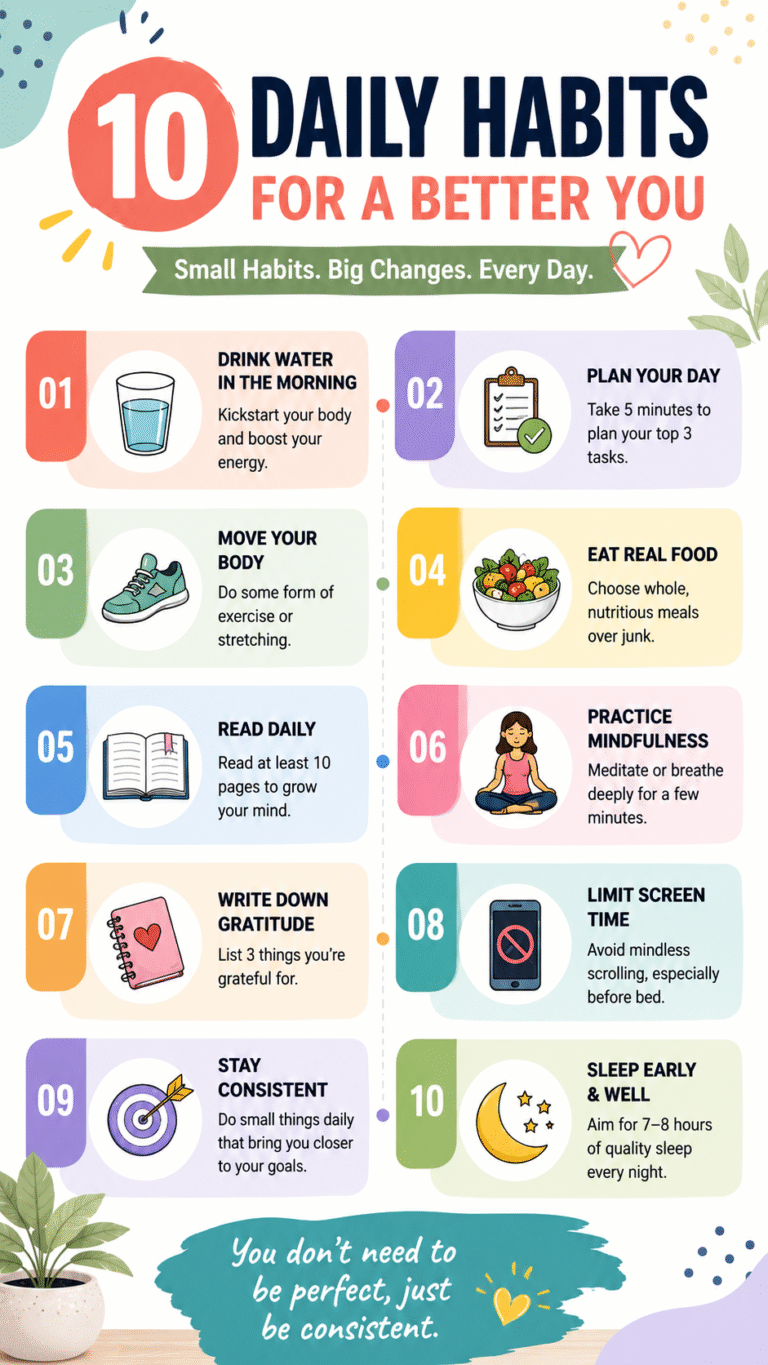
Food is powerful, but it is only one part of nervous system wellness. Your daily habits can either support or strain your body’s natural balance. Sleep, movement, breathing, sunlight, hydration, and stress management all play a role.
Try combining nourishing meals with simple daily rituals. Take a short walk, drink enough water, stretch your body, practice slow breathing, and create a calming bedtime routine. These habits can help your body use good nutrition more effectively.
Helpful Daily Habits
- Eat regular meals with protein, fiber, and healthy fats.
- Limit highly processed snacks when possible.
- Prioritize quality sleep.
- Move your body in a way you enjoy.
- Practice calming routines during stressful moments.
At a Glance
- Walnuts, flax seeds, and avocado offer healthy fats.
- Spinach, almonds, and pumpkin seeds provide magnesium.
- Broccoli adds vitamins, fiber, and plant compounds.
- Dark chocolate can be a mindful antioxidant-rich treat.
- Consistency is more important than perfection.
Conclusion: Nourish Your Nervous System Naturally
Supporting your nervous system naturally starts with everyday choices. Foods like walnuts, almonds, pumpkin seeds, flax seeds, spinach, broccoli, dark chocolate, and avocado offer a practical foundation for brain-friendly, nerve-supporting nutrition. They are easy to find, simple to prepare, and flexible enough to fit into many meals.
The goal is not to follow a perfect diet. The goal is to build a routine that helps you feel nourished, steady, and energized. Start with one or two foods from this list, then add more variety over time. Small choices can create a meaningful difference when practiced consistently.
Tags
Nervous System Health Brain Foods Healthy Eating Natural Wellness Magnesium Foods Healthy Fats Nutrition Tips