How to Stay Calm Under Stress 5 Simple Tips for Anxiety Relief and Mental Wellness
Stress is a natural part of life. Whether it comes from work deadlines, family responsibilities, financial concerns, or unexpected challenges, everyone experiences moments when pressure feels overwhelming. The good news is that staying calm during stressful situations is a skill that can be developed. By practicing simple techniques and creating healthy habits, you can improve your ability to manage stress, think clearly, and maintain emotional balance even when life feels demanding.
When stress takes over, it often affects both the mind and body. Racing thoughts, muscle tension, fatigue, irritability, and difficulty concentrating are common responses. Learning practical ways to calm yourself can help you regain control, reduce anxiety, and improve your overall well-being.
Key Takeaways
- Deep breathing helps calm the nervous system and reduce tension.
- Focusing on one small step prevents overwhelm and improves clarity.
- Short breaks can boost productivity and mental energy.
- Writing down thoughts helps organize emotions and reduce stress.
- Hydration and light movement support both physical and mental wellness.
- Consistent self-care habits make stressful situations easier to manage.
Understanding Why Stress Feels Overwhelming
Stress is the body’s natural response to challenges or perceived threats. When you encounter a stressful situation, your brain activates a survival mechanism often called the fight-or-flight response. This reaction increases heart rate, sharpens focus, and releases stress hormones designed to help you react quickly.
While this response can be useful during emergencies, modern stressors are often ongoing rather than immediate threats. Continuous exposure to stress can leave you feeling exhausted, anxious, and emotionally drained.
Understanding that stress is a normal biological response can help reduce self-judgment. Instead of viewing stress as a personal weakness, it becomes easier to approach it as a challenge that can be managed with healthy strategies.
Important: Stress itself is not always harmful. The real difference lies in how you respond to it. Developing calming habits can transform stressful moments into opportunities for growth, resilience, and better decision-making.
The Power of Deep Breathing
One of the fastest and most effective ways to calm your mind is through controlled breathing. Breathing exercises require no equipment, can be done almost anywhere, and provide immediate benefits.
When people become stressed, breathing often becomes shallow and rapid. This can increase feelings of anxiety and tension. Slowing your breath sends a signal to your nervous system that you are safe, helping your body relax.
A Simple Breathing Technique
- Inhale slowly for four seconds.
- Hold your breath for two seconds.
- Exhale gently for six seconds.
- Repeat the cycle four to five times.
This simple exercise encourages relaxation and can help reduce racing thoughts. Many people notice a difference within just a few minutes.
Deep breathing is particularly useful before important meetings, difficult conversations, presentations, or any situation where stress levels are rising.
Stop Overthinking and Focus on the Next Step
One of the biggest contributors to stress is overthinking. When faced with a challenge, the mind often jumps ahead to worst-case scenarios or becomes overwhelmed by everything that needs to be done.
Instead of trying to solve every problem at once, focus on the next manageable action. Breaking large challenges into smaller tasks creates a sense of progress and reduces mental pressure.
Why Small Steps Matter
Large goals can feel intimidating because they require multiple decisions and actions. Small steps, however, are easier to handle and create momentum.
- Identify the most important task.
- Complete one action at a time.
- Avoid multitasking when possible.
- Celebrate small wins along the way.
Progress often comes from consistency rather than perfection. Focusing on one step at a time allows your mind to remain calm and productive.
Why This Matters
- Overthinking increases stress without solving problems.
- Small actions create momentum and build confidence.
- Focusing on what you can control reduces anxiety.
The Importance of Taking Short Breaks
Many people believe that pushing through stress without stopping is productive. In reality, continuous work often leads to mental fatigue, reduced focus, and burnout.
Short breaks allow your brain to recover and recharge. Even five to ten minutes away from a stressful task can improve concentration and creativity.
Effective Ways to Use a Break
- Take a short walk.
- Stretch your muscles.
- Drink water.
- Listen to calming music.
- Step outside for fresh air.
- Practice mindful breathing.
Regular breaks help prevent mental exhaustion and support long-term productivity. Instead of viewing breaks as lost time, consider them an investment in your performance and well-being.
Pro Tip: Schedule short breaks before you feel overwhelmed. Preventive self-care is often more effective than trying to recover after stress has already become intense.
Writing Your Thoughts for Mental Clarity
Journaling is a powerful yet often overlooked stress management tool. Writing your thoughts down helps move worries from your mind onto paper, making them feel more manageable.
When thoughts remain unorganized, they can repeatedly cycle through your mind and increase anxiety. Journaling creates structure and allows you to process emotions more effectively.
Simple Journaling Prompts
- What is causing stress right now?
- What can I control in this situation?
- What is one positive step I can take today?
- What am I grateful for?
- What have I learned from recent challenges?
You do not need to write long entries. Even a few minutes of reflection can provide clarity and emotional relief.
Many people find that journaling improves self-awareness, emotional regulation, and problem-solving skills over time.
Hydration and Movement: Simple Tools for a Better Mood
Stress management is not only about mindset. Physical health plays a major role in emotional well-being. Two simple habits that are often underestimated are drinking enough water and staying physically active.
Dehydration can contribute to fatigue, headaches, and difficulty concentrating. Similarly, long periods of inactivity may increase feelings of sluggishness and tension.
Benefits of Drinking Water
- Supports brain function.
- Improves focus and concentration.
- Helps regulate energy levels.
- Supports overall physical health.
Benefits of a Short Walk
- Reduces muscle tension.
- Improves circulation.
- Boosts mood naturally.
- Provides a mental reset.
- Encourages mindfulness and reflection.
Even a brief walk around your neighborhood, office, or home can have a surprisingly positive effect on your emotional state.
Building Long-Term Emotional Resilience
Staying calm during stressful situations is not about eliminating stress entirely. Instead, it is about developing resilience. Emotional resilience is the ability to adapt, recover, and continue moving forward despite challenges.
Resilient individuals still experience stress, but they have strategies that help them respond effectively.
Habits That Strengthen Resilience
- Maintain healthy sleep routines.
- Exercise regularly.
- Practice mindfulness.
- Build supportive relationships.
- Set realistic expectations.
- Focus on solutions rather than problems.
The more consistently you practice these habits, the stronger your ability to handle future challenges becomes.
Important: Resilience is not about being unaffected by difficulties. It is about recovering, adapting, and continuing forward while taking care of your mental and emotional health.
Creating a Personal Calm-Down Routine
Having a simple routine can make it easier to manage stress before it escalates. When stress appears, it can be difficult to decide what to do in the moment. A pre-planned strategy removes guesswork and encourages healthy responses.
Example Calm-Down Routine
- Pause and take five deep breaths.
- Drink a glass of water.
- Write down your main concern.
- Identify one small action step.
- Take a five-minute walk or stretch break.
- Return to the task with a clearer mindset.
This routine takes only a short amount of time but can significantly reduce feelings of overwhelm.
When to Seek Additional Support
While self-care techniques are valuable, there are times when stress becomes difficult to manage alone. Persistent anxiety, ongoing emotional distress, sleep problems, or difficulty functioning in daily life may indicate the need for additional support.
Talking to a trusted friend, family member, mentor, or qualified mental health professional can provide guidance and perspective. Seeking help is a sign of strength and self-awareness.
Remember that everyone needs support at different points in life. Reaching out can be an important step toward better emotional well-being.
Quick Points
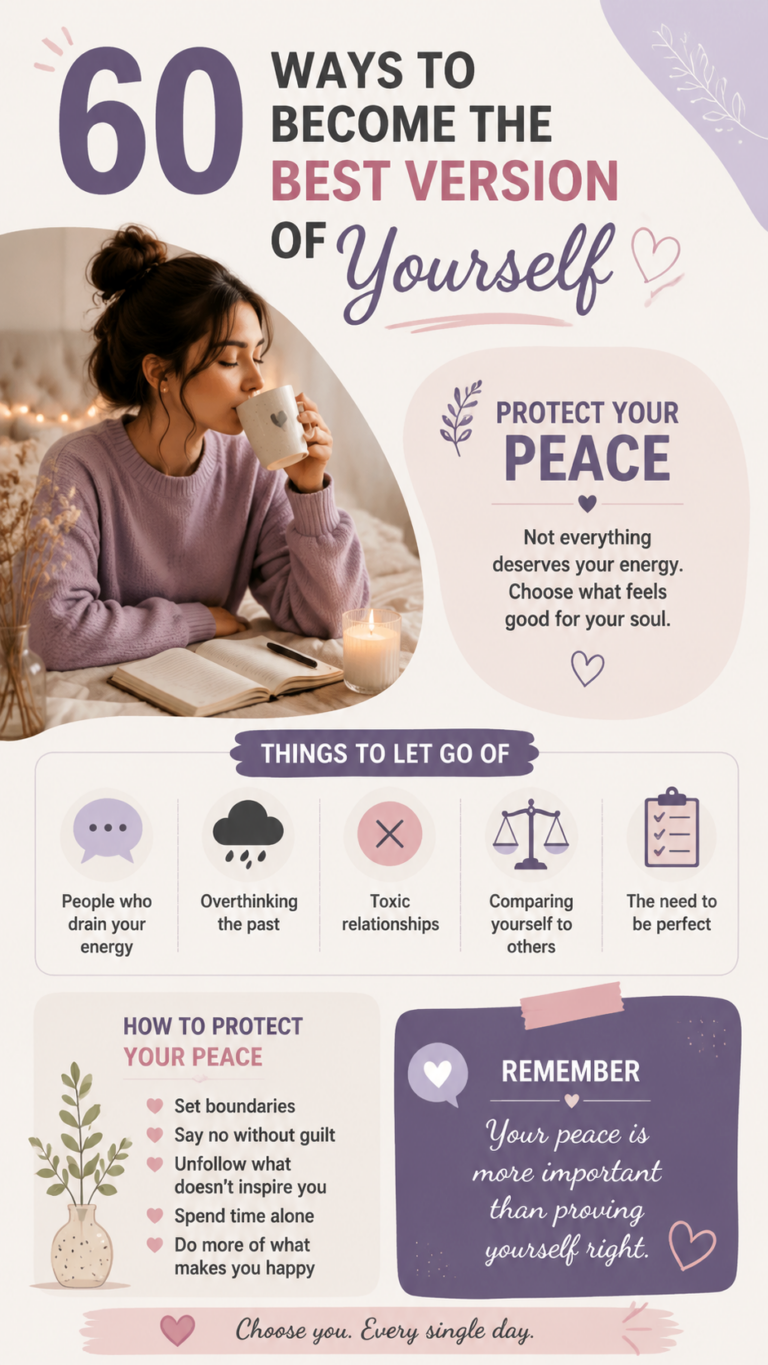
- Use deep breathing to calm your nervous system quickly.
- Focus on one manageable step instead of the entire problem.
- Take regular breaks to maintain productivity and focus.
- Journal thoughts to gain clarity and emotional balance.
- Stay hydrated and move your body throughout the day.
Conclusion
Stressful situations are unavoidable, but feeling overwhelmed does not have to be. By incorporating practical techniques such as deep breathing, avoiding overthinking, taking short breaks, journaling, staying hydrated, and moving your body regularly, you can create a healthier response to life’s challenges.
Learning how to stay calm under pressure is a valuable life skill that supports mental wellness, emotional resilience, and better decision-making. Small daily habits often produce the biggest long-term results. Start with one simple strategy today and gradually build a routine that helps you stay balanced, focused, and confident during stressful moments.
Tags
Stress Relief Mental Wellness Self Care Mindfulness Anxiety Relief Emotional Wellness Healthy Habits Personal Growth