How to Have the Best School Year Study Tips, Organization Student Success Guide
Every student dreams of having a successful, organized, and enjoyable school year. While there is no such thing as a truly perfect school year, developing the right habits can make a huge difference in academic performance, personal growth, and overall well-being. Success at school is not about perfection. It is about consistency, preparation, healthy routines, and maintaining a positive mindset throughout the year.
Whether you are starting a new grade, entering high school, heading to college, or simply looking to improve your study habits, creating a balanced approach can help you stay motivated and confident. From organizing your schedule to taking care of your mental health, small daily actions often lead to the biggest long-term results.
Key Takeaways
- Stay organized with planners, schedules, and checklists.
- Develop consistent study habits instead of cramming.
- Prioritize sleep, hydration, and self-care.
- Maintain a positive mindset and celebrate progress.
- Set realistic goals that keep you motivated.
- Balance productivity with enjoyable activities.
Why School Success Starts With Organization
Organization is often the foundation of academic success. When assignments, deadlines, and study materials are easy to find, students spend less time feeling stressed and more time focusing on learning.
One of the simplest ways to stay organized is by using a planner. Whether it is a paper planner, notebook, calendar, or digital app, writing down assignments and important dates helps prevent forgotten tasks.
Creating designated spaces for studying can also improve productivity. A clean desk reduces distractions and allows your brain to focus more effectively. Even spending a few minutes each day tidying your study area can make a noticeable difference.
Important: Students often underestimate how much mental energy is saved by being organized. A clear workspace and structured schedule reduce stress and create more room for learning, creativity, and confidence.
Simple Organization Habits to Build
- Write assignments down immediately.
- Use folders for different subjects.
- Review your schedule every morning.
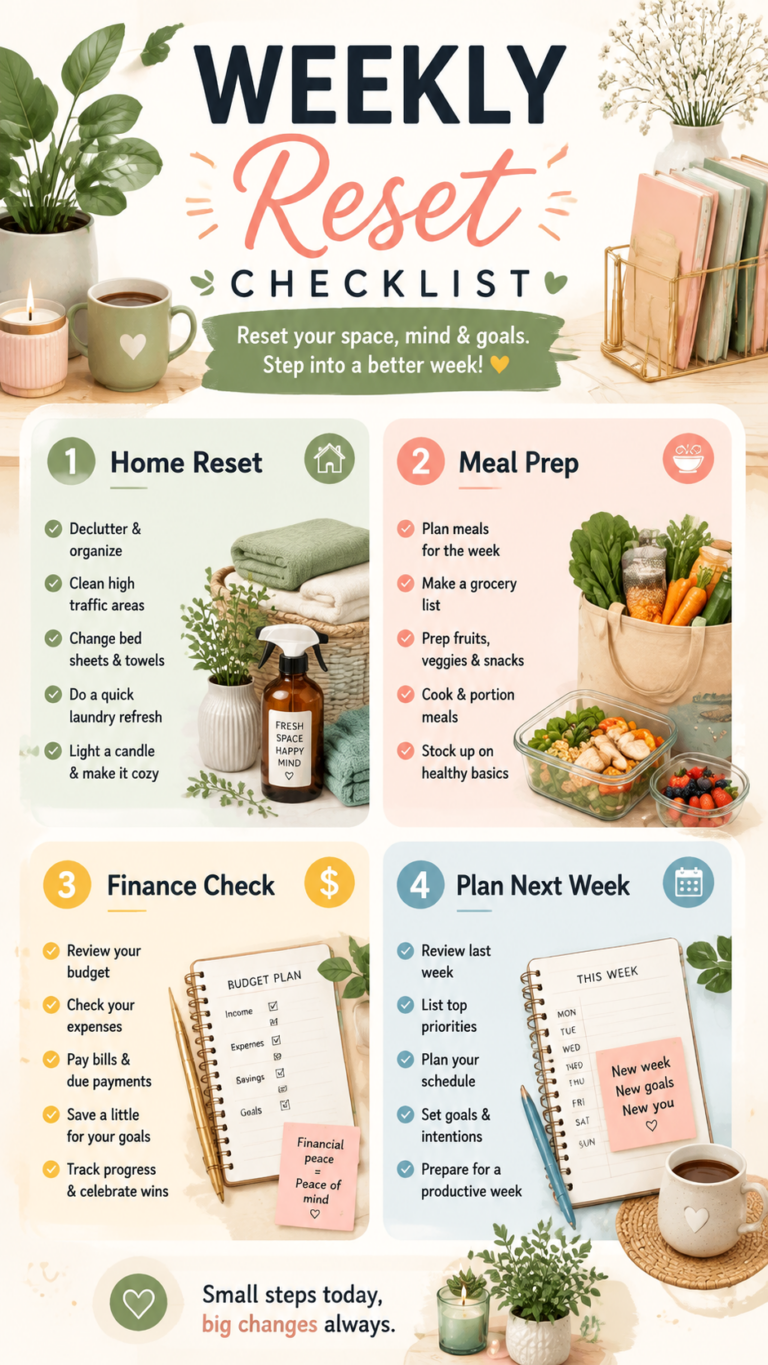
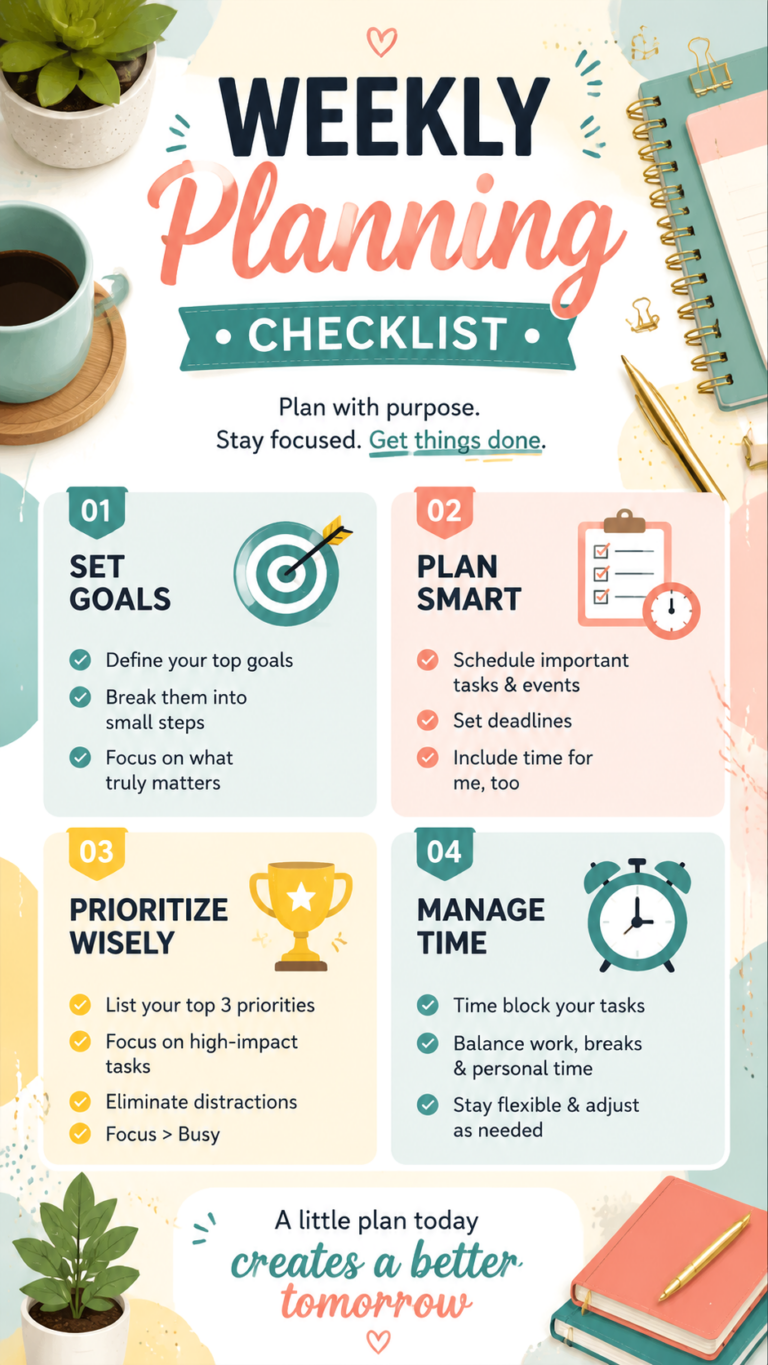
- Create weekly checklists.
- Keep school supplies organized.
- Color-code important tasks and deadlines.
Building Strong Study Habits
Successful students are not always the smartest students. More often, they are the most consistent. Establishing effective study habits can improve understanding, retention, and confidence throughout the school year.
Instead of waiting until the night before a test, review class material regularly. Short, frequent study sessions tend to be more effective than long periods of last-minute cramming.
Taking organized notes during class can also make studying much easier later. Good notes provide a clear summary of important information and help students engage actively during lessons.
Study Techniques That Work
- Review notes daily.
- Use flashcards for memorization.
- Practice active recall.
- Break large projects into smaller tasks.
- Teach concepts to someone else.
- Set dedicated study times each week.
Consistency matters far more than occasional bursts of motivation. Even twenty focused minutes each day can produce significant results over time.
Expert Insight
Students who review material regularly throughout the semester often experience lower stress levels before exams because learning becomes a continuous process rather than a last-minute challenge.
The Power of Consistency Over Perfection
Many students place enormous pressure on themselves to achieve perfect grades or flawless performance. While ambition can be beneficial, perfectionism often creates unnecessary stress and disappointment.
The most successful approach is focusing on consistency. Showing up every day, completing assignments, reviewing lessons, and improving gradually creates sustainable growth.
Progress rarely happens in a straight line. Some days will be productive, while others may feel challenging. What matters most is continuing forward despite setbacks.
Pro Tip: Aim for steady improvement instead of perfection. Small gains repeated consistently throughout the year often lead to remarkable academic and personal growth.
How to Stay Consistent
- Create routines that are easy to maintain.
- Set realistic daily goals.
- Track progress weekly.
- Reward yourself for completing milestones.
- Focus on habits instead of outcomes.
Taking Care of Your Physical Health
Academic success is closely connected to physical well-being. Students who neglect sleep, nutrition, and hydration often experience lower concentration levels and reduced energy.
Getting enough sleep is one of the most important habits for school performance. Sleep supports memory, focus, learning, and emotional regulation. While schedules can become busy, prioritizing adequate rest should remain a top priority.
Staying hydrated throughout the day can also improve concentration and reduce fatigue. Keeping a reusable water bottle nearby serves as a simple reminder to drink water regularly.
Healthy Habits for Students
- Sleep at least 8 hours whenever possible.
- Drink water consistently throughout the day.
- Eat balanced meals and snacks.
- Take movement breaks during study sessions.
- Spend time outdoors when possible.
Physical health supports mental performance. When your body feels good, your ability to learn and focus improves significantly.
Protecting Your Mental and Emotional Well-Being
School can be rewarding, but it can also feel overwhelming at times. Assignments, exams, social situations, and future plans may create pressure. Learning how to manage stress is an essential life skill.
Taking regular breaks helps maintain productivity and prevents burnout. Even short periods of rest can improve concentration and restore mental energy.
Students should also remember that asking for help is a sign of strength, not weakness. Teachers, counselors, family members, and friends can often provide support when challenges arise.
Important: Academic achievement is valuable, but mental health matters just as much. Sustainable success comes from balancing productivity with self-care and emotional well-being.
Ways to Reduce School Stress
- Practice deep breathing exercises.
- Break large tasks into smaller steps.
- Take regular study breaks.
- Talk about challenges with trusted people.
- Maintain hobbies outside of school.
Developing a Positive Mindset
Your mindset can influence how you approach challenges, setbacks, and opportunities. Students who believe they can improve through effort often remain motivated even when faced with difficulties.
Instead of comparing yourself to others, focus on your own progress. Every student learns at a different pace and has unique strengths.
Celebrating small victories can also increase motivation. Finishing an assignment, improving a test score, or mastering a difficult concept are all achievements worth recognizing.
Positive Mindset Practices
- Celebrate progress regularly.
- Practice gratitude.
- Replace negative self-talk with encouragement.
- View mistakes as learning opportunities.
- Focus on effort and growth.
Setting Meaningful School Year Goals
Goals provide direction and motivation throughout the school year. Rather than setting vague objectives, create specific and measurable targets that encourage steady progress.
Academic goals might include improving grades, completing assignments on time, or developing stronger study habits. Personal goals could involve making new friends, joining clubs, improving confidence, or exploring new interests.
Writing goals down increases accountability and helps track progress throughout the year.
Examples of School Year Goals
- Improve performance in a challenging subject.
- Read more books during the semester.
- Participate actively in class discussions.
- Join a club or extracurricular activity.
- Build stronger time management skills.
- Create a consistent homework routine.
Making School More Enjoyable
School should not be only about assignments and exams. Finding ways to make learning enjoyable can increase motivation and improve the overall experience.
Personalizing notebooks, organizing colorful study materials, listening to appropriate background music while studying, and creating comfortable study environments can make schoolwork feel more engaging.
Friendships, extracurricular activities, and creative projects also contribute to a fulfilling school year. Some of the most valuable lessons happen outside traditional classroom assignments.
Remember to enjoy the journey rather than focusing solely on results. Building memories, developing skills, and discovering interests are all important parts of the educational experience.
Fun Ways to Stay Motivated
- Create aesthetic study spaces.
- Use colorful stationery.
- Reward yourself after completing tasks.
- Study with friends when appropriate.
- Track achievements visually.
At a Glance
- Organization creates structure and reduces stress.
- Consistent study habits outperform last-minute cramming.
- Sleep, hydration, and self-care support academic success.
- A positive mindset encourages resilience and growth.
- Balancing productivity and enjoyment leads to a better school experience.
Conclusion
A great school year is not defined by perfection. It is built through organization, healthy habits, consistent effort, and a willingness to keep learning. Students who focus on steady progress rather than unrealistic expectations often experience greater success and satisfaction throughout the year.
By staying organized, taking care of your physical and mental health, developing effective study habits, and maintaining a positive outlook, you can create a school experience that feels productive, rewarding, and enjoyable. The small choices you make each day have the power to shape your future, so start with simple habits, stay consistent, and remember that growth happens one step at a time.
Tags
School Tips Student Success Study Habits School Organization Back to School Student Productivity Academic Goals Study Motivation