
Prediabetes Food List What to Eat and Avoid for Blood Sugar Control
Prediabetes can feel like a wake-up call, but it can also be the beginning of a more confident, energized way of eating. The good news is that a prediabetes-friendly diet is not about bland meals, strict restriction, or giving up everything you enjoy. It is about choosing foods that support steadier blood sugar, better fullness, and long-term wellness.
A helpful prediabetes food list usually focuses on whole foods, fiber-rich carbohydrates, lean proteins, healthy fats, and unsweetened drinks. It also encourages limiting refined carbs, sugary beverages, heavily processed foods, and high-fat options that can make healthy eating harder over time. With the right grocery choices and simple meal planning habits, eating for blood sugar balance can become practical and enjoyable.
Key Takeaways
- Choose non-starchy vegetables often because they are naturally low in carbs and high in nutrients.
- Pair carbohydrates with lean protein or healthy fat to support steadier blood sugar.
- Swap refined grains for whole grains like oats, brown rice, barley, quinoa, and whole wheat bread.
- Limit sugary beverages, packaged snacks, processed meats, and sweetened condiments.
- Use this food list as a meal planning guide, not a strict rulebook.
Understanding Prediabetes and Food Choices
Prediabetes means blood sugar levels are higher than normal, but not high enough to be diagnosed as type 2 diabetes. Food choices matter because meals and snacks directly influence blood glucose levels. That does not mean carbohydrates are “bad.” It means the type, portion, and pairing of carbs can make a big difference.
For example, a bowl of sugary cereal and a glass of fruit juice can raise blood sugar quickly. A bowl of oatmeal topped with berries and nuts is very different. It contains fiber, healthy fats, and slower-digesting carbohydrates, which can make it a better option for many people managing prediabetes.
Important: A prediabetes diet is not about perfection. It is about building meals that include more fiber, protein, and minimally processed ingredients while reducing foods that are high in added sugar, refined flour, and unhealthy fats.
Best Non-Starchy Vegetables for Prediabetes
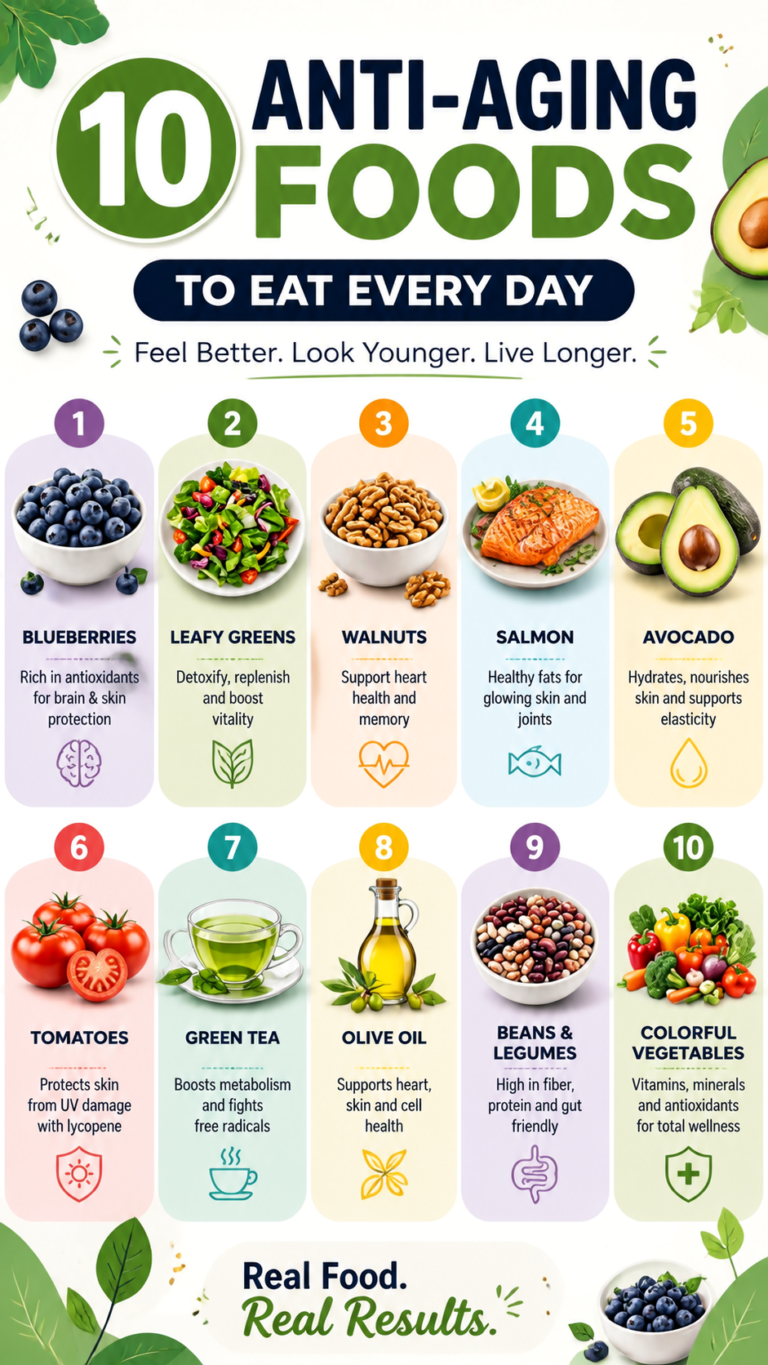
Non-starchy vegetables are some of the most useful foods to include in a prediabetes-friendly eating plan. They are filling, nutrient-dense, and versatile. They also add volume to meals without adding a heavy carbohydrate load.
Great choices include spinach, kale, broccoli, Brussels sprouts, tomatoes, cucumbers, green beans, cauliflower, and zucchini. These vegetables can be eaten raw, roasted, steamed, sautéed, or added to soups, omelets, grain bowls, and salads.
Easy Ways to Eat More Vegetables
- Add spinach or kale to scrambled eggs.
- Use cauliflower rice as a base for stir-fries.
- Roast broccoli, zucchini, and Brussels sprouts for meal prep.
- Snack on cucumber slices or raw veggies with hummus.
- Add tomatoes and green beans to soups or stews.
Fruits That Fit a Prediabetes Meal Plan
Fruit can absolutely be part of a prediabetes-friendly diet. The key is choosing whole fruit more often than juice and paying attention to portions. Whole fruits contain fiber, water, vitamins, minerals, and antioxidants.
Helpful options include apples, berries, pears, citrus fruits, kiwi, grapefruit, cherries, plums, oranges, and peaches. Berries are especially popular because they are flavorful, colorful, and easy to add to breakfast or snacks.
Try pairing fruit with protein or healthy fat. Apple slices with nut butter, berries with Greek yogurt, or a small orange with a handful of nuts can be more satisfying than fruit alone.
Lean Proteins That Help Keep You Full
Protein is important for satiety, muscle maintenance, and balanced meals. Lean protein foods can help slow digestion when paired with carbohydrates, which may support steadier energy after eating.
Good options include skinless poultry, tofu, tempeh, eggs, beans, fish, and lean cuts of beef or pork. Fatty fish like salmon, tuna, and mackerel also provide omega-3 fats, making them a smart choice for heart-conscious meal planning.
Protein Pairing Ideas
- Eggs with sautéed spinach and whole grain toast.
- Grilled chicken with quinoa and roasted vegetables.
- Salmon with barley and a cucumber tomato salad.
- Tofu stir-fry with green beans and brown rice.
- Greek yogurt with berries and flaxseed.
Expert Insight
One of the simplest meal-building strategies is to combine fiber-rich carbohydrates, lean protein, and healthy fat. This combination can make meals more filling and may help reduce the urge to snack on sugary or refined foods later.
Whole Grains to Enjoy More Often
Whole grains are different from refined grains because they retain more fiber and nutrients. This makes them a better choice for many people looking to manage blood sugar and improve the overall quality of their diet.
Prediabetes-friendly whole grain options include quinoa, brown rice, wild rice, barley, oats, whole grain pasta, whole wheat bread, bulgur, and millet. These foods can be part of balanced meals when portions are reasonable and they are paired with protein and vegetables.
Pro Tip: Instead of removing carbs completely, upgrade them. Choose oats instead of sugary cereal, brown rice instead of white rice, and whole wheat bread instead of white bread.
Low-Fat Dairy and Smart Dairy Choices
Dairy foods can provide protein, calcium, and other nutrients. For a prediabetes-focused food list, lower-fat and unsweetened options are often preferred over full-fat or heavily sweetened products.
Good choices include skim milk, low-fat yogurt, Greek yogurt, reduced-fat cheese, fat-free sour cream, low-fat buttermilk, unsweetened almond milk, and kefir. When choosing yogurt or milk alternatives, check the label for added sugar. Some flavored products can contain more sugar than expected.
Better Dairy Habits
- Choose plain Greek yogurt and add berries for natural sweetness.
- Use reduced-fat cheese in moderate amounts.
- Pick unsweetened milk alternatives when possible.
- Limit flavored milk, whipped cream, and regular ice cream.
Healthy Fats That Support Balanced Eating
Healthy fats can make meals satisfying and flavorful. They are not carb-heavy, but portions still matter because fats are calorie-dense. The goal is to choose better fat sources most of the time.
Examples include olive oil, canola oil, almonds, cashews, pistachios, flaxseed, avocado, omega-3 eggs, and fatty fish such as salmon, tuna, and mackerel. These ingredients can be used in salads, snacks, breakfast bowls, and main meals.
For example, a salad with grilled chicken, avocado, olive oil dressing, and plenty of vegetables can feel satisfying while still being nutrient-rich. A small handful of nuts can also be a convenient snack when portioned ahead of time.
Healthy Snacks for Prediabetes
Snacking can either support your goals or make blood sugar management more difficult. The best snacks usually include protein, fiber, or healthy fat instead of mostly refined carbohydrates.
Smart snack options include raw vegetables with hummus, Greek yogurt, nuts and seeds, air-popped popcorn, and wholemeal crackers with cheese. These choices are simple, practical, and easy to keep on hand.
Snack Ideas That Feel Satisfying
- Carrot sticks and cucumber slices with hummus.
- Plain Greek yogurt with cinnamon and berries.
- Air-popped popcorn with a sprinkle of seasoning.
- Whole grain crackers with reduced-fat cheese.
- A small handful of nuts with a piece of fruit.
Foods to Limit or Avoid with Prediabetes
Some foods are best limited because they tend to be high in added sugar, refined carbohydrates, saturated fats, sodium, or highly processed ingredients. Avoiding them completely is not always realistic, but reducing how often they appear in your routine can make a meaningful difference.
Fatty and Fried Foods
Fried foods, fast food, high-fat dairy, baked goods, snack foods, fatty cuts of meat, creamy sauces, and certain solid fats like margarine can make meals heavier and less supportive of overall metabolic health. Choose grilled, baked, steamed, or roasted foods more often.
Processed Foods
Processed foods such as frozen meals, canned convenience foods, packaged snacks, instant foods, packaged drinks, and packaged baked goods can be high in sodium, added sugar, refined flour, and unhealthy fats. Reading labels can help you choose better options when convenience matters.
Processed Meats
Bacon, sausage, hot dogs, pepperoni, smoked meat, deli meats, jerky, and corned beef are common processed meats. They can be high in sodium and saturated fat, so it is smart to limit them and choose lean, minimally processed proteins more often.
Refined Carbohydrates
White bread, white rice, white flour, corn flakes, white tortillas, couscous, sugary cereals, pastries, sugary snacks, and desserts can raise blood sugar more quickly than fiber-rich alternatives. Try swapping them with whole grains, beans, vegetables, and fruit.
Important: Sugary drinks are one of the easiest places to start making changes. Regular soda, sweetened tea, fruit juices with added sugar, energy drinks, sport drinks, packaged drinks, and flavored coffee can add a large amount of sugar without helping you feel full.
Watch Out for Sweetened Condiments
Condiments may seem small, but they can add hidden sugar and sodium to otherwise healthy meals. Ketchup, barbecue sauce, sweet chili sauce, honey mustard, teriyaki sauce, tartar sauce, sweet pickle relish, and some salad dressings can quickly increase the sugar content of a meal.
Better options may include vinegar-based dressings, olive oil and lemon juice, plain mustard, herbs, spices, salsa without added sugar, or homemade sauces where you control the ingredients.
How to Build a Prediabetes-Friendly Plate
A simple plate method can make meal planning easier. Start with non-starchy vegetables, add a lean protein, include a moderate portion of whole grains or starchy food, then finish with a small serving of healthy fat.
- Half the plate: non-starchy vegetables like broccoli, spinach, cucumbers, tomatoes, zucchini, or cauliflower.
- One quarter: lean protein such as fish, chicken, tofu, beans, eggs, or tempeh.
- One quarter: whole grains such as brown rice, quinoa, oats, barley, or whole wheat pasta.
- Add-on: healthy fat like avocado, olive oil, nuts, seeds, or fatty fish.
This method keeps meals balanced without requiring complicated counting. It is also flexible enough for different cuisines and personal preferences.
Sample Meal Ideas for Prediabetes
Breakfast
Try oatmeal topped with berries, flaxseed, and a spoonful of Greek yogurt. Another option is eggs with spinach, tomatoes, and a slice of whole wheat toast.
Lunch
Build a bowl with quinoa, grilled chicken or tofu, cucumbers, tomatoes, green beans, and olive oil dressing. You can also make a whole wheat wrap with lean protein and plenty of vegetables.
Dinner
Choose baked salmon with roasted Brussels sprouts and barley, or a vegetable-packed stir-fry with tofu and brown rice. Keep sauces light and avoid heavily sweetened condiments.
Snacks
Reach for Greek yogurt, nuts, air-popped popcorn, raw vegetables with hummus, or wholemeal crackers with cheese.
At a Glance
- Enjoy more vegetables, fruits, lean proteins, whole grains, low-fat dairy, and healthy fats.
- Limit fried foods, processed meats, refined carbs, sweet drinks, and sugary condiments.
- Focus on simple swaps rather than extreme restrictions.
- Plan snacks with protein, fiber, or healthy fat for better satisfaction.
Conclusion: A Prediabetes Food List Can Make Healthy Eating Easier
Eating for prediabetes does not need to feel complicated. A clear food list can make grocery shopping, meal prep, and daily choices much easier. Focus on colorful non-starchy vegetables, whole fruits, lean proteins, whole grains, low-fat dairy, healthy fats, and balanced snacks. At the same time, limit refined carbohydrates, sugary beverages, fried foods, processed meats, packaged snacks, and sweetened sauces.
The most effective approach is usually the one you can repeat. Start with one or two simple changes, such as switching from white bread to whole wheat bread or replacing soda with water. Over time, these small habits can help create a more balanced, blood sugar-friendly lifestyle that feels realistic and sustainable.
Tags
Prediabetes Diet Blood Sugar Control Healthy Food List Low Glycemic Foods Diabetes Prevention Healthy Meal Planning Whole Foods