10 Natural Herbs That Heal Best Remedies for Pain, Bloating, and Nausea Relief
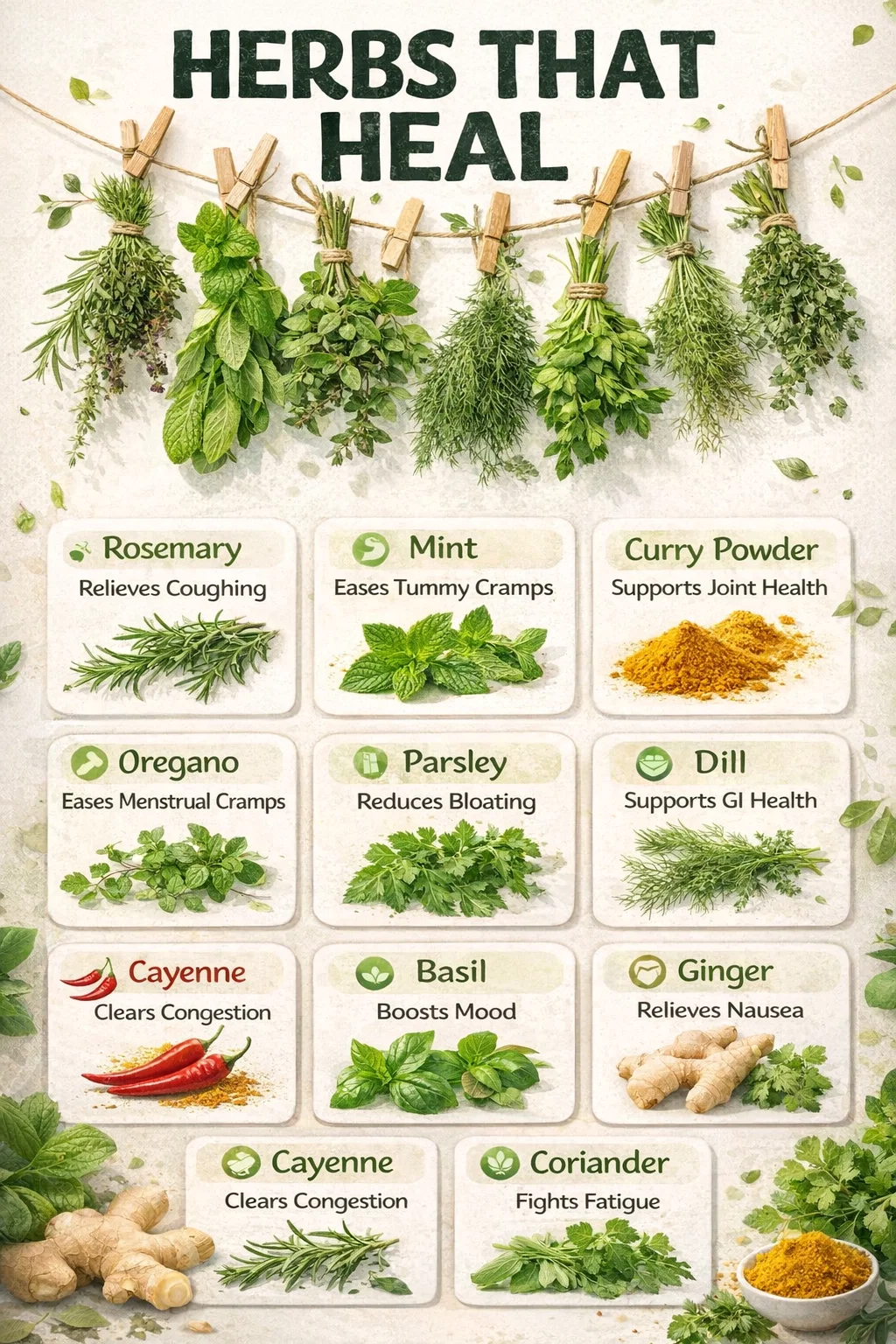
In a world where we often reach for a plastic bottle or a synthetic tablet at the first sign of discomfort, there is something deeply grounding and incredibly powerful about returning to the earth for our healing. For centuries, across every culture and continent, herbs have served as the primary pharmacy for humanity. The image of dried herbs hanging from a simple clothesline is not just an aesthetic choice for a rustic kitchen; it is a symbol of a timeless tradition that prioritizes gentle, effective, and natural wellness. Today, we are rediscovering what our ancestors always knew: that the secrets to longevity, comfort, and vitality are often growing right in our own backyards or sitting in our pantry jars.
Harnessing the power of plants is both an art and a science. It is about understanding how the eucalyptol in rosemary can clear a heavy chest or how the gingerol in a fresh root of ginger can settle a rebellious stomach. This guide is designed to help you navigate the wonderful world of medicinal herbs and spices, showing you how to turn everyday culinary ingredients into a powerhouse of natural relief. Let us explore the remarkable benefits of these botanical wonders and learn how you can integrate them into your daily life for a healthier, more balanced existence.
The Respiratory Powerhouse: Rosemary and Cayenne
When the seasons change and the air grows cold, our respiratory systems are often the first to feel the strain. Instead of immediately reaching for over the counter decongestants that can leave you feeling foggy, look to the sharp, woody aroma of rosemary and the fiery heat of cayenne pepper. These two staples are remarkable for their ability to clear the airways and provide much needed comfort during a bout of coughing or congestion.
Rosemary for Coughing and Congestion
Rosemary is far more than just a seasoning for roasted potatoes. It contains a specific compound called eucalyptol, which has been scientifically studied for its ability to loosen chest congestion. By helping to thin and expel phlegm, rosemary makes it easier for your body to clear out irritants. Beyond its respiratory benefits, rosemary is packed with anti-inflammatory tannins. These compounds work to soothe a sore, scratchy throat, providing a layer of protection and relief when you are feeling under the weather. A simple rosemary steam or a warm tea can be a game changer during flu season.
Cayenne for Instant Sinus Relief
If you have ever eaten a particularly spicy meal and felt your nose start to run, you have experienced the power of cayenne firsthand. This is due to capsaicin, the active component that gives chili peppers their heat. Capsaicin works by deactivating substance P, a neurotransmitter that is closely linked to inflammation. By reducing inflammation in the nasal passages, cayenne helps to alleviate sinus pressure and congestion almost instantly. While it might feel intense for a moment, the relief it provides for a blocked nose is unparalleled in the natural world.
Digestive Harmony: Mint, Ginger, and Parsley
The digestive tract is often referred to as the second brain of the body. When it is out of balance, everything else feels off. From bloating after a heavy meal to the sudden onset of nausea or painful tummy cramps, digestive issues can be incredibly disruptive. Fortunately, some of the most effective remedies for these ailments are sitting right in your herb garden or produce drawer.
Peppermint for Tummy Cramps
Peppermint is perhaps the most famous herb for digestive health, and for good reason. It contains menthol, a natural plant compound that acts as an antispasmodic. This means it helps to relax the smooth muscles of the intestinal tract, which reduces the painful spasms that cause tummy cramps. Whether you choose a cooling cup of peppermint tea or use a high quality oil, this herb is a gentle yet effective way to settle a racy digestive system. Interestingly, research suggests it can reduce belly discomfort by a significant margin, making it a staple for anyone with a sensitive stomach.
Ginger for Nausea and Motion Sickness
Ginger is a true medicinal heavy hitter. The active compounds, gingerol and shogaol, work directly on the digestive tract to reduce spasms and calm the signals that trigger nausea. In many studies, ginger has been shown to perform as well as, or even better than, standard motion sickness medications without the side effect of drowsiness. It is an essential remedy for morning sickness, travel, or general digestive upset. Keeping a piece of fresh ginger root in the freezer ensures you always have a remedy ready to be grated into hot water.
Parsley for Natural Bloating Relief
Parsley is often relegated to the side of the plate as a garnish, but it deserves center stage for its health benefits. It is rich in apiol and myristicin, which act as natural diuretics. These compounds help the body release excess water and prevent salt from being reabsorbed into the tissues. If you find yourself feeling bloated or heavy after a salty meal, incorporating fresh parsley into your diet can help your body flush out that extra fluid, leaving you feeling lighter and more energized.
Managing Pain and Inflammation Naturally
Chronic pain and inflammation are some of the most common health complaints today. While modern medicine offers many solutions, many people are looking for ways to manage their discomfort without relying solely on pharmaceuticals. Curry powder and oregano offer surprising benefits for those dealing with joint pain and menstrual discomfort.
Curry Powder and the Magic of Curcumin
The vibrant yellow color of curry powder comes from turmeric, which contains a powerful anti-inflammatory compound called curcumin. Curcumin works by inhibiting the body’s production of prostaglandin E2, an inflammatory compound that can make our nerves oversensitive to pain. For those suffering from joint and muscle pain, the regular consumption of curry or turmeric can be as effective as some prescription medications in blunting discomfort. To get the most out of your curry powder, always remember to consume it with a bit of black pepper and a healthy fat, as this significantly increases the absorption of curcumin.
Oregano for Menstrual Relief
Oregano is usually associated with pizza and pasta sauce, but it has a secret life as a powerful aid for women’s health. It contains thymol and carvacrol, two compounds that help to relax the uterine muscles. By preventing the painful contractions that cause menstrual cramps, oregano can provide significant relief during that time of the month. Some studies suggest that consuming fresh oregano daily during menstruation can drastically reduce or even eliminate the need for other pain relievers. It is a simple, herbal way to take control of your monthly cycle.
Total Body Wellness: Dill, Basil, and Coriander
True health is about more than just fixing a specific ailment; it is about supporting the body’s systems as a whole. Dill, basil, and coriander (also known as cilantro) offer benefits that range from protecting the GI tract to improving our mental state and detoxifying the blood.
Dill for a Healthy GI Tract
Dill is more than just a flavoring for pickles. Scientists have discovered that dill contains limonene, which acts as a natural antimicrobial agent. In some cases, it can work as effectively as prescription antibiotics at killing harmful intestinal bacteria like E. coli. By keeping the bacterial balance of the gut in check, dill supports long term gastrointestinal health and boosts the immune system, which is largely housed in the gut.
Basil for Boosting Your Mood
If you are feeling a bit low, the scent of fresh basil might be exactly what you need. Basil contains eugenol and rosmarinic acid, compounds that help the brain increase its production of dopamine and serotonin. These are the feel good chemicals that regulate our mood and happiness. Research has shown that regularly incorporating basil into your diet can lead to a sunnier outlook and improved mental clarity in as little as three days. It is a delicious way to support your mental health.
Coriander for Detoxification and Fatigue
Coriander, or cilantro, is a powerful detoxifier. It contains carboxylic acid, which has the unique ability to bind to heavy metals like mercury in the bloodstream and carry them out of the body. Heavy metal buildup is a hidden cause of chronic fatigue, joint pain, and even depression. By helping to clear these toxins, coriander can help reverse the toxin buildup that leaves you feeling sluggish and tired. Adding a handful of fresh cilantro to your smoothies or salads is an easy way to support your body’s natural detoxification processes.
How to Incorporate Healing Herbs into Your Daily Routine
Knowing the benefits of these herbs is the first step, but the real magic happens when you start using them consistently. You do not need to be a master herbalist to enjoy the rewards of these plants. Here are a few simple ways to bring more herbal healing into your life.
- Herbal Infusions: Steep fresh or dried herbs like mint, ginger, or rosemary in hot water for 10 minutes. This is a gentle way to extract their beneficial oils and enjoy a soothing beverage.
- Culinary Creativity: Be generous with your spices. Add extra basil to your pesto, more coriander to your tacos, and a healthy dose of curry powder to your soups and stews.
- Topical Applications: For joint pain, a paste made of turmeric and water can be applied directly to the skin. For respiratory issues, inhaling the steam from a bowl of hot water infused with rosemary can provide immediate relief.
- Fresh is Often Best: Whenever possible, use fresh herbs. They generally contain higher levels of volatile oils and active compounds than their dried counterparts.
It is also important to remember that while herbs are natural, they are also potent. If you are pregnant, nursing, or taking prescription medications, it is always a good idea to consult with a healthcare professional before making significant changes to your diet or starting a new herbal regimen. Herbs should complement a healthy lifestyle, not replace professional medical advice when it is needed.
Conclusion: Returning to the Roots of Health
The journey toward better health does not always require a trip to the pharmacy. Often, the most profound healing begins in the kitchen. By understanding the unique properties of herbs like rosemary, ginger, basil, and coriander, we can take a proactive role in our own wellness. These plants offer us a way to manage pain, settle our digestion, clear our minds, and boost our energy using the tools that nature has provided.
As you move forward, try to view your spice rack and herb garden not just as flavor enhancers, but as a vibrant, living toolkit for a better life. Start small by picking one or two herbs that resonate with your current needs and find ways to enjoy them daily. Over time, you will likely find that you feel more connected to your body and more empowered in your health journey. Nature has always been our greatest healer; all we have to do is reach out and embrace what it has to offer.