16 Warning Signs Your Body Needs More Nutrients Fast
Feeling tired, cold, foggy, or unusually hungry can be frustrating, especially when you are trying to eat well and take care of yourself. Many everyday symptoms may be connected to nutrition habits, hydration, sleep, stress, or lifestyle patterns. While one symptom does not automatically mean you have a deficiency, your body often gives subtle clues when it needs more support.
This guide explores common signs that your body may be asking for more nourishment, including low energy, sugar cravings, dry skin, weak nails, headaches, bloating, muscle cramps, poor focus, and feeling run down. The goal is not to self-diagnose, but to help you notice patterns, make more balanced food choices, and understand when it may be time to speak with a healthcare professional.
Key Takeaways
- Cold hands, fatigue, brain fog, and hair changes may be linked to nutrient gaps, but they can also have many other causes.
- Iron, vitamin D, magnesium, omega-3 fats, protein, zinc, potassium, fiber, and B vitamins all support everyday wellness.
- Hydration and calorie intake matter just as much as vitamins and minerals.
- Food-first nutrition is usually a smart foundation before considering supplements.
- Persistent or severe symptoms should be discussed with a qualified healthcare provider.
What Your Body May Be Trying to Tell You
Your body is constantly working to keep you balanced. It needs enough calories, protein, healthy fats, vitamins, minerals, fiber, and fluids to support energy, hormones, immune function, skin health, muscle function, and mental clarity. When those needs are not consistently met, you may start noticing small changes.
These changes can look different from person to person. One person may feel exhausted, while another may experience cravings, poor concentration, or dry skin. The key is to look at the full picture. Are you eating enough? Are your meals balanced? Are you drinking enough water? Have your symptoms lasted more than a few days?
Important: Symptoms like dizziness, hair loss, frequent headaches, fatigue, and mood changes can come from many causes, including stress, sleep issues, hormones, medications, illness, or medical conditions. Nutrition can be part of the picture, but it should not replace proper medical advice.
Always Cold: Could Iron Be Involved?
Feeling cold all the time, especially in your hands and feet, is often associated with poor circulation, low body weight, thyroid concerns, or low iron levels. Iron helps your body make hemoglobin, a protein in red blood cells that carries oxygen. When your body does not have enough iron, oxygen delivery may be less efficient, which can contribute to fatigue and feeling chilled.
Iron-rich foods include lean red meat, poultry, fish, lentils, beans, tofu, spinach, pumpkin seeds, and fortified cereals. Pairing plant-based iron foods with vitamin C foods, such as citrus, bell peppers, strawberries, or tomatoes, can help improve absorption.
Hair Loss and Iron
Hair shedding can be stressful, and low iron is one possible nutritional factor. Hair growth depends on adequate oxygen, protein, minerals, and overall calorie intake. If you notice sudden or significant hair loss, it is worth checking in with a professional, especially if it comes with fatigue, pale skin, dizziness, or shortness of breath.
Constant Fatigue and the Role of Vitamin D
Fatigue is one of the most common wellness complaints, and it can be linked to many factors. Vitamin D is often discussed because it supports immune health, bone strength, mood regulation, and muscle function. Low vitamin D levels may contribute to feeling sluggish or low, especially for people who get limited sunlight exposure.
Food sources of vitamin D include fatty fish, egg yolks, fortified dairy products, fortified plant milks, and some mushrooms exposed to UV light. Sunlight can also help your body produce vitamin D, although factors like season, skin coverage, sunscreen use, location, and time indoors can affect this.
Pro Tip: If fatigue is ongoing, do not guess blindly. A simple conversation with your healthcare provider can help determine whether labs for vitamin D, iron, B12, thyroid function, or other markers are appropriate.
Sugar Cravings, Anxiety, and Magnesium
Magnesium plays a role in hundreds of processes in the body, including muscle contraction, nerve signaling, blood sugar regulation, and stress response. When meals are low in minerals, protein, and fiber, cravings may become more intense. Sugar cravings can also appear when you are under-eating, stressed, sleeping poorly, or relying on quick carbohydrates without enough protein and healthy fat.
Magnesium-rich foods include pumpkin seeds, almonds, cashews, spinach, black beans, dark chocolate, avocado, whole grains, and bananas. Adding these foods to meals and snacks can help support steadier energy and a calmer routine.
Muscle Cramps and Potassium
Muscle cramps may be related to hydration, electrolyte balance, overuse, medications, or mineral intake. Potassium supports normal muscle and nerve function. Foods like bananas, potatoes, sweet potatoes, beans, lentils, spinach, yogurt, oranges, and avocado can help increase potassium through diet.
Why This Matters
Cravings, cramps, and mood shifts are often treated as willpower problems, but they can be signals that meals need more balance. Protein, fiber, healthy fats, hydration, and mineral-rich foods can make a meaningful difference in how steady you feel throughout the day.
Brain Fog, Poor Focus, and Omega-3s
Brain fog can feel like slow thinking, forgetfulness, low motivation, or difficulty concentrating. It may be related to sleep, stress, dehydration, blood sugar swings, or nutrient intake. Omega-3 fatty acids are important fats that support brain and heart health. They are often found in foods like salmon, sardines, trout, tuna, chia seeds, flaxseeds, walnuts, and algae-based options.
Poor focus may also be connected to vitamin B12, especially for people who eat little or no animal products. Vitamin B12 supports nerve health and red blood cell production. Common sources include fish, meat, eggs, dairy, fortified nutritional yeast, and fortified plant-based foods.
Simple Focus-Friendly Meal Idea
Try building a plate with salmon or tofu, leafy greens, roasted sweet potato, olive oil dressing, and a side of berries. This combination brings together protein, healthy fats, fiber, antioxidants, and steady carbohydrates.
Dry Skin, Weak Nails, and Healthy Fats
Skin and nails can reflect overall nutrition, hydration, and lifestyle. Dry skin may appear when your diet lacks healthy fats, when you are not drinking enough fluids, or when environmental factors like cold air and harsh soaps strip moisture. Healthy fats support cell membranes and help the body absorb fat-soluble vitamins.
Great sources of healthy fats include avocado, olive oil, nuts, seeds, salmon, sardines, eggs, and nut butters. These foods can make meals more satisfying while supporting skin, hormones, and overall wellness.
Weak nails are often associated with repeated water exposure, nail treatments, aging, or nutrient patterns. Biotin is frequently mentioned for nail health, but protein, iron, zinc, and overall diet quality also matter. Eggs, nuts, seeds, legumes, salmon, sweet potatoes, and whole grains can all be helpful additions to a nail-supportive diet.
Important: Beauty-related symptoms are often slow to improve because hair and nails grow gradually. Focus on consistent nourishment over several weeks or months rather than expecting overnight changes.
Frequent Headaches and Dehydration
Headaches can have many triggers, but dehydration is one of the simplest factors to check. When fluid intake is low, you may also notice dizziness, dry mouth, darker urine, low energy, or difficulty concentrating. Water needs vary depending on body size, climate, activity level, caffeine intake, and overall diet.
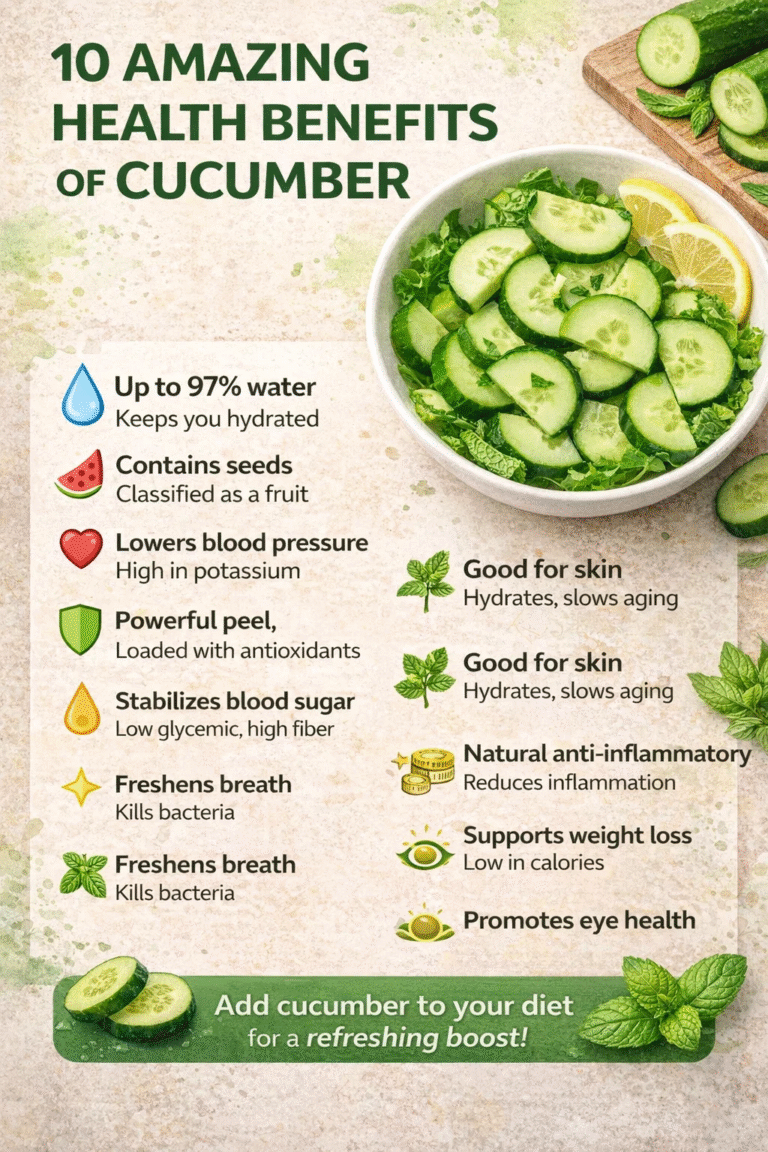
Hydrating foods can support your fluid intake too. Cucumbers, watermelon, oranges, berries, soups, leafy greens, and yogurt all contribute fluids. If you sweat a lot, exercise frequently, or live in a hot climate, electrolytes from foods and beverages may also help.
Dizziness and Low Calories
Dizziness can be more serious and should be taken seriously, especially if it is sudden, frequent, or paired with fainting, chest pain, weakness, or confusion. From a nutrition perspective, dizziness may happen when someone skips meals, eats too little, or goes too long without balanced carbohydrates and protein.
A balanced snack such as Greek yogurt with fruit, whole-grain toast with nut butter, hummus with crackers, or eggs with avocado can help stabilize energy between meals.
Bloating and Low Fiber
Bloating is common and can be linked to digestion, eating speed, food intolerances, carbonated drinks, constipation, stress, or changes in fiber intake. Low fiber can slow digestion and make it harder to stay regular. Fiber supports gut health, helps feed beneficial gut bacteria, and contributes to steady blood sugar.
Fiber-rich foods include oats, beans, lentils, berries, apples, pears, chia seeds, flaxseeds, vegetables, quinoa, brown rice, and whole-grain bread. If you currently eat very little fiber, increase it gradually and drink enough water. Adding too much fiber too quickly may make bloating worse at first.
Easy Fiber Boosts
- Add chia seeds or ground flaxseed to oatmeal or smoothies.
- Choose beans or lentils as a protein source a few times per week.
- Snack on fruit with nuts instead of low-fiber packaged snacks.
- Fill half your plate with colorful vegetables when possible.
Getting Sick Often and Zinc
If you feel like you catch every cold going around, it may be time to look at sleep, stress, hygiene habits, protein intake, vitamin D, vitamin C, and zinc. Zinc supports normal immune function and wound healing. It is found in oysters, beef, poultry, beans, chickpeas, pumpkin seeds, cashews, yogurt, and fortified foods.
Immune-supportive eating is not about one magic food. It is about consistently getting enough protein, colorful plants, minerals, healthy fats, and fluids. A strong routine matters more than a single supplement or trendy wellness hack.
Slow Metabolism and Low Protein
The phrase “slow metabolism” is often used to describe low energy, weight changes, sluggish digestion, or difficulty building muscle. Protein is important because it helps maintain muscle tissue, supports fullness, and plays a role in repair and recovery. Eating too little protein, especially while dieting or skipping meals, can leave you feeling unsatisfied and low in energy.
Protein sources include eggs, Greek yogurt, cottage cheese, poultry, fish, lean meats, tofu, tempeh, lentils, beans, edamame, protein-rich grains, nuts, and seeds. Most meals feel more complete when they include a clear protein source, a fiber-rich carbohydrate, healthy fat, and colorful produce.
Pro Tip: If you often feel hungry soon after eating, check whether your meal included enough protein and fiber. A plate of mostly refined carbohydrates may taste satisfying at first, but it often does not keep energy steady for long.
How to Build a More Nutrient-Dense Plate
Supporting your body does not require perfection. In fact, the most effective nutrition habits are usually simple, repeatable, and flexible. Start by improving the meals you already eat instead of trying to completely overhaul your routine overnight.
Use the Balanced Plate Method
- Protein: Choose eggs, fish, chicken, tofu, beans, yogurt, lentils, or lean meat.
- Fiber-rich carbs: Add oats, potatoes, brown rice, quinoa, fruit, or whole grains.
- Healthy fats: Include avocado, olive oil, nuts, seeds, or fatty fish.
- Colorful produce: Aim for vegetables and fruits in different colors.
- Hydration: Keep water nearby and sip throughout the day.
Think Food First, Supplements Second
Supplements can be helpful in certain situations, but they are not a replacement for a balanced diet. Some nutrients can be harmful in excessive amounts, and some supplements interact with medications. Before starting a new supplement routine, especially iron, vitamin D, zinc, or high-dose minerals, it is wise to get personalized guidance.
When to Seek Professional Guidance
It is helpful to notice symptoms, but it is also important not to panic. Many signs of nutrient imbalance overlap with common lifestyle issues. However, you should consider speaking with a healthcare provider if symptoms are persistent, worsening, sudden, or interfering with daily life.
Professional testing may help identify whether symptoms are linked to iron, vitamin D, B12, thyroid function, blood sugar, inflammation, or other health markers. A registered dietitian can also help you build a realistic nutrition plan based on your needs, preferences, budget, and lifestyle.
At a Glance
- Low energy may relate to vitamin D, iron, calories, sleep, or stress.
- Brain fog and poor focus may improve with hydration, omega-3s, B12, and steadier meals.
- Dry skin and weak nails may need more healthy fats, protein, and overall nourishment.
- Bloating may be linked to fiber, hydration, digestion, or food tolerance.
- Persistent symptoms deserve professional support, not guesswork.
Conclusion: Listen to Your Body With Curiosity, Not Fear
Your body communicates in many ways. Fatigue, cravings, dry skin, headaches, cramps, poor focus, and feeling run down can all be reminders to slow down and check the basics. Are you eating enough? Are your meals balanced? Are you getting protein, fiber, healthy fats, vitamins, minerals, and fluids consistently?
The best approach is practical and compassionate. Start with small upgrades: add a protein source to breakfast, drink more water, include colorful produce, choose mineral-rich snacks, and make room for healthy fats. These everyday choices can support energy, focus, digestion, skin health, immune function, and overall wellness.
Most importantly, do not ignore symptoms that persist or feel unusual for you. Nutrition is powerful, but it works best alongside proper care, adequate sleep, movement, stress management, and medical guidance when needed. Listen to your body, nourish it well, and build habits that help you feel stronger from the inside out.
Tags
Nutrition Tips Nutrient Deficiency Healthy Eating Vitamin Deficiency Wellness Energy Support Healthy Lifestyle Balanced Diet