
9 Best Vegetable Pairs for Vertical Gardening Easy Trellis Companion Planting Guide
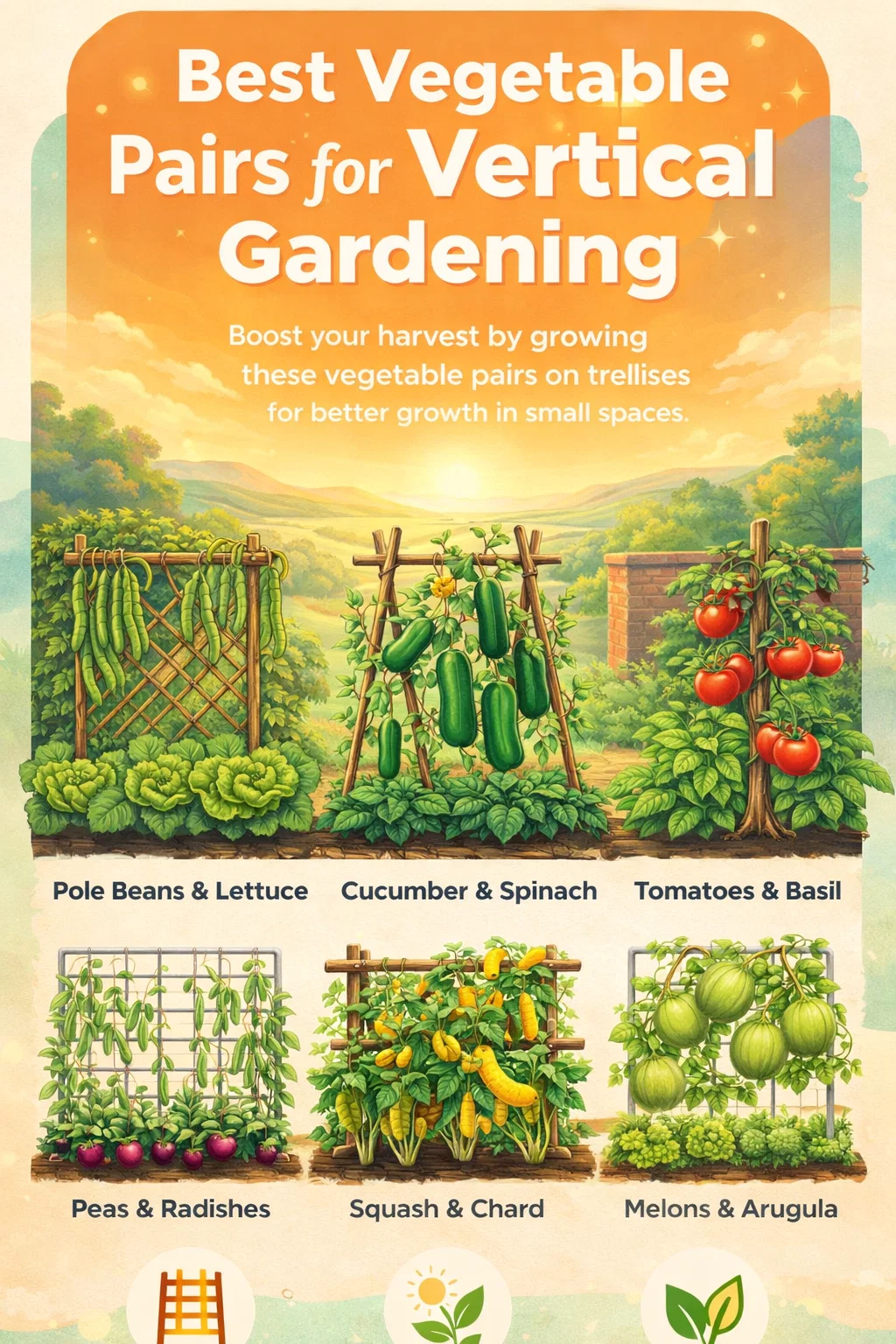
Vertical gardening is more than just a trend for urban dwellers or those with limited backyard space. It is a fundamental shift in how we approach home food production. By training your vegetables to grow upward rather than outward, you unlock a hidden dimension of your garden, allowing for better air circulation, fewer pests, and significantly higher yields. The image above showcases a masterclass in companion planting, specifically designed for vertical structures. It illustrates how we can pair tall, climbing specimens with ground hugging crops to create a symbiotic environment where every square inch of soil works double duty.
The Magic of Vertical Companion Planting
Companion planting is an age old gardening technique where different species are grown together for mutual benefit. When we take this concept and apply it to vertical supports like trellises, teepees, and mesh screens, the benefits multiply. The primary advantage is the creation of microclimates. Tall plants provide necessary shade for shorter, more delicate greens that might otherwise bolt or wither under the intense afternoon sun. This vertical layering mimics a natural forest ecosystem, leading to a healthier and more resilient garden bed.
Maximizing Your Harvest in Small Spaces
For many modern gardeners, the biggest constraint is space. Traditional row gardening requires significant square footage, which is a luxury many do not have. Vertical gardening flips the script. When you grow pole beans or cucumbers on a trellis, you free up the soil underneath. This “real estate” is perfect for fast growing crops like radishes or leafy greens. By using these pairs, you can essentially double your harvest without expanding the physical footprint of your garden beds.
Deep Dive into the Top Vegetable Pairs
Let us look closely at the specific pairings highlighted in our guide. These combinations are selected not just for how they look, but for how they interact biologically and physically within the garden environment.
Pole Beans and Lettuce
Pole beans are the kings of the trellis. They are vigorous climbers that produce a dense canopy of heart shaped leaves. This canopy serves as a natural umbrella. Lettuce, which often struggles with the heat of mid summer, thrives in the dappled sunlight provided by the bean vines. While the beans reach for the sky, the lettuce stays cool and crisp at their feet. Additionally, beans are legumes, meaning they help fix nitrogen in the soil, which leafy greens like lettuce crave for healthy leaf development.
Cucumbers and Spinach
Cucumbers are notorious for taking over a garden if left to crawl along the ground. By training them up a vertical support, you keep the fruit off the damp soil, which drastically reduces the risk of rot and powdery mildew. Beneath the cucumber vines, spinach finds its ideal home. Spinach is another cool weather crop that benefits from the shade. The large cucumber leaves act as a living mulch, keeping the soil moist and cool for the spinach roots.
Tomatoes and Basil
This is perhaps the most famous pairing in the gardening world, and for good reason. Tomatoes grown vertically on stakes or cages provide a sturdy backdrop for aromatic basil. Beyond the culinary perfection of this duo, basil is believed to repel certain pests that plague tomato plants, such as hornworms and aphids. Many gardeners also swear that planting basil near tomatoes actually improves the flavor of the fruit. It is a classic example of a partnership that works both above and below the ground.
Expanding Your Vertical Garden Horizons
The beauty of vertical gardening is its versatility. You are not limited to just one type of support or one type of plant. From simple wooden A frames to elaborate metal lattices, the structure you choose can define the aesthetic of your outdoor space.
Peas and Radishes
Peas are a wonderful early season crop. They use delicate tendrils to pull themselves up mesh fencing or twine. Because peas are light and airy, they do not cast a heavy shadow, which is perfect for radishes. Radishes are incredibly fast growers, often ready for harvest in just three to four weeks. They occupy the space beneath the peas and are usually harvested and eaten before the pea vines become too thick. It is a perfect example of temporal companion planting, where timing is just as important as placement.
Squash and Chard
Winter and summer squash are heavy feeders and typically need a lot of room. However, many varieties can be trained up heavy duty cattle panels or sturdy wooden frames. This keeps the heavy fruit supported and easy to see. Swiss chard, with its colorful stems and deep green leaves, is a hardy companion that can handle some shade but also enjoys the consistent moisture levels often found at the base of large squash plants. Chard is also quite ornamental, making this pair a beautiful addition to any edible landscape.
Melons and Arugula
Growing melons vertically might seem daunting due to the weight of the fruit, but with the help of small mesh slings or “hammocks,” it is entirely possible. Melons love the heat and full sun that a vertical trellis provides. Arugula, with its peppery bite, can be tucked into the base. Arugula tends to go to seed quickly in hot weather, but the shade from the melon vines can extend its growing season by several weeks, giving you more harvests of those spicy leaves.
Root Vegetables and Vertical Partners
It might seem counterintuitive to pair root vegetables with vertical climbers, but it is actually one of the smartest ways to manage soil health and space. Root crops occupy the subterranean level, while climbers take over the aerial space.
Beans and Beets
Beets are an excellent companion for bush or pole beans. While the beans are busy climbing their supports, the beets are developing their sweet, earthy roots underground. Beets do not mind a bit of shade during the hottest part of the day, which the bean vines provide. Because their root systems occupy different depths, they do not compete heavily for nutrients, allowing both to flourish simultaneously.
Cucumbers and Chives
Chives are a perennial herb that every gardener should have. When planted at the base of a cucumber trellis, they offer a permanent border that can help deter pests like cucumber beetles. The purple flowers of the chives also attract pollinators, which are essential for cucumber production. This pairing is low maintenance and highly effective for long term garden health.
Tomatoes and Carrots
The “tomatoes love carrots” theory is a staple in companion planting lore. Tomatoes grow tall and provide the light shade that carrots enjoy. Meanwhile, carrots help aerate the soil as they grow downward, making it easier for tomato roots to penetrate deeper into the earth. The leaf structure of carrots is fine and feathery, allowing air to circulate well around the base of the tomato plants, which is vital for preventing fungal issues.
Practical Tips for Vertical Success
Before you rush out to plant your seeds, there are a few practical considerations to keep in mind to ensure your vertical garden thrives throughout the season.
Choose the Right Support
Not all trellises are created equal. Heavy crops like squash and melons need rigid, strong structures like metal fencing or thick timber. Lighter climbers like peas or morning glory can get away with simple netting or twine. Make sure your support is anchored deeply into the ground to withstand wind and the weight of a full harvest.
Consistent Watering and Feeding
Because vertical gardens often pack more plants into a smaller space, they can deplete soil nutrients and moisture more quickly. Mulching the base of your plants is essential to retain water. Organic compost or a balanced liquid fertilizer should be applied regularly to keep both the climbers and the ground crops healthy and productive.
Observation and Pruning
Vertical gardening requires a bit more “hands on” management. You may need to help young vines find their way onto the trellis by gently tying them with soft garden twine. Additionally, pruning the lower leaves of plants like tomatoes and cucumbers can improve airflow even further and help the sun reach the companions growing underneath.
Conclusion: Elevate Your Garden Today
Vertical gardening with companion pairs is a rewarding way to bring more life and productivity to your home. It challenges us to think creatively about the space we have and rewards us with a lush, multi layered tapestry of food and flowers. Whether you are planting beans over lettuce or tomatoes over carrots, you are participating in a beautiful cycle of growth that honors the efficiency of nature. By following these pairings, you will not only save space but also create a healthier, more vibrant garden that provides a bounty for your table all season long. Start small, pick one or two pairs that you love to eat, and watch your garden reach new heights.