After Bath Hair Care Routine How to Get Soft, Healthy Frizz-Free Hair Hair Care Tips
Achieving salon-quality hair doesn’t always require expensive treatments or hours of professional styling. Often, the secret to those luscious, frizz-free locks lies in the small, intentional steps you take immediately after stepping out of the shower. When your hair is wet, it is at its most vulnerable state. The hair shaft expands, and the cuticle becomes slightly raised, making it prone to breakage, tangling, and long-term damage if handled roughly. By adopting a dedicated after-bath hair care routine, you can transform your hair texture, enhance its natural shine, and eliminate the frustration of stubborn frizz once and for all.
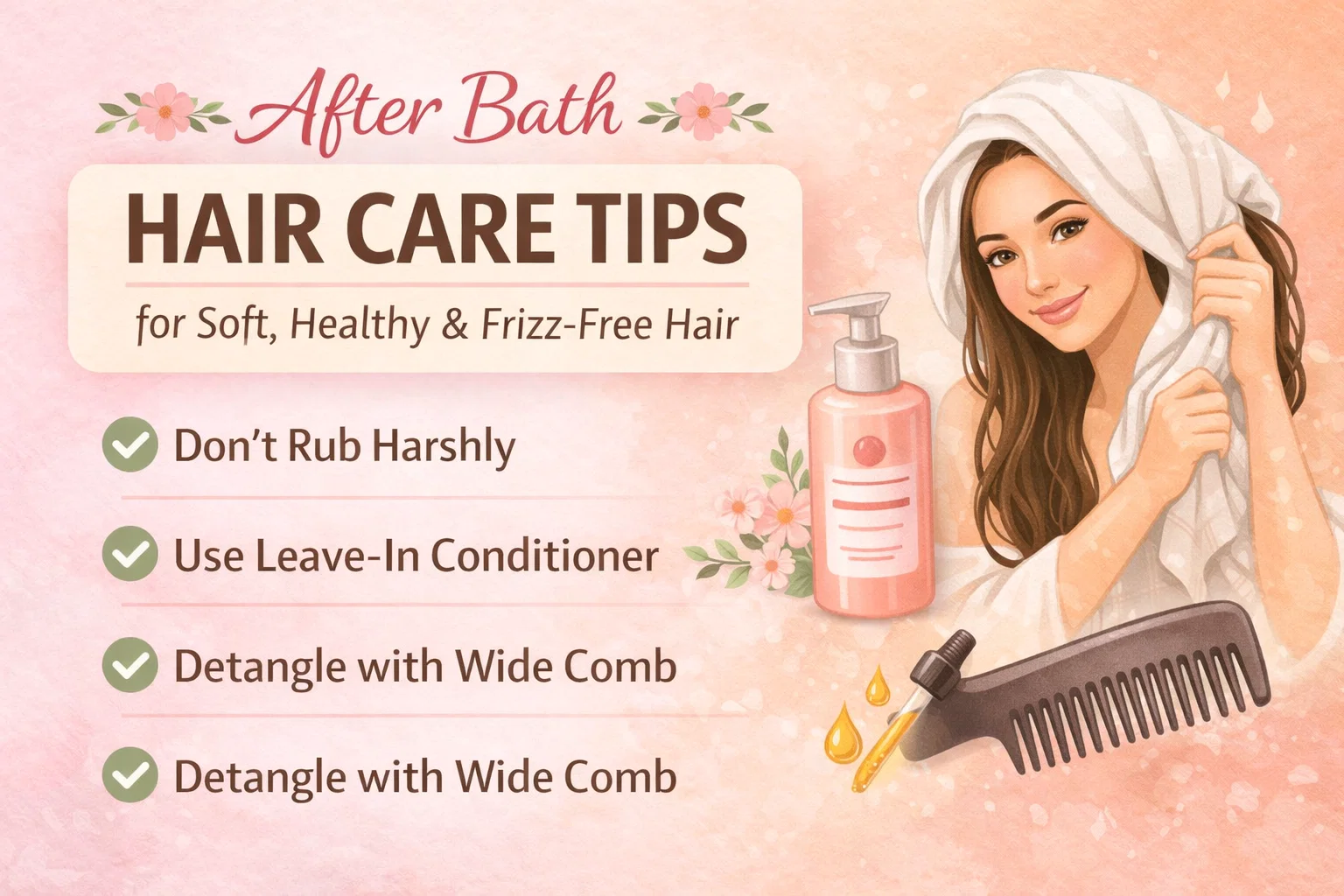
The Golden Rule of Drying: Gently Squeeze, Don’t Rub
Most of us grew up with the habit of vigorously rubbing a heavy terry cloth towel over our heads to get the water out as quickly as possible. However, this is one of the most damaging things you can do to your strands. The loops in a standard towel are often too coarse for wet hair, creating intense friction that leads to micro-tears in the hair shaft and immediate frizz. Instead of rubbing, the goal should be to gently remove excess moisture without disturbing the hair cuticle.
Switching to Microfiber or Cotton
To keep your hair smooth, consider swapping your traditional bath towel for a microfiber towel or even a clean cotton T-shirt. These materials have much finer fibers that absorb water efficiently without snagging the hair. Simply wrap the fabric around sections of your hair and gently squeeze. This method keeps the cuticle lying flat, which is the first step toward achieving that coveted healthy glow. By being patient during the drying phase, you significantly reduce the amount of mechanical damage your hair sustains on a daily basis.
The Essential Layer: Applying Leave-In Conditioner
Once your hair is no longer dripping wet but still damp, it is the perfect time to introduce moisture. A high-quality leave-in conditioner acts as a protective barrier, sealing the cuticle and providing much-needed hydration that lasts until your next wash. This step is particularly crucial for those with curly, wavy, or dry hair types that tend to lose moisture quickly as they dry.
Technique and Placement
When applying leave-in products, less is often more. Start with a coin-sized amount and rub it between your palms to ensure even distribution. Focus the product on the mid-lengths and the ends of your hair, as these are the oldest parts of the hair and the most prone to dryness and split ends. Always avoid the scalp area when applying conditioners or oils; your scalp produces its own natural oils, and adding extra product there can lead to a greasy appearance and clogged pores. By focusing on the ends, you ensure your hair stays bouncy and light rather than weighed down.
Detangling with Care: The Wide-Tooth Comb
Wet hair is significantly more elastic than dry hair, meaning it stretches further before it snaps. While this might sound like a good thing, stretching the hair too much weakens the internal structure. Using a standard fine-tooth brush on wet hair can pull at knots too harshly, leading to snapping and thinning over time. This is where a wide-tooth comb becomes your best friend in your post-wash routine.
The Bottom-Up Approach
The way you comb your hair is just as important as the tool you use. Never start at the roots and pull down through a tangle. This only compacts the knots and increases the risk of breakage. Instead, start detangling from the very ends of your hair, working your way upward in small sections. Once the ends are smooth, move up to the mid-lengths, and finally comb through from the roots. This method ensures that you are gently undoing tangles rather than forcing them through the length of your hair.
Sealing the Deal with Hair Serum
If you struggle with dullness or flyaways, a hair serum is the ultimate finishing touch for your damp hair. Serums are typically silicone or oil-based products designed to coat the surface of the hair, reflecting light and locking in the moisture you just added with your conditioner. They provide an extra layer of protection against environmental factors like humidity, which is the primary cause of frizz throughout the day.
Achieving the Perfect Shine
To avoid a heavy or oily look, use only one or two drops of serum. Warm the product in your hands and lightly glaze it over the surface of your hair, focusing again on the ends and any areas where you notice frizz. This creates a sleek, polished look that makes your hair look healthy and well-maintained. It also helps to smooth down any baby hairs or breakage along the crown without making the hair look flat.
The Air Dry vs. Heat Styling Debate
While we often rely on blow dryers for speed and volume, constant heat exposure is a leading cause of chronic hair dryness. Whenever possible, allowing your hair to air dry is the healthiest choice. This gives the hair time to settle into its natural shape without the stress of high temperatures. However, air drying isn’t always practical, especially if you have a busy morning or very thick hair that takes hours to dry.
Using Heat Safely
If you must use a hair dryer, always apply a heat protectant spray first. Use the dryer on a low or medium heat setting rather than the highest heat. Keeping the dryer at a distance of about six inches from your head and moving it constantly will prevent any one section from overheating. Using a nozzle attachment can also help direct the airflow downward along the hair shaft, which helps in keeping the cuticle closed and the hair looking smooth.
Weekly Habits for Extra Hair Care
Beyond the daily or every-other-day wash routine, your hair benefits immensely from a bit of extra attention a few times a week. Think of this as a “spa day” for your strands. These deeper treatments help to repair damage that accumulates from styling, sun exposure, and pollution.
Deep Conditioning and Trims
Applying a light hair oil or a dedicated hair mask once or twice a week can work wonders for hair elasticity and strength. Masks are more concentrated than regular conditioners and are designed to penetrate deeper into the hair shaft. Additionally, keeping up with regular trims every eight to twelve weeks is essential. Even with the best routine, split ends are inevitable. Trimming them off prevents the split from traveling further up the hair shaft, which keeps your hair looking thick and healthy from root to tip.
Common Mistakes: What Not to Do
Sometimes, what you stop doing is just as impactful as the new steps you take. There are several common post-shower habits that might be silently sabotaging your hair health. By identifying these mistakes, you can fast-track your way to better hair.
- Tying tight ponytails on wet hair: Wet hair is heavy and fragile. Using a tight elastic can cause “tension breakage” right where the band sits.
- Sleeping with wet hair: The friction between your wet hair and the pillowcase can cause severe matting and breakage. Furthermore, the damp environment can sometimes lead to scalp irritation or fungal issues.
- Overusing serum: While serum is great for shine, using too much will make your hair look stringy and attract more dirt and dust.
- Skipping conditioner: Even if you have oily hair, your ends need hydration. Skipping this step leaves the cuticle open and vulnerable.
Embracing Your Natural Texture
The goal of a great after-bath routine isn’t just to make your hair look like someone else’s; it is to make your specific hair type look its absolute best. Whether you have pin-straight hair that needs volume or tight curls that need definition, these foundational steps provide the healthy base required for any style. When your hair is properly hydrated and handled with care, it becomes much more manageable and responsive to whatever styling you choose to do.
Consistency is Key
You might not see a massive transformation after just one day, but consistency is the most important factor in hair care. Over the course of a few weeks, you will notice that your hair feels softer to the touch, looks shinier in the light, and requires less effort to style. By treating your hair with the same level of care you give your skin, you are investing in long-term health and beauty.
Conclusion: Your Path to Healthy Hair
Taking care of your hair after a bath doesn’t have to be a complicated or expensive process. By focusing on gentle drying, proper hydration, and careful detangling, you are addressing the most common causes of damage and frizz. Remember to be patient with your strands and listen to what they need. Some days might require a bit more moisture, while others might just need a simple air dry. With these steps in your beauty arsenal, you are well on your way to enjoying the soft, healthy, and vibrant hair you deserve. Start your new routine today and let your natural beauty shine through every strand.