9 Best Dwarf Fruit Trees for Pots Grow a Balcony Orchard With 6 Hours of Sun
Transforming a small balcony or a compact patio into a lush, productive orchard might seem like a dream reserved for those with rolling acres of land. However, the reality of modern gardening is that you do not need a massive backyard to enjoy the satisfaction of harvesting your own fresh fruit. With the right selection of dwarf fruit trees and a bit of container gardening magic, anyone with six hours of daily sunlight can cultivate a thriving edible landscape. The image of a vibrant balcony orchard filled with lemons, figs, and peaches is not just aspirational; it is entirely achievable with the right approach to pot-based cultivation.
The Rise of the Balcony Orchard
In recent years, urban gardening has evolved from a simple hobby into a lifestyle movement. As more people seek a connection with their food sources and look for ways to green their living spaces, the concept of the balcony orchard has taken center stage. Unlike traditional fruit trees that require deep soil and vast horizontal space, dwarf and patio varieties are specifically bred to remain compact while still producing full-sized, delicious fruit. This means that your vertical space and small square footage can become a powerhouse of nutrition and beauty.
The beauty of growing fruit in pots lies in the control it provides. You can hand-select the perfect soil mix, move your trees to follow the sun during different seasons, and protect them more easily from extreme weather or pests. Whether you are a seasoned gardener or a complete beginner, the container method simplifies the process of fruit production, making it accessible to apartment dwellers and homeowners alike.
Choosing the Best Fruit Trees for Containers
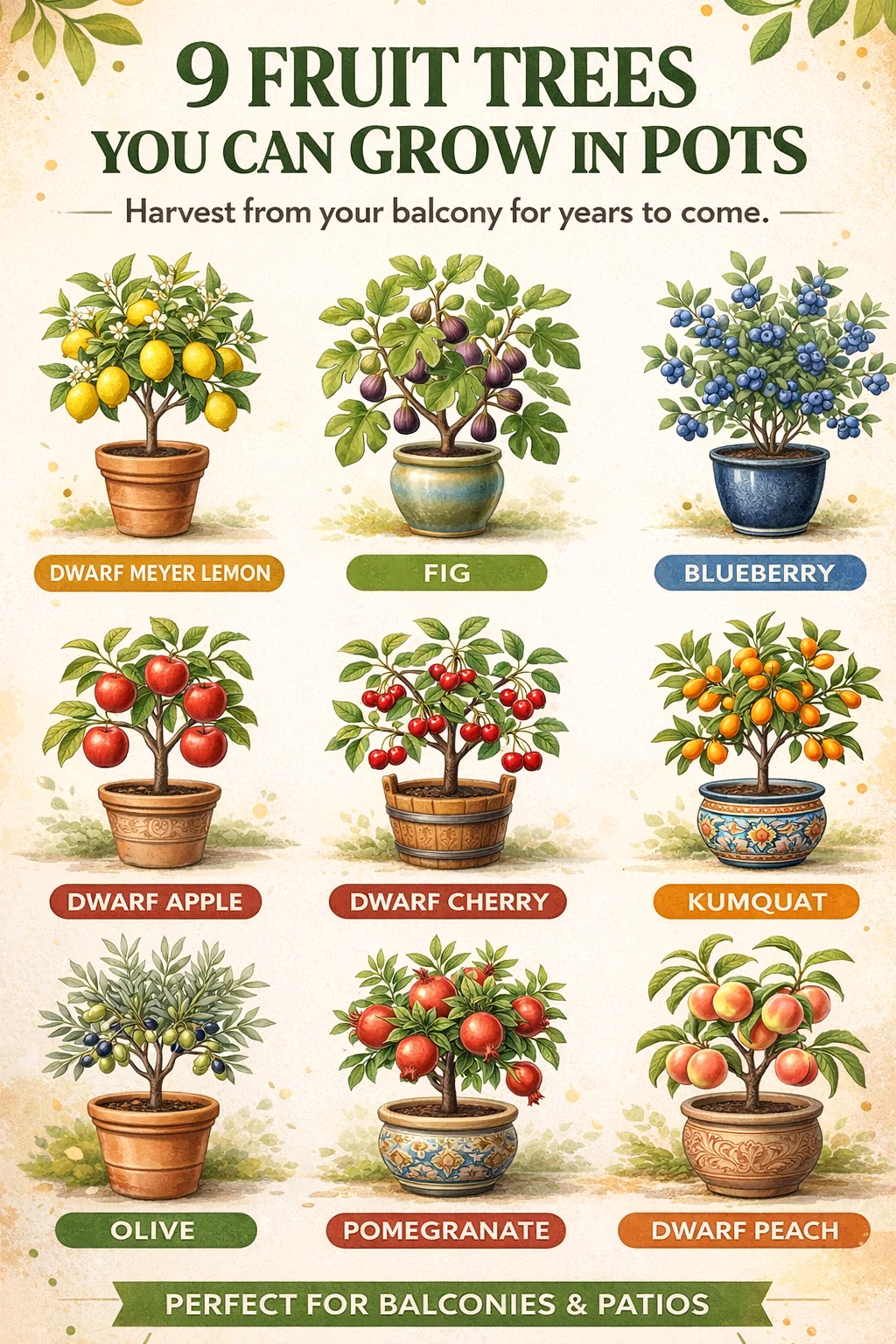
Success starts with selection. Not every fruit tree is happy in a pot, so focusing on varieties that are naturally small or grafted onto dwarfing rootstocks is essential. The following selections are tried and true winners for container life.
Dwarf Meyer Lemon
The Meyer Lemon is perhaps the most iconic choice for indoor-outdoor gardening. These trees are prized for their thin-skinned, slightly sweet fruit that is a cross between a traditional lemon and a mandarin orange. One of the greatest benefits of the Meyer Lemon is its ability to fruit and flower year-round. This means your balcony will often be filled with the incredible scent of citrus blossoms while bright yellow fruits hang like ornaments from the branches.
Dwarf Figs
Figs are naturally suited for container life because they actually prefer having their roots somewhat restricted. When planted in the ground, figs can become invasive and massive, but in a pot, the plant focuses its energy on fruit production rather than sprawling foliage. Varieties like the Brown Turkey or Celeste are incredibly hardy and can produce two crops a year in the right conditions. They offer a Mediterranean aesthetic that instantly upgrades the look of any balcony.
Blueberries in Pots
Blueberries are unique because they require highly acidic soil, which is often difficult to maintain in a traditional garden bed. By growing them in pots, you can use a specific ericaceous potting mix to ensure they get the pH level they need. Dwarf varieties like Top Hat or Sunshine Blue stay small and bushy, making them perfect for decorative pots. Plus, their foliage turns a stunning red in the autumn, providing multi-seasonal interest.
Key Requirements for Potted Fruit Success
While growing in pots is easier in many ways, it does require attention to a few specific environmental factors to ensure your trees do more than just survive; you want them to thrive and produce a heavy harvest.
The Golden Rule: 6 Hours of Sun
Sunlight is the fuel for fruit. Most fruit trees require a minimum of six hours of direct sunlight to develop the sugars necessary for sweet, flavorful fruit. If your balcony faces south or west, you are in a prime position. For those with slightly less light, choosing fruits like currants or certain varieties of plum might be more successful, but for the heavy hitters like lemons and peaches, the six-hour rule is non-negotiable.
Selecting the Right Containers
Size matters when it comes to the long-term health of your tree. While you might start a young sapling in a smaller pot, most dwarf fruit trees will eventually need a container that holds at least 10 to 15 gallons of soil. Drainage is the most critical feature of any pot. Fruit trees hate “wet feet,” which can lead to root rot. Ensure your containers have large drainage holes and consider using pot feet to allow air to circulate underneath.
Planting and Soil Essentials
Standard garden soil is too heavy for containers and can quickly become compacted, suffocating the roots. Instead, use a high-quality potting mix that includes perlite or vermiculite for aeration and peat moss or coconut coir for moisture retention. Adding a handful of organic compost at the time of planting provides a slow-release source of nutrients that will help the tree establish itself in its new home.
When planting, make sure the graft union (the bump on the lower trunk where the fruit variety was joined to the rootstock) remains above the soil line. Planting too deep can cause the trunk to rot or the tree to lose its dwarfing characteristics.
Watering and Feeding Your Potted Orchard
Containers dry out much faster than the ground. During the height of summer, your balcony trees may need watering every single day. The best way to check is the finger test: if the top inch of soil feels dry, it is time to water. Consistency is key, especially when the tree is flowering or setting fruit, as irregular watering can cause the fruit to drop prematurely.
Because every time you water, nutrients are leached out of the soil, regular feeding is mandatory. Use a balanced organic fertilizer designed specifically for fruit trees. For citrus, look for a formula with extra nitrogen and micronutrients like iron and zinc. Feeding should typically occur from early spring through late summer, tapering off as the tree enters its dormant phase in the winter.
Pruning for Shape and Productivity
Many people are afraid to prune, but for a container gardener, the shears are your best friend. Pruning keeps the tree at a manageable size for your balcony and encourages the growth of “fruiting wood.” For most dwarf trees, a light pruning in late winter to remove any dead, damaged, or crossing branches is all that is needed. This opens up the center of the tree to light and airflow, which reduces the risk of fungal diseases.
Managing Pests and Diseases in Small Spaces
One benefit of a balcony orchard is that you are often physically closer to your plants, allowing you to spot problems early. Keep an eye out for common culprits like aphids, scale, or spider mites. Since you are likely growing these fruits to eat, stick to organic solutions like neem oil or insecticidal soap. A quick blast of water from a spray bottle can also be surprisingly effective at dislodging pests before they become a major issue.
Pollination in Urban Environments
Some fruit trees are self-fertile, meaning you only need one tree to get fruit. Examples include most peaches, apricots, and sour cherries. However, others require a second variety for cross-pollination. If you only have space for one tree, always look for “self-fertile” or “self-pollinating” on the plant label. On a high-rise balcony where bees might be scarce, you can even act as a pollinator yourself by using a small paintbrush to transfer pollen from one flower to another.
The Joy of a Homegrown Harvest
There is an incredible sense of pride that comes from picking a pomegranate or a handful of cherries from a tree you have nurtured on your own balcony. The flavor of homegrown fruit is incomparable to store-bought versions, which are often picked green and ripened in trucks. When you grow your own, you can wait for the perfect moment of ripeness, ensuring maximum sweetness and vitamin content.
Beyond the food, a balcony orchard provides a peaceful retreat. The presence of greenery has been proven to reduce stress and improve mental well-being. Watching your trees move through the seasons—from the first buds of spring to the heavy boughs of late summer—connects you to the natural cycle of life, even in the heart of a bustling city.
Conclusion: Start Your Orchard Today
Growing fruit trees in pots is a rewarding journey that blends the art of gardening with the practical benefits of food production. By choosing the right dwarf varieties, providing ample sunlight, and maintaining a consistent watering schedule, you can turn any sunny corner into a productive mini-orchard. Don’t let a lack of yard space hold you back from the flavors of fresh, sun-ripened fruit. With a few pots and a little bit of care, you can enjoy a bountiful harvest right from your balcony for decades to come. Now is the perfect time to pick out your first tree and start growing.