14 Daily Habits to Keep Your Organs Healthy A Simple Body Care Guide
We often think about our health in broad terms—”I want to get fit,” or “I need to eat better.” While these are great goals, they can be overwhelming. But what if we shifted our focus slightly? Instead of worrying about our body as a whole, what if we focused on keeping our most vital parts happy? Every major system in our body has specific, simple needs. When we meet those needs consistently, the entire system flourishes. This infographic provides a fantastic, accessible roadmap for this kind of focused self-care. It’s not about complex medical procedures; it’s about simple, daily choices that, compounded over time, lead to profound, lasting wellness. Let’s explore how to create a foundation of health by catering to the needs of our body’s most important organs.
The Command Center and the Windows to Your World: Nurturing the Head
A lot is happening in our heads! It’s the source of our perception and our control. The infographic appropriately places some of our most crucial “command centers” right at the top, focusing on the eyes, brain, and the protective covering we see and maintain daily.
Caring for Your Eyes in a Digital Age
We live in a world where screens are everywhere. This has dramatic consequences for our eye health. The infographic smartly highlights the 20-20-20 rule as a cornerstone of eye care. For every 20 minutes you spend staring at a screen, take a 20-second break to look at something that is 20 feet away. It’s so simple, yet incredibly effective at reducing digital eye strain, which can lead to headaches, blurred vision, and dry eyes. This isn’t just about comfort; it’s about preserving long-term vision. Avoiding rubbing your eyes is also crucial, as it can transfer bacteria, worsen allergies, and even scratch the cornea. Lastly, don’t forget nutrition! Foods rich in Vitamin A, like sweet potatoes and leafy greens, are essential for maintaining good night vision and a healthy cornea.
Protecting Your Daily Billboard: Skin Health
Your skin is your first line of defense and a mirror of your inner health. The graphic emphasizes three powerful daily actions for vibrant skin. Hydration is foundational; drinking enough water keeps skin looking plump and supports its natural repair processes. A daily moisturizer locks in that moisture and creates a protective barrier, especially essential during drier months or for those with certain skin types. But the absolute most important step is daily application of SPF. This isn’t just for sunny days! UV rays are present even on overcast days and contribute to over 90 percent of visible skin aging, including wrinkles, age spots, and, most importantly, increasing the risk of skin cancer. Think of it as your most important piece of anti-aging skincare.
A Happy Brain is a Healthy Brain
Our brain controls everything, so keeping it sharp and balanced is non-negotiable. The number one rule highlighted is non-negotiable for most people: getting consistent 7 to 8 hours of sleep. Sleep is when your brain clears out metaphorical clutter (metabolic waste), consolidates memories, and recharges emotional batteries. Chronic sleep deprivation affects memory, mood, concentration, and even immune function. Managing stress is also critical, as prolonged stress can actually shrink key parts of the brain associated with memory. Simple stress-busting practices like meditation, deep breathing, or even a walk in nature can make a big difference. And just like a muscle, your brain needs exercise! Keep it mentally active by learning a new skill, playing puzzles, reading, or engaging in stimulating conversations.
The Foundation of Foundation: Bones, Joints, and the Smile
Next, we move to the physical structure of our bodies and how we present ourselves to the world. A strong skeleton, free-moving joints, and a healthy mouth are vital for mobility, longevity, and overall well-being.
Building Bone and Joint Resiliance
Think of your bones as your body’s foundation. As we age, ensuring that foundation remains strong is critical to preventing conditions like osteoporosis. The infographic points to a dual approach: nutrition and activity. First, ensure adequate intake of calcium (the main building block) and Vitamin D (which helps your body absorb that calcium). While dairy is a common source, you can also get calcium from fortified plant milks, leafy greens, and sardines. Sunlight is the best source of Vitamin D, but supplementation is often necessary, especially in less sunny climates. Second, give your body the weight-bearing signals it needs. A simple daily walk and regular strength-training are incredibly effective at signaling to your body to keep its bones dense and strong, while also strengthening the muscles and ligaments that support and protect your joints.
The Gateway to Health: Teeth and Gums
Your oral health isn’t separate from the rest of your body; it’s an interconnected part of a whole. Poor gum health is a known risk factor for cardiovascular issues and even diabetes, making regular care vital for more than just a nice smile. The infographic provides the ultimate baseline: brush twice daily with fluoride toothpaste for two minutes each time. But don’t forget the areas your brush can’t reach! Regular flossing is crucial for removing plaque and food particles from between teeth, preventing gum disease before it starts. Lastly, be conscious of your diet; reducing sugary snacks (especially sticky or chewy ones) is one of the single best things you can do to protect your enamel and prevent cavities.
Fueling the Machine: Heart, Lungs, and the Entire Gut System
This is where your body converts fuel into energy and pumps that energy everywhere it’s needed. The advice for these central systems is often interconnected, as they rely heavily on what we put in our body and how much we move it.
Keeping the Heart Strong and Steady
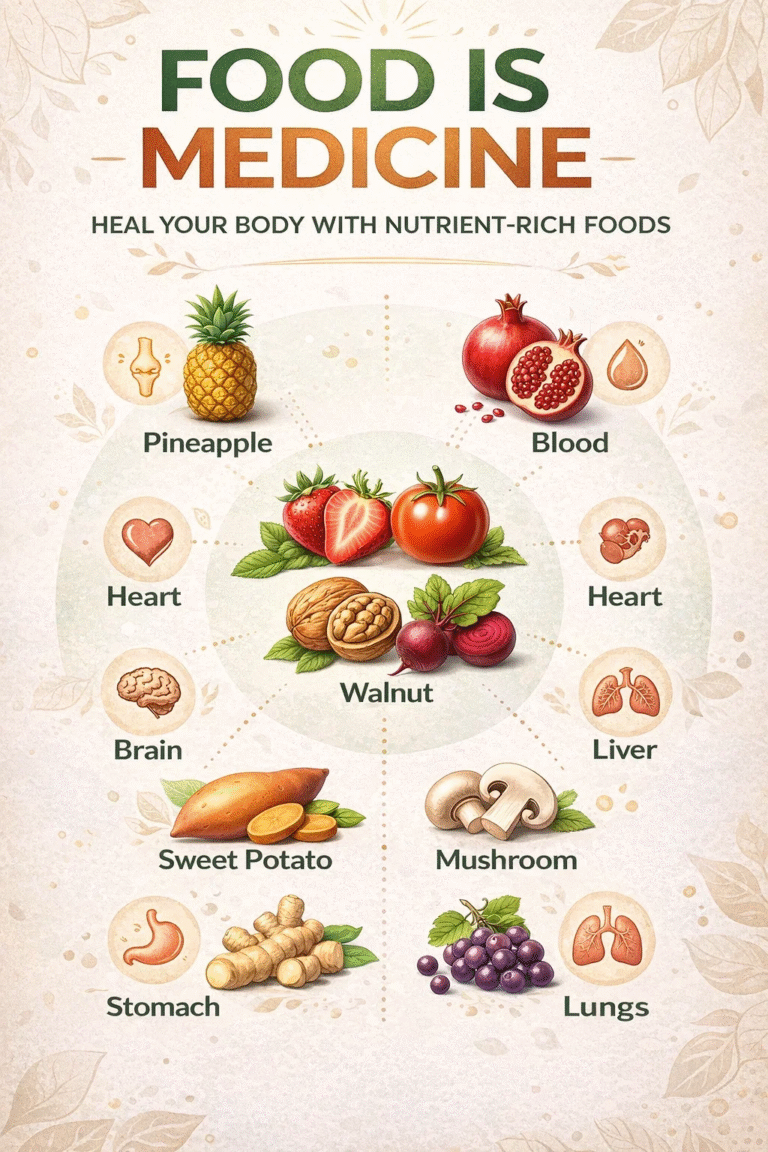
Your heart is an incredible muscle, and like any other muscle, it thrives on use. The infographic’s first piece of advice is fundamental: exercise daily. This doesn’t require intense gym sessions; even a brisk 30-minute walk has powerful heart benefits. But diet plays an equally crucial role. The recommendations focus on restriction and addition. Make an effort to limit salt, sugar, and fried foods. Excess salt can contribute to high blood pressure, while excess sugar and unhealthy fats can lead to cholesterol issues and diabetes, all of which strain the cardiovascular system. Instead, fill your diet with heart-healthy foods: nuts, seeds, and leafy greens, which provide healthy fats, fiber, and important antioxidants.
Breathe Deeply: The Importance of Lung Health
Your lungs are constantly working to bring in essential oxygen and expel carbon dioxide. The number one way to keep them healthy is clear: avoid smoking and exposure to second-hand smoke. This single habit is the leading preventable cause of lung disease. But we can do more. Practice breathing deeply. In our modern world, we often take shallow chest breaths. Deep, diaphragmatic breathing fully uses your lungs and can improve oxygen exchange and even reduce stress. Finally, be aware of your environment. Effort to reduce dust and pollutant exposure, whether it’s by cleaning your home regularly or wearing a mask in environments with high levels of dust or chemical fumes.
Nourishing the Entire System: Gut Health and Beyond
The entire digestive system, including your stomach and the large and small intestines (often referred to together as your “gut”), is where nutrition is absorbed. The advice here is all about promoting balance. First, make fiber a priority. Found in fruits, vegetables, beans, and whole grains, fiber acts like a brush for your intestines and feeds the beneficial bacteria in your microbiome. This microbiome is so important that the graphic also suggests including probiotics—beneficial bacteria found in fermented foods like yogurt or available as supplements—to help maintain a healthy microbial balance. To prevent common discomfort and support smooth digestion, try to avoid heavy meals high in unhealthy fats and added sugars, which can place a heavy load on the system and contribute to inflammation. Consistency is key here; eating a balanced diet day in and day out is more important than any “cleanse” or “detox.”
Vital Support: Internal Cleaners, Your Foundation, and the Big Picture of Health
Finally, we have the organs that often work behind the scenes to clean, coordinate, and protect. They don’t always get the same daily attention as our eyes or teeth, but they are absolutely essential for longevity and well-being.
Caring for Your Vital Filter: The Liver and Kidneys
Your liver and kidneys are the body’s main detoxification systems, working tirelessly to filter waste and process compounds. To support your liver, the graphic suggests mindful restraint: limit alcohol (which is directly toxic to liver cells) and avoid unnecessary pills (all medications must be processed by the liver). It also recommends including “clean” foods, specifically greens and turmeric. Turmeric contains curcumin, a powerful compound with antioxidant properties that is particularly supportive of liver health. For your kidneys, the most critical step is simple: drink enough water. Hydration is key for helping the kidneys filter waste products from the blood and produce urine. Also, be mindful of your intake of salt and long-term painkillers like ibuprofen, as excessive amounts over time can damage the kidneys’ filtering units.
A Holistic View: Support, Coordination, and Protection
The last few points connect these specific care strategies into a broader picture of whole-body wellness. Let’s not forget the systems that help everything function smoothly and stay in balance.
- Hair and Scalp: The graphic reminds us that haircare is also self-care. It suggests choosing products based on your hair type, as a fine-haired person needs different products than someone with thick, curly hair. Limit damage by avoiding excess heat from styling tools, and don’t forget the nutritional component! Like your skin, healthy hair relies on protein and Omega-3 fatty acids for strength and shine.
- Hands and Feet: These hard-working appendages often get overlooked. Simple actions like stretching to maintain mobility, keeping nails clean to prevent infection, and prioritizing proper, supportive footwear can prevent a host of chronic issues and keep you moving comfortably.
- Reproductive Health: The recommendation here is about consistent, proactive care. It means maintaining good hygiene, finding effective ways to manage stress (which can disrupt hormone balance), and committing to regular check-ups with your healthcare provider. This is about staying informed and addressing potential issues early.
- Immunity: Your immune system is your defense against illness, and its needs are incredibly foundational. The key pillars highlighted are also common themes throughout the graphic: sleeping well, staying hydrated, and eating a varied, nutrient-rich diet. Finally, get some sunlight! This isn’t just for Vitamin D; consistent, safe sun exposure can actually help regulate your circadian rhythm and directly support immune cell function.
Wrapping It All Up: Your Roadmap to Daily Health
When you look at this complete guide, the beauty is in its simplicity. We can be so focused on finding the next superfood, the new “miracle” supplement, or the perfect workout plan that we forget to cover the fundamentals. This chart isn’t about being perfect; it’s about being consistent. It’s about building a foundation for a happy, healthy life, one small choice at a time. The recommendations here are powerful precisely because they are accessible. You don’t need special equipment or complicated recipes. You just need to make a commitment to showing up for yourself, day after day. Which of these simple habits will you start today? Your brain, your heart, your gut, and, well, all your organs will thank you!