
Homemade Herbal Shampoo Recipe for Strong Healthy Hair Growth
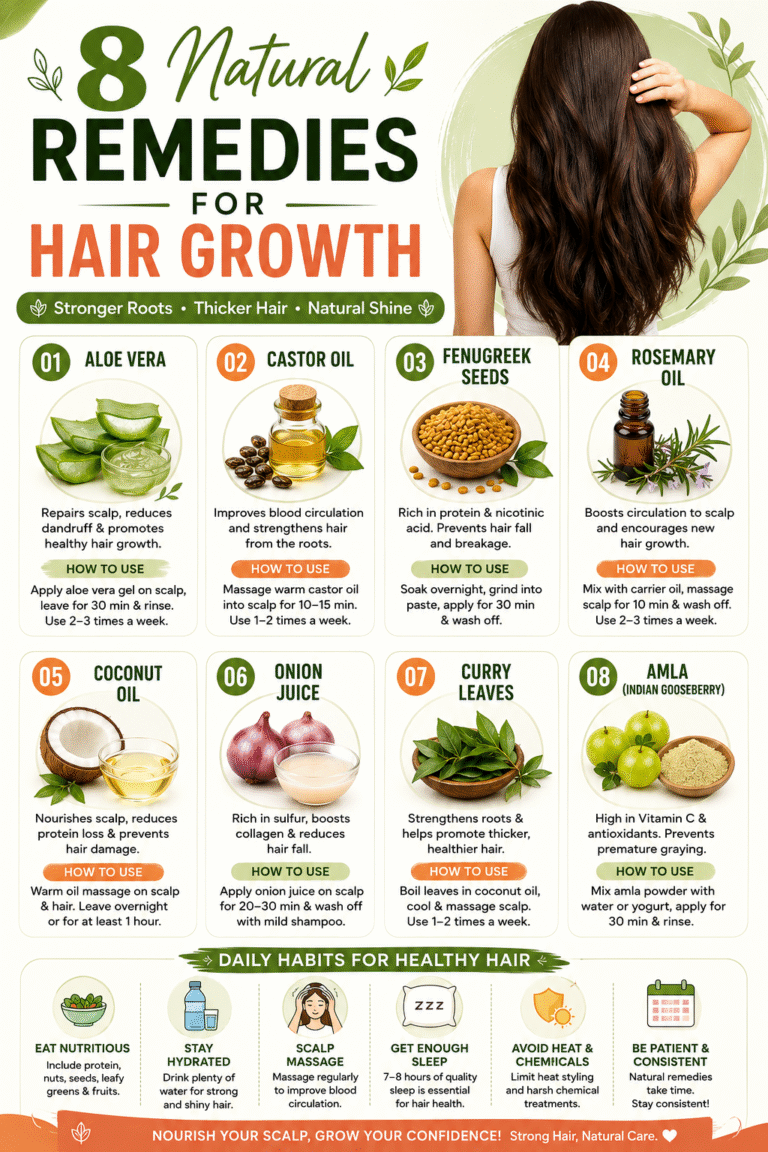
Homemade herbal shampoo is a beautiful blend of traditional hair care wisdom and simple natural ingredients. Instead of relying only on commercial formulas, this approach uses herbs, seeds, flowers, and plant-based cleansers that have long been valued in natural beauty routines. The visual inspiration features classic hair-loving ingredients such as fenugreek, kalonji, curry leaves, amla, rosemary, reetha, hibiscus, bhringraj, shikakai, and brahmi, all arranged around the idea of a gentle herbal shampoo base.
For anyone interested in natural hair care, this kind of recipe is more than a DIY beauty project. It is a way to understand what goes into your scalp routine, choose ingredients with purpose, and create a wash that feels closer to nature. Whether your goal is stronger-looking hair, a refreshed scalp, fewer harsh additives, or a more mindful beauty ritual, a homemade herbal shampoo can become a useful part of your weekly hair care plan.
Key Takeaways
- Homemade herbal shampoo uses plant-based ingredients to support a gentler hair wash routine.
- Reetha and shikakai are traditional natural cleansers often used in herbal shampoo recipes.
- Amla, hibiscus, bhringraj, and brahmi are popular herbs in routines focused on strong, healthy-looking hair.
- Fenugreek, kalonji, curry leaves, and rosemary can help create a scalp-friendly hair care blend.
- Consistency matters more than using too many ingredients at once.
Why Homemade Herbal Shampoo Is So Popular
Natural hair care has become increasingly popular because people want routines that feel simple, transparent, and less dependent on harsh-feeling products. A homemade herbal shampoo fits perfectly into that trend. It offers the comfort of recognizable ingredients and the flexibility to adjust the formula based on your hair type, scalp needs, and personal preferences.
Many traditional herbal hair care recipes focus on cleansing without stripping the scalp. This is especially appealing for people who feel that regular shampoos leave their hair overly dry, rough, or weighed down. Herbal shampoo does not have to mean complicated. With the right combination of cleansing herbs, conditioning botanicals, and a suitable liquid base, it can be practical and enjoyable.
Important: A homemade herbal shampoo should be gentle, balanced, and easy to rinse. The goal is not to overload the hair with every herb available, but to create a thoughtful blend that cleans the scalp while supporting soft, healthy-looking strands.
The Star Ingredients in a Herbal Shampoo Recipe
The best herbal shampoo recipes usually combine two types of ingredients: natural cleansers and botanical supporters. Cleansing herbs help remove oil, sweat, and buildup. Supportive herbs are included for shine, scalp comfort, hair softness, and the appearance of stronger hair.
Reetha for Natural Cleansing
Reetha, also known as soapnut, is one of the most iconic ingredients in herbal shampoo. It contains natural saponins, which create a mild cleansing effect when soaked or boiled in water. While it will not foam like a conventional sulfate shampoo, it can still help cleanse the scalp effectively when prepared correctly.
Reetha is often used as the foundation of homemade herbal shampoo because it gives the recipe its washing power. It pairs well with shikakai and amla, creating a traditional combination often used for natural hair cleansing.
Shikakai for a Gentle Wash
Shikakai is another beloved herbal cleanser. It is known for being mild, which makes it a common choice in DIY shampoo recipes for people who want a softer cleansing experience. It can help remove buildup while keeping the hair from feeling overly stripped.
In a homemade shampoo recipe, shikakai can be used as a powder, dried pod, or infused ingredient. It works especially well when combined with reetha because the two balance cleansing strength and gentleness.
Amla for Healthy-Looking Hair
Amla, or Indian gooseberry, is widely used in herbal hair care. It is often associated with shine, scalp nourishment, and the look of stronger hair. Its naturally tangy profile makes it a favorite in hair rinses, oils, masks, and shampoo blends.
In a herbal shampoo, amla can add a conditioning touch. It is often used with reetha and shikakai to create a more complete hair wash that cleanses while supporting the overall feel and appearance of the hair.
Fenugreek for Slip and Softness
Fenugreek seeds are popular in DIY hair care because they become naturally slippery when soaked. This texture can make a shampoo blend easier to spread through the scalp and roots. Fenugreek is also valued in routines focused on hair softness, manageability, and scalp comfort.
When using fenugreek in homemade shampoo, it is often soaked overnight, simmered, or blended into a strained herbal liquid. The key is to avoid leaving gritty particles in the final mixture, since they can be difficult to rinse from the hair.
Hibiscus for Shine and Smoothness
Hibiscus is a visually striking flower and a well-loved hair care ingredient. It is commonly used in herbal hair masks, oils, rinses, and shampoos. In DIY shampoo recipes, hibiscus can contribute a silky feel and may help the hair appear smoother and shinier.
Both hibiscus flowers and leaves are used in traditional beauty routines. When added to a shampoo infusion, hibiscus brings a gentle botanical quality that works beautifully with amla, brahmi, and bhringraj.
Bhringraj and Brahmi for Herbal Hair Support
Bhringraj and brahmi are often seen in herbal hair oils and scalp care formulas. They are associated with traditional routines for maintaining healthy-looking hair. While they are not primary cleansing agents, they can add value to a herbal shampoo blend when used in moderation.
These herbs are especially suitable for people who enjoy a more complete botanical hair care routine. They can be included as powders, dried herbs, or infused extracts depending on the recipe style.
A Simple Homemade Herbal Shampoo Concept
A practical homemade herbal shampoo does not need to be complicated. A balanced formula may include reetha and shikakai as the cleansing base, amla for shine, fenugreek for slip, and one or two supportive herbs such as hibiscus, curry leaves, rosemary, brahmi, or bhringraj.
The most common method is to create an herbal decoction. This means simmering the herbs in water, allowing the mixture to cool, straining it thoroughly, and using the liquid as a shampoo. Some people prefer to add the strained liquid to a gentle unscented shampoo base for easier use, especially if they want more lather and a familiar texture.
Pro Tip: Straining is one of the most important steps in any DIY herbal shampoo recipe. Use a fine mesh strainer or cheesecloth so the final liquid is smooth and easy to rinse from the hair.
Basic Herbal Shampoo Method
- Add dried reetha, shikakai, and amla to a pot of water.
- Include small amounts of fenugreek, hibiscus, or rosemary if desired.
- Simmer gently until the water becomes dark and infused.
- Let the mixture cool completely.
- Strain very well to remove all particles.
- Use the liquid on wet hair, focusing on the scalp.
- Rinse thoroughly with lukewarm water.
This style of shampoo may feel different from a commercial formula. It might not produce thick foam, and the hair may need a few washes to adjust. That does not mean it is not working. Natural cleansers often provide a softer, less bubbly wash.
How to Choose Herbs for Your Hair Type
Every scalp and hair type is different, so the best herbal shampoo recipe is the one that suits your needs. Some people prefer a stronger cleansing blend, while others need something mild and conditioning.
For Oily Scalp
If your scalp becomes oily quickly, reetha and shikakai can be useful core ingredients. Rosemary may also be a nice addition for a fresh, clean feeling. Keep heavier ingredients low and focus the shampoo mainly on the scalp rather than the hair lengths.
For Dry or Rough Hair
If your hair feels dry, add more softening ingredients such as fenugreek and hibiscus. You may also prefer using the herbal infusion with a gentle shampoo base rather than using a strong herbal decoction alone.
For Weak or Dull-Looking Hair
Amla, bhringraj, brahmi, hibiscus, and curry leaves are often used in routines focused on healthy-looking hair. These ingredients can help make your hair care ritual feel more nourishing and intentional.
Why This Matters
The best natural shampoo is not always the one with the longest ingredient list. A focused blend is easier to prepare, easier to rinse, and easier to adjust based on how your scalp and hair respond.
Benefits of a Homemade Herbal Shampoo Routine
A homemade herbal shampoo can bring several benefits to a natural hair care routine. The biggest advantage is ingredient awareness. You know exactly what is going into your blend, and you can avoid ingredients that do not suit your scalp.
Another benefit is customization. You can make a lighter wash for frequent use or a richer herbal blend for occasional deep cleansing. You can also adjust the herbs seasonally. For example, some people prefer fresher, lighter blends in warm weather and more conditioning blends during cooler months.
- Gentle cleansing: Herbal cleansers can wash the scalp without the same strong foaming feel as conventional shampoos.
- Natural beauty ritual: Preparing herbs can make hair care feel more mindful and relaxing.
- Scalp-focused care: Many herbal recipes encourage massaging the scalp, which supports a healthier routine.
- Less product clutter: A simple herbal wash can reduce reliance on multiple hair products.
Important: Natural does not automatically mean suitable for everyone. Always patch test new herbs, avoid ingredients you are sensitive to, and stop using any recipe that causes itching, redness, or discomfort.
Common Mistakes to Avoid
DIY herbal shampoo is simple, but a few common mistakes can make the experience less enjoyable. One of the biggest mistakes is using too much powder or leaving particles in the liquid. This can make the hair feel gritty and difficult to rinse.
Another mistake is expecting the same foam as a store-bought shampoo. Herbal shampoo works differently. It may cleanse well without thick bubbles. If you love foam, blending your strained herbal infusion with a mild shampoo base can make the transition easier.
Do Not Overuse Strong Cleansers
Reetha is effective, but using too much can make some hair types feel dry. Balance it with shikakai, amla, or fenugreek. Start mild and increase strength only if your scalp needs more cleansing.
Do Not Store Fresh Herbal Shampoo Too Long
Fresh herbal infusions do not contain strong preservatives. Make small batches and store leftovers in the refrigerator for a short time only. If the smell, texture, or appearance changes, discard it and make a fresh batch.
Do Not Skip a Rinse
Herbal shampoo should be rinsed thoroughly. Take time to massage the scalp with water after washing. This helps remove residue and leaves the hair feeling cleaner.
How Often Should You Use Herbal Shampoo?
Frequency depends on your scalp, lifestyle, and hair texture. Some people enjoy using herbal shampoo once or twice a week. Others prefer using it as an occasional natural wash between regular shampoo days.
If you are new to herbal hair care, start slowly. Try it once a week and observe how your scalp and hair feel. If your hair feels clean, soft, and comfortable, you can continue. If it feels dry, reduce the amount of cleansing herbs or add more conditioning botanicals.
Quick Note: Results from herbal hair care are usually gradual. Focus on consistency, scalp comfort, and healthy hair habits rather than expecting dramatic overnight changes.
Pairing Herbal Shampoo With a Complete Hair Care Routine
A homemade herbal shampoo works best when it is part of a balanced routine. Before washing, you can detangle gently and apply a light oil if your hair tolerates it. During washing, focus on the scalp rather than scrubbing the lengths aggressively. After washing, use a conditioner or herbal rinse if your hair needs extra softness.
Healthy-looking hair also depends on habits beyond shampoo. A gentle towel, careful detangling, regular trims, protective styling, and a balanced diet can all support the appearance and feel of stronger hair. Herbal shampoo is one helpful piece of the routine, not the entire solution by itself.
Simple Routine Idea
- Pre-wash: Lightly detangle and massage the scalp.
- Wash: Apply strained herbal shampoo to wet scalp.
- Rinse: Use lukewarm water and rinse patiently.
- Condition: Apply conditioner to the lengths if needed.
- Dry: Use a soft towel and avoid rough rubbing.
At a Glance
- Use reetha and shikakai as natural cleansing herbs.
- Add amla, hibiscus, or fenugreek for a more balanced blend.
- Strain the mixture carefully before applying.
- Start with weekly use and adjust based on your hair.
- Patch test before trying new herbs on your scalp.
Conclusion: A Natural Shampoo Ritual Worth Trying
Homemade herbal shampoo is a thoughtful way to bring natural ingredients into your hair care routine. With traditional herbs like reetha, shikakai, amla, fenugreek, hibiscus, bhringraj, brahmi, curry leaves, and rosemary, you can create a wash that feels earthy, intentional, and tailored to your needs.
The key is to keep the recipe balanced. Choose cleansing herbs for the scalp, supportive herbs for softness and shine, and always strain the mixture well. Start simple, observe your results, and adjust your blend over time. A natural shampoo routine does not have to be perfect to be effective. It only needs to be consistent, gentle, and suited to your hair.
Whether you are building a cleaner beauty routine, exploring traditional herbal hair care, or looking for a DIY shampoo recipe for stronger, healthier-looking hair, this plant-based approach is a lovely place to begin.
Tags
Homemade Herbal Shampoo Natural Hair Care DIY Shampoo Recipe Herbal Hair Growth Amla Hair Care Reetha Shampoo Shikakai Benefits Healthy Hair Tips