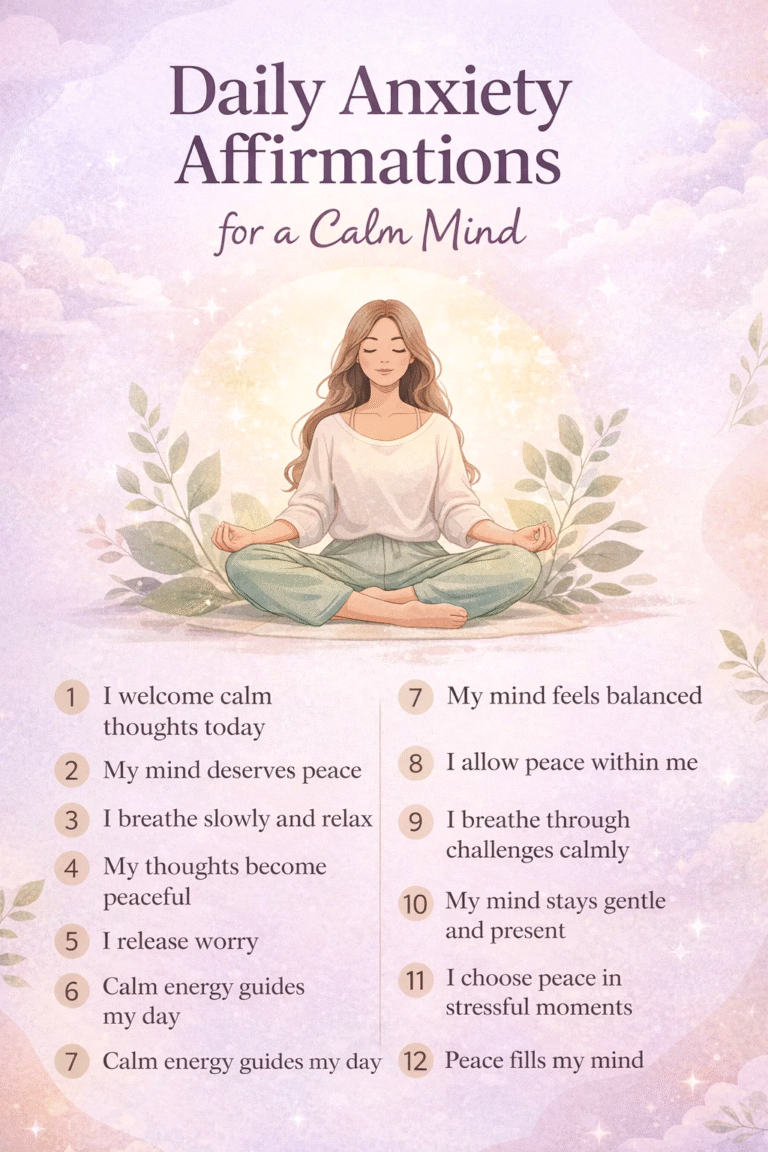
Self Love Affirmations for Women Positive Mindset, Self Worth Confidence Boost
Self-love is more than a trend. It is a daily practice that shapes how we think, feel, and show up in the world. In a fast-paced culture that often encourages comparison and constant achievement, taking time to nurture self-worth can be transformative. Through positive affirmations, mindful habits, gratitude, and intentional self-care, it becomes possible to build a healthier relationship with yourself and create a life rooted in confidence, happiness, and personal growth.
Whether you are beginning a self-love journey or looking for fresh inspiration, embracing a mindset of self-acceptance can help you navigate challenges with greater resilience and optimism. Small daily reminders can make a significant difference in how you view your value, your goals, and your future.
Key Takeaways
- Self-love begins with accepting yourself as you are.
- Positive affirmations can help reshape negative thought patterns.
- Daily gratitude supports emotional well-being and confidence.
- Healthy boundaries are essential for self-respect.
- Personal growth happens when self-compassion and consistency work together.
- Small mindset shifts can create lasting positive change.
Understanding the True Meaning of Self-Love
Self-love is often misunderstood as selfishness or excessive self-focus. In reality, it is about recognizing your inherent worth and treating yourself with the same kindness and respect you would offer a close friend.
It involves accepting both strengths and imperfections. Rather than seeking perfection, self-love encourages growth through compassion. It allows you to acknowledge mistakes without letting them define your identity.
Important: Genuine self-love is not about believing you are perfect. It is about understanding that you are worthy of respect, care, and happiness regardless of where you are in your journey.
People who practice self-love often find it easier to maintain healthy relationships, pursue meaningful goals, and recover from setbacks. They develop a stronger sense of self that is not entirely dependent on external validation.
The Power of Positive Affirmations
Positive affirmations are simple statements designed to reinforce empowering beliefs. While repeating words alone may not instantly change your life, affirmations can help shift your mindset over time when combined with intentional action.
Common self-love affirmations include:
- I am worthy of good things.
- I love and accept myself completely.
- I am growing and becoming my best self.
- I deserve happiness and fulfillment.
- I choose myself and my well-being.
These affirmations encourage a healthier internal dialogue. Instead of constantly focusing on flaws or limitations, they remind you to recognize your strengths and possibilities.
How Affirmations Influence Mindset
Thoughts influence emotions, and emotions influence behavior. When negative self-talk becomes a habit, it can create cycles of self-doubt and hesitation. Positive affirmations help interrupt those patterns and introduce more constructive perspectives.
Over time, consistent repetition can support confidence-building efforts and encourage a more optimistic outlook. The key is consistency rather than perfection.
Why This Matters
- Your inner dialogue shapes how you perceive opportunities and challenges.
- Positive affirmations can support healthier emotional habits.
- A supportive mindset often leads to greater confidence and resilience.
Creating a Self-Care Ritual That Feels Meaningful
Self-care is a practical expression of self-love. It goes beyond occasional indulgences and focuses on activities that genuinely support physical, mental, and emotional well-being.
A meaningful self-care routine does not have to be expensive or time-consuming. What matters most is consistency and intention.
Simple Self-Care Ideas
- Start the day with a gratitude practice.
- Enjoy a peaceful morning beverage without distractions.
- Read inspirational books that encourage growth.
- Spend time outdoors and connect with nature.
- Maintain a journal to process thoughts and emotions.
- Prioritize quality sleep and hydration.
These small actions send a powerful message to yourself: your well-being matters.
When practiced regularly, self-care becomes less about escaping stress and more about building a foundation of emotional balance and inner strength.
Building Confidence Through Daily Habits
Confidence is not something people are born with in unlimited supply. It develops through repeated experiences, positive reinforcement, and intentional action.
One of the most effective ways to increase confidence is by making and keeping small promises to yourself. Every completed habit strengthens self-trust.
Confidence-Building Habits
- Set realistic goals and celebrate progress.
- Practice positive self-talk.
- Learn new skills regularly.
- Focus on personal growth rather than comparison.
- Keep commitments you make to yourself.
Pro Tip: Confidence grows when action replaces overthinking. Taking small steps consistently often creates more momentum than waiting for the perfect moment.
Every achievement, no matter how small, reinforces the belief that you are capable. Over time, these experiences compound into genuine self-assurance.
The Role of Gratitude in Self-Love
Gratitude is a powerful tool for shifting attention away from scarcity and toward abundance. It encourages appreciation for what is already present in life while creating a more positive emotional environment.
Many people focus gratitude exclusively on external blessings. However, self-love involves appreciating personal qualities, strengths, and progress as well.
Gratitude Prompts for Self-Appreciation
- What personal strength helped me today?
- What challenge have I overcome recently?
- What am I proud of accomplishing?
- What quality do I appreciate about myself?
- How have I grown over the past year?
These questions encourage self-recognition and help balance the tendency to focus exclusively on shortcomings.
Letting Go of Comparison
One of the biggest obstacles to self-love is constant comparison. Social media, professional competition, and societal expectations can create unrealistic standards that leave people feeling inadequate.
The truth is that every person follows a unique path. Comparing your progress to someone else’s highlights differences without acknowledging context, challenges, or individual circumstances.
Important: Personal growth becomes far more meaningful when success is measured against your own progress rather than someone else’s achievements.
Instead of asking whether you are ahead of others, ask whether you are becoming a better version of yourself. This simple shift can dramatically improve self-esteem and motivation.
Manifestation and Positive Intention Setting
Many self-development practices emphasize the importance of intention. Setting clear intentions encourages focus and helps align daily actions with long-term goals.
Manifestation is often associated with visualizing desired outcomes, but its most practical aspect involves clarity and commitment. When you know what you want and take consistent action toward it, opportunities become easier to recognize.
Ways to Set Positive Intentions
- Write down meaningful goals.
- Use affirmations that support those goals.
- Visualize success regularly.
- Take actionable steps each day.
- Remain open to growth and learning.
Intentions provide direction, while daily habits create results. Together they form a powerful combination for personal development.
Why Healthy Boundaries Support Self-Worth
Self-love is not only about positive thoughts. It is also reflected in the boundaries you establish with others.
Healthy boundaries protect your energy, time, and emotional well-being. They communicate self-respect and help prevent burnout, resentment, and unhealthy relationship dynamics.
Signs of Healthy Boundaries
- You can say no without excessive guilt.
- You prioritize your mental and emotional health.
- You communicate needs clearly.
- You recognize when relationships become unhealthy.
- You respect both your limits and those of others.
Establishing boundaries may feel uncomfortable initially, especially for people accustomed to pleasing others. However, it is an essential component of self-respect and long-term well-being.
Designing a Life That Reflects Your Values
Living authentically requires aligning choices with personal values. When actions consistently reflect what matters most, life feels more meaningful and fulfilling.
Take time to identify the values that guide your decisions. These may include creativity, family, freedom, health, growth, kindness, or purpose.
Once those values are clear, evaluate daily habits, commitments, and goals. Small adjustments can help create greater alignment between who you are and how you live.
This alignment strengthens self-respect because it reduces the gap between intention and action.
At a Glance
- Practice daily affirmations to reinforce positive beliefs.
- Prioritize self-care that supports genuine well-being.
- Use gratitude to recognize personal growth.
- Set healthy boundaries to protect your energy.
- Focus on progress rather than comparison.
Conclusion
Entering a true self-love era is not about achieving perfection or creating an idealized version of yourself. It is about embracing your worth, honoring your growth, and choosing habits that support your well-being every day.
Through positive affirmations, gratitude, confidence-building practices, healthy boundaries, and intentional self-care, you can create a stronger foundation for happiness and fulfillment. The journey may not always be linear, but every step toward self-acceptance matters.
Remember that self-love is not a destination. It is an ongoing relationship with yourself. The more compassion, patience, and encouragement you offer yourself, the stronger that relationship becomes.
Tags
Self Love Positive Affirmations Self Care Personal Growth Confidence Building Mindset Gratitude Wellness