Diabetes Food List What to Eat, Limit Avoid for Healthy Blood Sugar
Eating well with diabetes does not have to feel confusing, bland, or restrictive. A simple food list can be a helpful starting point because it turns a big question, “What should I eat?”, into easier everyday choices. When you can quickly see which foods are usually smart to enjoy often, which ones are better in smaller portions, and which choices are best saved for rare occasions, meal planning becomes much less stressful.
The core idea behind a diabetes-friendly food list is balance. Foods rich in fiber, protein, healthy fats, vitamins, and minerals can support steadier energy and more predictable blood sugar patterns. Highly processed foods, sugary drinks, refined grains, fried meals, and sweet desserts can be harder on blood sugar and may crowd out more nourishing choices.
Key Takeaways
- Focus on high-fiber vegetables, beans, lentils, nuts, seeds, and whole grains.
- Pair carbohydrates with protein or healthy fat to help make meals more satisfying.
- Limit sugary drinks, fried fast food, refined flour snacks, and highly processed meats.
- Use portion size, not just food type, when building diabetes-friendly meals.
- Choose simple, repeatable meal ideas that fit your routine and taste preferences.
Understanding a Diabetes Food List
A diabetes food list is not a strict rulebook. It is a practical guide that helps you make informed choices at the grocery store, in the kitchen, and when eating out. Many lists group foods into three simple categories: eat, limit, and avoid. This format is popular because it is easy to scan and remember.
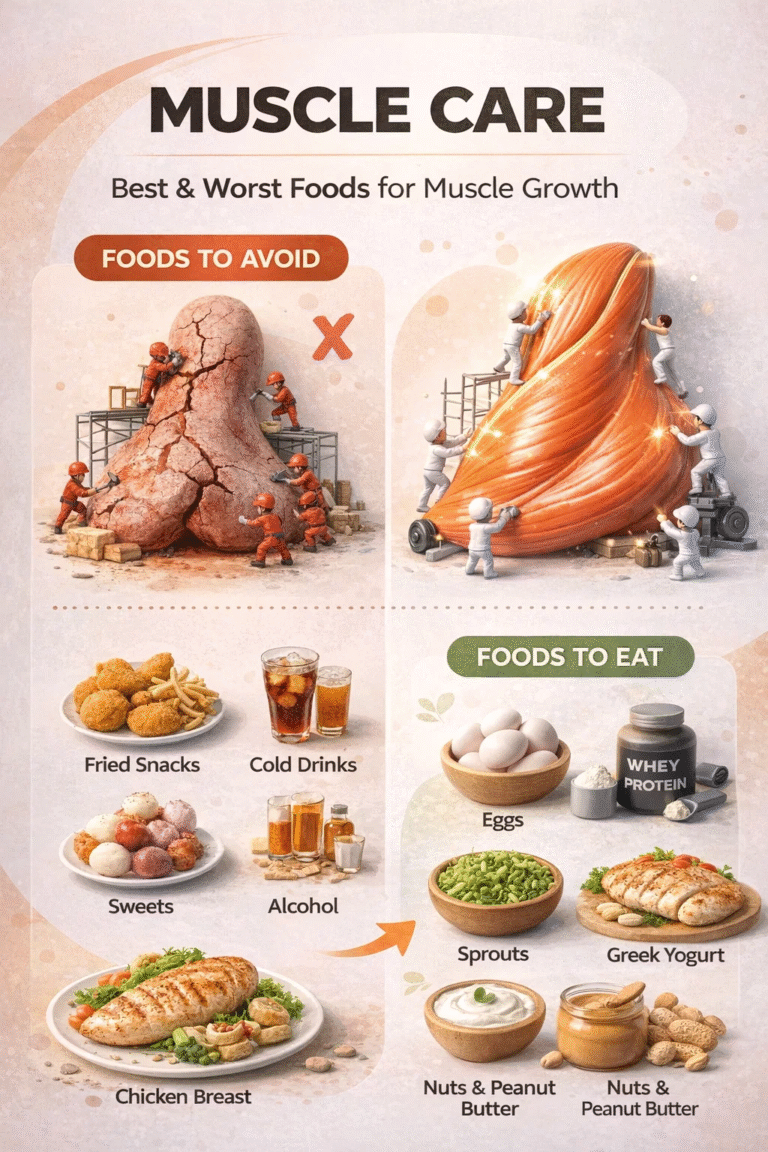
The “eat” category usually includes foods that are nutrient-dense and naturally higher in fiber or protein. Think leafy greens, cruciferous vegetables, beans, eggs, Greek yogurt, nuts, seeds, avocados, fish, lean poultry, and whole grains in sensible portions.
The “limit” category often includes foods that can still fit into a diabetes-friendly eating pattern but need attention to serving size. Examples may include rice, pasta, potatoes, dried fruit, fruit juice, granola, bagels, tortillas, and higher-fat meats or dairy.
The “avoid” category typically highlights foods that offer little nutritional value while being high in added sugar, refined starch, sodium, saturated fat, or heavily processed ingredients. These may include candy, sugary beverages, donuts, fried fast food, instant noodles, chips, processed meats, and sweet sauces.
Important: A food list is most useful when it is personalized. Blood sugar response can vary from person to person, so portion size, meal timing, medication, activity level, and individual health goals all matter.
Best Foods to Eat More Often
The most helpful diabetes-friendly foods are usually minimally processed and rich in nutrients. They help you feel full, support digestion, and make it easier to build balanced meals without relying on added sugars or refined carbohydrates.
Non-Starchy Vegetables
Non-starchy vegetables are a smart foundation for blood sugar-friendly eating. They are generally low in carbohydrates and calories while providing fiber, water, antioxidants, and important micronutrients.
Great options include broccoli, cauliflower, cabbage, asparagus, arugula, lettuce, cucumbers, celery, Brussels sprouts, green beans, eggplant, kale, carrots, and peppers. These foods can be roasted, steamed, grilled, added to salads, blended into soups, or used as colorful sides.
Beans, Lentils, and Chickpeas
Beans, lentils, black beans, kidney beans, chickpeas, and edamame are excellent plant-based foods for diabetes meal planning. They contain carbohydrates, but they also provide fiber and protein, which can make them more filling than many refined starches.
Try adding beans to salads, soups, wraps, grain bowls, or vegetable stews. A smaller portion can go a long way when paired with non-starchy vegetables and lean protein.
Healthy Fats From Whole Foods
Avocados, almonds, pistachios, chia seeds, flax seeds, and other nuts and seeds can be valuable in a diabetes-friendly diet. They add texture, flavor, and satisfaction to meals without relying on sugar.
Because fats are calorie-dense, portions still matter. A small handful of nuts, a spoonful of seeds, or a few slices of avocado can make meals feel more satisfying without overdoing it.
Lean Protein and Simple Dairy Choices
Protein helps keep meals balanced and can support fullness between meals. Eggs, chicken, fish, mackerel, Greek yogurt, cottage cheese, and kefir can all fit well into many diabetes-friendly eating patterns.
When choosing dairy, plain options are usually better than sweetened ones. Plain Greek yogurt with berries and chia seeds is often a more balanced choice than flavored yogurt with added sugars.
Foods to Limit Without Feeling Deprived
Limiting a food does not always mean removing it completely. It often means being mindful of serving size, frequency, and what you eat with it. Many carbohydrate-containing foods can fit into a thoughtful meal plan when portions are reasonable and balanced with protein, fiber, and healthy fat.
Fruit Juice and Dried Fruit
Fruit can be part of a healthy diabetes-friendly diet, but fruit juice and dried fruit are more concentrated sources of sugar. Juice removes much of the fiber found in whole fruit, while dried fruit packs more sugar into a smaller portion.
Whole fruits such as apples, berries, citrus, peaches, pears, plums, and apricots are often more filling choices. Pairing fruit with protein or fat, such as apple slices with peanut butter or berries with Greek yogurt, can make it more satisfying.
Whole Grains and Starchy Foods
Whole-grain bread, oats, oatmeal, barley, millet, brown rice, corn tortillas, whole-grain pasta, potatoes, and popcorn may appear in the “limit” section of many diabetes food lists. These foods are not automatically bad, but they do contain carbohydrates, so portion control is key.
A helpful approach is to make starchy foods one part of the meal instead of the main event. For example, pair a small serving of brown rice with grilled chicken and a large portion of roasted vegetables.
Pro Tip: Instead of asking, “Can I eat carbs?”, ask, “What type of carb, how much, and what am I pairing it with?” This mindset makes diabetes meal planning more flexible and realistic.
Condiments and Sweet Sauces
Ketchup, barbecue sauce, jam, jelly, honey, maple syrup, and sweet dressings can add sugar quickly. You do not need to avoid every condiment forever, but it helps to read labels and use smaller amounts.
Flavor can come from herbs, garlic, ginger, lemon, lime, vinegar, mustard, salsa, dill, basil, and spice blends. These options can make meals taste fresh without adding much sugar.
Why This Matters
The most successful diabetes-friendly meals are not built around restriction. They are built around smart combinations: fiber-rich vegetables, enough protein, controlled portions of quality carbohydrates, and flavorful ingredients that make healthy eating enjoyable.
Foods to Avoid or Save for Rare Occasions
Some foods are best treated as occasional choices because they can make blood sugar management more difficult and may not offer much nutrition. This does not mean you need guilt or perfection. It simply means these foods should not be everyday staples.
Sugary Drinks and Sweet Treats
Soda, sports drinks, energy drinks, sweet coffee drinks, candy, cakes, cookies, chocolate bars, donuts, and ice cream can contain large amounts of added sugar. Liquid sugar can be especially challenging because it is easy to drink quickly and may not feel filling.
Better everyday drinks include water, sparkling water without sugar, unsweetened tea, and plain coffee. For something more refreshing, try water with cucumber, citrus, berries, or mint.
Fried Fast Food and Refined Flour Snacks
French fries, fried chicken, onion rings, pizza, croissants, biscuits made with white flour, crackers, instant noodles, and chips can be high in refined carbohydrates, unhealthy fats, and sodium. These foods are often easy to overeat because they are designed to be highly palatable.
When cravings hit, try creating a more balanced version at home. Baked chicken with a crunchy coating, roasted potato wedges, veggie-loaded flatbread, or air-fried vegetables can satisfy the same comfort-food mood in a more balanced way.
Processed Meats and Heavy Sauces
Bacon, beef jerky, hot dogs, sausages, salami, deli meats, creamy sauces, and heavy barbecue sauces can add sodium, saturated fat, preservatives, and hidden sugars. They may be convenient, but they are usually not the best daily foundation for a diabetes-friendly lifestyle.
Choose leaner proteins more often, such as poultry, fish, eggs, beans, lentils, tofu, or plain Greek yogurt. Add flavor with herbs, spices, garlic, lemon, or vinegar-based marinades.
How to Build a Balanced Diabetes-Friendly Plate
One of the easiest ways to use a diabetes food list is to turn it into a plate-building habit. Instead of memorizing every food, focus on the pattern of the meal.
- Fill half the plate with non-starchy vegetables.
- Fill one quarter with lean protein.
- Fill one quarter with a quality carbohydrate, such as beans, lentils, oats, brown rice, sweet potato, or whole grains.
- Add a small amount of healthy fat for flavor and fullness.
- Choose water or an unsweetened drink most of the time.
This method works because it is visual and practical. It can be used at home, at restaurants, during meal prep, and even when building a quick lunch from leftovers.
Important: A balanced plate can be more powerful than a single “good” food. Broccoli alone is not a meal, and brown rice alone may not keep you full. Combining vegetables, protein, fiber-rich carbs, and healthy fats creates a better overall pattern.
Simple Meal Ideas Inspired by the Food List
Diabetes-friendly meals can be colorful, satisfying, and easy to repeat. The best meal plan is one you can actually follow on a normal day, not just when you have extra time.
Breakfast Ideas
- Oatmeal topped with chia seeds, cinnamon, and a small serving of berries.
- Eggs with sautéed spinach, mushrooms, and avocado slices.
- Plain Greek yogurt with flax seeds, almonds, and strawberries.
- Cottage cheese with cucumber, dill, and whole-grain toast in a sensible portion.
Lunch Ideas
- Grilled chicken salad with arugula, cucumber, carrots, chickpeas, and lemon dressing.
- Lentil soup with cabbage, celery, garlic, and a side of leafy greens.
- Black bean bowl with cauliflower rice, avocado, salsa, and roasted vegetables.
- Tuna or salmon lettuce wraps with cucumber, tomato, and a small serving of whole grains.
Dinner Ideas
- Baked fish with Brussels sprouts, green beans, and a small portion of brown rice.
- Chicken and vegetable stir-fry with broccoli, peppers, garlic, and ginger.
- Turkey or bean chili loaded with tomatoes, onions, celery, and spices.
- Eggplant and chickpea stew served with a side salad and a modest serving of whole grains.
Smart Grocery Shopping Tips
A diabetes food list becomes much more useful when it guides your shopping cart. Start with fresh or frozen vegetables, lean proteins, beans, lentils, nuts, seeds, plain dairy, and whole grains. Then add fruits and starchy foods in portions that match your goals.
Reading labels can help you spot added sugar, refined grains, sodium, and serving sizes. Pay attention to total carbohydrates, fiber, added sugar, and ingredients. A product that looks healthy on the front of the package may still be high in sugar or refined starch.
- Shop the produce section first so vegetables become the base of your meals.
- Choose plain versions of yogurt, oatmeal, and nut butters when possible.
- Look for whole grains with fiber instead of refined white flour products.
- Keep quick proteins on hand, such as eggs, canned tuna, beans, or rotisserie chicken without sugary sauces.
- Plan snacks before cravings hit, such as nuts, Greek yogurt, boiled eggs, or vegetables with hummus.
Pro Tip: Make the healthier choice the easier choice. Wash vegetables, portion nuts, cook grains ahead, and keep sugary snacks out of everyday reach. Your environment can support your goals.
Common Mistakes to Avoid
One common mistake is focusing only on sugar while ignoring refined starches. White bread, crackers, instant noodles, pastries, and large portions of rice or pasta can also affect blood sugar because they break down into glucose during digestion.
Another mistake is removing too many foods at once. Extreme restriction can make healthy eating feel impossible to maintain. A better approach is to improve one meal at a time. Add more vegetables, choose better snacks, drink more water, and make portions more consistent.
It is also important not to assume that “natural” always means blood sugar-friendly. Honey, maple syrup, agave, fruit juice, and dried fruit can still raise carbohydrate intake. They may sound wholesome, but serving size matters.
At a Glance
- Eat more non-starchy vegetables, beans, lean proteins, nuts, seeds, and plain dairy.
- Limit portions of grains, starchy vegetables, dried fruit, juice, and sweet condiments.
- Avoid making sugary drinks, fried fast food, candy, chips, and processed meats daily habits.
- Build meals around balance, not perfection.
- Use your food list as a guide, then personalize it with professional support.
Conclusion: Make Diabetes-Friendly Eating Simple and Sustainable
A diabetes food list can be a powerful tool when it is used with flexibility and common sense. The goal is not to fear food or chase a perfect diet. The goal is to create meals that are satisfying, nourishing, and easier on blood sugar.
Start with foods you can eat more often: vegetables, beans, lentils, nuts, seeds, lean proteins, plain yogurt, eggs, fish, and whole grains in smart portions. Be mindful with higher-carb foods, dried fruit, juice, sweet sauces, and starchy sides. Save sugary drinks, fried foods, highly processed snacks, and desserts for rare occasions rather than daily routines.
The best diabetes-friendly eating plan is one that supports your health and still feels realistic. Small choices repeated often can make a meaningful difference. Build balanced plates, keep nutritious foods within reach, and work with a healthcare professional or registered dietitian for guidance tailored to your needs.
Tags
Diabetes Food List Diabetic Diet Blood Sugar Balance Healthy Meal Planning Low Sugar Living Diabetes Nutrition Healthy Eating Tips