10 Self-Care Ideas for Mental Health, Wellness, Relaxation and Daily Balance
Self-care is often viewed as an occasional treat, but in reality it is one of the most important foundations of a healthy and balanced life. When daily responsibilities, work demands, family commitments, and constant digital distractions begin to pile up, taking intentional time for yourself becomes essential rather than optional. Small, consistent self-care habits can improve physical health, support emotional well-being, boost productivity, and help create a more positive outlook on life.
Building a self-care routine does not require expensive products, luxurious vacations, or hours of free time. Often, the most effective forms of self-care are simple practices that support your mind and body every day. From getting quality sleep to spending time outdoors, these habits can help you recharge, reduce stress, and maintain a healthier lifestyle.
Key Takeaways
- Self-care supports both mental and physical well-being.
- Small daily habits often create the biggest long-term results.
- Quality sleep, hydration, and nutrition are essential foundations.
- Mindfulness can help reduce stress and improve focus.
- Setting healthy boundaries protects your energy.
- Spending time in nature can improve mood and resilience.
Why Self-Care Matters More Than Ever
Modern life can feel overwhelming. Many people spend their days rushing from one task to another while neglecting their own needs. Over time, this pattern can contribute to exhaustion, stress, irritability, and reduced motivation.
Important: Self-care is not selfish. Taking care of yourself allows you to show up more effectively for your work, relationships, and responsibilities. When your physical and emotional needs are met, you have more energy and resilience to handle life’s challenges.
By incorporating simple wellness habits into your routine, you can create a stronger foundation for long-term health and happiness.
1. Take a Break Without Guilt
Many people associate productivity with constant activity. However, working without rest can lead to burnout and decreased performance. Taking breaks allows your brain and body to recover.
Whether it is a short walk, a few minutes of deep breathing, or simply stepping away from your screen, regular breaks help improve focus and reduce mental fatigue.
Benefits of Resting
- Improves concentration
- Reduces stress levels
- Supports creativity
- Prevents burnout
- Boosts productivity over time
Giving yourself permission to rest is one of the healthiest self-care habits you can develop.
2. Prioritize Quality Sleep
Sleep is one of the most powerful forms of self-care. During sleep, your body repairs tissues, regulates hormones, and processes information from the day.
Consistently poor sleep can negatively affect mood, memory, energy levels, and overall health. Creating a relaxing bedtime routine can significantly improve sleep quality.
Tips for Better Sleep
- Maintain a consistent sleep schedule
- Limit screen time before bed
- Keep your bedroom cool and comfortable
- Avoid heavy meals late at night
- Practice relaxation techniques before sleeping
Good sleep is not a luxury. It is a vital part of a healthy lifestyle.
3. Move Your Body Regularly
Exercise is one of the most effective ways to improve both physical and mental health. You do not need an intense workout program to experience benefits. Consistent movement of any kind can make a meaningful difference.
Walking, yoga, stretching, cycling, dancing, or strength training all contribute to better health and increased energy.
Pro Tip: Choose activities you genuinely enjoy. When exercise feels fun rather than forced, it becomes much easier to maintain as part of your long-term self-care routine.
Regular physical activity can improve cardiovascular health, strengthen muscles, enhance mood, and support better sleep.
4. Nourish Your Body with Healthy Foods
The foods you eat directly impact your energy levels, focus, and overall well-being. A balanced diet rich in fruits, vegetables, lean proteins, whole grains, and healthy fats provides the nutrients your body needs to function at its best.
Healthy eating is not about perfection. It is about making choices that support your body consistently over time.
Simple Nutrition Habits
- Add more colorful vegetables to meals
- Choose whole foods when possible
- Limit highly processed snacks
- Balance protein, carbohydrates, and healthy fats
- Practice mindful eating
Why This Matters
- Nutrition affects energy, concentration, and mood.
- Balanced meals help stabilize blood sugar levels.
- Healthy eating supports long-term wellness goals.
5. Practice Mindfulness Every Day
Mindfulness involves paying attention to the present moment without judgment. It can help reduce stress, improve emotional awareness, and strengthen focus.
You do not need hours of meditation to experience benefits. Even a few minutes of mindful breathing can make a positive impact.
Easy Mindfulness Practices
- Deep breathing exercises
- Guided meditation sessions
- Mindful walking
- Gratitude journaling
- Body scan relaxation techniques
When practiced regularly, mindfulness can help create a greater sense of calm and balance throughout the day.
6. Make Time for Activities You Love
Life can become routine when every day revolves around responsibilities. Hobbies and enjoyable activities provide opportunities for creativity, relaxation, and personal fulfillment.
Whether you enjoy painting, gardening, reading, crafting, photography, cooking, or playing music, dedicating time to your interests can improve emotional well-being.
Doing something purely because it brings joy is a powerful form of self-care that many people overlook.
7. Stay Hydrated Throughout the Day
Water plays a critical role in nearly every bodily function. Even mild dehydration can affect energy levels, concentration, and mood.
Many people underestimate how much hydration contributes to overall wellness. Drinking enough water throughout the day supports digestion, circulation, temperature regulation, and cognitive performance.
Ways to Drink More Water
- Carry a reusable water bottle
- Set hydration reminders
- Add lemon or fruit for flavor
- Drink water before meals
- Track your daily intake
Consistent hydration is one of the simplest yet most effective self-care habits available.
8. Set Healthy Boundaries
Protecting your time and energy is an important aspect of self-care. Healthy boundaries help prevent overwhelm and allow you to prioritize what truly matters.
Learning to say no can be challenging, especially when you want to help others. However, constantly overcommitting yourself often leads to stress and exhaustion.
Important: Boundaries are not about pushing people away. They are about creating healthy limits that support your well-being and maintain balanced relationships.
Clear communication and realistic expectations can help strengthen both personal and professional relationships.
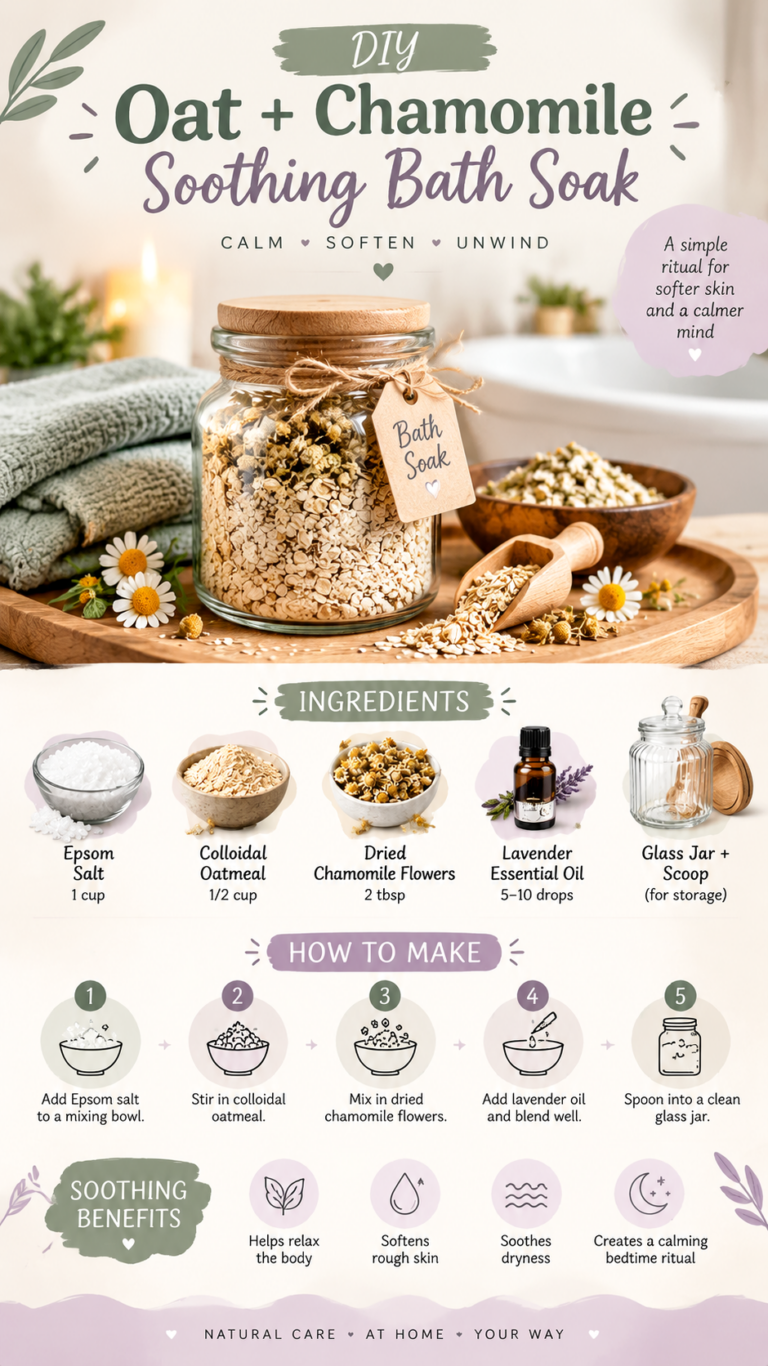
9. Take Care of Your Skin
Skincare can be a practical form of self-care that encourages consistency and mindfulness. Maintaining healthy skin does not require an elaborate routine.
Simple habits such as cleansing, moisturizing, and protecting your skin from excessive sun exposure can support long-term skin health.
Basic Skincare Essentials
- Gentle cleansing
- Daily moisturizing
- Sun protection
- Hydration
- Healthy nutrition
Skincare routines often provide a few peaceful moments in the day dedicated entirely to personal wellness.
10. Spend More Time in Nature
Nature offers a unique opportunity to slow down and reconnect with the present moment. Whether it is a walk through a local park, a hike on a trail, or simply sitting outdoors, time in nature can have a calming effect.
Fresh air, natural light, and green spaces often contribute to reduced stress and improved mood.
Simple Ways to Connect with Nature
- Take daily walks outdoors
- Visit local parks
- Practice yoga outside
- Garden at home
- Enjoy outdoor reading sessions
Pro Tip: Combining movement and nature can amplify wellness benefits. A simple walk outdoors supports both physical activity and mental relaxation at the same time.
Creating a Sustainable Self-Care Routine
The best self-care routine is one that fits naturally into your lifestyle. Rather than attempting to change everything at once, focus on adding one or two habits at a time.
Small actions repeated consistently often create greater results than dramatic short-term efforts. Start where you are, work with your current schedule, and build gradually.
Remember that self-care looks different for everyone. What helps one person feel refreshed may not work for another. The goal is to discover habits that genuinely support your well-being.
At a Glance
- Rest regularly and without guilt.
- Prioritize sleep and hydration.
- Move your body consistently.
- Practice mindfulness daily.
- Protect your energy with healthy boundaries.
Conclusion
Self-care is not about achieving perfection. It is about making intentional choices that support your physical health, emotional well-being, and overall quality of life. By incorporating simple habits such as getting enough sleep, eating nourishing foods, practicing mindfulness, staying hydrated, setting boundaries, and spending time outdoors, you can build a healthier and more balanced lifestyle.
The journey toward better wellness begins with small daily actions. Choose one self-care habit that resonates with you and start today. Over time, those simple choices can create meaningful and lasting improvements in how you feel, think, and live.
Tags
Self Care Mental Wellness Healthy Habits Mindfulness Stress Relief Wellness Tips Self Love Lifestyle