
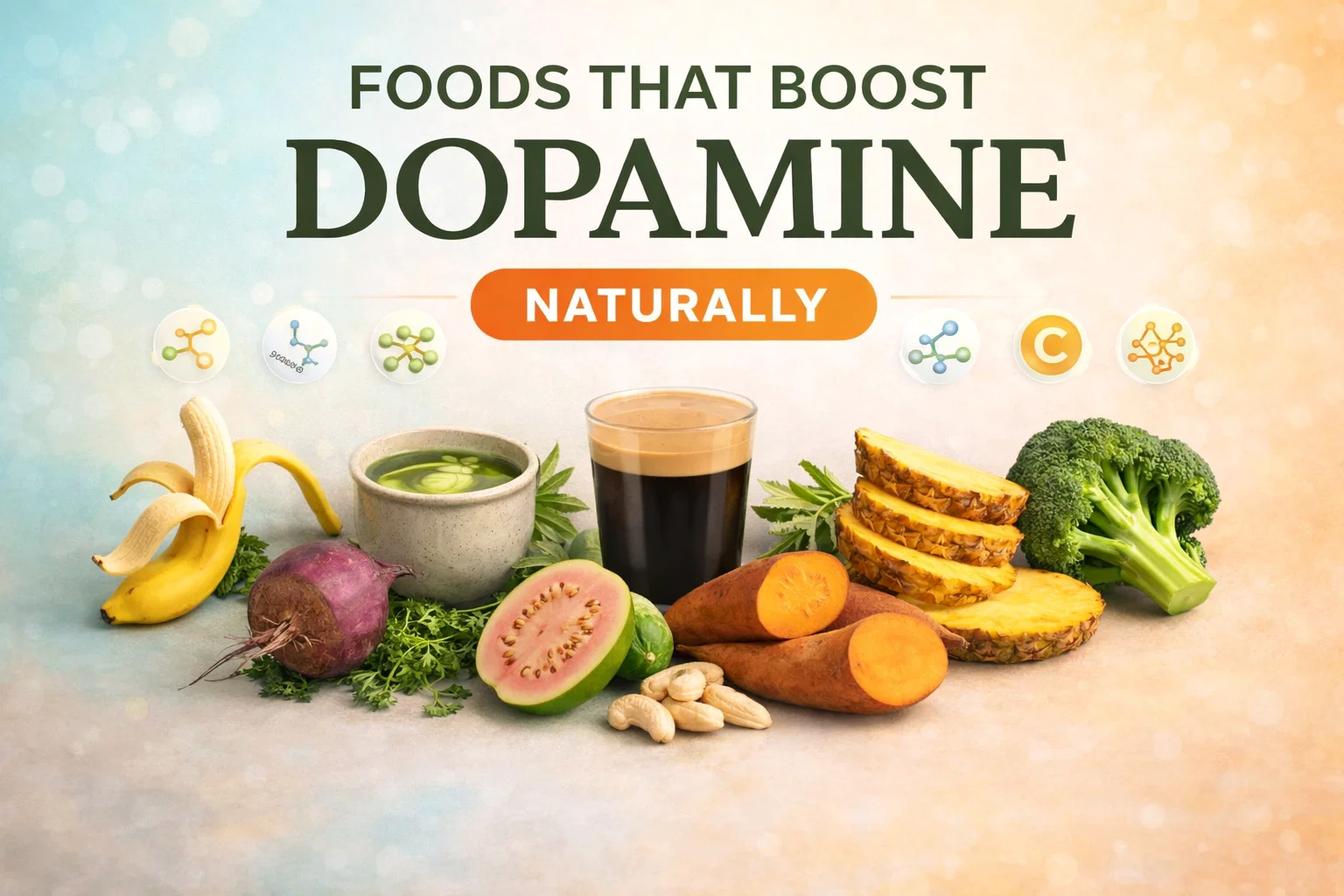
These foods will help you increase dopamine
Have you ever had one of those days where your brain feels like it is stuck in a thick fog? You are reaching for that third cup of coffee, staring at your to-do list, and simply cannot find the drive to get started. That feeling of being unmotivated or mentally drained is often more than just a lack of sleep. It is frequently a signal from your brain that your dopamine levels need a natural recharge. Dopamine is the chemical messenger in your brain that controls motivation, reward, and pleasure. When it is flowing, you feel like a superhero. When it is low, even the smallest tasks feel like climbing a mountain. The good news is that you do not need synthetic shortcuts to fix this. You can actually eat your way to a better mood by focusing on specific, nutrient-dense foods that provide the raw building blocks your brain needs to thrive.
The Science of the Motivation Molecule
Before we dive into the grocery list, it is helpful to understand what is actually happening inside your head. Dopamine is a neurotransmitter that plays a starring role in how we perceive the world. It is often called the motivation molecule because it is responsible for that surge of satisfaction we feel when we accomplish a goal. However, your body cannot just create dopamine out of thin air. It requires specific amino acids, vitamins, and minerals to synthesize this chemical. By consuming foods high in these precursors, you are essentially giving your brain a high-quality fuel injection.
The Tyrosine Connection
If dopamine had a primary ingredient, it would be an amino acid called tyrosine. When you consume tyrosine-rich foods, your body converts it into L-dopa, which then becomes dopamine. Without enough tyrosine in your diet, your brain struggles to keep up with the demand, leading to that dreaded mental burnout. This is why focusing on whole foods is so much more effective for long-term mental health than relying on sugary snacks that provide a temporary, artificial spike followed by a massive crash.
Tropical Powerhouse: Bananas and Pineapple
Nature has a way of packaging brain-boosting nutrients in the most delicious wrappers. Take the humble banana, for example. It is one of the most accessible ways to support your neurological health. Bananas are loaded with tyrosine, making them a direct contributor to dopamine production. They also contain a healthy dose of vitamin B6, which acts as a co-factor in the synthesis of neurotransmitters. Eating a banana in the morning is not just a quick breakfast choice; it is a strategic move for your mental clarity.
Pineapple is another tropical hero that often gets overlooked in the mental health conversation. Beyond its vibrant flavor, pineapple contains bromelain. While bromelain is famous for its anti-inflammatory properties and its ability to aid digestion, a healthy gut is directly linked to a healthy brain. Since a significant portion of our neurotransmitters are actually produced in the digestive tract, keeping your gut happy with pineapple is a fantastic way to ensure your brain stays sharp and motivated.
Caffeine and Calm: Coffee and Green Tea
Most of us already have a deep relationship with coffee, but did you know it does more than just wake you up? Caffeine works by blocking adenosine receptors, which prevents you from feeling tired. More importantly, it increases the sensitivity of your dopamine receptors. This means that the dopamine already in your system works more efficiently, giving you that signature “get-up-and-go” feeling. The key is moderation. A well-timed cup of black coffee can be a potent tool for productivity, but overdoing it can lead to jitters and a later collapse.
The Magic of L-Theanine in Green Tea
If coffee is the energetic spark, green tea is the focused flow. Green tea contains a unique amino acid called L-theanine. This compound is incredible because it promotes relaxation without causing drowsiness. When L-theanine is paired with the modest amount of caffeine found in green tea, it creates a state of “calm alertness.” It helps to increase dopamine levels while simultaneously smoothing out the edges of the caffeine, preventing that anxious feeling that coffee can sometimes induce. It is the perfect drink for deep work or creative projects.
Earthy Gains: Beets and Sweet Potatoes
Roots and tubers are some of the most grounding foods you can include in your diet. Beets are particularly fascinating because they are rich in nitrates. These nitrates help to dilate blood vessels, improving blood flow throughout the entire body, including the brain. When your brain gets more oxygen and nutrient-rich blood, it functions at a higher capacity. Some studies even suggest that the betaine found in beets acts as a natural antidepressant by supporting the production of dopamine and serotonin.
Sweet potatoes provide a different kind of benefit through beta-carotene. This powerful antioxidant helps protect brain cells from oxidative stress and inflammation. Furthermore, sweet potatoes are a complex carbohydrate. Unlike white sugar which causes a rapid dopamine spike and crash, the complex sugars in sweet potatoes provide a slow, steady release of energy. This keeps your mood stable throughout the afternoon, preventing the dreaded 3 PM slump that sends most people reaching for a candy bar.
The Green Giant: Broccoli and Sulforaphane
Your parents were right about finishing your broccoli. This cruciferous vegetable is a nutritional titan. One of its most potent components is sulforaphane. This compound has been shown to have neuroprotective effects, meaning it helps keep your brain cells healthy and resilient. Broccoli is also a great source of folate. Folate deficiency has been linked to lower levels of dopamine and higher rates of mood disorders. By adding a serving of roasted or steamed broccoli to your dinner, you are providing your nervous system with the structural support it needs to stay balanced.
Snack Smart: Cashews and Copper
When you need a quick snack, reach for a handful of cashews. These kidney-shaped nuts are more than just a creamy treat. They are an excellent source of copper, a mineral that is essential for the conversion of dopamine into norepinephrine, another chemical that helps you stay alert and focused. Cashews also provide healthy fats and protein, which slow down the absorption of nutrients and keep your brain fueled for longer periods. Just a small serving can help bridge the gap between meals while keeping your dopamine production on track.
The Vitamin C Boost from Guava
While oranges usually get all the glory for Vitamin C, guava is actually a much more concentrated source. Why does Vitamin C matter for your mood? It acts as a vital antioxidant that protects the brain from free radicals. Even more importantly, Vitamin C is a necessary co-factor in the enzymatic reaction that turns dopamine into other essential hormones. A deficiency in Vitamin C can lead to fatigue and a lack of motivation, making guava a delicious and effective tool for staying mentally energized.
How to Build a Dopamine-Friendly Lifestyle
While eating these specific foods is a massive step in the right direction, your diet works best when it is part of a larger strategy. Your brain is a complex organ that responds to your environment and your habits just as much as what you put in your mouth. To get the most out of these dopamine-boosting foods, consider these simple lifestyle adjustments:
- Get Direct Sunlight: Exposure to natural light, especially in the morning, helps regulate your circadian rhythm and boosts the release of dopamine.
- Prioritize Sleep: Your dopamine receptors “reset” while you sleep. If you are chronically sleep-deprived, your receptors become less sensitive, meaning you will feel less joy and motivation regardless of what you eat.
- Celebrate Small Wins: Because dopamine is the reward chemical, acknowledging small accomplishments actually trains your brain to release more of it, creating a positive feedback loop.
- Keep Moving: Exercise is one of the fastest ways to increase neurotransmitter levels. Even a quick ten-minute walk can significantly lift your mood.
Crafting the Perfect Brain-Boosting Meal Plan
Integrating these foods into your daily routine does not have to be complicated. Start your morning with a green tea and a banana or a bowl of oatmeal topped with cashews. For lunch, try a vibrant salad featuring roasted beets and steamed broccoli. If you need an afternoon pick-up, a small cup of coffee or some fresh guava slices can work wonders. For dinner, a baked sweet potato paired with your favorite protein and a side of greens ensures you end the day with a steady supply of brain-supporting nutrients. The key is variety and consistency. You do not have to eat all of these every day, but keeping them as staples in your pantry will make a noticeable difference in how you feel and think.
Final Thoughts on Natural Mental Energy
We live in a world that often encourages us to look for quick fixes, whether that is through excessive caffeine, sugary energy drinks, or endless scrolling for a digital hit of dopamine. However, the most sustainable and effective way to manage your mental energy is through the foundational power of nutrition. By choosing foods like bananas, coffee, beets, and broccoli, you are choosing to support your brain’s natural chemistry. You are giving yourself the gift of clarity, motivation, and a more resilient mood. Your brain does so much for you every single day; it is time to return the favor by fueling it with the very best that nature has to offer. Start small, try one or two of these foods today, and pay attention to how your focus shifts. You might be surprised at just how powerful a well-fed brain can be.
Would you like me to help you create a specific 7-day meal plan based on these dopamine-boosting ingredients?