Best Vitamins and Nutrients for Natural Hair Regrowth Vitamin A, Biotin, Zinc, and Iron
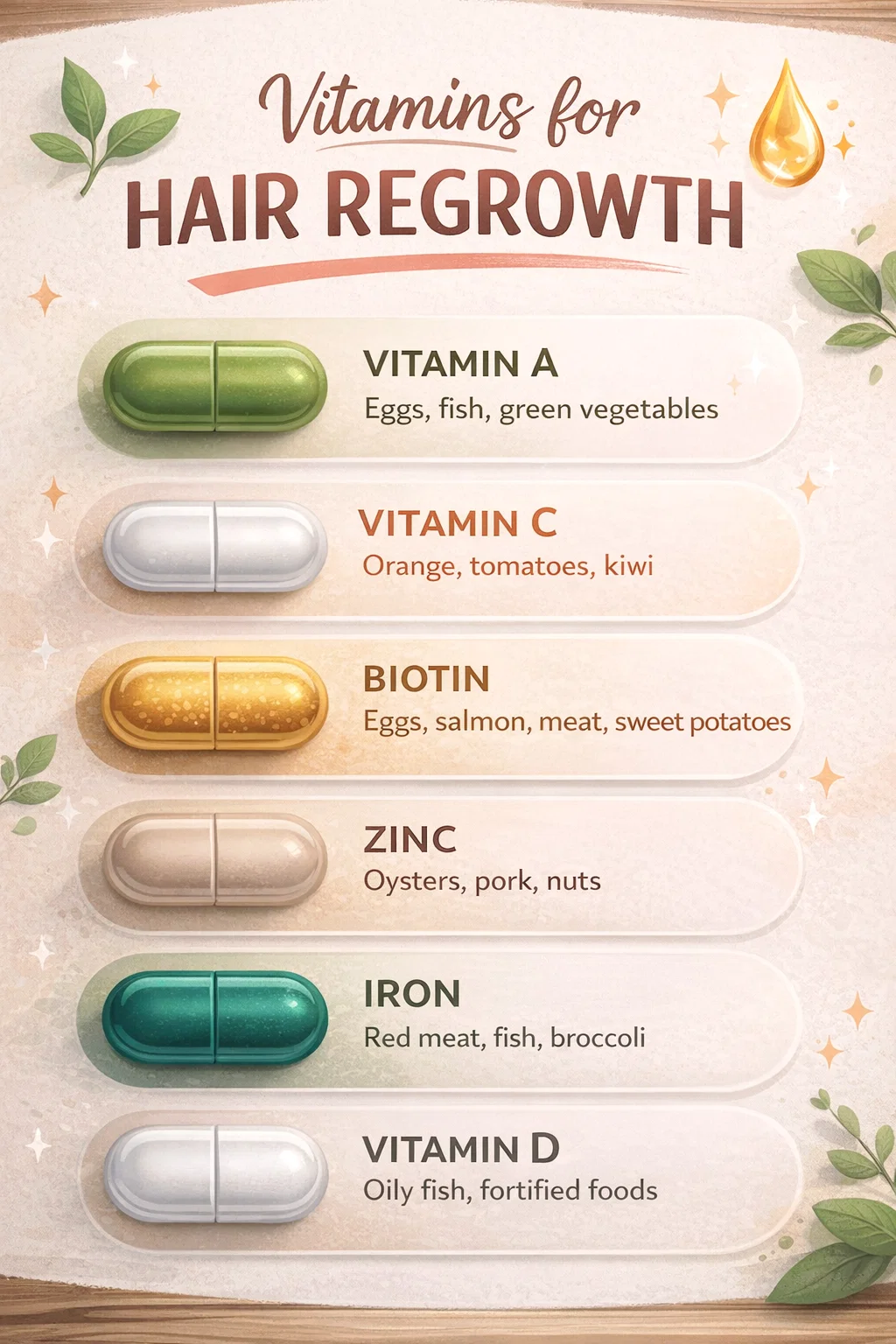
Achieving a lush, full head of hair is a goal shared by millions of people across the globe. Whether you have noticed a bit more hair in the brush than usual or you simply want to enhance your natural volume, the journey to better hair health often starts at the dinner table rather than the salon. The image we are exploring today highlights a fundamental truth about human biology: our hair is a reflection of our internal nutritional status. While topical treatments like shampoos and serums have their place, the real magic happens when you nourish your follicles from within. By understanding the specific vitamins and minerals that drive the hair growth cycle, you can take control of your appearance and boost your confidence through the power of targeted nutrition.
The Science of Hair Growth and Nutrition
To understand why specific nutrients like Biotin or Zinc are so vital, we first need to look at how hair actually grows. Hair is one of the fastest growing tissues in the human body, but because it is not a vital organ, your body often deprioritizes it when nutrient levels are low. When you are stressed or lacking in certain vitamins, your system redirects those resources to your heart, brain, and lungs, leaving your hair to fend for itself. This is why nutritional deficiencies are one of the most common root causes of thinning and dullness.
The hair follicle is a tiny bio-factory. It requires a constant supply of energy, oxygen, and protein to produce the keratin shaft that we see as hair. When you consume the right balance of vitamins, you are essentially providing the raw materials needed for this factory to operate at peak efficiency. This biological approach to beauty is gaining massive popularity because it addresses the problem at the source rather than just masking the symptoms.
Vitamin A: The Fuel for Cellular Growth
As highlighted in our guide, Vitamin A is a powerhouse for cellular development. Every cell in the human body requires Vitamin A for growth, and since hair is the fastest growing tissue, it is particularly sensitive to Vitamin A levels. But the benefits go beyond just speed. Vitamin A helps skin glands make an oily substance called sebum. Sebum moisturizes the scalp and helps keep hair healthy and vibrant.
Best Sources of Vitamin A
- Eggs: A versatile source that also provides protein.
- Oily Fish: Rich in healthy fats that complement the vitamin.
- Green Vegetables: Spinach and kale are loaded with beta-carotene, which the body converts into Vitamin A.
It is important to maintain a balance, as too much Vitamin A can actually lead to hair loss. Sticking to whole food sources like those mentioned in our infographic is the safest and most effective way to ensure you are getting just the right amount to keep your scalp hydrated and your follicles active.
Vitamin C: More Than Just an Immune Booster
While most people associate Vitamin C with fighting off a cold, it is an absolute essential for anyone seeking hair regrowth. Vitamin C is a powerful antioxidant that helps protect against the oxidative stress caused by free radicals. Free radical damage can block growth and cause your hair to age prematurely. Furthermore, Vitamin C is a critical component in the production of collagen, a protein that is a major part of the hair structure.
Another hidden benefit of Vitamin C is its ability to help your body absorb iron, another mineral mentioned in our visual guide. Without enough Vitamin C, even a high iron diet might not be enough to save your strands. Focus on citrus fruits like oranges, but do not forget about kiwi and tomatoes, which are surprisingly high in this hair loving nutrient.
Biotin: The Famous B-Vitamin for Thick Strands
If you have ever looked into hair supplements, you have undoubtedly seen Biotin at the top of the list. Also known as Vitamin B7, Biotin is well known for its role in keratin production. Keratin is the primary protein that makes up your hair, skin, and nails. Studies have shown that Biotin deficiency can lead to significant hair thinning and even rashes, making it a non-negotiable part of your regrowth toolkit.
Integrating Biotin into Your Daily Meals
You do not always need a pill to get your Biotin fix. Natural sources are often better absorbed by the body. Sweet potatoes, salmon, and meat are excellent choices. Eggs are another fantastic source, but a pro tip is to make sure the eggs are cooked, as raw egg whites contain a protein that can actually block Biotin absorption. By consistently including these foods, you provide the structural support your hair needs to grow thick and strong.
Zinc: The Scalp Repair Specialist
Zinc plays a crucial role in hair tissue growth and repair. It also helps keep the oil glands around the follicles working properly. A common sign of zinc deficiency is hair loss, along with a dry, flaky scalp. Because the body does not have a specialized zinc storage system, you need to consume it regularly through your diet.
Oysters are famous for being the highest source of zinc, but if shellfish isn’t on your menu, you can find plenty of zinc in pork, nuts, and soybeans. Incorporating a handful of nuts into your snack routine is one of the easiest ways to ensure your scalp remains a healthy environment for new hair to sprout.
Iron: Carrying Oxygen to the Root
Iron helps red blood cells carry oxygen to your cells. This makes it an important mineral for many bodily functions, including hair growth. Iron deficiency, which causes anemia, is a major cause of hair loss, especially in women. When iron levels are low, the oxygen supply to the hair follicle is diminished, which can cause the hair to enter the shedding phase prematurely.
To keep your iron levels optimal, look toward dark leafy greens like broccoli and fortified foods. As mentioned earlier, pairing these with Vitamin C rich foods will maximize your results. If you feel constantly tired and notice your hair thinning, checking your iron levels should be your first step toward recovery.
Vitamin D: Awakening the Follicles
Vitamin D is unique because your body can produce it through sunlight, but many people remain deficient, especially in colder climates. In the context of hair, Vitamin D is thought to play a role in the creation of new follicles, the tiny pores in the scalp where new hair can grow. More follicles mean higher hair density.
You can find Vitamin D in oily fish and egg yolks, as well as fortified cereals and milk. Ensuring you get enough Vitamin D is like waking up dormant parts of your scalp, encouraging them to start the growth process once again.
A Simple Summary of Nutrients and Food Sources
- Vitamin A: Found in eggs and greens; creates sebum for scalp moisture.
- Vitamin C: Found in oranges and kiwi; produces collagen and fights oxidative stress.
- Biotin: Found in salmon and sweet potatoes; essential for keratin production.
- Zinc: Found in oysters and nuts; repairs hair tissue and regulates oil glands.
- Iron: Found in broccoli and fish; delivers oxygen to the hair roots.
- Vitamin D: Found in oily fish; helps create new hair follicles.
Lifestyle Habits to Complement Your Diet
While eating the right foods is the foundation of hair regrowth, your daily habits can either help or hinder your progress. Physical stress and lack of sleep can raise cortisol levels, which is a known trigger for hair shedding. Ensuring you get seven to eight hours of quality sleep allows your body to focus on tissue repair and growth.
Additionally, how you treat your hair externally matters. Avoid excessive heat styling and harsh chemical treatments while you are focusing on a regrowth phase. Think of your hair like a delicate plant. You are fertilizing the soil with your diet, so make sure you aren’t damaging the leaves with harsh environmental factors.
The Importance of Consistency
One of the biggest mistakes people make when starting a hair regrowth journey is giving up too soon. Hair grows at an average rate of half an inch per month. This means it can take three to six months of consistent nutritional intake before you see a visible difference in your mirror. Patience is your best friend in this process.
Try to view your new diet not as a temporary fix but as a lifestyle change. When you nourish your body with the vitamins and minerals shown in the guide, you aren’t just helping your hair. You are also improving your skin clarity, your nail strength, and your overall energy levels. It is a holistic win for your entire body.
When to Consult a Professional
While nutrition is a powerful tool, hair loss can sometimes be a symptom of an underlying medical condition like thyroid issues or hormonal imbalances. If you have made significant dietary changes and do not see any improvement after several months, it is a good idea to speak with a dermatologist or a healthcare provider. They can run blood tests to check for specific deficiencies and ensure there are no other factors at play.
Final Thoughts on Your Hair Regrowth Journey
Reclaiming your hair health is a journey of self care and patience. As we have seen, the path to thicker, fuller hair is paved with essential vitamins like A, C, D, Biotin, Zinc, and Iron. By focusing on whole, nutrient dense foods like oily fish, leafy greens, eggs, and nuts, you are giving your follicles the best possible chance to thrive. Remember that beauty truly does start from within, and every healthy meal you eat is a step toward the hair you have always wanted. Start incorporating these powerhouse nutrients today, stay consistent, and watch as your hair transforms into its strongest, most vibrant version. Save these tips, plan your meals, and get ready to love your hair again!