Body Warning Signs You Should Never Ignore for Better Health
Our bodies are constantly communicating with us. Sometimes the message is obvious, like pain after an injury. Other times, it is subtle: persistent fatigue, bloating that keeps returning, skin flare-ups, brain fog, poor sleep, or changes in appetite and weight. These signals can feel frustrating, especially when they appear unrelated, but they often point to something worth paying attention to.
The popular idea that “your body is warning you” can be useful when it encourages awareness. However, it is important to approach symptom lists with balance. Not every rash means “toxins,” not every episode of bloating means something serious, and not every sleepless night is caused by inflammation. Symptoms are clues, not final answers.
This guide explores common body warning signs in a practical, evidence-informed way. You will learn what these symptoms may suggest, how lifestyle factors can play a role, and when it is smart to speak with a healthcare professional.
Key Takeaways
- Common symptoms like fatigue, bloating, insomnia, and skin changes can have many possible causes.
- Stress, sleep, diet, hydration, hormones, medications, and underlying conditions can all influence how you feel.
- Repeated or worsening symptoms deserve attention, especially when they affect daily life.
- Symptom tracking can help you notice patterns and have better conversations with your doctor.
- Seek urgent help for severe symptoms such as chest pain, trouble breathing, fainting, or sudden neurological changes.
Why Body Signals Matter
It is easy to dismiss symptoms when life is busy. A headache becomes “just stress.” Fatigue becomes “just being tired.” Bloating becomes “just something I ate.” Sometimes that is true, but recurring symptoms are worth observing because they can reveal patterns in your routine, nutrition, sleep, stress levels, digestion, hormones, or overall health.
Important: A symptom is not a diagnosis. It is a starting point. The safest approach is to notice what is happening, look for patterns, and get medical guidance when symptoms are persistent, severe, unexplained, or worsening.
Many online wellness graphics use dramatic language around “toxins,” “detox pathways,” or “hidden infections.” While the body does remove waste through organs like the liver, kidneys, lungs, digestive tract, and skin, vague detox explanations can oversimplify complex symptoms. A more helpful approach is to ask: What changed? How long has this been happening? What makes it better or worse? Are there other symptoms happening at the same time?
Common Warning Signs Your Body May Be Sending
The symptoms below are common, but they should not be ignored when they are persistent or interfere with daily life. Understanding the possible connections can help you respond with care instead of panic.
Fatigue and Low Energy
Fatigue is one of the most common body signals. It can be linked to poor sleep, stress, dehydration, low physical activity, nutritional gaps, mood changes, medication side effects, thyroid issues, anemia, infections, or chronic health conditions. The key question is whether rest helps. Ordinary tiredness usually improves with sleep and recovery, while deeper fatigue may linger even after rest.
If fatigue lasts for weeks, feels unusual for you, or comes with symptoms like shortness of breath, dizziness, unexplained weight loss, fever, heavy periods, or mood changes, it is worth getting checked.
Bloating, Nausea, and Digestive Discomfort
Bloating can happen after eating quickly, consuming gas-producing foods, drinking carbonated beverages, experiencing constipation, or dealing with stress. It may also be connected to food intolerances, irritable bowel syndrome, hormonal shifts, digestive infections, or medication changes.
Nausea is another broad symptom. It can come from indigestion, motion sickness, pregnancy, migraine, anxiety, certain medications, infections, or blood sugar changes. Occasional digestive upset is common, but ongoing symptoms deserve more attention.
Pro Tip: Track digestive symptoms alongside meals, stress, sleep, menstrual cycle timing, and bowel habits. Patterns often become clearer when you record them for one to two weeks instead of relying on memory.
Skin Changes: Rash, Eczema, and Acne
Skin changes can feel alarming because they are visible. Rashes may be caused by allergic reactions, irritants, infections, heat, autoimmune conditions, medication reactions, or chronic skin disorders. Eczema can flare with dryness, allergens, weather changes, stress, fragrances, harsh soaps, or immune system activity. Acne may be influenced by hormones, genetics, skincare products, certain medications, and sometimes diet.
It is tempting to view every skin flare as a sign that the body is “pushing toxins out,” but that is not a reliable explanation. Skin symptoms are real signals, but they need context. A new rash that spreads quickly, appears with fever, causes swelling, blisters, severe pain, or trouble breathing should be treated urgently.
Brain Fog and Trouble Concentrating
Brain fog is not a formal diagnosis, but many people use the phrase to describe feeling mentally slow, forgetful, unfocused, or cloudy. Common contributors include poor sleep, stress, dehydration, low food intake, blood sugar swings, hormonal changes, medication effects, anxiety, depression, infections, and some chronic conditions.
When brain fog appears with fatigue, dizziness, frequent urination, headaches, sleep problems, or mood changes, the pattern may be more informative than the symptom alone. Instead of assuming one cause, look at the full picture.
Insomnia and Restless Sleep
Sleep problems can be both a cause and a result of other issues. Stress, anxiety, caffeine, irregular sleep schedules, screen exposure at night, pain, reflux, hormonal shifts, medications, and sleep disorders can all make sleep difficult. One poor night is normal. A repeated pattern of insomnia can affect energy, mood, digestion, immune function, appetite, and concentration.
A simple sleep reset can help: keep a consistent wake time, get morning light, limit caffeine later in the day, create a wind-down routine, and keep the bedroom cool and dark. If insomnia continues, professional guidance may help identify the underlying reason.
Stress Can Show Up Physically
Stress is not “just in your head.” The body can respond to stress with muscle tension, headaches, stomach upset, changes in appetite, rapid heartbeat, sleep problems, elevated blood pressure, jaw clenching, dizziness, and fatigue. This does not mean symptoms are imaginary. It means the nervous system and body are deeply connected.
Why This Matters
When multiple symptoms appear together, such as anxiety, fatigue, bloating, insomnia, and headaches, stress may be part of the picture. Still, stress should not be used as a catch-all explanation. Persistent symptoms deserve thoughtful evaluation, especially when they are new, intense, or affecting your quality of life.
Anxiety and Body Sensations
Anxiety can create very real physical sensations: tight chest, upset stomach, sweating, shaking, dizziness, racing thoughts, and sleep disruption. These symptoms can be frightening, which may create a cycle where fear of the symptom intensifies the symptom itself.
Grounding techniques, slow breathing, regular movement, therapy, and support from a healthcare provider can make a meaningful difference. If anxiety symptoms are new, severe, or feel like a medical emergency, it is important to seek help promptly.
High Blood Pressure and Physical Strain
High blood pressure often has no obvious symptoms, which is why regular checks matter. Stress can temporarily raise blood pressure, but ongoing high readings may involve genetics, diet, activity level, sleep apnea, kidney issues, medications, alcohol intake, or other health factors.
Do not rely on symptoms alone to know whether your blood pressure is healthy. A home monitor or routine clinic check can provide useful information.
Hormonal and Metabolic Clues
Some symptoms may point toward hormonal or metabolic changes, especially when several appear together. Hair loss, irregular periods, low libido, weight changes, cold hands and feet, fatigue, frequent urination, and dizziness can have many explanations. They may be related to stress, thyroid function, blood sugar regulation, iron levels, hydration, nutritional intake, pregnancy, menopause, polycystic ovary syndrome, medication effects, or other health concerns.
Hair Loss
Hair shedding can increase after illness, major stress, childbirth, rapid weight changes, low iron, thyroid problems, scalp conditions, or certain medications. Gradual thinning may also be genetic. Since hair growth cycles are slow, shedding often reflects something that happened weeks or months earlier.
Irregular Periods
Periods can shift because of stress, weight changes, intense exercise, travel, sleep disruption, hormonal contraception, pregnancy, perimenopause, thyroid changes, or PCOS. A single irregular cycle may not be concerning, but repeated changes, very heavy bleeding, severe pain, bleeding between periods, or missed periods should be discussed with a healthcare professional.
Frequent Urination
Frequent urination can result from drinking more fluids, caffeine, anxiety, urinary tract infections, pregnancy, bladder irritation, diabetes, or certain medications. If it is paired with excessive thirst, fatigue, weight changes, burning, fever, or back pain, it deserves medical attention.
Important: Symptoms like dizziness, frequent urination, fatigue, and unexplained weight changes can overlap with blood sugar or blood pressure issues. Do not self-diagnose from a checklist. Testing may be needed to understand what is really happening.
Pain, Inflammation, and Immune System Signals
Joint pain, chronic congestion, cramping, and autoimmune symptoms are often described as signs that the body is “fighting” something. Sometimes inflammation is involved, but the cause can vary widely.
Joint Pain
Joint pain may come from overuse, injury, arthritis, autoimmune conditions, infections, posture, repetitive strain, or inflammation. Occasional soreness after activity is different from persistent swelling, morning stiffness, warmth, redness, or pain that limits movement.
Chronic Congestion
Congestion can be linked to allergies, sinus infections, irritants, dry air, smoke exposure, nasal polyps, reflux, or structural issues. Mucus is part of the body’s defense system, but chronic congestion does not automatically mean toxins or pathogens are trapped. If symptoms last for weeks, keep returning, or include fever, facial pain, or breathing problems, it is worth getting advice.
Cramping and Muscle Spasms
Muscle cramps may be related to dehydration, exercise, electrolyte shifts, prolonged sitting, certain medications, circulation issues, or nerve irritation. Menstrual cramps can be common, but severe or worsening pelvic pain should not be brushed off.
How to Listen to Your Body Without Spiraling
Body awareness is valuable, but it can become overwhelming when every sensation feels like a warning sign. The goal is not to fear your body. The goal is to build a calm, practical relationship with it.
Start With the Basics
- Are you sleeping enough and waking at consistent times?
- Are you eating regular meals with protein, fiber, and healthy fats?
- Are you drinking enough water?
- Have stress levels changed recently?
- Did you start a new medication, supplement, skincare product, or food routine?
- Are symptoms connected to your menstrual cycle, workouts, travel, or certain meals?
These questions do not replace medical care, but they can help you identify obvious triggers and prepare for a more productive appointment if needed.
Create a Simple Symptom Log
A symptom log does not need to be complicated. Note the symptom, time of day, intensity, meals, sleep, stress level, medications, and anything that helped. After a week or two, patterns may emerge.
- Write down the main symptom in one sentence.
- Rate it from 1 to 10.
- Record what happened before it started.
- Note how long it lasted.
- List any related symptoms.
This simple habit can turn vague concerns into useful information.
When to Seek Medical Help
Some symptoms should be addressed quickly. Seek urgent care or emergency help for chest pain, trouble breathing, sudden weakness or numbness, fainting, severe abdominal pain, severe allergic reaction, confusion, sudden vision or speech changes, or severe headache unlike anything you have had before.
For non-emergency symptoms, book a healthcare appointment if symptoms are persistent, worsening, unexplained, affecting daily life, or appearing together in a pattern. This includes ongoing fatigue, recurring dizziness, unexplained weight changes, frequent urination with thirst, persistent bloating, new or spreading rash, irregular bleeding, chronic pain, or sleep problems that do not improve.
Pro Tip: Bring your symptom log, medication list, supplements, recent diet changes, and key questions to your appointment. Clear details can help your provider decide whether labs, imaging, referrals, or lifestyle adjustments are appropriate.
Supportive Habits That Help Many Body Systems
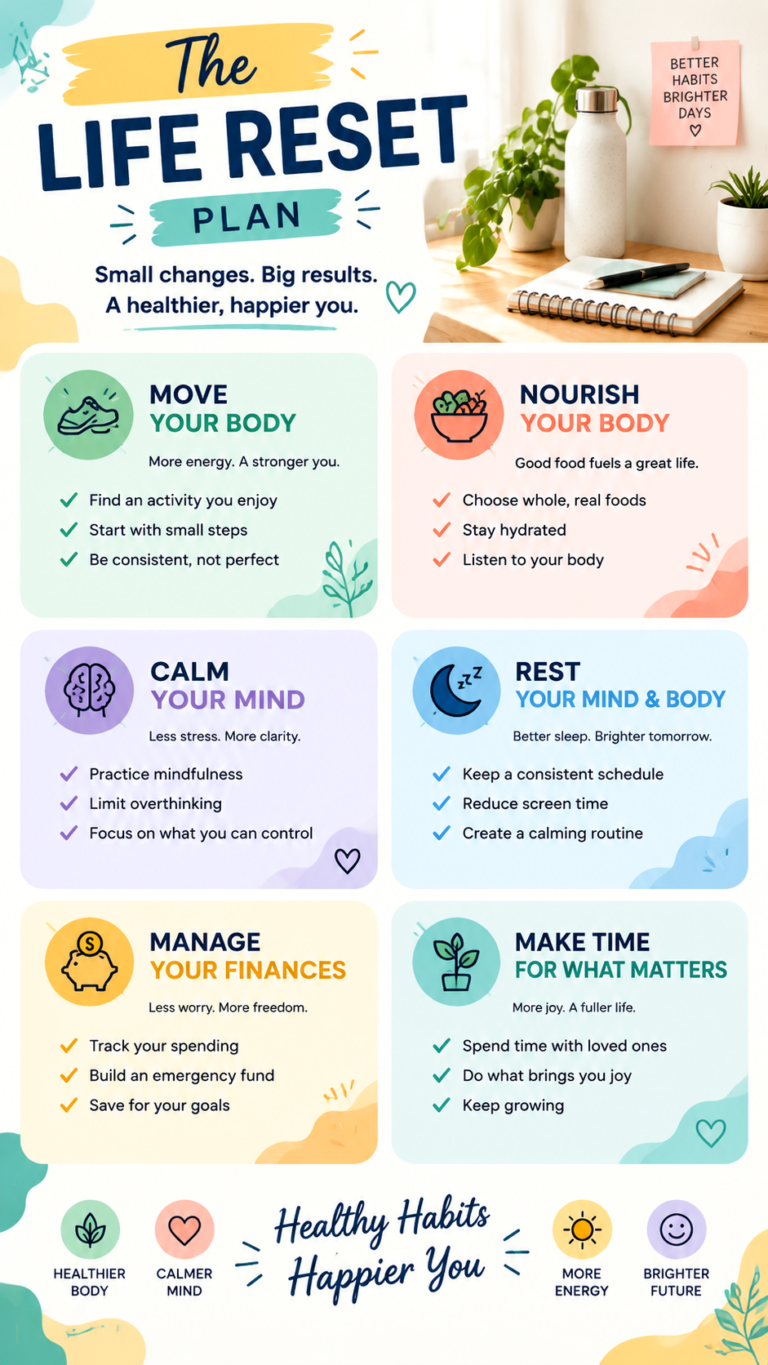
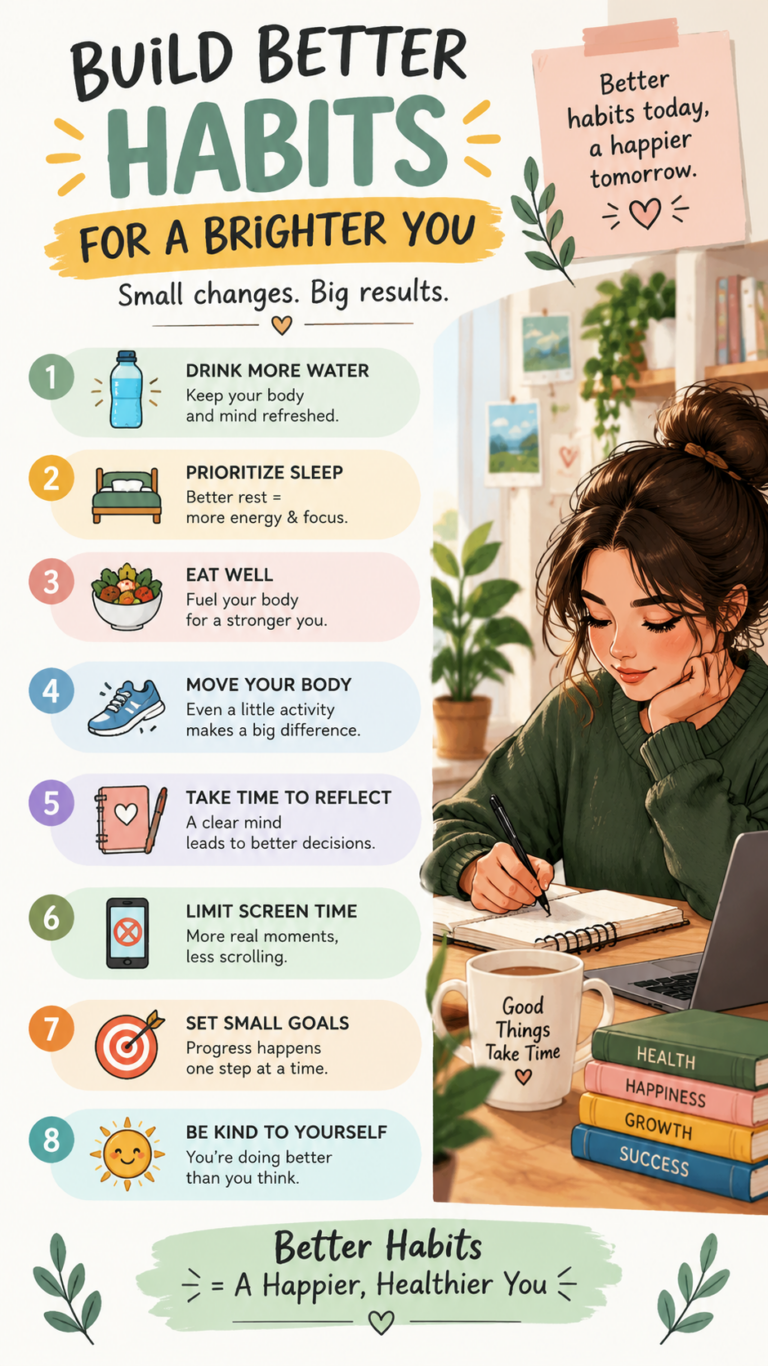
While not every symptom can be solved with lifestyle changes, daily habits do influence energy, digestion, sleep, mood, skin, and inflammation. Small consistent changes often work better than extreme routines.
Prioritize Sleep Rhythm
A regular sleep schedule supports hormones, appetite, mood, and concentration. Try waking at the same time most days, getting morning light, limiting late caffeine, and creating a calming bedtime routine.
Eat for Steady Energy
Meals that include protein, fiber-rich carbohydrates, healthy fats, and colorful produce can help support stable energy and digestion. Skipping meals or relying heavily on sugar and caffeine may worsen fatigue, anxiety, headaches, and blood sugar swings for some people.
Move Gently and Consistently
Movement supports circulation, mood, digestion, sleep, and joint health. This does not need to mean intense workouts. Walking, stretching, yoga, strength training, cycling, or dancing can all count. Choose what feels sustainable.
Reduce Irritants Where Possible
If you are dealing with skin flares, congestion, headaches, or digestive discomfort, consider common irritants such as fragranced products, smoke, alcohol, excessive caffeine, ultra-processed foods, poor indoor air quality, or inconsistent sleep. You do not need to change everything at once. Start with one manageable adjustment.
At a Glance
- Symptoms are clues, not proof of one specific cause.
- Look for patterns before making assumptions.
- Persistent, worsening, or unusual symptoms should be evaluated.
- Sleep, stress, hydration, nutrition, and movement can influence many body signals.
- Urgent symptoms require urgent care, not home troubleshooting.
Conclusion: Listen, Track, and Respond With Care
Your body is always giving feedback. Fatigue, bloating, skin changes, anxiety, insomnia, brain fog, pain, and hormonal shifts can all be meaningful signals. But the best response is not fear or guesswork. It is curiosity, pattern recognition, and timely support.
Use symptoms as invitations to care for yourself more intentionally. Rest when you need rest. Adjust habits that are clearly working against you. Track patterns when symptoms repeat. And when something feels unusual, persistent, or concerning, reach out to a qualified healthcare professional.
Listening to your body does not mean assuming the worst. It means respecting the message enough to respond wisely.
Tags
Body Warning Signs Wellness Tips Gut Health Stress Support Fatigue Skin Health Healthy Habits Health Awareness
::contentReference[oaicite:0]{index=0}