How to Make Traditional Scottish Crowdie The No-Heat Fermented Oat Superfood
For centuries, the rugged landscapes of the Scottish Highlands were home to some of the most resilient communities in human history. To survive the biting cold of northern winters, these people relied on more than just grit; they relied on a deep, ancestral understanding of food science. While modern society often views oats as a quick breakfast to be boiled and consumed in haste, the tradition of Crowdie tells a much different story. It is a story of fermentation, biological optimization, and a way of life that prioritized nutritional value over convenience.
The Great Oatmeal Debate: Raw versus Processed
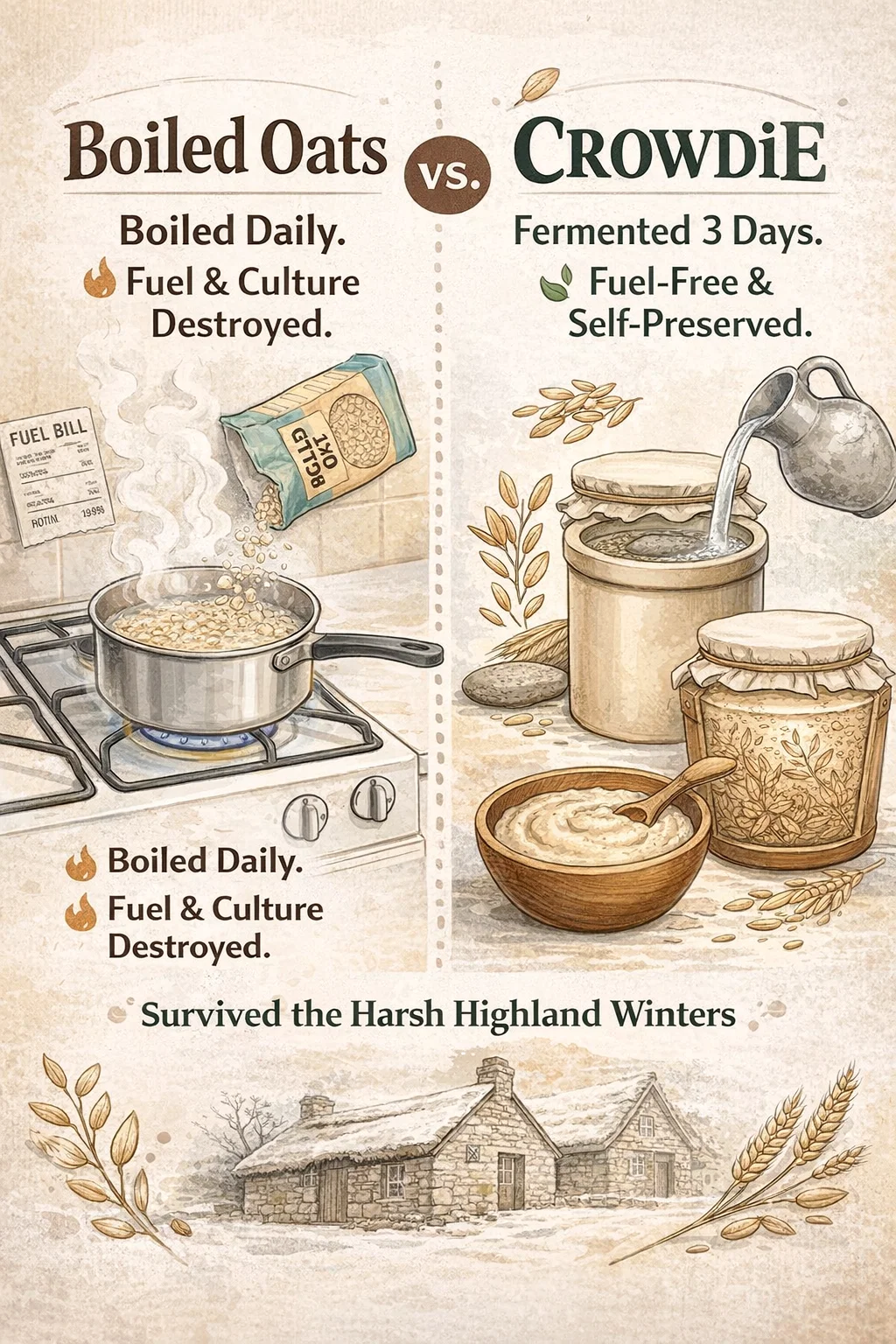
When we look at how we consume grains today, we often find ourselves in the category labeled as chaotic or misunderstood. Most of us prepare oats by boiling them until they are dead. This process, while fast, requires a constant source of fuel and often results in a dish that has had its delicate enzymatic culture destroyed by high heat. We are essentially eating for calories rather than for true vitality. In contrast, the traditional method of preparing Crowdie represents an orderly and valuable approach to nutrition.
Crowdie is not just a dish; it is a biological process. By moving away from the stove and toward the fermentation crock, the Highlanders were able to unlock the hidden potential of the oat. This method required no heat and relied on cold water and time. By allowing the oats to sit for three days in a cold lactic process, the grain transformed from a simple starch into a self-preserved superfood that could sustain a family through the hardest seasons.
The Science of the Three Day Cold Lactic Process
What happens to a grain when it is submerged in cold water and left to ferment? On a microscopic level, a revolution is taking place. The three day cold lactic process is a natural fermentation method that utilizes the beneficial bacteria present on the grain and in the environment. This process is far superior to boiling for several key reasons that modern nutritionists are only now beginning to fully appreciate.
Increasing Protein Bioavailability
One of the most significant benefits of the Crowdie fermentation method is the increase in protein bioavailability. Oats are naturally high in protein compared to many other grains, but much of that protein is locked away in complex structures that our digestive systems struggle to break down. The fermentation process acts as a form of pre-digestion. The lactic acid bacteria break down these complex proteins into simpler amino acids, making it much easier for the human body to absorb and utilize the nutrients immediately.
The Production of Essential B Vitamins
In the middle of a Highland winter, access to fresh produce was non-existent. This meant that inhabitants had to find alternative ways to source essential vitamins. During the fermentation of Crowdie, the metabolic activity of the bacteria actually produces a range of B vitamins. These vitamins are crucial for energy production, brain function, and maintaining a healthy nervous system. By eating fermented oats, the Highlanders were essentially consuming a natural multivitamin created by the fermentation process itself.
Reducing Phytic Acid for Mineral Absorption
Raw grains contain phytic acid, often referred to as an anti-nutrient. Phytic acid binds to important minerals like magnesium, calcium, and zinc in the digestive tract, preventing the body from absorbing them. This is a common issue with modern oat consumption. However, the slow, cold fermentation used in making Crowdie significantly reduces phytic acid levels. This allows the body to access the full mineral profile of the grain, ensuring that every bite contributes to bone health and metabolic function.
A Fuel Efficient Way of Life
In the modern world, we rarely think about the cost of the fuel required to cook our meals. We turn on a gas stove or a microwave without a second thought. But for the historical communities of Northern Europe, fuel was a precious resource. Gathering wood or peat was labor-intensive and dangerous in the winter months. The ability to prepare a biologically complete meal without a single fire was a massive technological advantage.
Crowdie represents the pinnacle of fuel-efficient food preparation. By using the energy of bacteria instead of the energy of fire, the Highlanders preserved their fuel for warmth rather than wasting it on boiling water. This sustainable approach to living is something that modern minimalists and survivalists are looking back to with great interest. It proves that being orderly in our food preparation can lead to a more valuable and less chaotic existence.
How to Make Traditional Scottish Crowdie at Home
Reclaiming this lost art is surprisingly simple, though it requires patience and a shift in mindset. You are no longer a cook; you are a facilitator of a biological process. Here is how you can recreate this ancient Scottish staple in your own kitchen.
- Select High Quality Oats: Use raw, rolled oats or steel-cut oats. Ensure they have not been pre-steamed or highly processed, as you want the natural cultures to be intact.
- The Soaking Phase: Place your oats in a ceramic or glass crock. Cover them completely with cold, filtered water. Use a weight to ensure the oats remain submerged, preventing unwanted mold from forming.
- The Wait: Leave the crock in a cool, dark place for approximately three days. You will begin to notice small bubbles forming on the surface, which is a sign that the lactic acid bacteria are hard at work.
- The Harvest: After three days, the oats will have a slightly tangy, pleasant aroma. They are now fermented and ready to eat. You can drain the excess liquid, which itself is a probiotic-rich tonic known as sowans in some traditions.
Flavoring Your Ferment
While the traditional Highlands version was often eaten plain or with a bit of salt, you can adapt Crowdie to modern tastes. Adding a swirl of raw honey, some toasted nuts, or fresh berries can turn this nutritional powerhouse into a delicious breakfast. Because the oats have been softened by the fermentation process, they have a creamy texture that is entirely different from the mushy consistency of boiled oatmeal.
The Cultural Destruction of Fast Food
The image highlights a poignant truth: when we choose the quick, boiled method, our culture is destroyed. This refers to both the literal bacterial culture within the food and the culinary culture of our ancestors. Fast food culture demands that everything be instant. We have traded the health benefits of slow fermentation for the convenience of a five minute breakfast. In doing so, we have lost the connection to the rhythmic, seasonal cycles of food preparation.
By bringing Crowdie back into our kitchens, we are doing more than just improving our gut health. We are participating in a form of cultural restoration. We are acknowledging that the people who came before us had a sophisticated understanding of how to thrive in harsh environments. They understood that food is a partnership between humans, grains, and the invisible world of microbes.
The Benefits of a Probiotic Rich Diet
Modern science is finally catching up to the wisdom of the Highlands. We now know that the microbiome is the cornerstone of human health. A diet rich in fermented foods like Crowdie supports a diverse population of gut bacteria, which is linked to everything from improved immunity to better mental health. When you eat Crowdie, you are introducing live, beneficial cultures into your system that help fight off inflammation and improve digestion.
Unlike store-bought yogurt which often contains added sugars and thickeners, home-fermented Crowdie is pure. It is a functional food in its most basic and powerful form. It serves as a reminder that the most valuable things in life often require time and a lack of heat to reach their full potential.
Conclusion: Returning to the Orderly Way
The choice between the raw, chaotic method and the processed, orderly method is more than just a choice of recipes. It is a choice of how we want to interact with the world around us. Do we want to continue consuming resources and destroying nutrients in the name of speed? Or are we ready to return to a more thoughtful, self-preserved way of eating?
Scottish Crowdie is a testament to human ingenuity. It fed the Highlands through the hardest winters without the need for a single fire, providing a biologically complete meal that supported the body, mind, and spirit. As we move forward into an uncertain future, perhaps the best way to progress is to look back at the fermentation crocks of our ancestors. Start your own ferment today and experience the value of oats the way they were always meant to be enjoyed.