Food Is Medicine Best Healing Foods for Heart, Brain, Liver Joints Nutrition Guide
Have you ever looked at a sliced carrot and noticed how much it resembles a human eye? Or perhaps you have marveled at how a walnut looks remarkably like a tiny human brain. This fascinating phenomenon is often referred to as the Doctrine of Signatures, an ancient philosophy suggesting that the physical characteristics of certain plants provide clues about their nutritional benefits for specific parts of the human body. While modern science focuses on molecular structures and clinical trials, the visual connection between nature and our anatomy serves as a beautiful reminder of our deep connection to the earth. In an era dominated by processed snacks and synthetic supplements, returning to the philosophy that food is medicine can be a transformative step toward holistic wellness.
The Foundations of Food as Medicine
The concept that our diet is the primary driver of our health is not a new trend. It dates back thousands of years to the time of Hippocrates, who famously advised to let food be thy medicine. This approach views nutrition not just as fuel for movement, but as a complex information system that speaks to our cells. Every bite we take delivers instructions to our DNA, influencing everything from hormone production to inflammation levels and cognitive performance. When we prioritize whole, nutrient dense foods, we are essentially giving our bodies the highest quality building blocks to repair tissue and fight off disease.
A Shift Toward Preventive Nutrition
For decades, the standard medical model has often focused on treating symptoms after they appear. However, a growing movement of health professionals and nutritionists is shifting the focus toward preventive nutrition. By understanding the specific roles that different fruits, vegetables, and seeds play in our biological systems, we can create a proactive shield against common ailments. The image of a vibrant plate filled with colorful produce is more than just an aesthetic choice; it is a pharmaceutical grade toolkit provided by nature itself.
Nurturing Your Heart with Nature Red Fruits
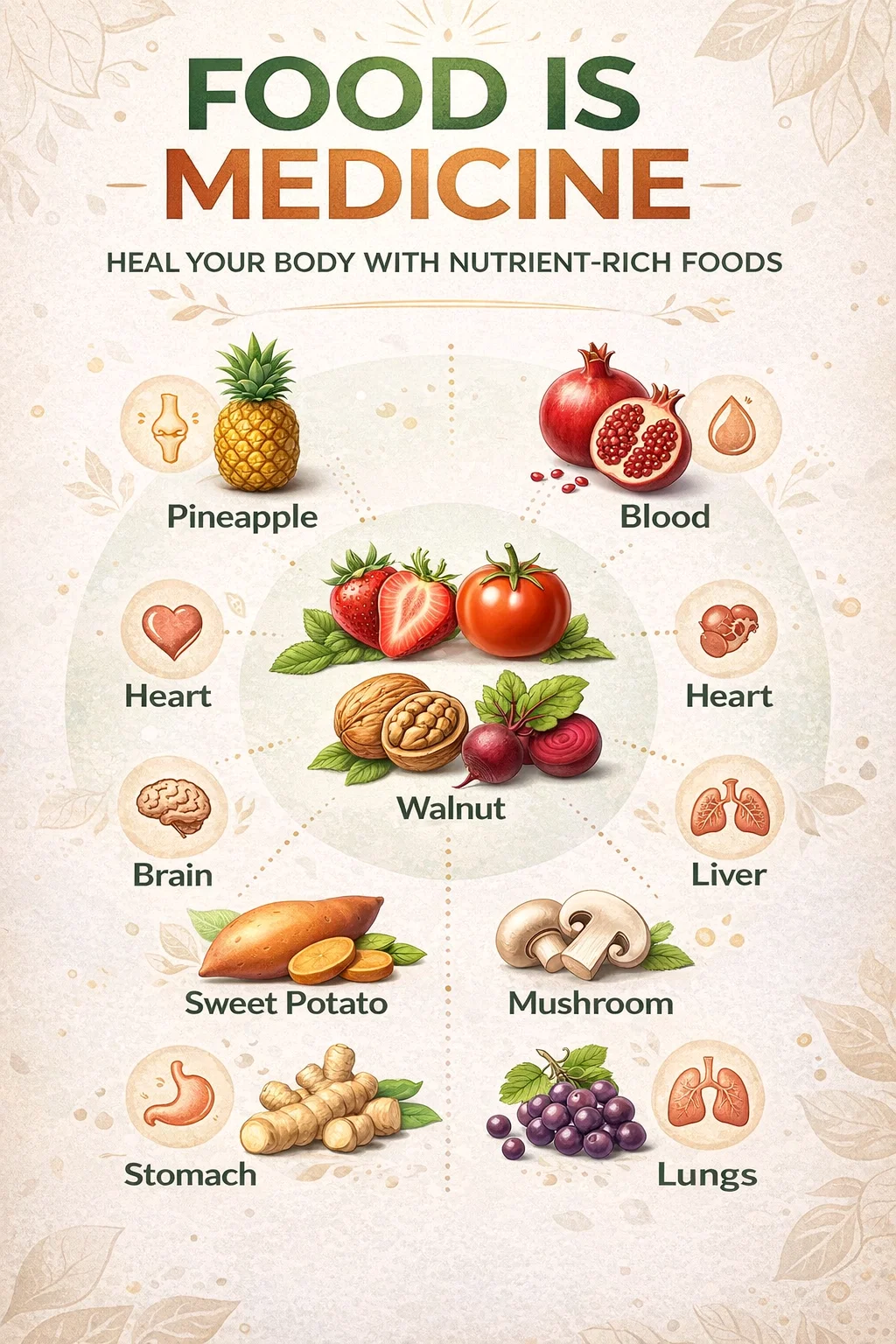
When looking at the visual clues in our diet, the color red often signifies vitality and cardiovascular health. Tomatoes and strawberries are prime examples of this connection. A sliced tomato reveals chambers that mimic the structure of the human heart, and science backs up this visual coincidence. Tomatoes are rich in lycopene, a powerful antioxidant that has been linked to a reduced risk of heart disease and stroke. Lycopene helps to keep the blood vessels flexible and may lower levels of LDL cholesterol, often referred to as the bad cholesterol.
Similarly, strawberries are packed with vitamin C and polyphenols, which help to manage blood pressure and reduce oxidative stress in the arteries. These heart healthy foods work by thinning the blood naturally and improving circulation. By incorporating these red gems into your daily routine, you are providing your cardiovascular system with the specific phytonutrients it needs to maintain a steady, strong beat.
Brain Power and the Cognitive Benefits of Walnuts
The resemblance between a walnut and the human brain is perhaps the most striking example of the Doctrine of Signatures. With its two hemispheres and convoluted folds, the walnut looks like a miniature version of our own command center. Beyond the visual, walnuts are one of the few plant sources that are exceptionally high in alpha-linolenic acid, a type of omega 3 fatty acid that is essential for brain function.
These healthy fats are critical for maintaining the structural integrity of brain cells and facilitating communication between neurons. Regular consumption of walnuts has been associated with improved memory, faster processing speeds, and better concentration. Furthermore, the antioxidants found in walnuts help to combat neuroinflammation, which is a leading factor in age related cognitive decline. Snacking on a handful of these nuts is like sending a specialized delivery of nutrients directly to your gray matter.
Healing the Gut and Stomach with Ginger
The stomach is often called our second brain, and its health dictates the well being of our entire immune system. Ginger root, with its irregular and knotted appearance, often resembles the shape of the human stomach. For centuries, ginger has been the go to remedy for digestive distress, and modern research confirms its efficacy. The active compounds in ginger, such as gingerol and shogaol, stimulate digestive enzymes and help move food through the gastrointestinal tract more efficiently.
Whether you are dealing with motion sickness, morning sickness, or general bloating, ginger acts as a natural prokinetic agent. It reduces gas and calms the muscles of the stomach lining. Beyond simple digestion, ginger is a potent anti inflammatory that can help soothe the lining of the gut, making it a staple for anyone looking to optimize their digestive health through whole foods.
Supporting the Liver and Blood with Earthy Tones
The liver is the body’s primary detoxification organ, working tirelessly to filter out toxins and metabolic waste. Beetroots, with their deep, blood like color and earthy essence, are one of the most supportive foods for liver function. They contain a group of phytonutrients called betalains, which support the phase two detoxification process in the liver. This is the stage where broken down toxins are neutralized so they can be safely excreted from the body.
In addition to liver support, foods like pomegranates are legendary for their benefits to the blood. Pomegranates are rich in iron and antioxidants that help increase hemoglobin levels and improve blood flow. The tiny, juice filled seeds resemble blood cells, and their ability to promote healthy circulation and reduce arterial plaque makes them a true superfood for the hematological system.
Joint Health and the Power of Pineapple
Joint pain and inflammation can be incredibly debilitating, but nature provides a tropical solution in the form of pineapple. Pineapple is the only known natural source of bromelain, a complex mixture of enzymes that digest protein. While it helps with digestion, bromelain is most famous for its systemic anti inflammatory properties. It has been shown to reduce swelling, bruising, and pain associated with injuries and chronic conditions like arthritis.
The tough, segmented exterior of a pineapple almost looks like a protective casing, much like our joints protect our mobility. By including fresh pineapple in your diet, you are introducing a natural alternative to over the counter anti inflammatory medications, helping to keep your joints supple and your recovery times short.
Respiratory Support and the Grapes Connection
Our lungs are made up of tiny air sacs called alveoli, which look remarkably like bunches of grapes. This visual similarity is a clue to the respiratory benefits found in these fruits. Grapes, especially the dark purple and red varieties, are rich in resveratrol and proanthocyanidins. These compounds are known to reduce inflammation in the airways and may help protect against lung diseases and allergies.
The high water content of grapes also helps to keep the mucosal linings of the respiratory tract hydrated, which is essential for filtering out pollutants and pathogens. Eating grapes can be a sweet way to support your breath and ensure your lungs are functioning at their peak capacity.
Unusual Connections: Mushrooms for Ears and Sweet Potatoes for the Pancreas
Sometimes the connections are even more specific. If you slice a button mushroom in half, it bears a resemblance to the human ear. Interestingly, mushrooms are one of the few food sources of vitamin D, which is crucial for the health of the tiny bones inside the ear that transmit sound. Maintaining healthy vitamin D levels can help prevent hearing loss and keep the auditory system sharp.
Similarly, the oblong, tapered shape of a sweet potato is a mirror image of the pancreas. Sweet potatoes have a low glycemic index and are rich in beta carotene, which helps to stabilize blood sugar levels and take the stress off the pancreas. By providing a steady release of energy rather than a sharp spike, sweet potatoes support the organ responsible for insulin production, helping to prevent metabolic fatigue.
Implementing the Food is Medicine Philosophy
Transitioning to a lifestyle where you view food as medicine does not require a radical overnight overhaul. It starts with a shift in perspective. Instead of counting calories or obsessing over macros, try focusing on the vibrant colors and shapes of your food. Aim to include at least one organ specific food in every meal. You can start your day with a brain boosting walnut and berry oatmeal, enjoy a heart healthy tomato salad for lunch, and finish with a ginger and beetroot stir fry for dinner.
- Eat with the Seasons: Nature provides what we need when we need it. For example, hydrating fruits are abundant in the summer, while hearty, grounding root vegetables thrive in the winter.
- Prioritize Quality: Whenever possible, choose organic and locally grown produce to ensure you are getting the highest concentration of phytonutrients without the interference of pesticides.
- Listen to Your Body: Pay attention to how you feel after eating certain foods. Your body will give you feedback on which “medicines” it needs most at any given time.
Conclusion: Your Kitchen is Your Pharmacy
The journey toward optimal health is often simpler than we are led to believe. While the world of medicine is vast and complex, the foundational pillars of wellness are frequently found right in our grocery bags. By paying attention to the signs nature has left for us, we can navigate our way to better heart health, sharper cognitive function, and a more resilient immune system. The image of these everyday fruits and vegetables as vital components of our biological machinery is a powerful motivator to choose whole foods over processed alternatives.
Remember that every meal is an opportunity to nourish, heal, and strengthen your body. You don’t have to be perfect, but being intentional with your choices can lead to profound long term results. Start looking at your plate with new eyes, and embrace the incredible healing power of nature’s bounty. Your body is a masterpiece of biological engineering, and it deserves to be fueled by the very best medicine the earth has to offer.