14 Natural Remedies Used Before Modern Medicine Ancient Healing Herbs Plants Guide
Long before the convenience of local pharmacies and over-the-counter prescriptions, the world was a vast, living apothecary. Our ancestors looked to the meadows, the forests, and the soil to find relief for everything from a stubborn cough to a deep physical ache. This ancient wisdom, rooted in the observation of nature and the trial of generations, laid the foundation for much of what we understand about health today. While modern medicine has given us incredible advancements, there is a profound beauty and effectiveness in returning to the roots of botanical healing. Understanding how these plants work not only connects us to history but empowers us to take a more holistic approach to our daily wellness routines.
The Power of the Forest: Bark and Berries
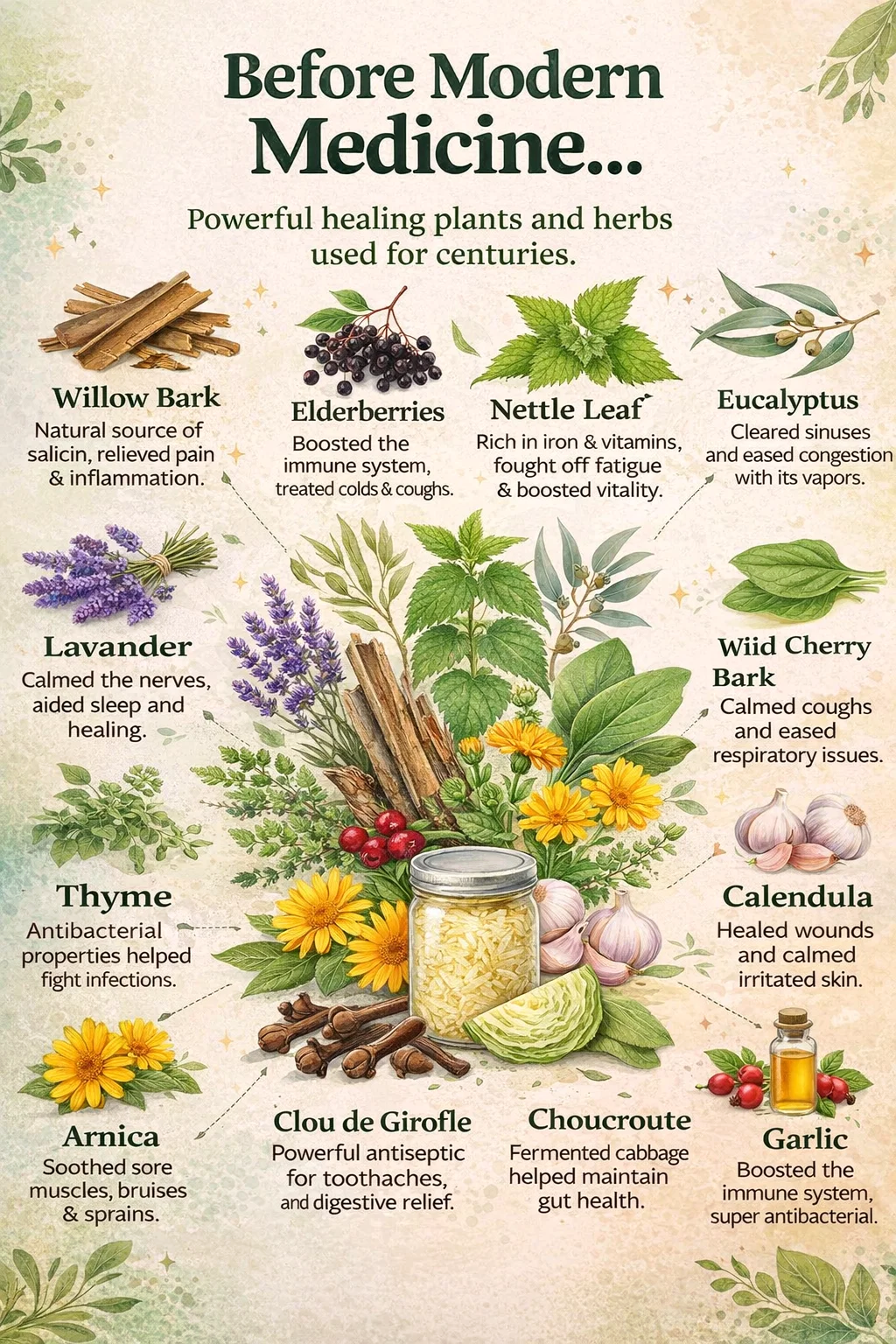
One of the most iconic examples of nature providing the blueprint for modern science is Willow Bark. If you have ever reached for a common pain reliever to soothe a headache or reduce a fever, you are essentially using a lab-synthesized version of what the willow tree has offered for millennia. Salicin, the active compound found in the bark, serves as a natural anti-inflammatory. By simmering this bark into a tea, ancient healers could provide significant relief for joint pain and systemic inflammation without the harsh side effects often associated with synthetic alternatives.
Moving from the bark to the fruit of the forest, we find the Elderberry. These dark, purple clusters are much more than just a seasonal treat. Historically used as a primary defense against the winter chill, Elderberries are packed with antioxidants and vitamins that support the immune system. They were the original cough syrup, used to soothe irritated throats and help the body recover from seasonal ailments faster. Even today, Elderberry remains a staple in natural health circles because its ability to support the body’s natural defenses is consistently backed by both tradition and modern study.
Wild Cherry Bark for Respiratory Support
For those persistent, dry coughs that seem to linger, Wild Cherry Bark was the traditional go-to remedy. Often prepared as a syrup or a decoction, it acts as an expectorant and a mild sedative for the respiratory system. It was the precursor to many modern cold medicines, prized for its ability to calm the nerves and the lungs simultaneously. This allows the body to rest deeply, which is often the most important factor in a speedy recovery.
Garden Staples with Medicinal Secrets
Many of the ingredients we now consider culinary basics were once revered primarily for their medicinal properties. Take Garlic, for instance. Long before it was a flavor enhancer in the kitchen, it was known as the poor man’s antibiotic. Garlic contains Allicin, a potent compound with antimicrobial properties. In times when infection was a constant threat, consuming raw garlic or applying it topically was a vital way to fight off harmful bacteria and strengthen the heart. It remains one of the most accessible and powerful tools in the natural wellness toolkit.
Similarly, Thyme is much more than a garnish for roasted vegetables. The essential oils found in Thyme, specifically thymol, are powerful disinfectants. Before the invention of chemical sanitizers, Thyme was used to clean wounds and purify spaces. When brewed into a tea, it acts as a powerful antiseptic for the mouth and throat, making it a perfect companion during the changing of the seasons when the air carries more than just a breeze.
The Healing Touch of Calendula and Arnica
When it comes to topical care, few plants are as gentle and effective as Calendula. Known as the pot marigold, its bright orange petals are a powerhouse for skin health. Before modern eczema creams and soothing lotions, Calendula was infused into oils and salves to treat cracked skin, minor burns, and irritations. It promotes skin regeneration and calms redness, making it a favorite for those with sensitive systems.
For deeper physical trauma like bruises and muscle soreness, Arnica has always been the gold standard. Native to mountainous regions, this yellow flower is traditionally applied as a balm to reduce swelling and speed up the healing of contusions. It is the original muscle rub, providing a cooling and healing effect that reaches deep into the tissue without the need for synthetic numbing agents.
The Soothing Essence of Herbs and Flowers
Lavender is perhaps the most recognized plant in the world of relaxation, and for good reason. Before the existence of sleep aids and pharmaceutical relaxants, Lavender was used to calm the nervous system. Whether through its scent or as a dried herb tucked under a pillow, it has a documented ability to lower heart rates and prepare the mind for deep, restorative sleep. It reminds us that sometimes the most effective medicine is the one that simply allows our body to do what it does best: heal through rest.
In the realm of digestive health, we look toward the humble Clove. While we often associate them with baking, Cloves were the original dental gel. For centuries, biting down on a whole clove or applying clove oil was the only way to manage intense tooth pain. Eugenol, the active ingredient in cloves, acts as a natural anesthetic and antibacterial agent, killing germs in the gums while providing much-needed numbing relief.
Nettle and Plantain: The Forgotten Heroes
Often dismissed as common weeds, Nettle and Plantain are two of the most nutrient-dense plants available to us. Stinging Nettle is incredibly rich in iron and minerals, acting as a natural blood builder and energy booster long before iron supplements were available in a bottle. On the other hand, the Plantain leaf (the low-growing herb, not the fruit) was the world’s first adhesive bandage. Because of its ability to draw out toxins and stop bleeding, a chewed-up leaf of plantain applied to a wound or an insect bite was a common and effective field remedy.
Nurturing the Gut and the Skin
The modern obsession with gut health and probiotics is actually a return to ancient dietary habits. Before we had refrigerated supplements, humans relied on fermented foods like Sauerkraut to maintain their internal balance. This simple combination of cabbage and salt creates a rich environment for live cultures that support digestion and overall immunity. It serves as a reminder that the health of the entire body often begins in the gut, and traditional food preservation methods were designed with this in mind.
For the skin, Rosehip Oil has long been the secret to a radiant complexion. Extracted from the seeds of wild rose bushes, this oil is naturally high in Vitamin A and essential fatty acids. Used long before modern anti-aging serums, it helps to fade scars, reduce the appearance of age spots, and keep the skin supple and hydrated. It provides a luxurious, natural alternative to the complex chemical formulations found in today’s beauty aisles.
Integrating Ancient Wisdom into Modern Life
The beauty of exploring these natural remedies lies in their accessibility and their synergy with the human body. While modern medicine is indispensable for acute trauma and complex diseases, herbalism offers a sustainable, preventative way to manage our day to day health. Starting a small herb garden, learning to make your own salves, or simply swapping a sugary drink for a cup of nettle or lavender tea can have a profound impact on your well being.
When we use these plants, we are participating in a tradition that spans thousands of years. We are acknowledging that the earth provides exactly what we need to thrive. It encourages a slower, more intentional way of living, where we listen to our bodies and respond with the gentle, effective tools provided by nature.
Safety and Respect for the Craft
As with any health practice, it is important to approach herbalism with respect and education. Nature is powerful, and understanding the correct dosages and potential interactions is key to a positive experience. Many of the plants shown in historical guides are safe for general use, but consulting with a knowledgeable practitioner or doing deep research ensures that you are using these gifts in the most beneficial way possible.
Conclusion: A Path Back to Wellness
The journey into the world of natural remedies is more than just a search for alternatives to modern medicine. It is a journey toward self-reliance, a deeper connection with the environment, and a more holistic understanding of what it means to be healthy. From the soothing petals of Calendula to the protective power of Garlic, these ancestral secrets continue to inspire and supplement our modern lives. By weaving this ancient knowledge back into our daily routines, we can enjoy a balanced, vibrant life that honors the wisdom of the past while embracing the possibilities of the future. Nature has always been our greatest healer, and its doors are always open for those who wish to learn.