Top Heart-Healthy Foods to Lower Cholesterol Naturally Diet Fitness Tips
Maintaining a healthy heart is one of the most impactful things you can do for your long term vitality. While we often focus on the number of steps we take or the weight we lift at the gym, the real magic happens in the kitchen. The food we consume acts as the fuel for our cardiovascular system, and choosing specific cholesterol lowering ingredients can create a powerful synergy with your fitness routine. Understanding how certain plant based foods work to scrub your arteries and improve blood flow is the first step toward a vibrant, high energy lifestyle.
The Science of Natural Cholesterol Management
Cholesterol is often misunderstood. Our bodies actually need it to build cells and produce hormones. However, the balance between high density lipoprotein (HDL) and low density lipoprotein (LDL) is what determines our heart health. When LDL levels become too high, it can lead to plaque buildup in the arteries, making it harder for the heart to pump blood effectively. This is where a targeted diet comes into play.
By incorporating specific functional foods, you can naturally encourage your body to eliminate excess cholesterol. Many of the items featured in heart healthy diets are rich in soluble fiber. This type of fiber acts like a sponge in the digestive tract, binding to cholesterol and carrying it out of the system before it can enter the bloodstream. When you combine these nutritional powerhouses with regular exercise, you are essentially giving your heart a double dose of protection.
The Power of Plant Proteins and Soy
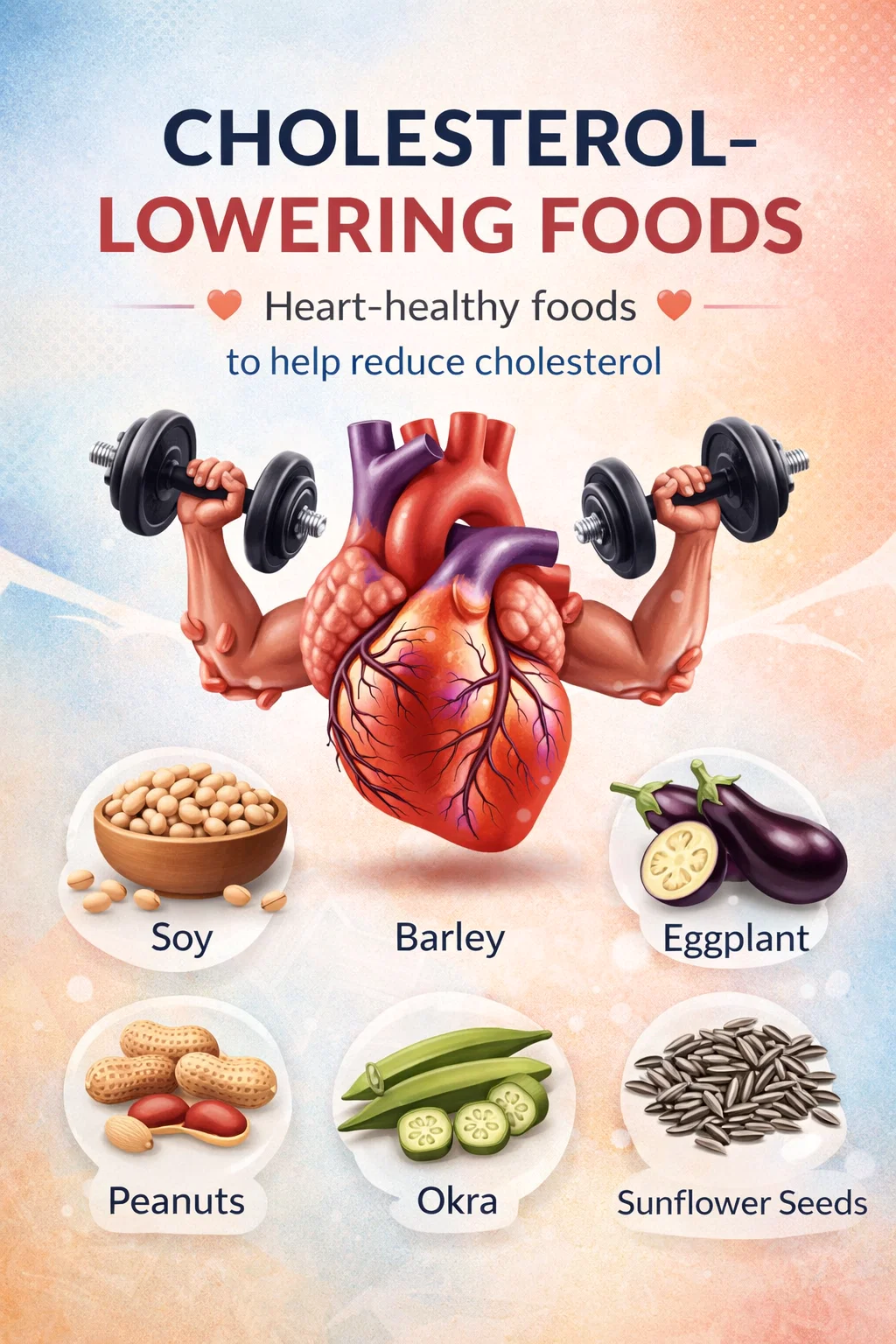
Soy has long been recognized as a cornerstone of heart healthy eating. Whether you enjoy edamame, tofu, or soy milk, incorporating this plant protein into your diet can have a direct impact on your lipid profile. Unlike many animal proteins that come packaged with saturated fats, soy is lean and contains compounds called isoflavones.
How Soy Works Within Your Body
Research suggests that consuming soy protein can help lower LDL cholesterol by a significant margin. It is not just about what soy adds to your diet, but also what it replaces. By swapping out a heavy, fat laden meat dish for a soy based alternative once or twice a week, you are significantly reducing your intake of saturated fats. This shift helps the liver process cholesterol more efficiently, leading to cleaner arteries and a more resilient cardiovascular system.
Easy Ways to Incorporate Soy Into Your Routine
If you are new to soy, start small. You can toss some steamed edamame into your afternoon salad or blend silken tofu into a morning smoothie for a creamy, protein packed boost. These small changes are sustainable and contribute to a heart healthy foundation without requiring a total kitchen overhaul.
Whole Grains and the Magic of Barley
When people think of heart healthy grains, oats often get all the glory. However, barley is an unsung hero that deserves a permanent spot in your pantry. This ancient grain is exceptionally high in beta glucan, a type of soluble fiber that has been scientifically proven to reduce cholesterol levels.
The Benefits of Beta Glucan
Beta glucan forms a gel like substance in the small intestine. This gel traps cholesterol rich bile acids, forcing the body to use up its existing cholesterol stores to produce more bile. The result is a natural lowering of the cholesterol circulating in your blood. Barley is also incredibly filling, which helps with weight management, another key factor in maintaining a healthy heart.
Cooking with Barley for Better Health
Barley has a wonderful nutty flavor and a chewy texture that works perfectly in soups, stews, and even cold grain salads. You can use it as a base for a Mediterranean bowl or stir it into a hearty vegetable broth. Because it digests slowly, it provides a steady stream of energy, making it an ideal pre workout meal for those long gym sessions or yoga classes.
Surprising Vegetables for Heart Health
Vegetables like eggplant and okra are often overlooked in the quest for fitness, but they are nutritional giants when it comes to managing cholesterol. Both of these vegetables are low in calories and high in mucilage, a thick substance that is excellent at binding to cholesterol during digestion.
Eggplant: The Versatile Heart Protector
The deep purple skin of the eggplant is rich in antioxidants called anthocyanins. These compounds help protect the walls of your arteries from oxidative stress and inflammation. Beyond the antioxidants, the spongy texture of the eggplant makes it perfect for absorbing the flavors of your favorite spices while providing the fiber necessary to keep your cholesterol in check. Try roasting it with a drizzle of olive oil and garlic for a delicious, heart smart side dish.
Okra: A Fiber Powerhouse
Okra might be a polarizing vegetable due to its texture, but its health benefits are undeniable. The soluble fiber in okra is particularly effective at capturing cholesterol. If you are not a fan of the traditional preparation, try air frying okra slices until they are crispy. This turns them into a healthy, crunchy snack that supports your fitness goals rather than hindering them.
Healthy Fats and Crunchy Superfoods
It might seem counterintuitive to eat fats to lower cholesterol, but the type of fat makes all the difference. Monounsaturated and polyunsaturated fats, like those found in peanuts and sunflower seeds, are essential for heart health. These “good” fats help to raise your HDL (the good cholesterol) while keeping your LDL levels in check.
The Role of Peanuts in a Fitness Diet
Peanuts are more than just a convenient snack. they are packed with resveratrol, the same antioxidant found in red wine that supports heart health. They also provide a great balance of protein and healthy fats, which helps keep you satisfied between meals. A small handful of peanuts can provide the energy boost you need before a workout without the sugar crash associated with processed snacks.
Sunflower Seeds: Tiny but Mighty
Sunflower seeds are rich in phytosterols. These plant compounds are structurally similar to cholesterol and actually compete with it for absorption in the gut. By filling those absorption sites with plant sterols, you naturally limit the amount of cholesterol that enters your bloodstream. Sprinkling sunflower seeds over your yogurt, oatmeal, or salads is an effortless way to enhance your cardiovascular defense system.
The Synergy Between Diet and Exercise
While eating these cholesterol lowering foods is vital, the results are amplified when paired with a consistent fitness routine. Physical activity helps to stimulate the enzymes that move LDL from the blood to the liver, where it can be excreted. It also increases the size of the protein particles that carry cholesterol through the blood, making them less likely to get stuck in your artery walls.
Yoga and Mindfulness for Heart Health
Exercise is not just about high intensity training. Practices like yoga and mindful stretching play a massive role in heart health by reducing stress. High stress levels can lead to increased inflammation and higher cholesterol. By incorporating yoga into your weekly schedule, you are managing your cortisol levels and giving your heart the calm environment it needs to function at its best.
Building a Sustainable Workout Plan
The best workout is the one you actually do. Whether it is a brisk walk through your neighborhood, a weightlifting session, or a weekend hike, staying active keeps your circulation moving. When you combine this movement with a diet rich in soy, barley, and seeds, you are creating a comprehensive shield against heart disease. This holistic approach ensures that you are not just living longer, but living better with more energy and vitality.
Practical Tips for a Heart Healthy Lifestyle
Transitioning to a heart healthy lifestyle does not have to happen overnight. In fact, slow and steady changes are often more effective for long term success. Start by auditing your pantry and replacing processed snacks with whole foods. Focus on adding more color to your plate with vegetables like eggplant and okra, and experiment with grains like barley to keep your meals interesting.
Meal Prepping for Success
One of the biggest hurdles to healthy eating is a lack of time. Preparing your heart healthy ingredients in advance can make a world of difference. Boil a batch of barley at the start of the week, roast a tray of vegetables, and keep a container of unsalted peanuts nearby for quick snacking. Having these options readily available makes it much easier to stay on track when life gets busy.
Staying Hydrated and Consistent
Water is essential for every metabolic process in the body, including the transport of nutrients and the removal of waste. Make sure you are drinking plenty of water throughout the day, especially if you are increasing your fiber intake. Fiber needs water to move through your system effectively. Consistency is the final piece of the puzzle. Your heart responds best to daily habits, so focus on making these choices a natural part of your routine.
A Strong Heart Starts with Small Choices
Every time you choose a bowl of barley over processed cereal, or a handful of sunflower seeds over a bag of chips, you are making an investment in your future. These foods are not just ingredients, they are tools that empower you to take control of your health. When you look at your heart as the engine of your body, it makes sense to provide it with the highest quality fuel available.
By focusing on nutrient dense, cholesterol lowering foods and staying active through exercise and yoga, you are building a foundation of wellness that will serve you for decades. The journey to a healthy heart is a delicious and rewarding one. Embrace the variety of plant based foods, enjoy the rush of a good workout, and take pride in the fact that you are prioritizing your most vital organ.
Maintaining cardiovascular health is a lifelong journey, but with the right foods on your plate and a commitment to movement, you can achieve incredible results. Your heart works hard for you every single second of the day. Give it the support it deserves by filling your life with movement, mindfulness, and the incredible healing power of nature’s best ingredients. Save these tips, head to the grocery store, and start your journey toward a stronger, healthier you today!