10 Old-Fashioned Natural Remedies That Still Work Today for Everyday Wellness
Natural remedies have been passed down through generations for a reason. Long before modern wellness products filled store shelves, people relied on simple ingredients, herbs, and traditional preparations to support everyday health. Today, many of these time-tested remedies continue to attract attention from those seeking a more natural approach to wellness. From soothing teas to herbal infusions, traditional remedies offer a fascinating blend of history, practicality, and holistic self-care.
While natural remedies are not substitutes for professional medical care when needed, they can often play a supportive role in maintaining comfort, promoting relaxation, and encouraging healthy lifestyle habits. Let’s explore ten classic remedies that have stood the test of time and discover why they remain popular in modern wellness routines.
Key Takeaways
- Traditional remedies often rely on simple, natural ingredients.
- Many herbal preparations are still used for everyday wellness support.
- Natural remedies can complement healthy lifestyle habits.
- Herbal teas, infused vinegars, and nutrient-rich broths remain popular choices.
- Understanding traditional uses helps make informed wellness decisions.
- Balance and moderation are important when using any natural remedy.
Why Traditional Remedies Continue to Thrive
Modern wellness trends often rediscover ideas that have existed for centuries. Many traditional remedies are valued because they use familiar ingredients, encourage mindful self-care, and connect people to cultural traditions. Whether enjoyed as a comforting tea or prepared as part of a wellness routine, these remedies often promote a sense of well-being and intentional living.
Important: One of the biggest reasons traditional remedies remain popular is their accessibility. Many rely on ingredients commonly found in kitchens, gardens, or local markets, making them easy to incorporate into daily routines.
1. Fire Cider: A Bold Herbal Tradition
Fire cider is a traditional herbal tonic typically made by infusing apple cider vinegar with ingredients such as ginger, garlic, horseradish, onions, and various herbs. Known for its strong flavor and warming qualities, it has become a favorite among natural wellness enthusiasts.
The appeal of fire cider lies not only in its ingredients but also in its versatility. Some people take small amounts daily as part of their wellness routine, while others enjoy it as a flavorful addition to dressings and marinades.
Benefits Often Associated with Fire Cider
- Supports seasonal wellness habits.
- Provides a flavorful source of herbal ingredients.
- Encourages mindful nutrition practices.
- Can be incorporated into various recipes.
2. Bone Broth: Nourishment in a Bowl
Bone broth has experienced a remarkable resurgence in recent years. Traditionally simmered for extended periods, this rich broth is valued for its depth of flavor and nutritional profile.
Many people enjoy bone broth as a warming beverage or use it as a foundation for soups, stews, and sauces. Its comforting nature makes it especially popular during colder months.
Preparing bone broth at home allows complete control over ingredients while preserving a cooking tradition that spans cultures worldwide.
3. Honey and Lime: A Classic Comfort Combination
The combination of honey and lime has long been used as a simple home remedy. The sweetness of honey pairs beautifully with the refreshing citrus notes of lime, creating a soothing and pleasant mixture.
Many people turn to honey and lime drinks during seasonal changes or when seeking a comforting beverage. The simplicity of this remedy contributes significantly to its lasting popularity.
Easy Ways to Enjoy Honey and Lime
- Mixed into warm water.
- Added to herbal tea.
- Used as a natural sweetener alternative.
- Included in wellness-focused drink recipes.
Why This Matters
Traditional remedies often encourage healthier daily habits. Even simple rituals such as preparing herbal tea or homemade broth can promote mindfulness, hydration, and overall wellness awareness.
4. Clove Oil and Traditional Oral Care
Clove oil has a long history in traditional wellness practices. Derived from clove buds, it is known for its distinctive aroma and concentrated nature.
Historically, clove preparations have been associated with oral care traditions in various cultures. Today, clove oil remains a well-known ingredient in many natural wellness discussions.
Because essential oils are highly concentrated, proper dilution and responsible usage are important considerations when incorporating them into personal care routines.
5. Honey Garlic: An Ancient Wellness Favorite
Honey garlic combines two ingredients that have earned a place in wellness traditions around the world. Typically prepared by fermenting garlic in raw honey, this remedy creates a unique blend of sweet and savory flavors.
The preparation process itself is often viewed as part of the appeal. Many home wellness enthusiasts enjoy creating honey garlic batches and allowing them to develop over time.
Pro Tip: When making traditional honey garlic at home, patience is key. Allowing the mixture adequate time to ferment can enhance both flavor and texture.
6. Castor Oil Packs and Wellness Traditions
Castor oil packs have been used in holistic wellness circles for generations. The practice typically involves applying castor oil to a cloth and placing it on specific areas of the body.
Advocates appreciate castor oil packs as part of relaxation and self-care routines. While methods vary, the ritual often emphasizes rest, comfort, and dedicated wellness time.
Whether used occasionally or incorporated into a broader self-care plan, castor oil packs remain one of the more recognizable traditional wellness practices.
7. Ginger Tea: The Timeless Herbal Beverage
Ginger tea is among the most widely enjoyed traditional remedies worldwide. Made from fresh ginger root or dried ginger, it offers a warming and aromatic experience that many people find comforting.
The versatility of ginger tea makes it especially appealing. It can be enjoyed on its own or enhanced with ingredients such as lemon, honey, cinnamon, or turmeric.
Why Ginger Tea Remains Popular
- Simple and affordable to prepare.
- Features a naturally warming flavor profile.
- Works well in various herbal tea blends.
- Fits into many wellness-focused lifestyles.
Important: Consistency often matters more than complexity. Simple wellness habits such as drinking herbal tea regularly may be easier to maintain than elaborate routines.
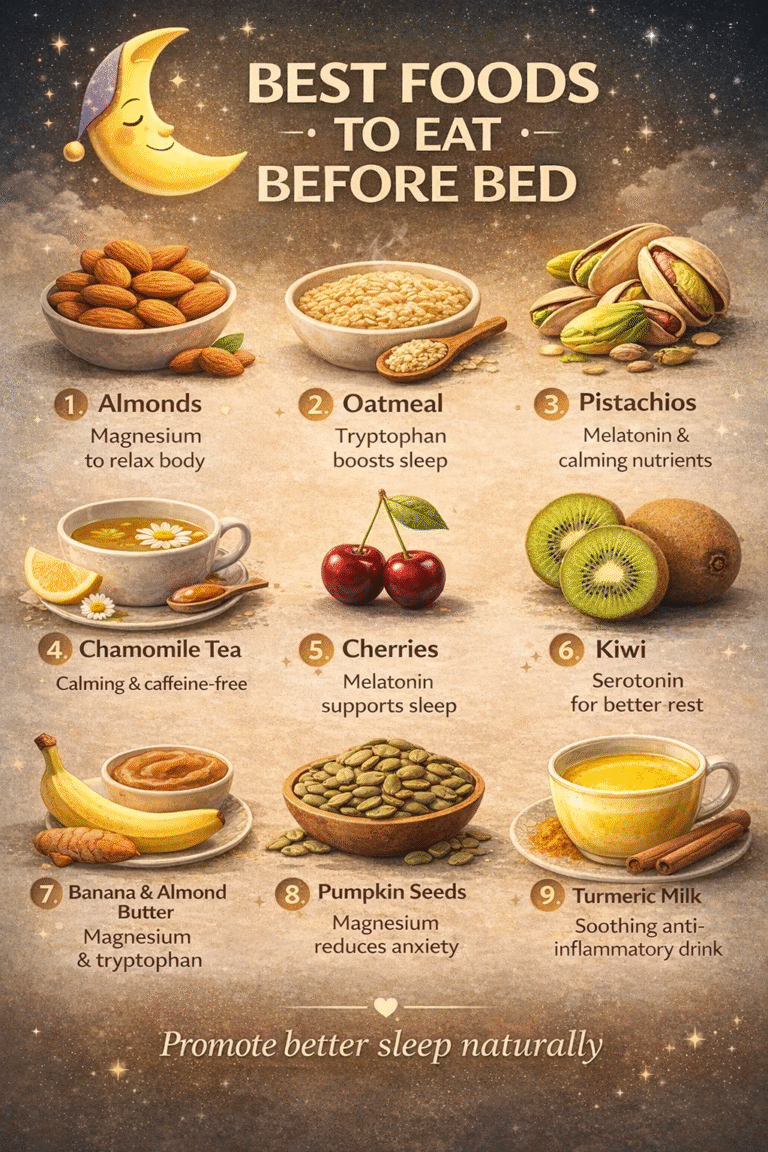
8. Chamomile Tea for Relaxation and Comfort
Chamomile tea has earned a reputation as one of the most beloved herbal beverages. Its delicate floral flavor and soothing aroma make it a favorite evening drink for many people.
Across cultures, chamomile has traditionally been associated with calmness and relaxation. Preparing a warm cup of chamomile tea often becomes a relaxing ritual in itself.
Many wellness enthusiasts include chamomile tea in nighttime routines as part of a broader focus on rest and recovery.
9. Willow Bark: A Historical Herbal Remedy
Willow bark holds an important place in herbal history. For centuries, various cultures used willow bark preparations as part of traditional wellness practices.
Its historical significance has made it one of the most frequently discussed examples of traditional herbal medicine. Today, it remains a fascinating reminder of how natural ingredients influenced the development of modern wellness approaches.
Lessons from Traditional Herbal Knowledge
- Many modern wellness ideas have historical roots.
- Traditional remedies often evolved through observation and experience.
- Cultural knowledge plays a valuable role in preserving wellness practices.
10. Thyme Syrup: Herbal Support Through the Ages
Thyme has long been appreciated as both a culinary herb and a wellness ingredient. Traditional thyme syrups are often prepared by combining thyme with sweeteners such as honey.
The pleasant herbal flavor and versatility of thyme syrup contribute to its ongoing popularity. It can be enjoyed on its own, mixed into beverages, or incorporated into seasonal wellness routines.
As with many traditional remedies, thyme syrup highlights the value of simple ingredients thoughtfully combined.
Building a Balanced Natural Wellness Routine
Natural remedies are often most effective when viewed as part of a larger wellness picture. Healthy nutrition, regular movement, adequate sleep, hydration, and stress management remain foundational habits.
Traditional remedies can complement these practices by adding enjoyable rituals and encouraging a more intentional approach to self-care.
Creating a wellness routine does not require dozens of products or complicated systems. Often, a few consistent habits provide the greatest long-term value.
Simple Steps to Get Started
- Choose one or two remedies that align with your interests.
- Learn proper preparation techniques.
- Focus on consistency rather than perfection.
- Pay attention to how habits fit into your lifestyle.
- Consult qualified professionals when appropriate.
At a Glance
- Fire cider remains a popular herbal tonic.
- Bone broth continues to be valued for nourishment and comfort.
- Honey, garlic, ginger, and chamomile are classic wellness staples.
- Traditional remedies emphasize simplicity and consistency.
- Natural wellness works best alongside healthy lifestyle habits.
Conclusion
Traditional remedies continue to resonate because they combine simplicity, history, and practical wellness habits. Whether it’s sipping chamomile tea before bed, enjoying a nourishing bowl of bone broth, preparing homemade honey garlic, or experimenting with fire cider, these remedies offer meaningful ways to reconnect with time-honored approaches to self-care.
While modern healthcare remains essential, many people appreciate the supportive role that traditional remedies can play in everyday wellness. By understanding their history and using them thoughtfully, it is possible to enjoy both the wisdom of the past and the benefits of a balanced modern lifestyle.
Tags
Natural Remedies Herbal Wellness Home Remedies Traditional Remedies Holistic Health Herbal Tea Natural Wellness Healthy Living