Gentle Self-Care Reset for Low Mood Days 8 Simple Self-Care Tips for Better Mood
Some days, even the simplest tasks can feel overwhelming. Getting out of bed, preparing a meal, taking a shower, or finding the motivation to tidy your space may require more energy than usual. On low-mood days, it is easy to feel frustrated with yourself for not being as productive or cheerful as you would like. However, these are the days when gentle self-care can make a meaningful difference.
A gentle self-care reset is about giving yourself permission to slow down, meet your basic needs, and take small steps toward feeling more comfortable. You do not need an elaborate morning routine, expensive products, or hours of free time. Sometimes, a warm shower, a nourishing meal, a short walk, or a quiet moment with your favorite drink is enough to help you feel a little more grounded.
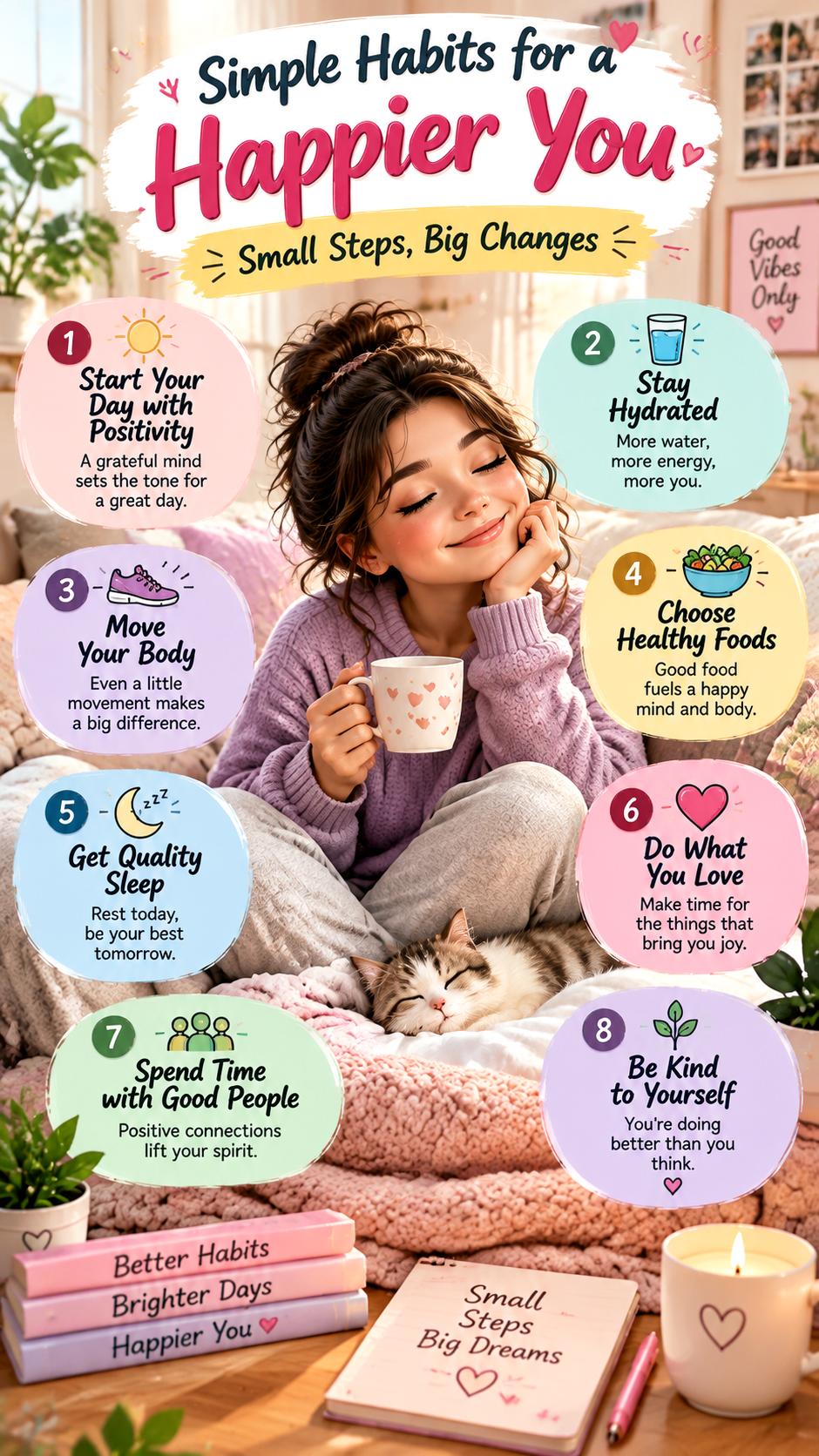
The most important thing to remember is that you do not have to do everything at once. Small, manageable acts of self-care count, even when they seem insignificant. If you are looking for simple self-care tips for low-mood days, these eight gentle ideas can help you create a comforting routine that respects your energy, supports your well-being, and makes everyday life feel a little lighter.
Key Takeaways
- Start with one small self-care activity instead of trying to change your entire day.
- Support your physical well-being with hydration, nourishing food, comfortable clothing, and rest.
- Make your surroundings more peaceful by tidying one small area and adding comforting touches.
- Spend time outdoors or enjoy a favorite hobby when you have the energy.
- Reach out to someone you trust when you need connection, reassurance, or support.
- Practice self-compassion and remember that your worth is not measured by your productivity.
What Is a Gentle Self-Care Reset?
A gentle self-care reset is a simple collection of activities that help you reconnect with your needs when you feel emotionally tired, unmotivated, stressed, or overwhelmed. Rather than pushing yourself to accomplish more, you focus on creating a little comfort and stability through realistic, manageable actions.
Unlike a strict wellness routine, a gentle reset does not require you to follow a perfect schedule. You can choose the activities that feel most helpful for your current situation and leave the rest for another day.
For example, your reset might include taking a shower, changing into clean pajamas, drinking a glass of water, opening the curtains, and spending ten minutes doing something you enjoy. If that is all you manage, you have still taken meaningful steps to care for yourself.
Why Small Self-Care Habits Matter
When your mood is low, complicated plans can feel difficult to start. Breaking self-care into smaller actions reduces the pressure to do everything perfectly. Instead of thinking about cleaning the entire house, you can put away five items. Instead of planning an elaborate meal, you can prepare something simple and nourishing.
These small actions can also help create a sense of structure when the day feels unpredictable. Eating regularly, drinking enough water, maintaining basic hygiene, and allowing time for rest support general well-being. Although these habits cannot resolve every cause of a low mood, they can make everyday challenges feel more manageable.
Remember: Self-care is not another checklist you must complete. It is a way of responding to your needs with patience and kindness. Choose one activity that feels possible today, and let that be enough.
1. Take a Warm Shower and Get Comfortable
When you are having a difficult day, taking care of your personal hygiene can sometimes feel like a bigger task than usual. A warm shower offers a simple opportunity to refresh yourself, relax your body, and create a gentle transition into the next part of your day.
You do not need a long shower or an elaborate body-care routine. Keep things simple and focus on what makes you feel comfortable. Use your favorite soap, wash your hair if you need to, and allow yourself a few quiet minutes without rushing.
Create a Comforting Shower Routine
- Use comfortably warm water rather than water that is excessively hot.
- Choose a familiar soap, shampoo, or body wash that you enjoy.
- Play gentle music if it helps you relax.
- Dry yourself with a soft towel and put on clean, comfortable clothing.
- Keep a cozy robe, cardigan, or pair of socks nearby for extra comfort.
If a full shower feels overwhelming, try a smaller alternative. Wash your face, brush your teeth, change your shirt, or freshen up with a warm washcloth. You can return to the rest of your routine when you have more energy.
Make Your Space Feel Cozy
After your shower, create a comfortable place to rest. A soft blanket, freshly arranged pillows, warm lighting, or a favorite pair of pajamas can make your environment feel more inviting. These little details are not about creating a picture-perfect room. They are about making your immediate surroundings pleasant enough to support rest and relaxation.
2. Eat a Nourishing Meal That Supports Your Energy
When your mood is low, you might forget to eat, lose interest in preparing food, or reach for whatever is easiest to find. There is nothing wrong with choosing convenience when you need it. The goal is to give your body nourishment without turning mealtime into another source of pressure.
A simple, balanced meal can include a source of protein, carbohydrates, healthy fats, and fruit or vegetables. You do not have to prepare something elaborate to make a nourishing choice.
Easy Meal Ideas for Low-Energy Days
- Quick breakfast: Yogurt with fruit, oatmeal with nuts, or toast with eggs.
- Simple lunch: A sandwich with your favorite filling, a grain bowl, or a ready-made soup with bread.
- Easy dinner: Rice with vegetables and beans, a baked potato with a topping, or pasta with a simple sauce.
- Convenient snack: Fruit, nuts, cheese, crackers, or another accessible food you enjoy.
- Low-effort option: Use prepared ingredients, leftovers, or a convenient meal when cooking feels like too much.
Try to keep a few easy foods available so you do not have to make many decisions when your energy is limited. Frozen vegetables, canned beans, bread, oats, yogurt, and other convenient staples can help you put together a meal with minimal effort.
It is also important to approach food without guilt. One meal does not need to be perfect, and you do not need to earn the right to eat by being productive. Nourishment is a basic need, not a reward for completing your to-do list.
3. Drink Enough Water Throughout the Day
Hydration is one of the simplest parts of a self-care routine, yet it can easily be overlooked when you are distracted, tired, or emotionally overwhelmed. Keeping water nearby makes it easier to remember to drink throughout the day.
Dehydration can contribute to symptoms such as thirst, fatigue, and difficulty concentrating. Drinking water regularly supports normal body functions, although it should not be viewed as a complete solution for persistent low mood.
Simple Ways to Build a Hydration Habit
- Place a reusable water bottle on your desk, bedside table, or kitchen counter.
- Drink a glass of water when you wake up or before starting a familiar daily activity.
- Refill your bottle whenever you visit the kitchen.
- Add lemon, cucumber, or mint if you enjoy flavored water.
- Use a favorite cup or bottle that makes drinking water feel pleasant.
You can also enjoy other beverages that fit your needs and preferences. Your ideal fluid intake depends on factors such as activity level, climate, health, and individual circumstances, so there is no single amount that suits everyone.
Instead of worrying about reaching a perfect number, focus on making hydration convenient. A small, repeatable habit is often easier to maintain than a complicated wellness goal.
4. Step Outside for Fresh Air and Gentle Movement
When you have spent most of the day indoors, stepping outside can offer a refreshing change of scenery. Natural light, fresh air, and a little movement may help you feel more connected to your surroundings and create a welcome break from repetitive thoughts.
You do not need to complete a challenging workout or take a long walk. Start with five minutes on your balcony, a short stroll around your neighborhood, or a few moments sitting in a garden. If you feel comfortable continuing, you can stay outside a little longer.
Make Your Outdoor Reset Enjoyable
- Wear comfortable shoes and clothing that suit the weather.
- Choose a quiet street, nearby park, garden, or other comfortable outdoor space.
- Notice the trees, flowers, sky, and sounds around you.
- Listen to a calming playlist or leave your headphones off to enjoy the environment.
- Allow yourself to turn back whenever you feel tired or uncomfortable.
If going outside is not practical, open a window, sit near natural light, or spend a few minutes caring for an indoor plant. These alternatives may offer a small change in your environment without requiring you to leave home.
Gentle reminder: Movement does not have to be intense to count. A slow walk, a few stretches, or simply sitting outdoors can be a reasonable starting point. Choose an activity that feels supportive rather than punishing.
5. Tidy One Small Area of Your Space
A cluttered room can sometimes make it harder to relax, especially when you are already feeling overwhelmed. At the same time, trying to clean your entire home on a low-energy day can create unnecessary stress.
Instead of setting a large cleaning goal, choose one small area that would make your day easier if it were tidier. You might clear your bedside table, put away a few items on your desk, collect laundry, or wash the cup sitting beside your bed.
Try a Five-Minute Tidy-Up
- Choose one area. Pick a surface, drawer, or small section of the room.
- Set a short limit. Five minutes is enough to get started.
- Focus on visible improvements. Put away a few objects, gather rubbish, or return items to their usual places.
- Stop when the time is up. You can continue later if you genuinely want to.
- Notice what changed. Appreciate the effort you made rather than judging what remains unfinished.
Cleaning is not the only way to make your environment more supportive. You might arrange your pillows, place a book beside your bed, water your plants, or light an appropriate candle while remaining attentive to fire safety. Small touches can help a room feel more peaceful without requiring a full makeover.
Why a Small Reset Can Feel Helpful
Completing a manageable task may provide a sense of progress when other responsibilities seem too big to handle. A clearer surface can also make a specific activity, such as eating breakfast or writing in a journal, easier to begin.
However, your environment does not need to be perfectly organized for you to deserve rest. If tidying feels exhausting, skip it and focus on another form of care that better matches your needs.
6. Do Something You Genuinely Enjoy
Self-care is not limited to hygiene, nutrition, hydration, and household tasks. Enjoyment matters, too. Making space for something pleasant can offer a break from stress and remind you that your day can include moments of comfort even when your mood is not at its best.
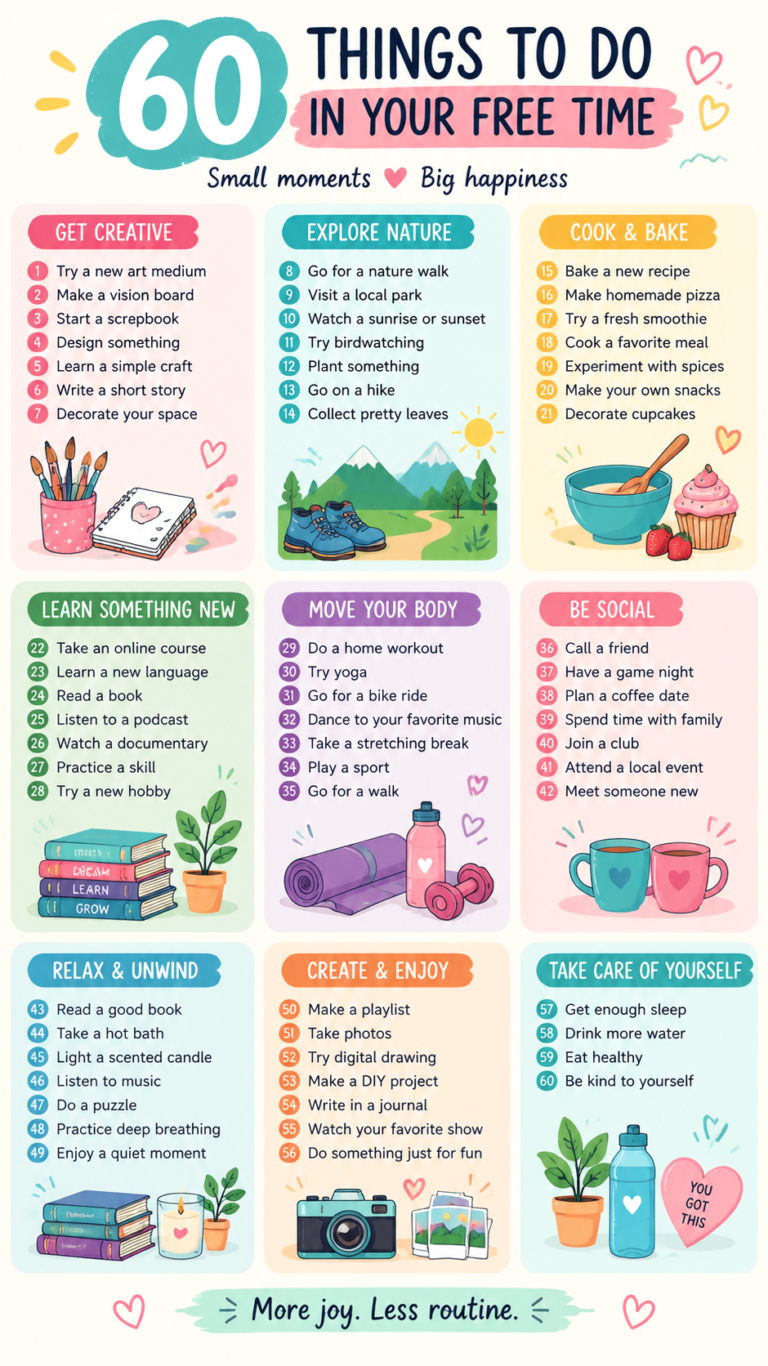
Think about the activities that usually help you feel relaxed, curious, entertained, or connected. You might enjoy reading a few pages of a book, listening to music, drawing, watching a familiar television show, knitting, crocheting, baking, or spending time with a pet.
Low-Energy Activities to Try at Home
- Read for pleasure: Choose a comforting novel, a collection of short stories, or a few pages of an interesting book.
- Listen to music: Create a playlist for relaxing, feeling encouraged, or simply enjoying familiar songs.
- Try a creative hobby: Doodle, crochet, knit, color, journal, or experiment with a simple craft.
- Watch something comforting: Pick a favorite show, a lighthearted movie, or a relaxing video.
- Spend time with a pet: Sit beside your cat, brush your dog, or enjoy a quiet moment together.
- Enjoy a favorite drink: Make tea, coffee, or another beverage you like and take a few minutes to savor it.
You do not have to turn your hobbies into achievements. You do not need to finish a book, complete a craft project, or become better at a skill. The purpose is to enjoy the experience, even if you only spend a few minutes doing it.
Let Enjoyment Be Simple
Sometimes, choosing an activity can feel harder than doing it. If you cannot decide what you want, make a short list of three comforting options and choose the easiest one. You can also prepare a small self-care basket with a book, a notebook, pens, headphones, or other favorite items.
The key is to make enjoyable activities accessible rather than waiting until you feel completely motivated. You may find that starting with something small makes it easier to remain engaged, although it is also perfectly fine if you simply need quiet rest.
7. Talk to Someone You Trust
Low-mood days can sometimes make you want to withdraw from other people. You may feel too tired to explain how you are doing, worry about being a burden, or assume that nobody will understand. Although taking quiet time for yourself can be helpful, staying connected to supportive people may also make difficult moments feel less isolating.
You do not need to have the perfect words or explain every detail of what you are experiencing. A simple message to a friend, family member, partner, or another trusted person can be a gentle first step.
Simple Ways to Reach Out
- Send a message saying, “I’m having a difficult day. Could we talk for a little while?”
- Ask someone to join you for a short walk or a cup of tea.
- Share a small part of what you are feeling without pressuring yourself to explain everything.
- Let someone know whether you want advice, practical help, or simply a listening ear.
- Consider joining a supportive community or speaking with a qualified mental health professional if you need additional support.
Important: You do not have to wait until you reach a breaking point to ask for support. If your low mood persists, repeatedly interferes with daily life, or becomes difficult to manage, consider speaking with a healthcare professional. If you feel unsafe or think you may harm yourself, seek immediate help from local emergency services or a crisis support service.
Connection Does Not Have to Be Complicated
Sometimes, support means having a deep conversation. Other times, it means exchanging a few messages, sitting quietly with someone, or sharing a meal. Choose a form of connection that feels comfortable and manageable.
It is also okay if the first person you contact is unavailable. Try another trusted person or explore professional support when needed. Your feelings deserve attention, and you deserve relationships in which you can ask for help without having to pretend that everything is fine.
8. Rest and Be Kind to Yourself
One of the most valuable parts of a gentle self-care reset is learning to rest without treating rest as a failure. When you are used to being productive, slowing down can bring feelings of guilt. You might look at unfinished tasks and believe that you should be doing more.
But your needs do not disappear when your energy changes. Rest can be an important part of taking care of yourself, particularly when you feel mentally tired or physically drained.
Create a Restful Moment
- Wrap yourself in a soft blanket and sit somewhere comfortable.
- Take a few slow, comfortable breaths without forcing yourself to feel calm.
- Put your phone aside for a short break if notifications feel overwhelming.
- Listen to quiet music or enjoy a few moments of silence.
- Take a short nap if appropriate, or give yourself an earlier bedtime.
- Reduce nonessential tasks when possible and focus on what truly needs your attention.
You can also practice self-compassion by noticing how you speak to yourself. If you would not criticize a friend for having a difficult day, try not to use those same harsh words against yourself.
Replace Self-Criticism With Gentle Reminders
Instead of thinking, “I wasted the entire day,” try saying, “Today was difficult, and I did what I could.”
Instead of thinking, “I should be doing more,” remind yourself, “I can take one step at a time.”
Instead of thinking, “I am falling behind,” consider, “My needs matter, and I am allowed to pause.”
These statements will not instantly change your mood, and you do not have to force yourself to believe them completely. They simply offer a kinder way to respond to difficult feelings.
How to Create a Simple Self-Care Reset Routine
Once you have a few self-care ideas that work for you, you can combine them into a flexible routine. The goal is not to fill every hour with wellness activities. Instead, create a short sequence of helpful actions that you can adapt to your energy level.
A Gentle Morning Reset
- Open the curtains or sit near natural light.
- Drink a glass of water.
- Wash your face or take a comfortable shower.
- Eat something nourishing when you can.
- Choose one realistic priority for the day.
You can complete these activities in any order. If you only manage the first two, that is still a reasonable start. You can adjust your routine as your circumstances and energy change.
A Cozy Afternoon Reset
- Have a snack or a simple meal if you are hungry.
- Step outside for a few minutes or stretch gently indoors.
- Tidy one small area if doing so feels helpful.
- Spend ten minutes on a favorite hobby or comforting activity.
- Check in with someone you trust if you would appreciate company.
A Peaceful Evening Reset
- Prepare an easy dinner or organize something simple to eat.
- Change into comfortable clothing and soften the lighting.
- Put away a few items if you want to make tomorrow easier.
- Read, listen to music, or enjoy another relaxing activity.
- Give yourself permission to rest instead of reviewing everything you did not finish.
A routine works best when it supports your life rather than becoming another obligation. You can skip steps, change the order, or create an entirely different routine whenever necessary.
What to Do When You Have Almost No Motivation
There may be days when even the smallest task feels difficult. On those days, the most helpful approach may be to make the next step smaller instead of demanding more effort from yourself.
Use the Smallest Possible Starting Point
- If showering feels too difficult, wash your face or hands.
- If cooking feels overwhelming, choose an easy snack or prepared meal.
- If cleaning feels impossible, move one item to its proper place.
- If walking outdoors feels like too much, sit beside an open window if safe and comfortable.
- If socializing feels exhausting, send a brief message to someone you trust.
- If you cannot focus on a hobby, listen to a familiar song or sit quietly for a moment.
It may help to think in terms of the next five minutes rather than the entire day. You do not need to solve every problem or plan your whole future before you take care of your immediate needs.
Let Go of the Pressure to Feel Better Immediately
Self-care is not a test that you pass only when your mood improves. You can take a shower, eat a nourishing meal, and rest without feeling noticeably happier afterward. Those actions can still support your physical needs and make the day more manageable.
Some difficult feelings need time, practical support, or professional care. Be patient with yourself as you work through them, and avoid treating every low mood as something you must fix before you are allowed to enjoy your life.
Why This Matters
A sustainable self-care routine makes room for real life. Energy, responsibilities, emotions, and circumstances change from day to day. By choosing flexible habits rather than strict expectations, you can respond to your needs without adding unnecessary guilt or pressure.
How to Make Self-Care a Sustainable Habit
It is tempting to create an ambitious self-care plan when you want a fresh start. You might decide to wake up early, exercise daily, cook every meal, journal each night, and completely reorganize your space. Although these goals may sound appealing, trying to change everything at once can become overwhelming.
A more sustainable approach is to choose a few small habits that fit naturally into your existing routine.
Attach Self-Care to Activities You Already Do
Connecting a new habit to a familiar activity can make it easier to remember. For example, drink water after brushing your teeth, stretch after getting out of bed, or listen to a favorite song while preparing a meal.
Keep the necessary items visible when possible. Place your water bottle on your desk, leave a book beside your bed, or keep your journal somewhere convenient. Reducing small barriers can make self-care easier to begin.
Track Effort Instead of Perfection
If tracking your habits feels motivating, use a simple checklist or notebook to record small acts of care. You might note that you ate breakfast, stepped outside, spoke with a friend, or allowed yourself to rest.
Avoid turning the checklist into a strict measure of success. Missing a day does not erase your progress, and you do not need to make up for missed activities. The purpose is to notice what supports you, not to create another standard you must meet.
Over time, pay attention to which activities genuinely help you feel more comfortable, connected, or supported. Keep the habits that work and change the ones that do not. Your self-care routine should evolve with you.
Quick Points: Your Gentle Self-Care Checklist
At a Glance
- Take a warm shower or freshen up and wear comfortable clothes.
- Drink water and choose an easy, nourishing meal or snack.
- Step outside, enjoy natural light, or stretch gently.
- Tidy one small area rather than tackling the entire room.
- Make time for a favorite hobby, comforting music, or a good book.
- Reach out to someone supportive when you need connection.
- Rest without guilt and speak to yourself with kindness.
Conclusion: Small Steps Still Count
A gentle self-care reset is a reminder that you can care for yourself without having to transform your entire day. When your mood is low, start with the basics: a comfortable shower, a glass of water, a nourishing meal, a little fresh air, or a few minutes spent doing something you enjoy.
You can also make your surroundings more comforting, connect with someone you trust, and give yourself permission to rest. These simple self-care habits are not a cure for every difficult feeling, but they can help you respond to yourself with greater patience and attention.
Most importantly, remember that progress does not have to look impressive to matter. Some days, your reset might involve several activities. On other days, getting through the essentials may be enough. Both are valid ways of moving through life.
You are allowed to take things slowly. You are allowed to rest. You are allowed to begin again tomorrow. Choose one small step that feels possible, give yourself credit for trying, and let the rest wait until you are ready.
Save this gentle self-care checklist for the days when you need a little encouragement. Return to it whenever you want simple, comforting ideas to help you reconnect with your needs and create a kinder daily routine.
Tags
Gentle Self-Care
Self-Care Tips
Low-Mood Days
Mental Well-Being
Self-Love
Stress Relief
Daily Wellness
Healthy Habits