10 Powerful Herbs and Their Health Benefits A Natural Remedies Guide
Herbs have been valued for generations for their distinctive flavors, comforting aromas, and traditional uses in everyday wellness. From refreshing peppermint and soothing chamomile to warming ginger and vibrant turmeric, these familiar plants offer plenty of inspiration for anyone interested in natural remedies and a more mindful approach to self-care. 🌿
A well-rounded herbal remedies guide can help you understand common medicinal herbs, explore their traditional health benefits, and learn practical ways to incorporate them into your routine. Whether you are curious about herbal teas, kitchen herbs, or botanical wellness traditions, getting to know these plants is a useful starting point.
However, natural does not automatically mean safe or effective for every person. The benefits of herbs vary depending on the plant, preparation, amount used, and available scientific evidence. Understanding both their potential uses and their limitations is essential for making informed choices.
Key Takeaways
- Discover 10 popular herbs and their traditional wellness applications.
- Learn how peppermint, ginger, and chamomile are commonly used for digestive comfort and relaxation.
- Explore the culinary versatility of basil, rosemary, turmeric, and other everyday herbs.
- Understand the difference between traditional herbal use and scientifically established health benefits.
- Learn essential precautions for using herbal teas, supplements, and concentrated extracts.
- Build a practical herbal wellness routine that complements, rather than replaces, appropriate medical care.
What Are Herbal Remedies?
Herbal remedies are preparations made from plants or plant parts, including leaves, flowers, roots, seeds, and stems. Depending on the herb and intended use, these preparations may include herbal teas, culinary seasonings, infused oils, tinctures, capsules, or topical products.
Many herbal traditions developed through generations of observation and cultural practice. Today, some traditional uses are supported by scientific research, while others remain insufficiently studied. Researchers continue to investigate plant compounds and their potential effects on the human body.
Herbs can be an enjoyable addition to a balanced lifestyle. Adding fresh basil to meals, drinking a cup of caffeine-free chamomile tea, or using ginger in cooking can make everyday routines more flavorful and comforting.
Important: Herbal remedies should not replace prescribed medication, professional diagnosis, or necessary medical treatment. Some plants interact with medicines, and concentrated supplements may have risks that are not present when an herb is used in ordinary culinary amounts.
10 Powerful Herbs and Their Traditional Health Benefits
The following herbs appear frequently in traditional wellness practices and everyday cooking. Each has distinctive characteristics, common uses, and safety considerations worth understanding before adding it to your routine.
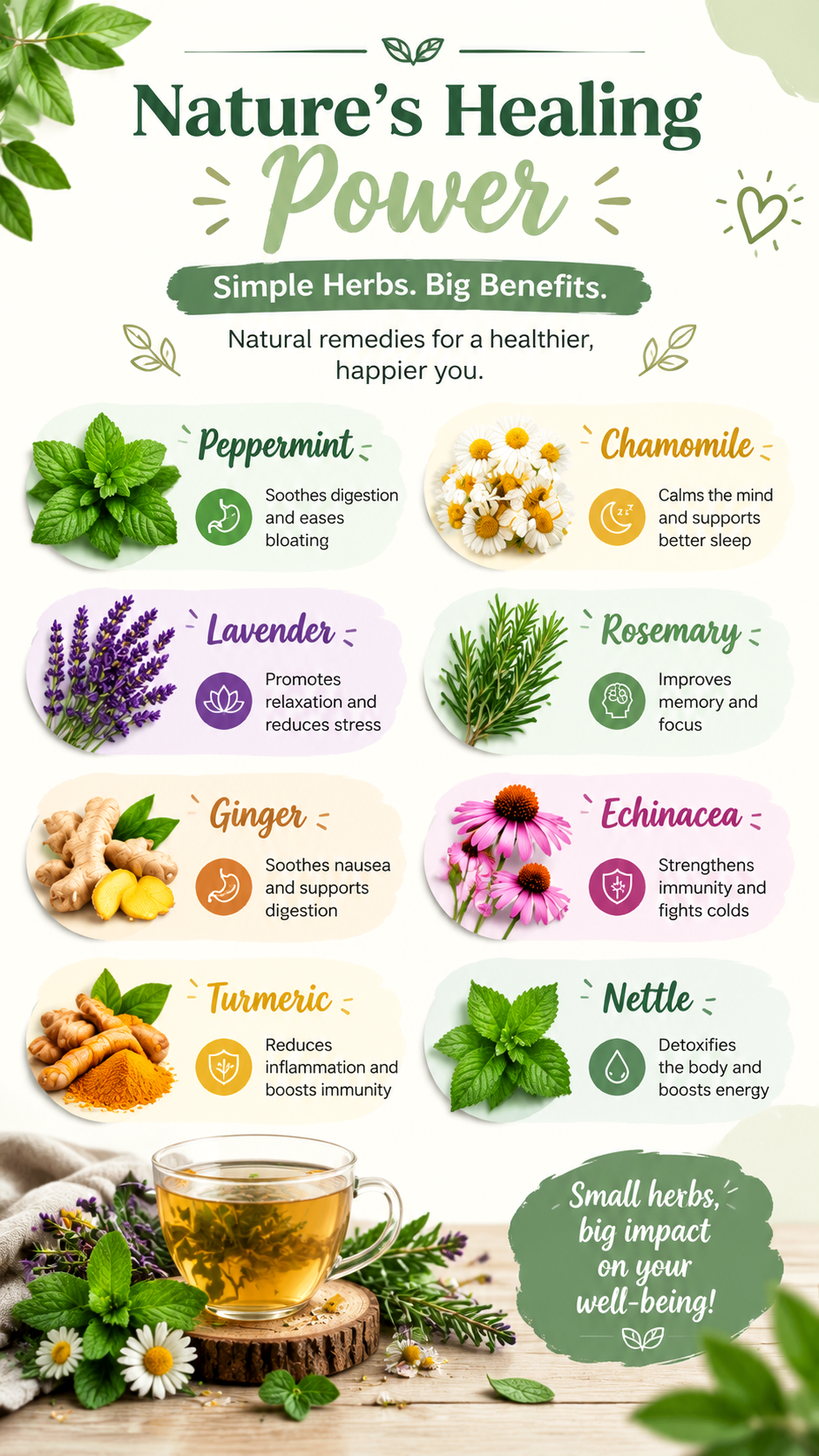
1. Peppermint: A Refreshing Herb for Digestive Comfort
Peppermint is known for its cool, refreshing aroma and naturally minty flavor. Its leaves are commonly used in herbal tea, desserts, sauces, and infused water. The plant contains menthol and other compounds that contribute to its characteristic cooling sensation.
Traditional Uses and Potential Benefits
Peppermint tea is often enjoyed after meals and is traditionally associated with digestive comfort. Some people find it soothing when experiencing occasional feelings of fullness or mild digestive discomfort.
Peppermint oil has been studied more extensively than peppermint leaf tea for certain digestive complaints. Enteric-coated peppermint oil may help relieve symptoms of irritable bowel syndrome in some adults, although it is not suitable for everyone.
How to Enjoy Peppermint
- Steep fresh or dried peppermint leaves in hot water for a refreshing herbal infusion.
- Add chopped leaves to fruit salads, yogurt, or homemade drinks.
- Use fresh peppermint as a fragrant garnish for meals.
Safety tip: Peppermint may worsen acid reflux or heartburn in some people. Concentrated peppermint oil should be used according to professional guidance and product instructions.
2. Basil: A Flavorful Herb for Everyday Wellness
Basil is a fragrant culinary herb used in many cuisines. Its fresh green leaves pair beautifully with tomatoes, vegetables, pasta, soups, salads, and homemade sauces. Different varieties, including sweet basil and holy basil, have distinct culinary and traditional applications.
Traditional Uses and Potential Benefits
Basil provides flavor while helping make vegetable-rich meals more appealing. Like many leafy herbs, it contains plant compounds and contributes small amounts of nutrients to the diet.
Holy basil, also called tulsi, holds a special place in some traditional wellness systems and is often used in herbal preparations associated with stress management. However, evidence supporting specific medicinal effects remains limited, and culinary sweet basil should not be assumed to have the same effects.
How to Enjoy Basil
- Add fresh basil to salads, sandwiches, and tomato dishes.
- Blend basil with olive oil, garlic, and nuts to make pesto.
- Keep a small basil plant in a sunny spot for convenient access to fresh leaves.
Safety tip: Use culinary basil in normal food amounts unless a healthcare professional advises otherwise. Concentrated holy basil products may interact with medications, including those affecting blood sugar or blood clotting.
3. Lavender: A Fragrant Herb for Relaxation
Lavender is recognized by its slender green stems and clusters of purple flowers. Its distinctive floral scent makes it popular in gardens, aromatherapy products, bath preparations, and certain culinary recipes.
Traditional Uses and Potential Benefits
Lavender has a long history of use in relaxation rituals and bedtime routines. Its scent may help some people feel calmer, particularly when combined with quiet surroundings, comfortable lighting, and consistent sleep habits.
Some research suggests that particular oral lavender oil preparations may help with anxiety symptoms, but the results cannot be generalized to every lavender product. Evidence for lavender as a treatment for insomnia is less conclusive.
How to Enjoy Lavender
- Use the scent of lavender as part of a calming evening routine.
- Explore lavender sachets for drawers or linen storage.
- Use food-grade culinary lavender sparingly in suitable recipes.
Safety tip: Essential oils are highly concentrated and should not be swallowed unless a product is specifically intended for oral use under appropriate professional guidance. Skin application may cause irritation or allergic reactions.
4. Rosemary: An Aromatic Herb for Cooking and Focus
Rosemary is a woody, evergreen herb with narrow, needle-like leaves and a strong, pine-like fragrance. It is a favorite in Mediterranean cooking, where it adds depth to roasted vegetables, potatoes, bread, soups, and savory dishes.
Traditional Uses and Potential Benefits
Rosemary contains aromatic compounds, including rosmarinic acid and carnosic acid, that have attracted scientific interest. Laboratory research has explored their antioxidant properties, but findings from laboratory studies do not automatically establish a health benefit in humans.
The scent of rosemary is sometimes used in environments intended to support alertness. However, claims that rosemary reliably improves memory or concentration require more convincing human evidence.
How to Enjoy Rosemary
- Season roasted potatoes, vegetables, or chicken with fresh rosemary.
- Add a small sprig to homemade soups or marinades.
- Grow rosemary in a container with plenty of sunlight and well-drained soil.
Safety tip: Rosemary is generally suitable as a culinary herb in ordinary food amounts. Avoid ingesting rosemary essential oil, and seek medical advice before using concentrated preparations medicinally.
5. Ginger: A Warming Root for Nausea and Digestion
Ginger is a knobby underground stem, or rhizome, widely used in cooking and traditional herbal practices. Its spicy, warming flavor works well in teas, stir-fries, soups, marinades, baked goods, and smoothies.
Traditional Uses and Potential Benefits
Ginger is particularly well known for its use in managing nausea. Research suggests that certain ginger preparations may help with some types of nausea, including pregnancy-related nausea, although the evidence varies by situation and preparation.
Ginger also contains gingerols and related compounds that researchers study for their biological effects. It is commonly consumed for digestive comfort, but it should not be considered a universal remedy for stomach problems.
How to Enjoy Ginger
- Slice fresh ginger into hot water for a simple infusion.
- Grate ginger into soups, vegetable dishes, and sauces.
- Add a small amount to smoothies for a spicy flavor.
Safety tip: Large amounts or concentrated supplements may cause heartburn, stomach discomfort, or other side effects. Consult a healthcare professional before using ginger supplements during pregnancy or alongside blood-thinning medication.
6. Echinacea: A Flowering Plant Associated With Cold Season
Echinacea is a group of flowering plants recognized by their prominent central cones and pink or purple petals. Several species are used in herbal supplements, which are commonly marketed for immune support and seasonal wellness.
Traditional Uses and Potential Benefits
Echinacea has traditionally been used for symptoms associated with respiratory infections. Scientific studies have produced mixed findings about whether it can prevent colds or reduce their duration. Differences in plant species, extracts, and study methods make the results difficult to generalize.
Although echinacea is often described as an immune booster, that phrase can oversimplify how the immune system works. A stronger immune response is not necessarily better for every person, particularly those with certain immune-related conditions.
How to Approach Echinacea
- Learn which echinacea species and plant parts a supplement contains.
- Check the product label for dosage, ingredients, and warnings.
- Prioritize sleep, hydration, balanced meals, and recommended vaccinations for overall health.
Safety tip: Echinacea may trigger allergic reactions, especially in people sensitive to plants in the daisy family. People with autoimmune conditions or those taking immunosuppressive medicines should consult a healthcare professional before using it.
7. Chamomile: A Gentle Herbal Tea for Bedtime
Chamomile is a daisy-like flowering plant often used to make a mild, fragrant herbal tea. Its small flowers have white petals surrounding yellow centers, making them familiar in herbal gardens and dried botanical blends.
Traditional Uses and Potential Benefits
Chamomile tea is traditionally associated with relaxation and sleep routines. Many people enjoy it as a warm, caffeine-free alternative to tea or coffee in the evening.
Although chamomile has a long history of use for digestive discomfort and relaxation, research has not established it as a reliable treatment for insomnia. Some preliminary findings suggest potential benefits for anxiety symptoms, but stronger evidence is needed.
How to Enjoy Chamomile
- Steep chamomile flowers in hot water according to the product directions.
- Drink the tea as part of a consistent, relaxing bedtime routine.
- Combine the habit with reduced evening screen time and a comfortable sleep environment.
Safety tip: Chamomile may cause allergic reactions, particularly in people sensitive to ragweed and related plants. It may also interact with certain medicines, including some anticoagulants and sedatives.
8. Nettle: A Traditional Herb With Nutritional Value
Stinging nettle is a leafy plant known for the tiny hairs on its stems and leaves, which can cause skin irritation when touched. Properly handled and prepared nettle is used in teas, soups, and other foods in several culinary traditions.
Traditional Uses and Potential Benefits
Nettle leaves contain nutrients, including minerals and vitamins, although the amount available depends on the plant, growing conditions, and preparation. Cooked nettle can contribute variety to a balanced diet.
Nettle has also been used traditionally for joint discomfort and urinary symptoms. Evidence for specific medicinal benefits remains limited or mixed, and different nettle preparations may have different effects.
How to Use Nettle Safely
- Choose commercially prepared nettle tea or properly processed culinary nettle.
- Use gloves when handling fresh stinging nettle.
- Cook or process the plant appropriately to deactivate its stinging hairs.
Safety tip: Nettle supplements may affect blood pressure, blood sugar, or fluid balance and may interact with medications. Avoid self-treating persistent urinary symptoms with herbs, as they can indicate a condition requiring medical attention.
9. Turmeric: A Golden Spice With Anti-Inflammatory Potential
Turmeric is a bright yellow-orange rhizome that gives many dishes their distinctive color. It is widely used in South Asian cooking, spice blends, soups, rice dishes, and warm beverages.
Traditional Uses and Potential Benefits
Turmeric contains curcuminoids, including curcumin, which have been studied for their anti-inflammatory and antioxidant properties. Some clinical studies suggest that particular curcumin preparations may help relieve symptoms of knee osteoarthritis, but the quality of evidence and the effectiveness of products vary.
Using turmeric in food is a simple way to enjoy its flavor and color. However, the amount of curcumin obtained from ordinary cooking is not equivalent to the concentrated doses used in many supplements.
How to Enjoy Turmeric
- Add turmeric to lentil soups, vegetable curries, rice, or roasted vegetables.
- Combine it with black pepper and other spices to create flavorful seasoning blends.
- Experiment with small amounts in homemade dressings and marinades.
Safety tip: High-dose turmeric or curcumin supplements may cause digestive side effects and have been associated with rare cases of liver injury, particularly with some enhanced-absorption formulations. Seek medical advice before taking concentrated products, especially if you have gallbladder problems or use medicines that affect blood clotting.
10. Milk Thistle: A Traditional Herb Studied for Liver Health
Milk thistle is a flowering plant recognized by its spiny leaves and purple flower heads. Its seeds are used to produce extracts containing silymarin, a mixture of compounds that has attracted interest in research on liver health.
Traditional Uses and Potential Benefits
Milk thistle has a long history of use in traditional herbal medicine, especially in preparations associated with the liver. Researchers have investigated its possible antioxidant and liver-related effects, but clinical evidence has not established it as an effective treatment for liver disease.
The liver already performs essential functions in processing substances and supporting metabolism. There is no strong evidence that routine detox supplements are necessary to cleanse a healthy liver.
How to Approach Milk Thistle
- Discuss supplements with a qualified healthcare professional before use.
- Choose products with clearly listed ingredients and reputable quality controls.
- Support liver health through appropriate medical care, balanced nutrition, and avoiding excessive alcohol.
Safety tip: Milk thistle may cause digestive symptoms or allergic reactions and can interact with certain medicines. People with existing liver conditions should seek medical guidance rather than relying on supplements.
Why Herbal Remedies Deserve a Thoughtful Approach
Herbs are appealing because they connect everyday habits with nature, traditional knowledge, and the pleasure of preparing food and drinks. However, it is important to distinguish traditional use, preliminary research, and established clinical evidence.
Why This Matters
A plant may contain biologically active compounds without being a proven treatment for a particular illness. The strongest evidence often applies to a specific preparation, dose, and medical condition, not every tea, powder, or supplement made from the same plant.
For example, research on enteric-coated peppermint oil cannot automatically be applied to peppermint tea. Similarly, studies of concentrated curcumin supplements do not prove that adding turmeric to dinner produces the same clinical effects.
Understanding these distinctions helps you enjoy herbal traditions without expecting every plant to deliver dramatic health improvements.
How to Incorporate Herbs Into Your Daily Routine
You do not need a large herb garden or an extensive supplement collection to explore herbal wellness. Start with familiar plants and simple preparations that fit naturally into your lifestyle.
Start With Herbal Teas
Herbal infusions are an accessible way to experience the aroma and flavor of selected plants. Peppermint and chamomile are popular choices, while ginger offers a more warming, spicy taste.
- Choose a commercially packaged herbal tea or a correctly identified culinary herb.
- Follow the preparation instructions provided on the packaging.
- Allow the infusion to cool to a comfortable temperature before drinking.
- Pay attention to how you feel and stop using the herb if you experience an unwanted reaction.
Remember that herbal teas can vary in strength. Avoid assuming that a stronger infusion is necessarily more beneficial.
Use Culinary Herbs to Improve Everyday Meals
Fresh and dried herbs can add flavor to meals without requiring large amounts of salt, sugar, or rich sauces. This makes them practical ingredients for people looking to cook more often at home.
- For vegetables: Try rosemary, basil, or turmeric.
- For refreshing drinks: Add peppermint leaves to water or fruit infusions.
- For soups and stews: Use ginger, rosemary, or other suitable seasonings.
- For evening routines: Consider a cup of chamomile tea if it is safe for you.
Grow a Small Home Herb Garden
A windowsill, balcony, or sunny garden corner can provide enough space to grow several useful culinary herbs. Basil, peppermint, and rosemary are popular options, although their individual growing requirements differ.
Choose containers with drainage holes, use suitable potting soil, and learn how much sunlight and water each plant needs. Peppermint spreads readily, so growing it in its own container can help prevent it from taking over nearby plants.
Always identify plants correctly before using them as food or herbal ingredients. Avoid collecting herbs from roadsides or areas that may have been treated with pesticides or contaminated by pollutants.
Pro Tip: Begin with one or two herbs rather than introducing several new supplements at once. This makes it easier to recognize unwanted reactions and establish simple, sustainable habits. Keep a note of the product, amount, and any symptoms if you are trying a new herbal preparation.
Herbal Safety: What Every Beginner Should Know
Herbal products can contain active compounds that affect the body. Their safety depends on the species, plant part, preparation, amount, product quality, and the individual’s health and medication use.
Check for Medication Interactions
Some herbs may influence blood clotting, blood pressure, blood sugar, liver enzymes, or the effects of sedative medicines. If you take prescription medication or manage a long-term condition, consult a healthcare professional or pharmacist before using concentrated herbal products.
Be Careful During Pregnancy and Breastfeeding
Not every herb has been adequately studied during pregnancy or breastfeeding. Certain preparations may be unsuitable, even when the plant is commonly used in food. Ask a qualified healthcare professional before using herbal supplements or medicinal-strength teas during these periods.
Choose Quality Products
Herbal supplements can differ considerably in concentration, purity, and ingredient accuracy. Select products from reputable manufacturers that provide clear ingredient lists, appropriate warnings, and credible quality testing where available.
Be skeptical of products promising rapid weight loss, complete detoxification, guaranteed immunity, or cures for serious diseases. Claims that sound too good to be true deserve careful scrutiny.
Know When to Seek Medical Care
Herbal remedies are not a substitute for evaluating persistent or severe symptoms. Seek appropriate medical care for ongoing digestive problems, unexplained weight changes, difficulty breathing, chest pain, severe allergic reactions, or symptoms that are getting worse.
If you develop a concerning reaction after taking an herbal product, stop using it and seek medical advice. Severe breathing difficulties or swelling of the face or throat require emergency care.
Common Questions About Herbal Remedies
Are Herbal Remedies Scientifically Proven?
Some herbal preparations have evidence supporting specific uses, while others have limited or inconsistent research. Evidence for one preparation does not necessarily apply to all products made from the same plant. Look for reliable clinical research and professional guidance rather than relying solely on traditional claims or marketing.
Can I Use Several Herbs Together?
Some herbs are commonly combined in food and tea blends, but using multiple concentrated supplements can increase the risk of interactions and side effects. Check ingredients carefully and consult a qualified professional if you take medication, have a medical condition, or plan to use herbal products regularly.
Are Fresh Herbs Better Than Dried Herbs?
Neither form is automatically better in every situation. Fresh herbs offer vibrant flavor and aroma, while dried herbs are convenient and have a longer shelf life. The concentration of plant compounds can differ between fresh and dried forms, so medicinal uses should not be compared by volume alone.
Do Herbs Detoxify the Body?
The word detox is often used in marketing without a clear medical definition. Your liver, kidneys, digestive system, and other organs already help process and eliminate waste. There is insufficient evidence that most detox teas or herbal cleanses improve these natural processes, and some products may cause harm.
What Is the Best Herb for Beginners?
The best starting point depends on your interests. Peppermint and chamomile are familiar choices for herbal infusions, while basil, rosemary, ginger, and turmeric are easy to explore through cooking. If your goal is to address a health condition, choose an approach based on reliable evidence and professional advice rather than a popular herb alone.
Herbal Remedies at a Glance
- Peppermint: A refreshing herb traditionally used for digestive comfort.
- Chamomile: A popular caffeine-free tea for relaxing evening routines.
- Ginger: A warming root with evidence supporting some uses for nausea.
- Turmeric: A colorful culinary spice studied for its anti-inflammatory potential.
- Rosemary and basil: Versatile herbs that add flavor to balanced meals.
- Milk thistle and echinacea: Popular herbal supplements whose specific benefits remain uncertain.
Conclusion: Make Herbal Wellness Part of a Balanced Lifestyle
Exploring herbal remedies is a rewarding way to learn about traditional plant knowledge, discover new flavors, and develop enjoyable daily routines. From peppermint tea and fragrant lavender to ginger, turmeric, and rosemary, each herb brings its own character and history to the world of natural wellness.
The most practical approach is to begin with familiar culinary herbs, learn about their traditional uses, and evaluate health claims carefully. Use herbs to enrich balanced meals, create comforting beverages, and complement healthy habits rather than relying on them as cures.
Above all, remember that herbal products can have side effects and interact with medicines. Choose reputable products, seek professional advice when necessary, and prioritize proven healthcare for medical concerns.
With a little curiosity and a thoughtful approach, you can build your own herbal remedies guide, discover plants that suit your lifestyle, and appreciate the many ways herbs contribute to cooking, gardening, and everyday self-care. Save this guide for future reference and continue exploring the fascinating world of herbs one plant at a time. 🌿
Tags
Herbal Remedies
Medicinal Herbs
Herbal Tea
Natural Wellness
Traditional Herbal Medicine
Herb Garden
Plant-Based Wellness
Holistic Self-Care