10 Self Discipline Habits to Build Better Routines Achieve Your Goals
Building self discipline is one of the most powerful ways to create lasting personal growth, improve productivity, and turn your goals into reality. Success rarely comes from one big decision. It is created through small choices, repeated actions, and daily habits that shape the person you become.
The journey toward stronger self discipline begins with understanding that consistency matters more than perfection. Whether you want to build better routines, improve your mindset, stay focused, or achieve personal goals, developing disciplined habits can help you create meaningful change over time.
Key Takeaways
- Self discipline is built through small daily actions and intentional choices.
- Creating routines makes positive habits easier to maintain.
- Removing distractions helps protect your time and energy.
- A strong mindset supports consistency during challenging moments.
- Progress comes from focusing on improvement rather than perfection.
What Is Self Discipline and Why Does It Matter?
Self discipline is the ability to control your actions, stay committed to your goals, and make choices that support your future self. It does not mean being strict or removing all enjoyment from life. Instead, it means learning how to prioritize what truly matters, even when motivation is low.
Many people believe successful individuals simply have more motivation, but motivation naturally changes from day to day. Self discipline creates a foundation that allows you to continue moving forward even when you do not feel inspired.
Important: Discipline is not about making huge changes overnight. It is about creating reliable systems and habits that make progress easier every day.
From improving health and productivity to reaching professional and personal goals, self discipline helps transform intentions into consistent actions. Small habits repeated over time become the building blocks of a better lifestyle.
10 Self Discipline Habits to Build Better Routines
1. Set Clear Goals
Clear goals give your daily actions direction. When you know exactly what you want to achieve, it becomes easier to decide where to spend your time and energy.
Instead of creating vague goals, focus on specific outcomes. A clear goal helps you measure progress and stay motivated when challenges appear.
2. Create a Daily Routine
A strong routine reduces decision fatigue and helps positive behaviors become automatic. When important tasks become part of your schedule, you are less likely to rely only on motivation.
A simple morning routine, focused work schedule, or evening reflection habit can create structure and improve consistency.
3. Eliminate Distractions
Distractions can quickly interrupt progress. Phones, unnecessary notifications, and constant multitasking can make it difficult to focus on meaningful goals.
Create an environment that supports discipline by limiting distractions and protecting your most valuable time.
4. Take Action Every Day
Consistency comes from showing up regularly, even with small efforts. A few minutes of progress each day can create significant results over time.
Daily action builds confidence because each completed task proves that you are capable of following through.
5. Stay Consistent
Consistency is one of the strongest foundations of self discipline. You do not need to have a perfect day every day. You simply need to continue returning to your habits.
Small actions repeated over weeks and months create lasting transformation.
6. Control Your Thoughts
Your mindset influences your behavior. Negative thoughts can create hesitation, while positive self-talk can strengthen confidence and determination.
Practice becoming aware of your thoughts and replacing limiting beliefs with encouraging reminders.
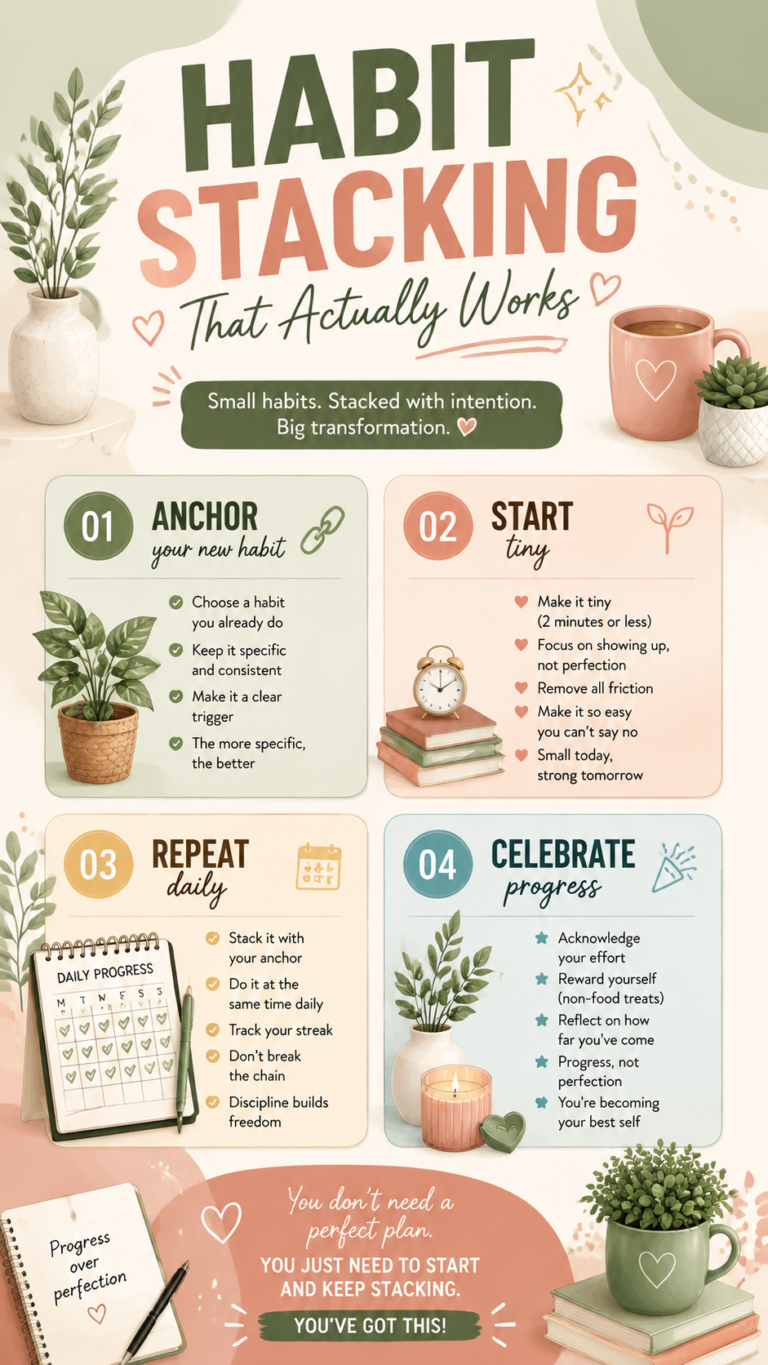
7. Build Good Habits
Good habits make discipline easier because they reduce the effort required to make positive choices. Focus on habits that support your health, productivity, and personal growth.
Examples include planning your day, exercising regularly, reading, organizing your workspace, and practicing gratitude.
8. Embrace Discomfort
Growth often happens outside your comfort zone. Learning to handle challenges without immediately giving up strengthens your discipline and resilience.
Every difficult moment is an opportunity to practice patience, determination, and commitment.
9. Delay Gratification
Self discipline often requires choosing long-term rewards over short-term comfort. Delaying unnecessary distractions allows you to invest your time in things that create future benefits.
This habit helps develop patience and strengthens your ability to stay focused on important goals.
10. Remember Your Why
Your reason behind a goal provides emotional motivation. When challenges appear, remembering why you started can help you continue moving forward.
A meaningful purpose creates stronger commitment than temporary excitement.
Expert Insight
The most effective discipline strategies focus on creating systems instead of depending on willpower alone.
- Make positive habits simple and repeatable.
- Design your environment to support your goals.
- Celebrate progress to maintain motivation.
How to Stay Disciplined When Motivation Fades
Everyone experiences days when motivation feels low. The key difference between temporary effort and lasting change is the ability to continue despite those moments.
Create strategies that help you stay committed:
- Prepare your environment before starting important tasks.
- Track your progress to see improvements over time.
- Focus on completing small actions instead of waiting for perfect conditions.
- Remind yourself of your bigger purpose.
Important: Discipline grows through practice. Every time you choose a positive action over an easy distraction, you strengthen your ability to stay consistent.
The Connection Between Discipline and Personal Growth
Personal growth is a continuous process of improving your habits, mindset, and daily choices. Self discipline acts as the bridge between where you are now and where you want to be.
By developing stronger routines, you create more control over your time and decisions. This allows you to focus on meaningful goals instead of reacting to distractions.
At a Glance: Simple Discipline Reminders
- Progress matters more than perfection.
- Small habits create big results.
- Consistency builds confidence.
- Your daily choices shape your future.
Conclusion: Build Discipline One Day at a Time
Self discipline is not something you achieve once and forget. It is a skill that grows through daily practice, intentional choices, and commitment to becoming better.
By setting clear goals, creating supportive routines, removing distractions, and focusing on consistent action, you can build habits that lead to lasting success.
The person you want to become is created through the choices you make today. Start with one small habit, stay consistent, and continue building a life you feel proud of.
Tags
Self Discipline
Habit Building
Personal Growth
Daily Routines
Productivity Tips
Goal Setting