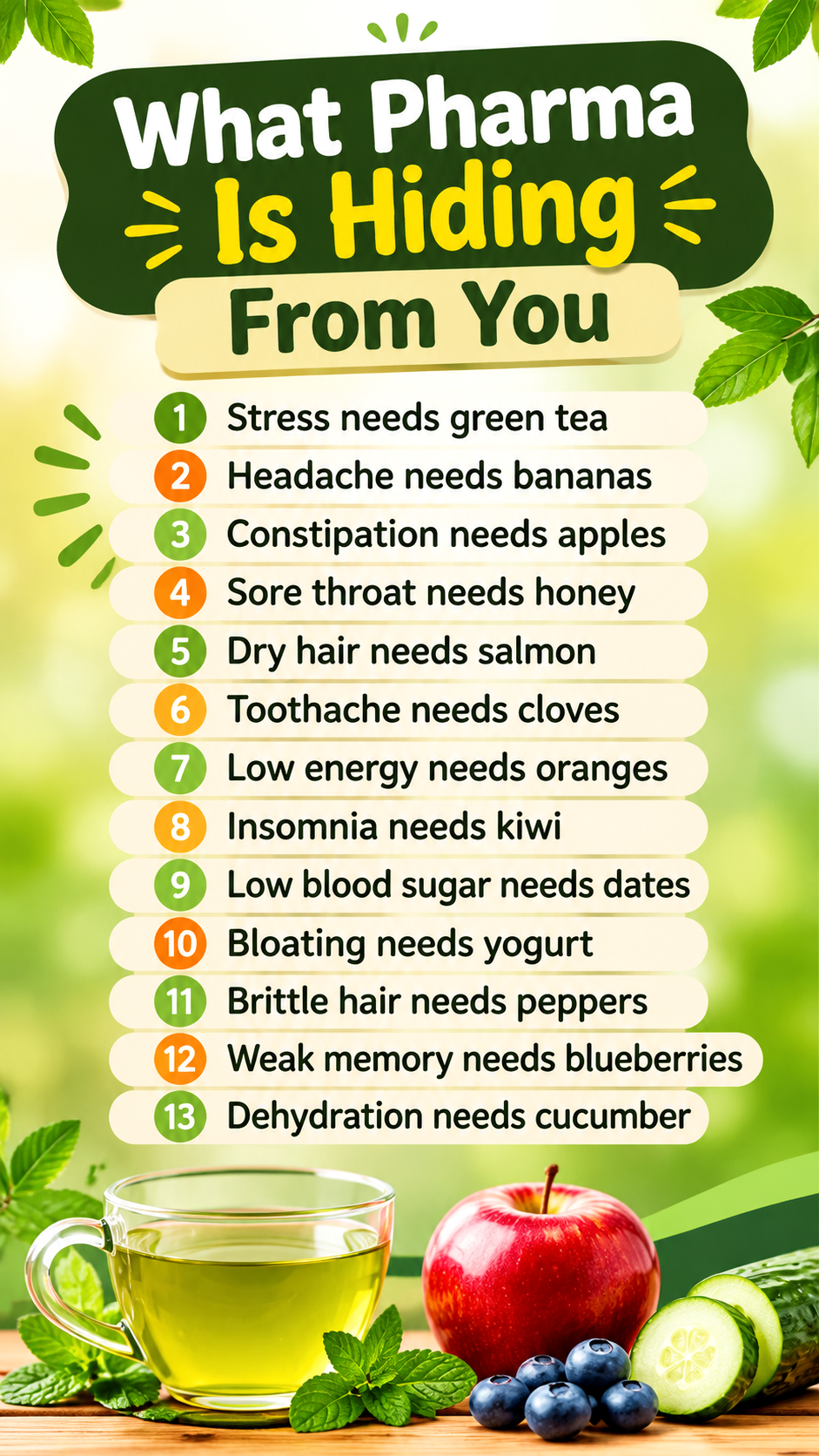
13 Foods That May Help With Stress, Headaches, Digestion, Sleep, and Energy
What if some of the simplest additions to your daily meals could help you feel more energized, support digestion, and make healthy living easier? From crisp apples and juicy oranges to soothing green tea and nutrient-rich salmon, everyday foods offer a variety of nutrients that support your body’s normal functions. The key is understanding what each food can contribute and how to include it in a balanced diet.
Many popular wellness tips connect specific foods with common concerns such as stress, headaches, constipation, sore throats, dry hair, low energy, and poor sleep. While these connections can be useful starting points, no single food is a guaranteed treatment for a health problem. Nutritional benefits depend on your overall eating pattern, individual needs, and any underlying medical conditions.
Key Takeaways
- Green tea, fruits, vegetables, and other whole foods can contribute valuable nutrients to a balanced diet.
- Fiber-rich foods such as apples may help support regular bowel movements when paired with adequate fluids.
- Protein, healthy fats, vitamins, and minerals all play important roles in maintaining healthy hair and normal energy levels.
- Some foods may complement healthy sleep habits, but they cannot reliably treat persistent insomnia.
- Food choices support general wellness but should not replace appropriate medical evaluation or treatment.
- Consistent eating habits are usually more beneficial than relying on one food to solve a specific symptom.
13 Everyday Foods and Their Potential Health Benefits
Different foods provide different combinations of nutrients. The following guide explores the foods featured in this popular nutrition list, explains their potential benefits, and offers practical ways to enjoy them as part of a varied diet.
1. Green Tea for Stress Management
Green tea is widely enjoyed for its delicate flavor and plant-based antioxidants. It contains catechins, including epigallocatechin gallate (EGCG), as well as L-theanine, an amino acid that has been studied for its possible effects on attention and relaxation.
Some people find that enjoying a warm cup of green tea provides a calming break during a busy day. The ritual itself can encourage mindfulness, particularly when you pause, breathe, and drink without distractions.
However, green tea is not a cure for chronic stress or anxiety. It also contains caffeine, which can make some people feel jittery or interfere with sleep.
How to Include Green Tea in Your Routine
- Enjoy a cup during a quiet morning or afternoon break.
- Choose unsweetened green tea to limit added sugar.
- Avoid drinking it close to bedtime if caffeine affects your sleep.
- Pair your tea break with slow breathing or a short walk.
For people who are sensitive to caffeine, decaffeinated green tea may be a better option. Remember that stress management also involves adequate sleep, physical activity, supportive relationships, and appropriate mental health care when needed.
2. Bananas for Nutrients That Support Normal Body Function
Bananas are convenient, affordable fruits that provide carbohydrates, potassium, vitamin B6, and some fiber. Their natural carbohydrates supply energy, making bananas a practical snack between meals or before physical activity.
Potassium helps maintain normal muscle function, nerve signaling, and fluid balance. Vitamin B6 contributes to normal nervous system function and several metabolic processes.
Although bananas can be a nutritious snack, they are not a guaranteed remedy for headaches. Headaches have many possible causes, including dehydration, stress, poor sleep, eye strain, illness, and migraine. Eating a banana may help if hunger is contributing to discomfort, but persistent or recurring headaches deserve appropriate attention.
Easy Ways to Eat Bananas
- Slice a banana over oatmeal or whole-grain cereal.
- Blend it with yogurt and berries for a quick smoothie.
- Pair it with peanut butter or nuts for a more filling snack.
For a balanced approach to headache prevention, pay attention to regular meals, hydration, sleep, and any personal triggers. Sudden, severe headaches or headaches accompanied by weakness, confusion, fever, or vision changes require urgent medical assessment.
3. Apples for Digestive Health and Constipation
Apples are a useful source of dietary fiber, particularly when eaten with their skin. They contain both soluble and insoluble fiber, including pectin, which can contribute to normal digestive function.
Fiber helps add bulk to stool, while certain types of soluble fiber can hold water and support softer bowel movements. Apples also contain water, which contributes to overall fluid intake.
For people experiencing occasional constipation, gradually increasing fiber intake may help. However, adding large amounts of fiber too quickly can cause gas or bloating, especially if fluid intake is inadequate.
Tips for Getting More Fiber
- Eat apples with their skin after washing them thoroughly.
- Combine apples with oats, beans, vegetables, and whole grains throughout the day.
- Drink enough fluids to support normal bowel function.
- Increase fiber gradually to give your digestive system time to adjust.
Important: Apples can contribute to a fiber-rich diet, but they do not automatically resolve constipation. Seek medical advice if constipation persists or is accompanied by severe abdominal pain, vomiting, blood in the stool, or an inability to pass gas.
4. Honey for a Sore Throat
Honey is traditionally used to soothe an irritated throat and calm coughing. Its thick texture can coat the throat temporarily, providing a comforting sensation when swallowing feels uncomfortable.
Some research suggests that honey may help reduce cough symptoms, particularly during upper respiratory infections. It is a symptom-relief option rather than a treatment for the underlying cause of an infection.
Simple Ways to Use Honey
- Stir a small spoonful into warm water or caffeine-free tea.
- Combine honey with warm lemon water for a soothing drink.
- Drink fluids regularly to help keep the throat moist.
Honey is still a form of added sugar, so moderate portions are sensible. Most importantly, never give honey to a child younger than 12 months because of the risk of infant botulism.
A sore throat that is severe, persistent, or accompanied by difficulty breathing, difficulty swallowing, dehydration, or significant swelling should be medically evaluated.
5. Salmon for Healthy Hair
Salmon is a nutrient-dense fish that supplies high-quality protein, omega-3 fatty acids, vitamin B12, and other important nutrients. Depending on the variety, it can also provide vitamin D and selenium.
Hair is made largely of a protein called keratin, so adequate protein intake is important for normal hair growth. Omega-3 fatty acids support various functions throughout the body, while vitamins and minerals contribute to overall health.
Dry hair, however, can result from many factors, including frequent heat styling, chemical treatments, environmental exposure, and the natural characteristics of the hair. Nutritional deficiencies can also affect hair health, but eating salmon alone will not necessarily correct dryness or prevent breakage.
Make Salmon Part of a Balanced Meal
- Bake salmon with lemon, herbs, and olive oil.
- Serve it with leafy greens and whole grains.
- Include other protein sources, such as eggs, beans, tofu, or nuts, throughout the week.
For healthier-looking hair, combine a balanced diet with gentle hair care. Persistent hair loss, sudden changes in hair texture, or scalp symptoms may warrant evaluation by a healthcare professional.
6. Cloves for Toothache Discomfort
Cloves are aromatic flower buds commonly used as a spice. They contain eugenol, a compound with properties that have been studied for local numbing and antimicrobial effects.
Clove oil has a history of use in dentistry, but that does not mean whole cloves or homemade clove preparations can safely treat every toothache. Concentrated clove oil may irritate or damage the gums and other tissues when used incorrectly.
If you develop tooth pain, arrange a dental examination to identify the cause. Cavities, gum disease, cracked teeth, and dental infections require different treatments.
What to Do When a Tooth Hurts
- Rinse your mouth gently with warm salt water if appropriate.
- Brush carefully and floss to remove trapped food without injuring the gums.
- Use an over-the-counter pain reliever only if it is safe for you and follow the label directions.
- Contact a dentist promptly, especially if the pain persists or worsens.
Facial swelling, fever, pus, or difficulty opening the mouth may indicate an infection. Difficulty breathing or swallowing with dental swelling is an emergency.
7. Oranges for Everyday Energy
Oranges provide vitamin C, water, fiber, and natural carbohydrates. Their refreshing flavor and convenient portions make them a useful addition to breakfast, lunch, or an afternoon snack.
Vitamin C supports normal immune function, collagen formation, and the absorption of non-heme iron from plant foods. These functions contribute to overall health, but vitamin C is not a direct stimulant and does not automatically eliminate fatigue.
Low energy can be associated with inadequate sleep, missed meals, dehydration, stress, medication effects, anemia, thyroid disorders, and many other conditions. An orange may help satisfy hunger and provide nutrients, but persistent fatigue should not be dismissed as a simple dietary problem.
Enjoy Oranges in Simple Ways
- Eat a whole orange for fiber and hydration.
- Add orange segments to salads with nuts and leafy greens.
- Pair fruit with yogurt, eggs, or whole-grain toast for a more balanced snack.
Whole oranges are generally a better everyday choice than juice because they retain more intact fiber and are usually more filling. If fatigue continues despite adequate rest and regular meals, consult a healthcare professional.
8. Kiwi as Part of a Sleep-Friendly Routine
Kiwi is a colorful fruit that provides vitamin C, vitamin K, fiber, and various plant compounds. Some small studies have explored whether eating kiwi in the evening may be associated with improvements in certain sleep measures, but the evidence remains limited.
Kiwi can still be a practical choice for an evening snack because it provides nutrients without requiring much preparation. Its natural sweetness can also satisfy a desire for something sweet after dinner.
It is important not to interpret these findings as proof that kiwi treats insomnia. Persistent difficulty falling asleep or staying asleep may be related to stress, irregular schedules, medication, pain, sleep apnea, or other health conditions.
Build Better Sleep Habits
- Keep your bedtime and wake-up time reasonably consistent.
- Reduce caffeine later in the day if you are sensitive to it.
- Make your bedroom comfortable, dark, and quiet.
- Consider a small kiwi snack if it suits your dietary needs.
A calming routine, adequate sleep opportunity, and regular daytime activity are more reliable foundations for sleep health than depending on one particular food.
9. Dates for Quick Energy and Blood Sugar Awareness
Dates are naturally sweet fruits that contain carbohydrates, fiber, and small amounts of several minerals. Because they provide concentrated carbohydrates, they can be a convenient source of energy during a busy day or around physical activity.
The image associates dates with low blood sugar, but this needs an important distinction. Dates contain carbohydrates that can raise blood glucose, yet they should not be treated as the primary or guaranteed treatment for hypoglycemia.
For someone who is experiencing a confirmed low blood glucose level, the appropriate response depends on their condition and treatment plan. Many diabetes guidelines recommend about 15 grams of fast-acting carbohydrate for a conscious adult, followed by a blood glucose recheck after 15 minutes. Individual instructions may differ, and people taking glucose-lowering medication should follow their clinician’s guidance.
Dates contain fiber and may be absorbed differently from glucose tablets or other rapid treatments. They may not act as predictably for an urgent low blood sugar episode.
Ways to Enjoy Dates
- Pair a few dates with nuts for a satisfying snack.
- Chop them into oatmeal or plain yogurt.
- Use chopped dates to add sweetness to homemade energy bites.
People with diabetes can often include dates in their diet, but portion size and total carbohydrate intake matter. Anyone experiencing severe confusion, seizures, unconsciousness, or an inability to swallow during suspected hypoglycemia needs emergency assistance. Never give food or drink by mouth to someone who cannot swallow safely.
10. Yogurt for Digestive Wellness and Bloating
Yogurt provides protein, calcium, and other nutrients. Depending on the product and how it is made, it may also contain live microorganisms that can contribute to the gut microbiome.
Some probiotic strains have been studied for specific digestive concerns, but benefits vary by strain, dose, and individual. It is not accurate to assume that every yogurt contains the same beneficial bacteria or that all probiotic foods relieve bloating.
In fact, yogurt may increase bloating in people who have difficulty digesting lactose. Others tolerate yogurt well, particularly varieties with live cultures or lower lactose content.
Choosing Yogurt for Everyday Meals
- Choose plain yogurt when you want to limit added sugar.
- Combine it with fruit, oats, or nuts for extra fiber and texture.
- Try lactose-free yogurt if ordinary dairy causes symptoms.
- Check the label for live cultures if probiotics are a priority.
Frequent bloating can have many causes, including constipation, food intolerances, irritable bowel syndrome, and eating patterns. Keeping a food and symptom diary may help identify patterns, while persistent or severe symptoms deserve medical assessment.
11. Peppers for Nutrients That Support Hair Health
Bell peppers, particularly red varieties, are excellent sources of vitamin C. They also provide carotenoids and other plant compounds that contribute to a varied, nutrient-rich diet.
Vitamin C helps the body produce collagen and improves the absorption of iron from plant foods. Adequate iron and protein are important for normal hair growth, although brittle hair is not always caused by a nutrient deficiency.
Hair breakage can also result from excessive heat styling, bleaching, chemical processing, tight hairstyles, and environmental damage. Nutritional factors are only one part of the picture.
Easy Ways to Add Peppers to Your Diet
- Slice raw bell peppers and serve them with hummus.
- Add chopped peppers to omelets, soups, or stir-fries.
- Combine peppers with beans or lentils to create a vitamin C-rich meal.
A balanced diet with adequate protein, iron, zinc, and other essential nutrients supports general health. Avoid taking high-dose supplements for hair problems without guidance, because excessive amounts of certain nutrients can cause harm.
12. Blueberries for Brain Health and Memory
Blueberries are rich in colorful plant compounds called anthocyanins, along with fiber and vitamin C. These compounds have attracted scientific interest because of their antioxidant activity and possible roles in brain and cardiovascular health.
Research into blueberries and cognitive performance is promising in some areas, but it does not establish that eating blueberries will reliably improve weak memory or prevent dementia. Memory depends on many factors, including sleep, stress, physical health, medications, and age.
Adding blueberries to your diet is still a simple way to increase fruit intake and enjoy a range of nutrients. Fresh and frozen berries can both be convenient choices, and frozen varieties often make it easier to keep fruit available throughout the year.
Simple Blueberry Ideas
- Mix blueberries into oatmeal or plain yogurt.
- Add them to smoothies with milk or a fortified alternative.
- Serve them with whole-grain pancakes or chia pudding.
- Combine berries with other colorful fruits for variety.
Why this matters: No single food can provide every nutrient your brain needs. A varied eating pattern that includes fruit, vegetables, whole grains, protein sources, and unsaturated fats is a more practical long-term strategy than relying on blueberries alone for memory support.
If memory problems are new, worsening, or interfering with daily activities, seek medical advice rather than trying to manage them through diet alone.
13. Cucumbers for Hydration
Cucumbers contain a high proportion of water, making them a refreshing addition to meals and snacks. They also provide small amounts of vitamin K and other nutrients.
Water is essential for regulating body temperature, transporting nutrients, supporting circulation, and maintaining normal bodily functions. Eating water-rich foods can contribute to daily fluid intake, particularly when combined with drinking water regularly.
Cucumbers are not a substitute for fluids during significant dehydration, especially when someone has lost large amounts of water through vomiting, diarrhea, heavy sweating, or illness. In these situations, an appropriate oral rehydration solution may be needed.
Refreshing Ways to Eat Cucumbers
- Add cucumber slices to a glass of water with lemon or mint.
- Prepare a cucumber salad with tomatoes, herbs, and olive oil.
- Serve cucumber sticks with hummus or a yogurt-based dip.
- Add sliced cucumber to sandwiches and wraps.
Thirst, dry mouth, and dark urine can be signs that you need more fluids, although symptoms vary. Severe dizziness, fainting, confusion, or very little urine may indicate significant dehydration and require prompt medical care.
How to Build a Balanced Diet With These Foods
Knowing the benefits of individual foods is helpful, but putting them together into practical meals is where healthy eating becomes sustainable. Instead of trying to eat every item on the list daily, focus on variety, regular meals, and portions that fit your needs.
Start With a Simple Meal Formula
A useful approach is to combine several food groups in most main meals:
- Fruits and vegetables: Include options such as oranges, apples, peppers, cucumbers, or blueberries.
- Protein: Choose salmon, eggs, yogurt, beans, lentils, tofu, poultry, or other suitable sources.
- Whole grains or other fiber-rich carbohydrates: Consider oats, whole-grain bread, brown rice, or other grains you enjoy.
- Healthy fats: Include foods such as nuts, seeds, olive oil, or avocado.
- Fluids: Drink water regularly and adjust your intake for activity, weather, and individual needs.
This approach supports nutritional variety without requiring expensive products, complicated recipes, or restrictive food rules.
Example of a Simple Day of Healthy Eating
Breakfast
Prepare oatmeal with sliced banana, blueberries, and plain yogurt. This combination offers carbohydrates, fiber, protein, and a variety of nutrients to start the day.
Lunch
Enjoy a salmon salad with leafy greens, cucumber, bell peppers, and whole-grain bread. Add olive oil and lemon juice for flavor.
Afternoon Snack
Choose an apple with a small serving of nuts, or have plain yogurt with fruit. Green tea can be an optional drink if caffeine suits you.
Dinner
Prepare a balanced meal with beans or another protein source, whole grains, and cooked vegetables. Finish with an orange or a few slices of kiwi if you want something sweet.
Evening Routine
If you enjoy honey in a warm drink, use a modest amount. Keep your evening routine relaxing and limit late caffeine if it disrupts your sleep. A light snack is optional rather than necessary for everyone.
Pro Tip: Make healthy eating easier by preparing washed fruit, sliced vegetables, and simple protein options ahead of time. When nutritious foods are convenient, you are more likely to choose them during a busy day.
Common Myths About Food and Health
Short nutrition lists can make healthy eating look simple, but they sometimes turn useful associations into claims that are too strong. Understanding the difference can help you make safer decisions.
Myth 1: Every Symptom Has One Perfect Food
There is no universal food for stress, headaches, bloating, or fatigue. Symptoms can have multiple causes, and an appropriate response depends on what is causing them. Food may support general health without directly treating the symptom.
Myth 2: Natural Remedies Are Always Safe
Natural foods can be nutritious, but concentrated oils, supplements, and large doses of certain ingredients can cause harm or interact with medications. Clove oil, for example, can irritate tissues when misused. Honey is unsafe for infants younger than one year.
Myth 3: More Is Always Better
Eating excessive amounts of a particular food does not guarantee greater benefits. A variety of foods in appropriate portions is generally more useful than consuming large quantities of one supposedly beneficial ingredient.
Myth 4: Food Can Replace Medical Care
Nutrition is an important part of health, but it cannot replace dental treatment, prescribed medication, emergency care, or evaluation of persistent symptoms. Food should complement appropriate healthcare rather than delay it.
At a Glance: 13 Foods for Everyday Wellness
- Green tea: A source of plant compounds and a calming beverage ritual.
- Bananas: Provide carbohydrates, potassium, and vitamin B6.
- Apples: Supply fiber that supports digestive health.
- Honey: May soothe coughs and throat irritation in suitable age groups.
- Salmon: Provides protein and omega-3 fatty acids.
- Cloves: Contain eugenol, but do not replace dental care.
- Oranges: Offer vitamin C, water, and fiber.
- Kiwi: Provides vitamins and may be a useful addition to a sleep-friendly routine.
- Dates: Supply concentrated carbohydrates and fiber.
- Yogurt: Offers protein and calcium, with live cultures in some varieties.
- Bell peppers: Provide vitamin C and other plant nutrients.
- Blueberries: Supply anthocyanins and fiber.
- Cucumbers: Contribute water and support everyday hydration.
Conclusion: Let Everyday Foods Support Your Wellness
Healthy eating does not need to be complicated. Simple choices such as adding fruit to breakfast, including vegetables at lunch, enjoying protein-rich foods at dinner, and drinking water throughout the day can help build a more balanced routine.
The 13 foods in this guide offer a range of nutrients that contribute to normal digestion, hydration, energy metabolism, and overall health. Green tea can be part of a relaxing ritual, apples can contribute fiber, salmon provides protein and omega-3 fats, and colorful fruits and vegetables help increase nutrient variety.
At the same time, it is important to look beyond catchy claims. No single food reliably cures headaches, resolves chronic insomnia, eliminates bloating, repairs every hair problem, or treats dangerously low blood sugar. Pay attention to your symptoms, consider your individual needs, and seek professional guidance when necessary.
The best nutrition plan is one that is balanced, enjoyable, affordable, and realistic enough to maintain over time. Start with one or two simple changes, experiment with foods you like, and gradually build habits that work for your lifestyle.
Choose variety, enjoy your meals, and remember that small, consistent habits can make healthy living feel more achievable. Save this guide for your next grocery trip and use it as inspiration for your everyday meal planning.
Tags
Healthy Foods
Nutrition Tips
Healthy Eating
Natural Wellness
Digestive Health
Healthy Lifestyle
Wellness Foods
Food and Health