8 Hormone Balancing Foods for Womens Health Wellness
Hormone balance plays an important role in women’s overall wellness, influencing energy levels, mood, metabolism, sleep, appetite, and many other aspects of daily health. While hormones are naturally regulated by the body, lifestyle habits, including nutrition, can provide valuable support. Choosing nutrient-rich foods can help create a foundation for a balanced and nourishing routine.
The right combination of whole foods can support important hormones such as insulin, estrogen, progesterone, cortisol, thyroid hormones, melatonin, leptin, ghrelin, and testosterone. From colorful berries and healthy fats to seeds, vegetables, and protein-rich foods, simple dietary choices can make a meaningful difference in how you feel each day.
Key Takeaways
- Whole foods can provide nutrients that support healthy hormone function.
- Protein, fiber, healthy fats, and antioxidants are key parts of a balanced diet.
- Foods like berries, nuts, seeds, vegetables, and quality proteins can support overall wellness.
- Stable blood sugar habits may help maintain steady energy and reduce cravings.
- A consistent healthy eating pattern matters more than a single “hormone balancing” food.
Understanding Hormone Balance and Nutrition
Hormones are chemical messengers that help regulate many processes in the body. They influence how we use energy, how we respond to stress, how we sleep, and how we manage hunger signals. Nutrition does not replace medical care or instantly “fix” hormone concerns, but a balanced eating pattern can support the body’s natural systems.
Foods rich in vitamins, minerals, antioxidants, fiber, and healthy fats provide building blocks that help the body perform important functions. A diet filled with colorful plants, quality proteins, and nourishing fats can support a healthier relationship with food while promoting long-term wellness.
Important: Hormone health is influenced by many factors, including sleep, movement, stress management, and individual health needs. Food is one powerful piece of a larger wellness picture.
8 Hormone Balancing Foods Every Woman Should Know
1. Berries for Blood Sugar Support
Berries such as blueberries, raspberries, strawberries, and blackberries are rich in antioxidants and naturally high in fiber. Their combination of nutrients makes them a smart choice for supporting steady energy and balanced meals.
Adding berries to yogurt, oatmeal, smoothies, or snacks can be an easy way to include more plant-based nutrients in your daily routine. Their natural sweetness also makes them a satisfying alternative to highly processed treats.
Simple Idea
Pair berries with Greek yogurt or nuts for a snack that combines fiber, protein, and healthy fats.
2. Flaxseeds for Plant-Based Nutrients
Flaxseeds are small but nutrient-dense seeds that contain fiber and healthy fats. They are often included in wellness-focused diets because they can easily be added to everyday meals.
Sprinkle ground flaxseeds over oatmeal, smoothies, salads, or yogurt bowls to increase the nutritional value of your meals without adding complicated preparation steps.
3. Avocado for Healthy Fats
Avocados provide healthy fats, fiber, and important nutrients that support a balanced diet. Healthy fats are essential because they help the body absorb certain vitamins and contribute to satisfying meals.
Enjoy avocado on whole-grain toast, in salads, or blended into creamy sauces for a simple nutrition boost.
4. Eggs for Protein and Nutrients
Eggs are a versatile source of protein and contain several important nutrients. Including protein in meals can help support fullness, muscle maintenance, and balanced eating habits.
Whether enjoyed at breakfast or added to salads and meals, eggs are an easy ingredient for creating satisfying dishes.
5. Leafy Greens for Overall Wellness
Leafy greens such as spinach, kale, and other green vegetables are packed with nutrients that support a healthy lifestyle. Their fiber content can also help create more balanced meals.
Adding greens to smoothies, omelets, soups, or salads is an easy way to increase vegetable intake throughout the week.
6. Nuts and Seeds for Hormone-Friendly Fats
Nuts such as almonds and walnuts, along with seeds like pumpkin seeds, provide healthy fats, minerals, and plant-based nutrients. They are convenient foods that can support balanced snacking.
A small handful of nuts or seeds can be added to oatmeal, salads, smoothies, or enjoyed on their own for a satisfying snack.
7. Salmon for Omega-3 Fatty Acids
Salmon is a popular source of protein and omega-3 fatty acids. Healthy fats from fish can be part of a balanced eating pattern that supports overall wellness.
Including fish in meals alongside vegetables and whole foods can create a nourishing plate that supports long-term health goals.
8. Cherries and Tart Cherry Juice for Sleep Support
Quality sleep is closely connected to overall health and hormone regulation. Cherries and tart cherry juice are often included in wellness routines because they contain naturally occurring compounds associated with sleep support.
Creating a relaxing evening routine, along with choosing nourishing foods, can help encourage better sleep habits.
How to Build Hormone-Friendly Meals
A hormone-supportive meal does not need to be complicated. The goal is to combine different food groups that provide balanced nutrition.
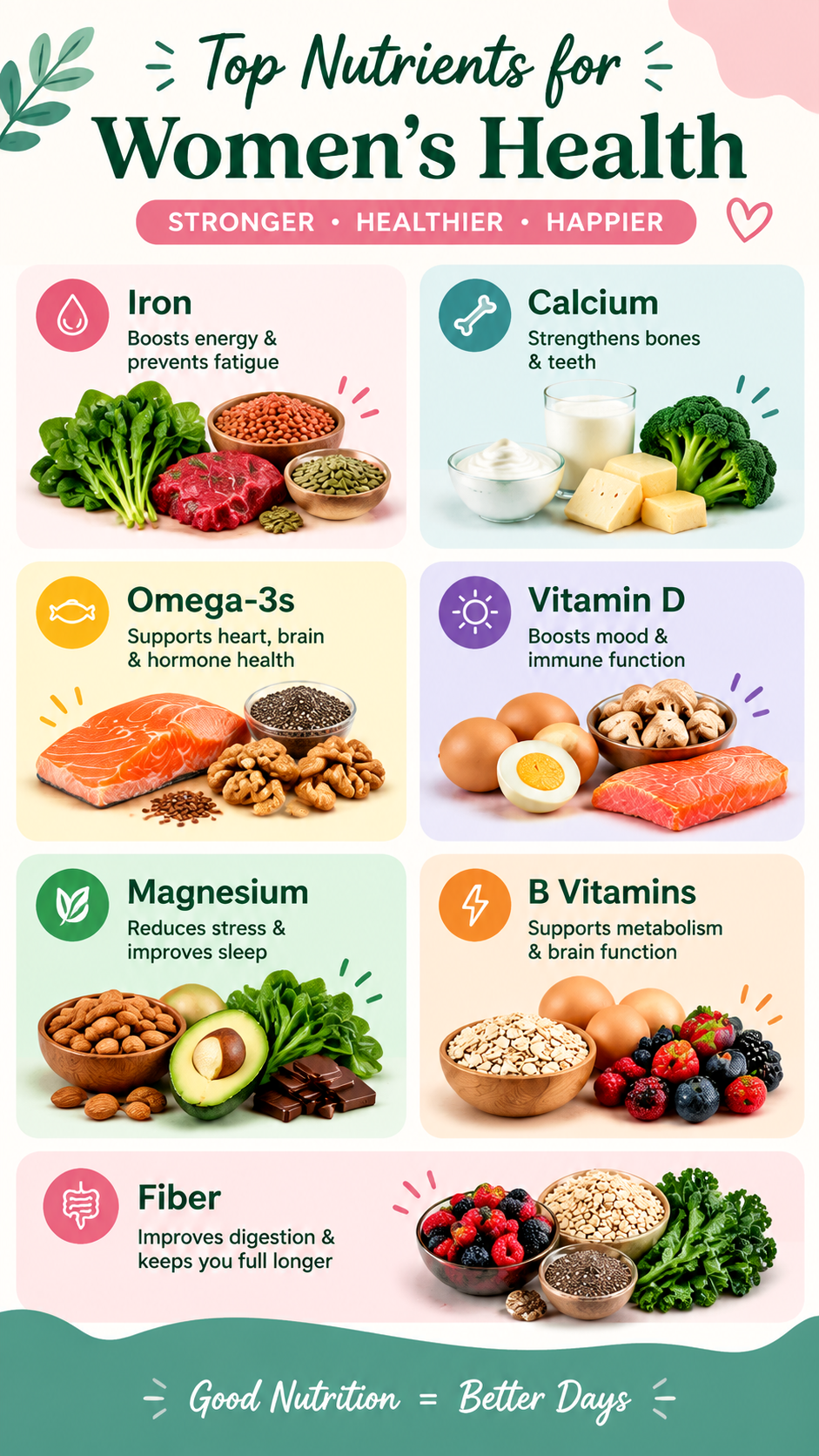
- Add protein: Include eggs, fish, yogurt, beans, or other protein sources.
- Choose healthy fats: Add avocado, nuts, seeds, olive oil, or fatty fish.
- Increase fiber: Include vegetables, berries, fruits, and whole grains.
- Stay hydrated: Water supports many important body functions.
Why This Matters
Balanced nutrition supports the body’s natural processes. Small, consistent choices like adding more vegetables, healthy fats, and quality proteins can create positive habits over time.
Foods to Combine for Better Nutrition
Many hormone-friendly foods work well together because they provide complementary nutrients. For example, pairing protein with fiber-rich carbohydrates can create more satisfying meals, while adding healthy fats can improve flavor and nourishment.
- Greek yogurt with berries and flaxseeds
- Eggs with leafy greens and avocado
- Salmon with vegetables and whole grains
- Oatmeal topped with nuts and seeds
At a Glance
- Choose whole foods more often.
- Include protein and healthy fats in meals.
- Add colorful fruits and vegetables daily.
- Create consistent wellness habits.
Conclusion
Supporting hormone balance begins with simple, sustainable habits. The foods you choose every day can provide important nutrients that help your body function at its best. Berries, seeds, vegetables, healthy fats, and quality proteins are all valuable additions to a balanced lifestyle.
Rather than searching for quick fixes, focus on creating nourishing meals filled with variety and consistency. Small changes, repeated over time, can help you build a healthier relationship with food and wellness.
Explore new recipes, experiment with nutrient-rich ingredients, and enjoy the process of caring for your body through thoughtful nutrition.
Tags
Hormone Balance
Women’s Wellness
Healthy Eating
Hormone Friendly Foods
Nutrition Tips
Healthy Lifestyle