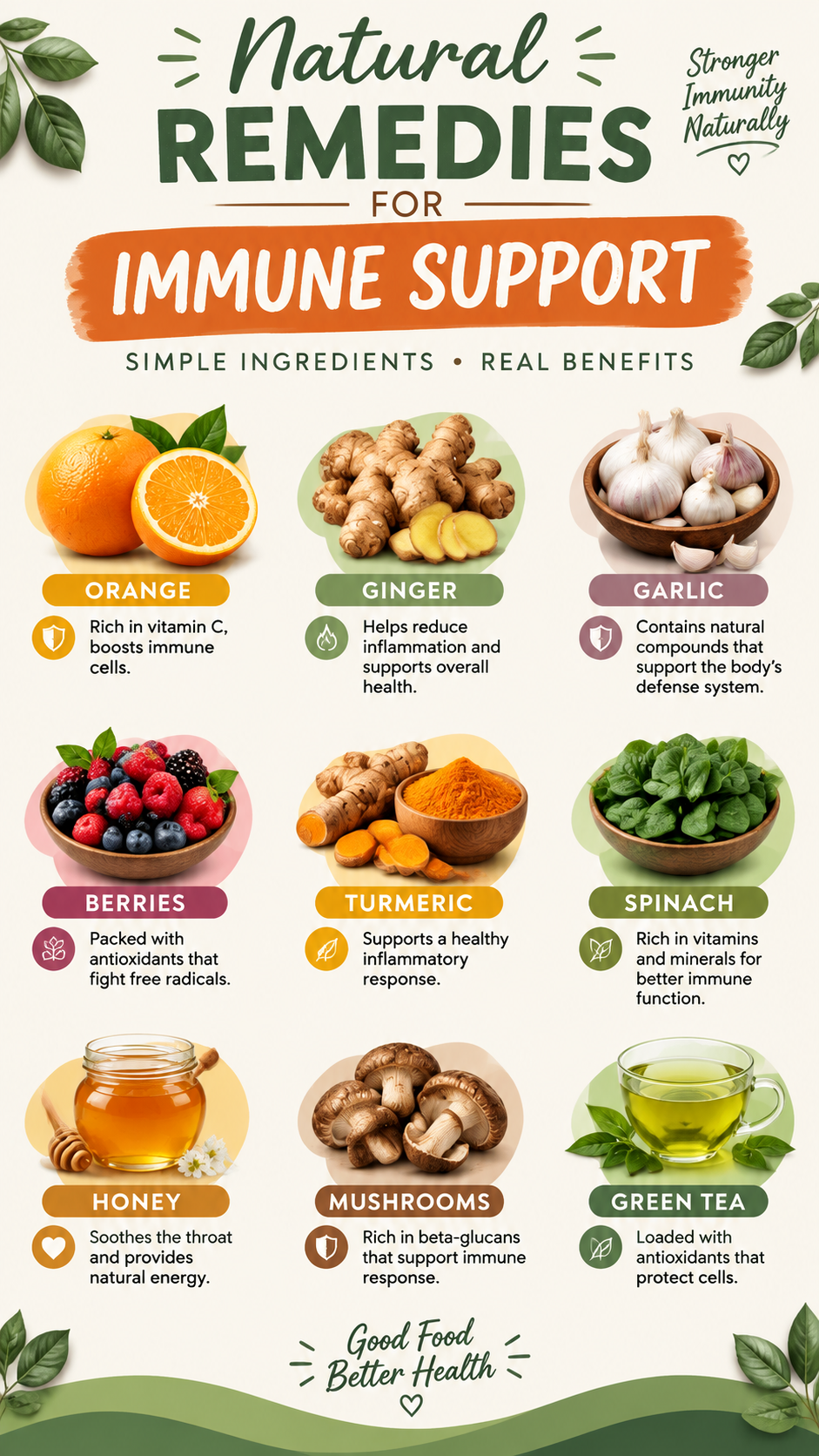
9 Natural Remedies for Immune Support Herbs, Foods Wellness Tips
Supporting your immune system starts with everyday choices, and the foods you enjoy can play an important role in maintaining overall health. From antioxidant-rich berries and leafy greens to flavorful garlic, ginger, and turmeric, natural ingredients offer a simple way to add variety and valuable nutrients to your daily routine. You do not need an elaborate wellness plan to get started. A balanced diet, adequate sleep, regular physical activity, and consistent healthy habits can all contribute to normal immune function.
Whether you want to explore natural immune support foods, prepare soothing herbal drinks, or find easy ways to make your meals more nourishing, these nine ingredients are worth getting to know. Each offers its own nutritional benefits, and together they can inspire practical, delicious additions to an everyday wellness routine.
Key Takeaways
- Colorful fruits and vegetables provide vitamins, minerals, and antioxidants that support normal immune function.
- Garlic, ginger, and turmeric add flavor and contain natural compounds studied for their potential health benefits.
- Mushrooms can contribute useful nutrients and beta-glucans, depending on the variety.
- Honey may soothe a cough or irritated throat, but it is not suitable for children under 12 months.
- Green tea offers beneficial plant compounds and can be part of a balanced daily routine.
- No single food prevents illness or replaces medical care, vaccination, or other evidence-based preventive measures.
1. Elderberry: A Colorful Berry for Antioxidant Support
Elderberries are small, dark purple berries that have a long history of use in traditional food preparations. Their rich color comes partly from anthocyanins, plant pigments with antioxidant activity. Antioxidants help protect cells from damage caused by unstable molecules known as free radicals.
These berries are often found in syrups, teas, jams, and other preparations. Their distinctive flavor makes them an interesting ingredient for people who enjoy exploring fruit-based additions to a varied diet.
How to Add Elderberry to Your Routine
- Try a commercially prepared elderberry product according to its label directions.
- Use elderberry jam as a flavorful addition to whole-grain toast.
- Combine elderberry preparations with other fruit flavors in a balanced breakfast.
It is important to distinguish traditional use from proven medical benefits. Research on elderberry for colds and flu remains limited, and findings are not strong enough to establish it as a reliable treatment or preventive measure.
Safety note: Raw or unripe elderberries, along with their leaves, stems, and other plant parts, can contain toxic compounds. Use properly prepared products, and ask a healthcare professional before taking elderberry supplements if you use medication, are pregnant, or have an underlying health condition.
2. Garlic: A Flavorful Kitchen Staple
Garlic is widely used in cuisines around the world, adding a savory flavor to soups, vegetables, sauces, marinades, and roasted dishes. It also contains sulfur-containing compounds, including allicin, which forms when fresh garlic is chopped or crushed.
Researchers have studied garlic for its possible effects on several aspects of health. However, laboratory findings do not automatically translate into proven benefits for preventing infections. Garlic is best viewed as a nutritious ingredient that makes balanced meals more enjoyable rather than a guaranteed immune booster.
Simple Ways to Enjoy Garlic
- Add minced garlic to vegetable soups and homemade sauces.
- Roast whole cloves with carrots, potatoes, or other vegetables.
- Mix garlic with olive oil, lemon juice, and herbs for a flavorful dressing.
- Stir chopped garlic into cooked beans or lentils for extra flavor.
Fresh garlic can be a practical alternative to heavily salted seasoning mixes. If you take blood-thinning medication or are considering concentrated garlic supplements, consult a healthcare professional because supplements can increase bleeding risk and may interact with medicines.
3. Ginger: A Warming Ingredient for Everyday Wellness
Ginger is a fragrant root used in both sweet and savory dishes. Its naturally spicy flavor works well in teas, stir-fries, soups, smoothies, and marinades. Ginger contains compounds called gingerols and related substances that have been studied for their biological effects.
Some evidence supports ginger for particular concerns, including certain types of nausea. Its potential anti-inflammatory effects are also being researched, although the results vary depending on the condition, preparation, and amount consumed.
Easy Ginger Ideas
- Steep a few slices of fresh ginger in hot water for a warming drink.
- Add grated ginger to vegetable or chicken soup.
- Combine ginger, lemon, and a little honey for flavor.
- Use ginger in homemade salad dressings or vegetable stir-fries.
Ginger tea can be a comforting choice when you want a warm, flavorful drink. It does not directly prevent respiratory infections, but it can fit into a healthy routine that includes hydration and balanced nutrition.
People who experience frequent heartburn may find that ginger aggravates their symptoms. Concentrated supplements can also interact with certain medications, so seek professional advice if you plan to use them regularly.
4. Turmeric: A Golden Spice with Curcumin
Turmeric gives curries, soups, rice dishes, and other recipes their distinctive golden color. It contains curcumin, a compound widely studied for its antioxidant and anti-inflammatory properties. This research has generated interest in turmeric as part of a health-conscious diet.
Although curcumin has shown promising effects in some studies, its absorption in the body is relatively low, and research findings depend on the preparation and health condition being investigated. Eating turmeric can add flavor and variety to meals, but it should not be considered a treatment for immune disorders or chronic inflammation.
How to Use Turmeric in Everyday Meals
- Stir a small amount into lentil soup or vegetable curry.
- Add turmeric to rice, roasted cauliflower, or chickpeas.
- Combine it with ginger and black pepper in a savory recipe.
- Experiment with turmeric in homemade spice blends.
Turmeric is generally easy to include in normal cooking amounts. High-dose curcumin supplements are different from culinary use and may cause side effects or interact with medicines. Some enhanced-absorption products have also been associated with liver injury. Speak with a healthcare professional before using concentrated products, especially if you have liver or gallbladder problems or take prescription medication.
5. Citrus Fruits: Vitamin C for Normal Immune Function
Oranges, lemons, grapefruit, mandarins, and other citrus fruits are popular sources of vitamin C. This essential nutrient supports several functions in the body, including normal immune activity, collagen production, wound healing, and the absorption of iron from plant-based foods.
Vitamin C also acts as an antioxidant. Getting enough is important for good health, but taking more than the body needs does not guarantee stronger immunity or prevent every cold. The goal is to consume enough through a varied diet rather than relying on excessive doses of supplements.
Fresh Ways to Enjoy Citrus
- Eat a whole orange or mandarin as a snack.
- Add lemon juice to water, salads, or cooked vegetables.
- Combine citrus segments with leafy greens and nuts.
- Use fresh lemon zest to brighten soups and homemade dressings.
Whole fruit is often a more satisfying choice than juice because it provides fiber and takes longer to consume. If you enjoy citrus juice, consider a moderate serving and choose options without added sugar.
People who experience acid reflux may find that citrus aggravates their symptoms. Grapefruit and grapefruit juice can also interact with certain medicines, so check medication guidance or ask a pharmacist if you are unsure.
6. Leafy Greens: Everyday Nutrition in Every Serving
Spinach and other leafy greens provide a range of nutrients that help the body function normally. Depending on the variety, they can supply folate, vitamin C, vitamin K, carotenoids, and minerals. They also add fiber and color to meals without requiring complicated preparation.
Adequate intake of vitamins and minerals supports normal immune function. However, no individual vegetable can compensate for an otherwise unbalanced diet. Eating different kinds of vegetables throughout the week is a practical way to cover a wider range of nutritional needs.
Simple Ways to Eat More Leafy Greens
- Mix fresh spinach into salads with citrus, beans, or seeds.
- Add leafy greens to omelets, soups, and pasta dishes.
- Blend a handful into a fruit smoothie if you enjoy the flavor.
- Lightly sauté greens with garlic and olive oil for a quick side dish.
Frozen greens can be just as practical as fresh options. Keep a bag in the freezer so you can add a serving to soups, stews, and quick weeknight meals without worrying about produce spoiling as quickly.
One consideration is vitamin K, which can affect warfarin treatment. People taking warfarin generally do not need to avoid leafy greens, but they should maintain a reasonably consistent intake and follow their healthcare professional’s advice.
7. Honey: A Soothing Addition to Warm Drinks
Honey is a natural sweetener that adds sweetness and a distinctive flavor to teas, breakfast foods, sauces, and homemade dressings. It contains small amounts of plant-derived compounds, although its composition varies with the flowers and production methods involved.
One of honey’s most practical uses is soothing a cough. Evidence suggests it may help relieve acute cough symptoms in some children older than one year and adults, particularly at bedtime. This is symptom relief, not proof that honey strengthens immune defenses or cures the infection causing the cough.
Enjoy Honey in Moderation
- Stir a small spoonful into warm tea once it has cooled slightly.
- Drizzle a little over plain yogurt or oatmeal.
- Combine honey with lemon juice for a flavorful dressing or warm drink.
Honey is still an added sugar, so moderation matters, especially for people managing blood glucose levels or limiting added sugars. Avoid giving honey to babies younger than 12 months because it can cause infant botulism, a rare but serious illness.
For a sore throat, honey may provide temporary comfort, but persistent symptoms, difficulty breathing, trouble swallowing, dehydration, or a high or prolonged fever deserve medical attention.
8. Mushrooms: Nutrients and Naturally Occurring Beta-Glucans
Mushrooms add an earthy flavor and satisfying texture to meals. Common edible varieties include button, cremini, shiitake, oyster, and portobello mushrooms. Their nutritional content varies, but many provide B vitamins, minerals, and other compounds that contribute to a balanced diet.
Certain mushrooms contain beta-glucans, complex carbohydrates that have been studied for their effects on immune-related processes. The amounts and types differ among species, and research involving concentrated extracts or specialized preparations cannot automatically be applied to ordinary servings of cooked mushrooms.
Delicious Ways to Prepare Mushrooms
- Sauté sliced mushrooms with garlic and herbs.
- Add mushrooms to soups, grain bowls, and vegetable stews.
- Roast portobello mushrooms as a hearty side dish.
- Combine mushrooms with beans or lentils for a satisfying meal.
Cooking mushrooms thoroughly improves their texture and makes them easier to incorporate into many dishes. Purchase edible mushrooms from reliable sources and never eat wild mushrooms unless they have been positively identified by a qualified expert. Some poisonous varieties resemble edible ones.
Be cautious with mushroom supplements marketed for immune support. Their effects, purity, and safety can vary, and they should not replace prescribed treatment. Consult a healthcare professional before using concentrated extracts, particularly if you take medication or have a condition that affects immune function.
9. Green Tea: A Plant-Based Drink Rich in Antioxidants
Green tea is made from the leaves of the Camellia sinensis plant. Unlike black tea, it undergoes less oxidation during processing, helping preserve a different balance of naturally occurring plant compounds. These include catechins, a group of polyphenols with antioxidant activity.
Green tea can be an enjoyable alternative to sugary drinks and provides fluid as part of daily hydration. Research has explored its potential effects on several aspects of health, but evidence does not establish ordinary green tea as a way to prevent infections or directly strengthen immunity beyond the benefits of a generally healthy diet.
How to Make Green Tea Part of Your Day
- Enjoy a cup in the morning or early afternoon.
- Use water that is hot but not aggressively boiling to reduce bitterness.
- Allow the leaves or tea bag to steep according to the package directions.
- Drink it plain or add a slice of lemon if you like a brighter flavor.
Green tea contains caffeine, although the amount varies by product and brewing method. If caffeine affects your sleep, anxiety, or heart palpitations, choose a smaller serving, drink it earlier in the day, or consider decaffeinated green tea.
Regular brewed green tea is different from concentrated green tea extract supplements, which have been associated with liver injury in some cases. Green tea can also affect how certain medicines are absorbed or processed. Ask a pharmacist about potential interactions if you take prescription medication.
Why This Matters
Your immune system depends on many interconnected processes, and nutrition is just one part of the picture.
- Eat a varied selection of fruits, vegetables, whole grains, protein sources, and healthy fats.
- Get sufficient sleep, stay physically active, and maintain good hygiene.
- Use herbs and traditional remedies to complement healthy habits, not replace medical advice or necessary treatment.
How to Build a Daily Routine Around Natural Immune Support Foods
Knowing which foods contain useful nutrients is a good starting point. The next step is finding simple ways to enjoy them consistently. Rather than trying to consume all nine ingredients every day, focus on variety, convenience, and meals that suit your preferences.
Start Your Morning with a Balanced Breakfast
Choose a breakfast that combines fiber, protein, and fruit. Oatmeal with citrus segments or other fruit, plain yogurt, and a small drizzle of honey can be a satisfying option. Alternatively, prepare eggs with spinach and garlic alongside whole-grain toast.
Green tea can accompany breakfast if you enjoy it and tolerate caffeine. Remember that a balanced breakfast is more valuable than trying to rely on a single ingredient for an immediate immune effect.
Add Nutrient-Rich Ingredients to Lunch and Dinner
Use soups, grain bowls, and vegetable-based meals to include several ingredients at once. A lentil soup with garlic, ginger, turmeric, and leafy greens provides a range of flavors and nutrients. A roasted vegetable bowl with mushrooms and a lemon dressing offers another easy combination.
For variety, alternate ingredients throughout the week. Citrus fruits can feature in breakfast, mushrooms can appear at dinner, and ginger can add flavor to a homemade soup. Small, repeatable choices are easier to maintain than complicated routines.
Stay Hydrated and Support Restful Sleep
Water is a reliable everyday drink, while unsweetened tea can contribute to your fluid intake. Warm ginger tea or green tea may suit different parts of the day, depending on your caffeine tolerance.
Sleep is another important part of normal immune function. Establish a regular bedtime, reduce stimulating activities before bed, and create a comfortable sleep environment. A nutritious diet works best alongside these broader habits.
Natural Remedies vs. Evidence-Based Immune Health
The phrase “immune boosting” appears frequently in wellness content, but it can create unrealistic expectations. The immune system is complex. A healthy response depends on multiple cell types, signaling processes, nutrients, and protective barriers working together.
Foods provide the building blocks the body needs, and correcting a nutritional deficiency can be important for normal immune function. However, consuming extra quantities of a nutrient when you already get enough does not necessarily improve protection against illness.
Herbs and spices also contain interesting compounds, but their effects in laboratory studies may differ from what happens when you eat them in normal portions. Supplements can deliver much more concentrated doses than food and may carry additional risks.
Important: No food, tea, herb, or supplement can guarantee that you will avoid a cold, flu, or other infection. Prioritize a varied diet, recommended vaccinations, hand hygiene, sufficient sleep, and appropriate medical care. If you have a weakened immune system or a chronic health condition, ask your healthcare professional before trying supplements or herbal preparations.
Common Mistakes to Avoid When Using Natural Remedies
Relying on One Ingredient
Eating garlic every day or drinking green tea regularly does not replace a balanced diet. A broad range of foods supplies different nutrients, so make variety your priority.
Assuming Natural Means Risk-Free
Natural products can cause allergic reactions, side effects, or medication interactions. Concentrated extracts are not equivalent to ordinary culinary portions, and product quality can vary. Read labels carefully and seek professional guidance when necessary.
Taking Excessive Supplements
More is not always better. High doses of certain vitamins, minerals, and herbal extracts can be harmful. Unless a healthcare professional recommends supplementation for a specific reason, aim to meet your nutritional needs through food first.
Delaying Medical Care
Natural remedies may offer flavor, comfort, or nutritional value, but they should not delay appropriate care for significant symptoms. Seek urgent medical attention for severe breathing difficulties, chest pain, confusion, or other emergency symptoms. Contact a healthcare professional if an illness is persistent, worsening, or particularly concerning.
Quick Points: Nine Natural Ingredients at a Glance
- Elderberry: A colorful berry containing antioxidant plant pigments.
- Garlic: A savory ingredient containing sulfur compounds, including allicin.
- Ginger: A warming root used in teas, soups, and everyday cooking.
- Turmeric: A golden spice containing curcumin.
- Citrus fruits: Sources of vitamin C for normal immune function.
- Leafy greens: Vegetables that provide a variety of vitamins and minerals.
- Honey: A sweetener that may help soothe a cough, but is unsafe for infants under one year.
- Mushrooms: Edible fungi that provide nutrients and, in some varieties, beta-glucans.
- Green tea: A drink containing catechins and varying amounts of caffeine.
Conclusion: Make Natural Immune Support Part of Everyday Life
Natural immune support does not need to involve complicated recipes, expensive supplements, or strict wellness rules. Elderberries, garlic, ginger, turmeric, citrus fruits, leafy greens, honey, mushrooms, and green tea each offer something different, from useful nutrients to distinctive flavors that make healthy meals more enjoyable.
The most practical approach is to include these ingredients in a varied diet while paying attention to portion sizes, food safety, and your individual needs. Enjoy citrus fruit with breakfast, add garlic and turmeric to a homemade soup, prepare ginger tea when you want a warming drink, or serve mushrooms and leafy greens with dinner.
Above all, remember that healthy immune function depends on more than individual foods. Balanced nutrition, regular physical activity, adequate sleep, good hygiene, recommended vaccinations, and appropriate medical care all have important roles. Natural ingredients can support a nourishing lifestyle, but they are not guaranteed cures or substitutes for evidence-based prevention and treatment.
Choose a few ideas that fit your routine, experiment with different recipes, and build habits you can maintain over time. Small, consistent choices can make healthy eating more enjoyable and sustainable.
Tags
Natural Immune Support
Immune Health Foods
Natural Remedies
Herbal Wellness
Antioxidant-Rich Foods
Healthy Eating Tips
Everyday Wellness
Healthy Lifestyle