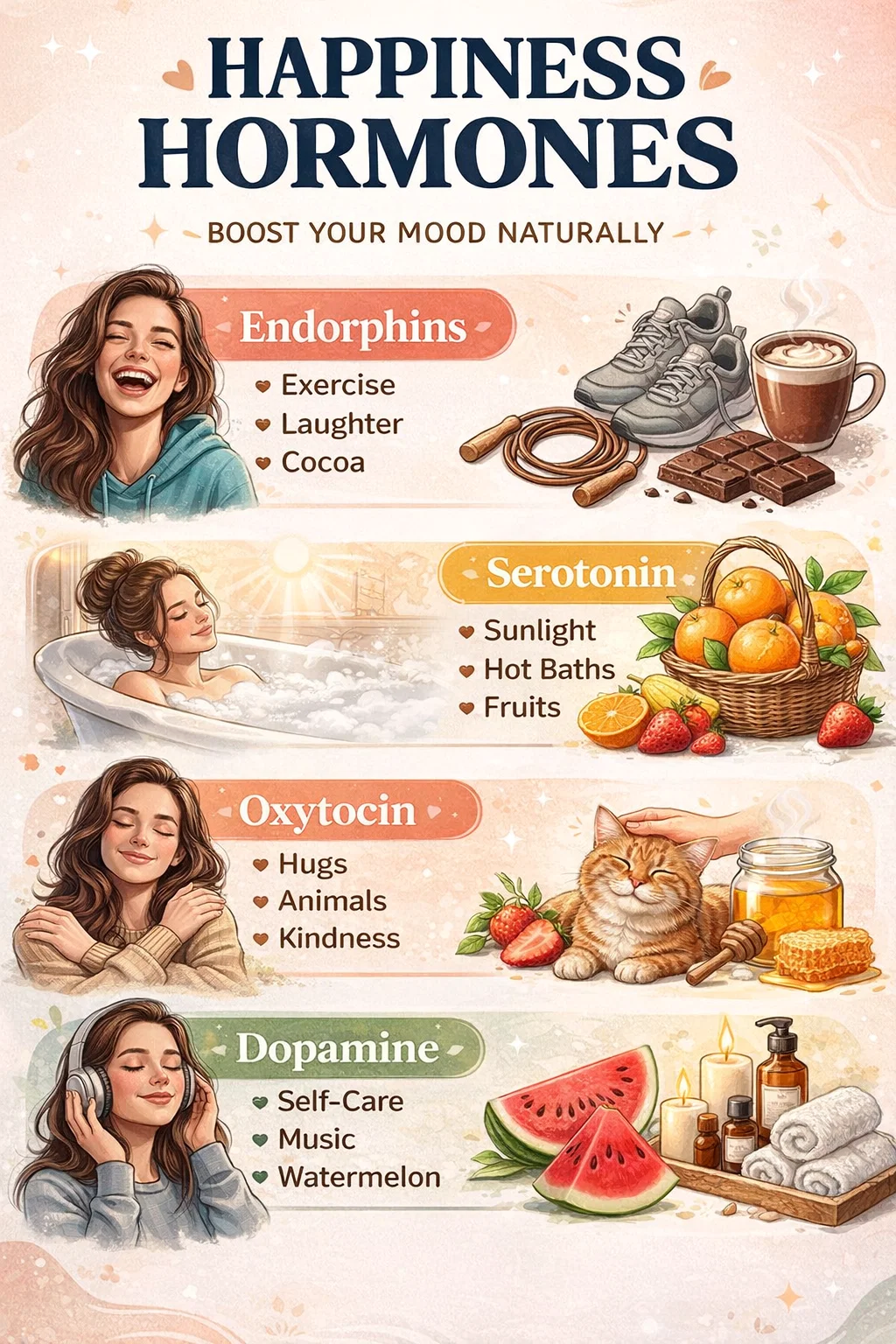
4 Natural Happiness Hormones Simple Ways to Boost Your Mood Daily
Have you ever wondered why a simple walk in the park or a quick cuddle with your pet can instantly shift your mood? It is not just in your head, it is actually happening in your biology. Our bodies are equipped with a complex and beautiful system of chemical messengers known as happiness hormones. These natural compounds work behind the scenes to regulate our emotions, influence our stress levels, and dictate our overall sense of well-being. In a world that often feels fast paced and overwhelming, understanding how to tap into these internal resources is one of the most empowering self-care tools you can possess.
The Science of Feeling Good: Understanding Your Internal Pharmacy
To truly master your mood, you first need to understand the four primary players in the happiness game: Endorphins, Serotonin, Oxytocin, and Dopamine. Often referred to as the DOSE chemicals, each one serves a unique purpose and is triggered by different activities and lifestyle choices. Instead of waiting for happiness to find you, you can actively participate in its creation by choosing habits that signal your brain to release these powerful substances.
The beauty of this biological system is its accessibility. You do not need expensive supplements or complicated life overhauls to see a difference. By focusing on simple, daily actions like movement, nutrition, and connection, you can create a sustainable foundation for mental wellness. Let us dive deep into each hormone and explore how you can naturally boost them starting today.
Endorphins: The Natural Pain Reliever and Euphoria Booster
Endorphins are primarily produced by the central nervous system and the pituitary gland. Their main job is to help us cope with pain and stress. They are often compared to natural opiates because they create a sense of euphoria and relaxation. While they are famous for the runner’s high, there are many other ways to get these chemicals flowing through your system.
Movement and Physical Activity
Exercise is perhaps the most well-known trigger for endorphin release. When you push your body through physical exertion, your brain releases endorphins to help minimize discomfort and keep you going. This does not mean you have to run a marathon every day. Brisk walking, dancing in your living room, or a fun session with a jump rope can be just as effective. The key is to find a form of movement that feels like play rather than a chore.
Laughter is the Best Medicine
There is a literal truth to the old saying that laughter heals. Genuine laughter, the kind that makes your stomach ache, triggers an immediate spike in endorphins. Watching a funny movie, attending a comedy show, or simply sharing a joke with a friend can lower your cortisol levels and leave you feeling lighter and more resilient.
The Sweet Power of Cocoa
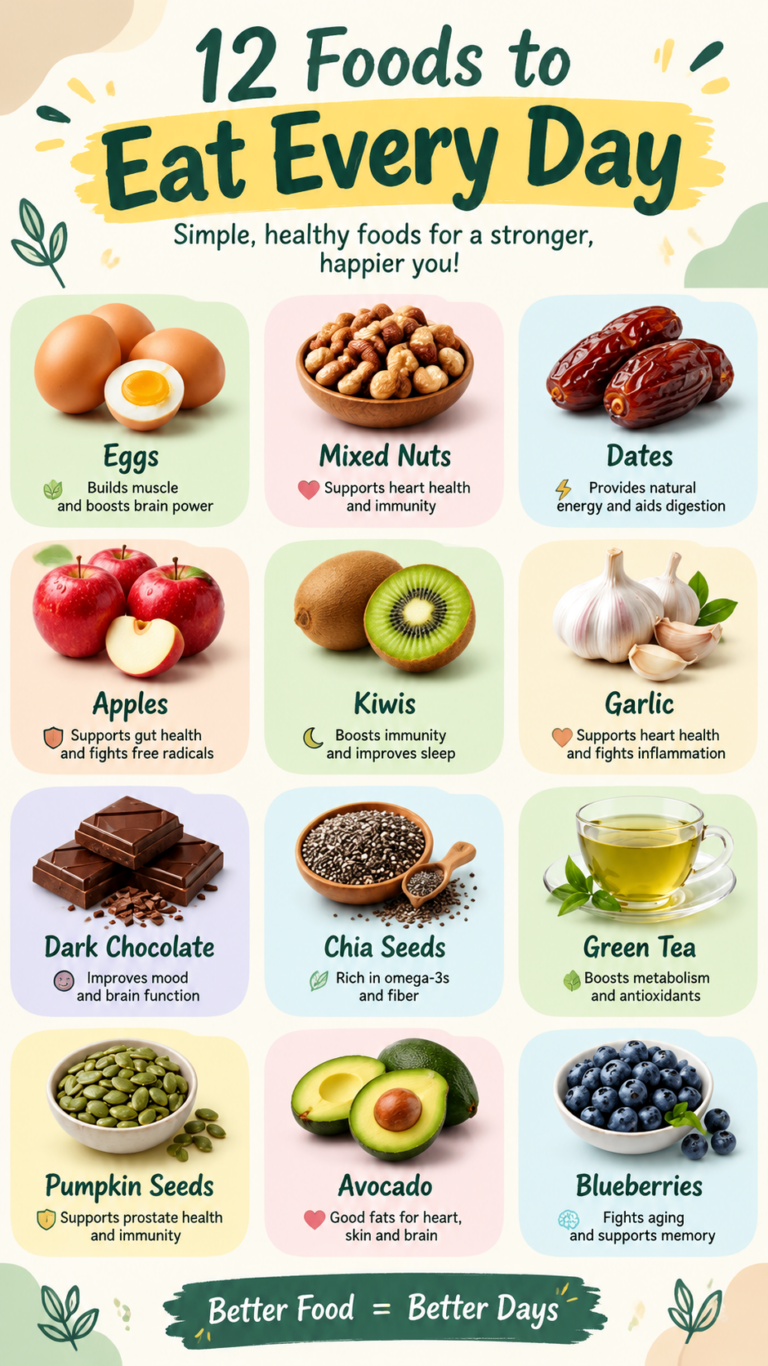
Good news for chocolate lovers: dark chocolate and cocoa are scientifically proven to boost endorphins. Cocoa contains phenylethylamine and flavonoids that stimulate the brain’s pleasure centers. Enjoying a small piece of high-quality dark chocolate is not just a treat for your taste buds, it is a quick way to support your emotional health.
Serotonin: The Mood Stabilizer and Sleep Regulator
If you feel calm, focused, and emotionally stable, you likely have healthy levels of serotonin. This hormone plays a massive role in regulating your mood, appetite, and sleep cycles. When serotonin is low, we often feel anxious, irritable, or lethargic. Fortunately, there are several natural ways to keep your serotonin levels in a healthy range.
The Importance of Sunlight
Exposure to natural light is one of the most effective ways to boost serotonin. The brain produces more of this hormone when the skin and eyes are exposed to the sun. Even on cloudy days, spending time outdoors can help regulate your internal clock and improve your mood. Try to get at least 15 minutes of sunlight every morning to set a positive tone for the rest of your day.
Hydrotherapy and Relaxation
Never underestimate the power of a hot bath. Warm water helps relax the muscles and stimulates blood flow, which in turn can help the brain produce serotonin. Adding essential oils like lavender or magnesium-rich Epsom salts can turn a simple bath into a therapeutic experience that calms the nervous system and prepares you for a restful night of sleep.
Nutritious Fuel: Fruit and Whole Foods
About 95 percent of your serotonin is actually produced in your gastrointestinal tract. This means your gut health is directly linked to your mental health. Eating a diet rich in fruits, especially citrus like oranges and berries, provides the antioxidants and vitamins necessary for serotonin synthesis. A colorful diet leads to a more colorful mood.
Oxytocin: The Love and Bonding Hormone
Oxytocin is often called the cuddle hormone or the bonding molecule. It is released during physical touch, social interactions, and moments of deep connection. Oxytocin is essential for building trust, empathy, and strong relationships. It also acts as a powerful buffer against stress and anxiety.
The Healing Power of Hugs
Physical touch is a basic human need. A simple hug can trigger a significant release of oxytocin, lowering your heart rate and making you feel safe and supported. Whether it is a long hug with a partner or a warm embrace from a friend, prioritizing physical affection is vital for emotional intimacy and personal well-being.
Connection with Animals
If you have ever felt your stress melt away while petting a cat or a dog, you have experienced an oxytocin surge. Interacting with animals provides unconditional companionship and lowers blood pressure. Spending time with pets is a wonderful way to boost your oxytocin levels, especially if you live alone or feel socially isolated.
Honey and Sweet Rituals
Consuming natural sweeteners like honey in moderation can be part of a soothing ritual that supports your emotional state. Honey contains compounds that help reduce inflammation in the brain and can contribute to a sense of comfort. Incorporating honey into a warm tea or a healthy snack can serve as a mindful moment of self-care that encourages a peaceful mindset.
Dopamine: The Reward and Motivation Molecule
Dopamine is the chemical associated with motivation, reward, and pleasure. It is what drives us to achieve goals and seek out satisfying experiences. When you complete a task or experience something enjoyable, your brain gives you a tiny hit of dopamine as a reward. Managing your dopamine levels helps you stay productive and engaged with life.
Self-Care as a Daily Priority
Self-care is not a luxury, it is a necessity for dopamine regulation. Taking time for activities that make you feel pampered and valued tells your brain that you are worth the effort. This could be a skincare routine, lighting candles, or simply taking a slow morning. These small wins build momentum and keep your motivation levels high.
The Rhythm of Music
Music has a profound impact on the brain. Listening to your favorite songs can trigger a dopamine release similar to the pleasure we get from eating good food. Whether you need an upbeat playlist to get through a workout or calming melodies to decompress after work, music is a fast and effective tool for shifting your internal chemistry.
Hydration and Watermelon
Did you know that certain foods can specifically target dopamine production? Watermelon is a great example because it is rich in vitamin B6, which is crucial for dopamine synthesis. Additionally, staying hydrated is essential for cognitive function. Enjoying refreshing, water-rich fruits helps keep your brain sharp and your reward system functioning optimally.
Creating a Personalized Happiness Routine
The key to long-term wellness is consistency. You do not have to do everything at once. Instead, try to pick one activity for each hormone category every day. You might start your morning with sunlight (Serotonin), listen to an inspiring podcast during your commute (Dopamine), give a loved one a hug (Oxytocin), and end your day with a quick workout or a few laughs (Endorphins).
By intentionally incorporating these habits, you are essentially training your brain to be more resilient. You are building a toolkit that allows you to navigate the ups and downs of life with greater ease. Remember that everyone is different, what works for one person might be different for another. Pay attention to how your body responds to these different triggers and adjust your routine accordingly.
Conclusion: Empowering Your Journey to Joy
Happiness is not a destination that you reach, it is a state of being that you can actively cultivate. By understanding the role of Endorphins, Serotonin, Oxytocin, and Dopamine, you move from being a passive observer of your emotions to an active participant in your mental health. The image of the happiness hormones reminds us that the power to feel better is often right at our fingertips.
Whether it is through the food you eat, the people you spend time with, or the way you move your body, every choice is an opportunity to support your internal chemistry. Start small, be patient with yourself, and enjoy the process of discovering what makes your heart feel truly full. Your journey to a happier, more balanced life begins with these simple, natural steps.