5 Natural Remedies for Cracked Heels DIY Soft Smooth Feet Tips
Dry, cracked heels are more than just a cosmetic nuisance; they can be uncomfortable, itchy, and even painful if left untreated. Many of us spend our days on our feet, wearing shoes that do not provide enough cushioning or simply forgetting to give our feet the hydration they deserve. Over time, the skin around the heels becomes thick, dry, and prone to splitting. The good news is that you do not need expensive spa treatments or chemical-laden creams to restore your feet to their natural, soft state. With a few simple ingredients found in your kitchen and garden, you can create a professional-level foot care routine right at home.
Understanding the Causes of Cracked Heels
Before diving into the remedies, it is helpful to understand why heels crack in the first place. The skin around the heels has fewer oil glands than the rest of the body, making it naturally prone to dryness. When we stand or walk, the fat pad under the heel expands. If the skin is not flexible due to dryness, it loses its ability to stretch and eventually cracks. Factors like cold weather, frequent use of open-back sandals, and long hours of standing can accelerate this process. By identifying these triggers, you can better prepare your skin with the protective treatments we are about to explore.
The Power of a Deep Cleansing Foot Soak
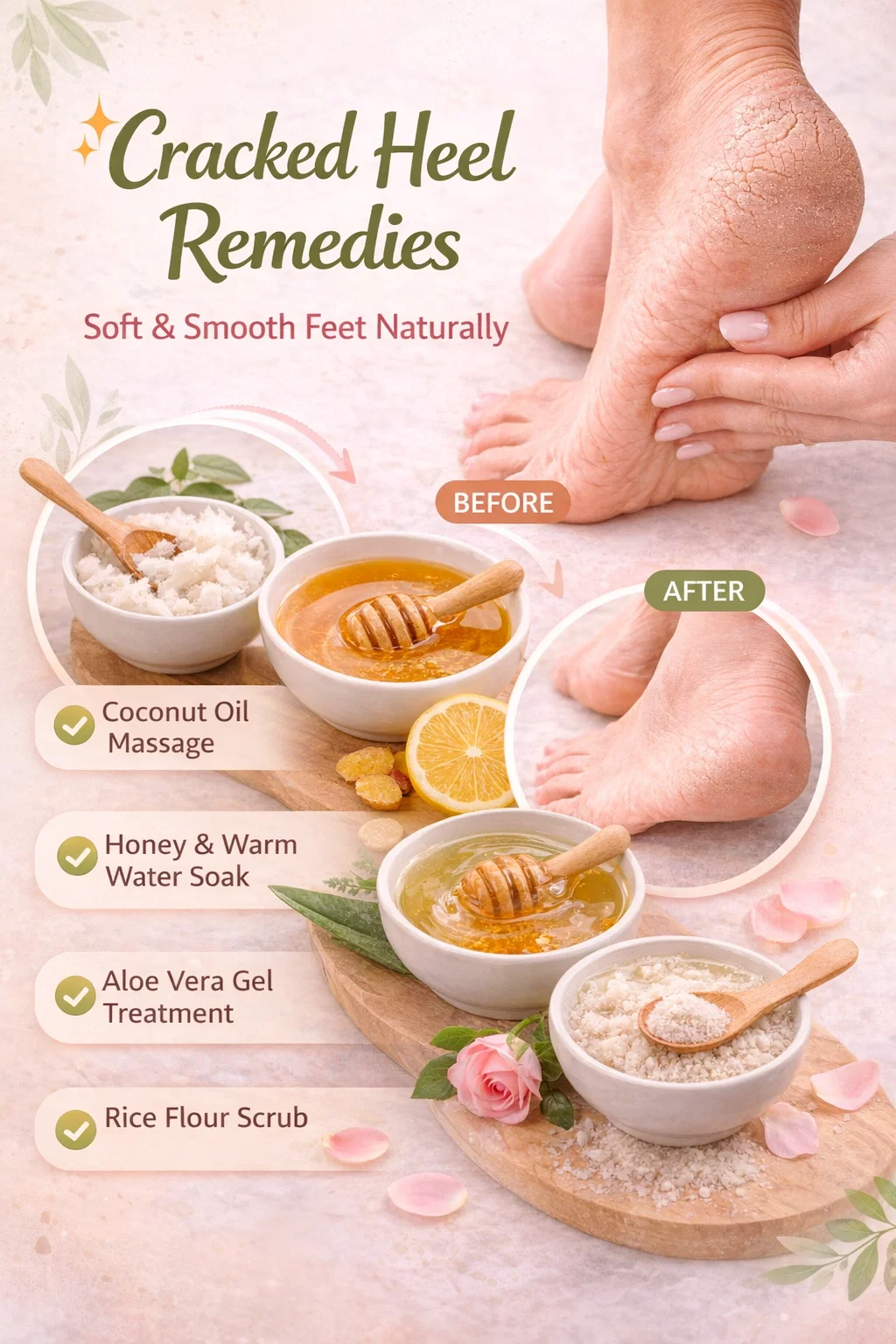
The first step in any effective foot care regimen is softening the skin. A warm water soak acts as a primer, prepping the tough layers of skin for exfoliation and moisture absorption. Adding honey to your foot soak is a game changer. Honey is a natural humectant, which means it draws moisture from the air into the skin. It also possesses antimicrobial properties that help keep the feet clean and healthy.
How to Prepare a Honey and Warm Water Soak
Fill a basin with comfortably warm water and add about half a cup of raw honey. Stir until dissolved and soak your feet for 15 to 20 minutes. As you soak, the honey works to penetrate the thickest layers of the dermis, making the subsequent steps much more effective. This is an excellent time to relax and let the stress of the day melt away while your feet begin their transformation.
Exfoliation: Removing the Dead Skin Barrier
Once the skin is soft, the next priority is removing the dead, flaky cells that prevent moisturizers from doing their job. This is where a physical scrub becomes essential. While many store-bought scrubs contain micro-beads that can be harsh on the environment, a homemade rice flour scrub provides a natural and effective alternative. Rice flour has a coarse texture that is perfect for buffing away callouses without causing irritation.
Creating Your Rice Flour Scrub
To make this scrub, mix two tablespoons of rice flour with a little bit of honey and apple cider vinegar to form a thick paste. If the cracks are particularly deep, adding a teaspoon of olive oil can provide extra lubrication. Massage this paste onto your heels in circular motions for several minutes. The rice flour acts as a mechanical exfoliant, while the vinegar helps to chemically break down the stubborn dead skin cells. Rinse with lukewarm water to reveal the fresher, smoother skin underneath.
Intense Hydration with Coconut Oil
After exfoliating, your skin is like a sponge, ready to soak up nourishment. Coconut oil is one of nature’s most potent moisturizers. Rich in medium-chain fatty acids, it provides an occlusive layer that prevents moisture loss while delivering Vitamin E directly to the skin. Unlike many lotions that are water-based and evaporate quickly, coconut oil stays on the surface longer to provide sustained hydration.
The Overnight Coconut Oil Massage
For the best results, perform a coconut oil massage right before bed. Warm a tablespoon of organic coconut oil between your palms and massage it deeply into your heels and arches. Once your feet are thoroughly coated, put on a pair of clean cotton socks. The socks serve two purposes: they prevent the oil from staining your bedsheets, and they create a warm environment that helps the oil penetrate deeper into the skin. When you wake up, you will notice a significant difference in the suppleness of your feet.
Healing and Soothing with Aloe Vera
If your heels have reached the point where they are red, irritated, or slightly inflamed, aloe vera gel is the ultimate remedy. Aloe contains salicylic acid and urea, both of which are used in clinical foot creams to break down tough skin and soothe pain. It is also incredibly cooling, providing immediate relief from the itching that often accompanies dry skin.
Application Tips for Aloe Vera
You can use fresh aloe vera directly from the leaf or a high-quality store-bought gel. Apply a generous layer to the affected areas after your foot soak. Let it sit for about ten minutes until it is mostly absorbed. Aloe is non-greasy, making it a great option for those who want to hydrate their feet during the day without feeling slippery inside their shoes.
Maintaining Softness with Glycerin and Rose Water
For ongoing maintenance, a mixture of glycerin and rose water is a classic beauty secret that has stood the test of time. Glycerin is a powerful moisturizer that helps the skin retain its natural oils, while rose water acts as an anti-inflammatory and provides a refreshing scent. This combination is light enough for daily use and helps maintain the skin’s pH balance.
A Simple Daily Foot Mist
Mix equal parts glycerin and rose water in a small spray bottle. Give it a quick shake and spritz it on your feet every morning after your shower. This simple habit takes less than thirty seconds but acts as a protective shield against the drying effects of the environment throughout the day. It is the perfect finishing touch to keep your feet feeling like you just stepped out of a spa.
Dietary Considerations for Skin Health
While topical treatments are vital, the health of your skin is also a reflection of what you put into your body. Dehydration is a leading cause of dry skin, so ensuring you drink plenty of water is the first step toward soft heels from the inside out. Additionally, including healthy fats in your diet, such as avocados, nuts, and salmon, provides the essential fatty acids your skin needs to maintain its elasticity.
Vitamins for Stronger Skin
Vitamins A, C, and E play a massive role in skin repair and collagen production. Zinc is another mineral to watch, as it helps with cell regeneration. If you find that your skin is constantly cracking despite heavy moisturizing, it may be worth checking your intake of these essential nutrients. A balanced diet works in harmony with your topical remedies to ensure long-lasting results.
Choosing the Right Footwear
Your choice of shoes can either help or hinder your progress. Thin-soled shoes and flip-flops provide very little support and allow the heel to expand outward, which puts pressure on the skin. If you are struggling with cracked heels, try to wear closed-back shoes with proper cushioning as often as possible. This protects the skin from the air and reduces the mechanical stress that causes cracks to form.
The Importance of Socks
Whenever you wear boots or sneakers, always wear moisture-wicking socks. Cotton is a great natural choice, but there are also specialized moisturizing socks available that are lined with gel to provide a continuous release of oils while you walk. These can be a fantastic supplement to your home remedy routine, especially during the dry winter months.
Consistency is the Key to Success
One common mistake people make is stopping their foot care routine as soon as they see a little improvement. The skin on your heels is thick and takes time to fully renew itself. To keep your feet soft and smooth, consistency is your best friend. Make it a point to exfoliate at least once a week and moisturize every single night. Small, daily efforts lead to much more sustainable results than an occasional intensive treatment.
When to Seek Professional Advice
While natural remedies work wonders for most people, there are times when a trip to the podiatrist is necessary. If your cracks are bleeding, showing signs of infection like pus or extreme swelling, or if you have an underlying condition like diabetes, it is important to seek medical guidance. Professionals can provide specialized treatments and ensure that your foot health is managed safely and effectively.
Wrapping Up Your Foot Care Journey
Achieving soft, smooth feet does not require a massive budget or hours of your time. By utilizing the natural benefits of coconut oil, honey, aloe vera, and rice flour, you can effectively treat cracked heels at home. These ingredients provide a holistic approach to skincare, focusing on softening, exfoliating, and deep hydration. Remember that your feet carry you through every part of your life, and they deserve a little bit of pampering in return. Start your new routine tonight, and soon you will be stepping out with confidence and comfort.