9 Best Foods to Eat Before Bed for Better Sleep Top Healthy Late Night Snacks for Insomnia
Have you ever found yourself staring at the ceiling at 2 AM, wondering why sleep feels like a distant luxury? We have all been there. While we often focus on our mattresses, room temperature, or blue light exposure, we frequently overlook one of the most powerful tools in our sleep hygiene toolkit: our diet. The connection between what we eat and how we sleep is profound. Choosing the right nutrients in the evening can act as a natural sedative for the nervous system, helping you drift off faster and stay asleep longer.
The transition from a busy day to a restful night requires a physiological shift. Your body needs to move from a state of high alert into a state of recovery. By incorporating specific superfoods into your evening routine, you provide your brain and muscles with the raw materials they need to trigger relaxation. Let us explore the science and the delicious options available to help you reclaim your rest.
The Science of Sleep and Nutrition
Before we dive into the specific foods, it is essential to understand the biological messengers that govern our sleep cycles. Two of the most important players are melatonin and serotonin. Melatonin is the hormone responsible for telling your brain it is time to sleep, while serotonin is a neurotransmitter that helps regulate mood and sleep quality. Many of the best bedtime snacks are rich in tryptophan, an amino acid that the body uses to produce both of these crucial chemicals.
Beyond hormones, minerals like magnesium and potassium play a vital role in physical relaxation. Magnesium is often referred to as the relaxation mineral because it helps deactivate adrenaline and relaxes the muscles. When you combine these nutrients through whole, natural foods, you create a powerful synergy that prepares your body for a restorative night of sleep.
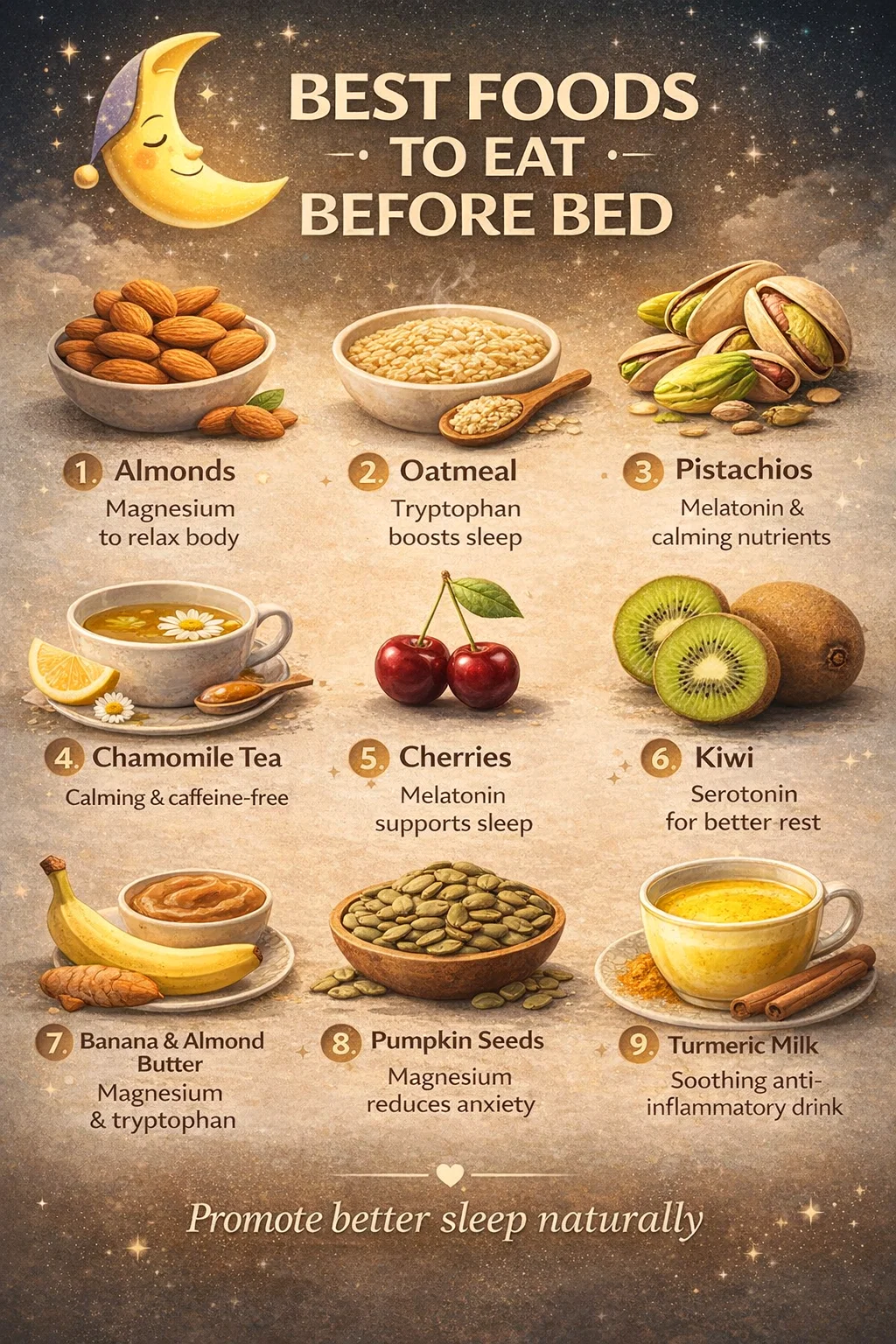
1. Almonds: The Ultimate Muscle Relaxant
Almonds are a powerhouse when it comes to supporting sleep. They are an excellent source of healthy monounsaturated fats and fiber, but their real secret weapon is their high magnesium content. Just a handful of almonds provides a significant portion of your daily requirement for this mineral. Magnesium helps reduce inflammation and can lower levels of the stress hormone cortisol, which is known to interrupt sleep.
Additionally, almonds provide a small amount of protein which keeps your blood sugar stable throughout the night. This prevents the sudden spikes and drops that often cause people to wake up in the middle of the night feeling restless or hungry. Keeping a small bowl of almonds on your nightstand or enjoying them as a pre-bed snack is a simple, effective habit for better rest.
2. Warm Oatmeal: More Than Just Breakfast
While most people associate oatmeal with the start of the day, it is actually one of the most effective evening snacks you can choose. Oats are a complex carbohydrate, meaning they break down slowly and provide a steady release of energy. This slow digestion helps tryptophan enter the brain more effectively, where it can be converted into serotonin.
Furthermore, oats are a natural source of melatonin. When you prepare them warm, the temperature itself has a soothing effect on the body, mimicking the comfort of a warm hug. For the best results, try making a small portion of savory oats or topping a small bowl with a sprinkle of cinnamon, which can further help regulate blood sugar levels while you sleep.
3. Pistachios: A Natural Source of Melatonin
Pistachios are unique among nuts because they contain remarkably high levels of melatonin. In fact, research has shown that these green gems are one of the best food sources for this sleep-inducing hormone. They also provide a satisfying crunch and a good balance of protein, vitamin B6, and magnesium.
Vitamin B6 is particularly important because it helps the body convert tryptophan into melatonin. By snacking on a small serving of pistachios in the evening, you are giving your body a direct boost of the tools it needs to regulate its internal clock. Just be sure to stick to a small handful, as they are calorie-dense.
4. Turmeric Almond Latte: The Golden Elixir
Often referred to as Golden Milk, a turmeric almond latte is a centuries-old remedy for restlessness. This drink combines the anti-inflammatory power of turmeric with the soothing properties of almond milk. Inflammation is a common, though often silent, cause of poor sleep quality, as it can cause physical discomfort and elevate stress levels in the body.
The active compound in turmeric, curcumin, has been shown to improve mood and reduce anxiety, making it easier to shut off a racing mind. When mixed with warm almond milk and perhaps a touch of honey or ginger, it creates a calming ritual that signals to your brain that the day is officially over. It is a warm, comforting way to hydrate without the stimulation of caffeine.
5. Cherries: Nature’s Sleep Aid
Cherries, especially tart cherries, are one of the few natural food sources of melatonin. Several studies have shown that drinking tart cherry juice or eating whole cherries can increase melatonin levels in the body and improve both sleep duration and quality. They are particularly effective for people struggling with insomnia or jet lag.
Beyond melatonin, cherries are loaded with antioxidants that fight oxidative stress. Reducing this stress allows the body to focus more on repair and recovery during the night rather than fighting off cellular damage. Enjoying a small bowl of fresh cherries or a glass of unsweetened cherry juice about an hour before bed can significantly reduce the time it takes to fall asleep.
6. Kiwi: The Serotonin Booster
Kiwis might seem like an unlikely sleep aid, but they are surprisingly effective. Research suggests that kiwis contain a high concentration of serotonin, which is a precursor to melatonin. In clinical trials, participants who ate two kiwis before bed for several weeks reported falling asleep 42 percent more quickly than those who did not.
In addition to serotonin, kiwis are packed with vitamin C and vitamin E, which support the immune system and overall heart health. The high fiber content also ensures that you feel full and satisfied, preventing late-night trips to the kitchen for less healthy alternatives. Their light, refreshing taste makes them a perfect end-of-evening treat.
7. Banana with Almond Butter: A Power Couple
If you are looking for a snack that feels a bit more substantial, a banana with a tablespoon of almond butter is an incredible choice. Bananas are famous for being rich in potassium and magnesium, both of which serve as natural muscle relaxants. They also contain tryptophan, which helps the brain produce calming chemicals.
The addition of almond butter provides healthy fats and protein, which slow down the absorption of the natural sugars in the banana. This combination ensures a steady supply of nutrients to the brain throughout the night. It is a satisfying, sweet, and creamy snack that addresses both physical tension and mental restlessness.
8. Pumpkin Seeds: The Mineral Powerhouse
Do not underestimate the power of these small seeds. Pumpkin seeds are exceptionally high in magnesium, which we already know is vital for relaxation. However, they are also a great source of zinc and tryptophan. Zinc helps the brain convert tryptophan into serotonin, creating a perfect pathway for sleep.
A small serving of pumpkin seeds provides a dense nutritional profile that supports heart health and prostate health while also prepping the body for rest. They are easy to digest and can be eaten on their own or sprinkled over a small bowl of yogurt or oatmeal for added texture and sleep-supporting benefits.
9. Herbal Tea: The Ritual of Relaxation
No bedtime routine is complete without a warm cup of herbal tea. Options like chamomile and valerian root have been used for thousands of years to treat insomnia and anxiety. Chamomile contains an antioxidant called apigenin, which binds to certain receptors in your brain that may promote sleepiness and reduce insomnia.
Valerian root is often called nature’s Valium because of its potent sedative properties. Drinking these teas creates a sensory experience that encourages deep breathing and mindfulness. The steam, the warmth of the mug, and the herbal aromas work together to lower your heart rate and prepare you for a night of deep, uninterrupted rest.
Building Your Evening Routine
While these foods are incredibly effective, they work best when combined with a consistent evening routine. Try to consume your chosen sleep snack about 30 to 60 minutes before you plan to sleep. This gives your body enough time to begin the digestion process and start circulating those helpful nutrients. Avoid pairing these foods with heavy, spicy, or high-sugar meals, as those can have the opposite effect and keep you awake.
Creating the Right Environment
Remember that nutrition is just one piece of the puzzle. To get the most out of your pre-bed snacks, make sure your environment is conducive to sleep. Dim the lights, put away your phone, and perhaps engage in some light stretching or journaling. When your body is fueled by the right minerals and your mind is at peace, sleep becomes a natural transition rather than a struggle.
Conclusion: Restoring Your Natural Rhythm
Improving your sleep does not always require drastic measures or expensive supplements. Often, the answers are found right in your kitchen. By choosing foods like almonds, oatmeal, cherries, and herbal teas, you are working with your body’s natural chemistry to promote relaxation and recovery. These nine options provide a delicious variety of ways to nourish yourself while setting the stage for a better tomorrow.
Every night is an opportunity to reset and recharge. By being intentional with your late-night snacks, you are investing in your long-term health, mood, and productivity. Start by trying one or two of these suggestions tonight and see how much better you feel when you finally wake up feeling truly rested. Sweet dreams!