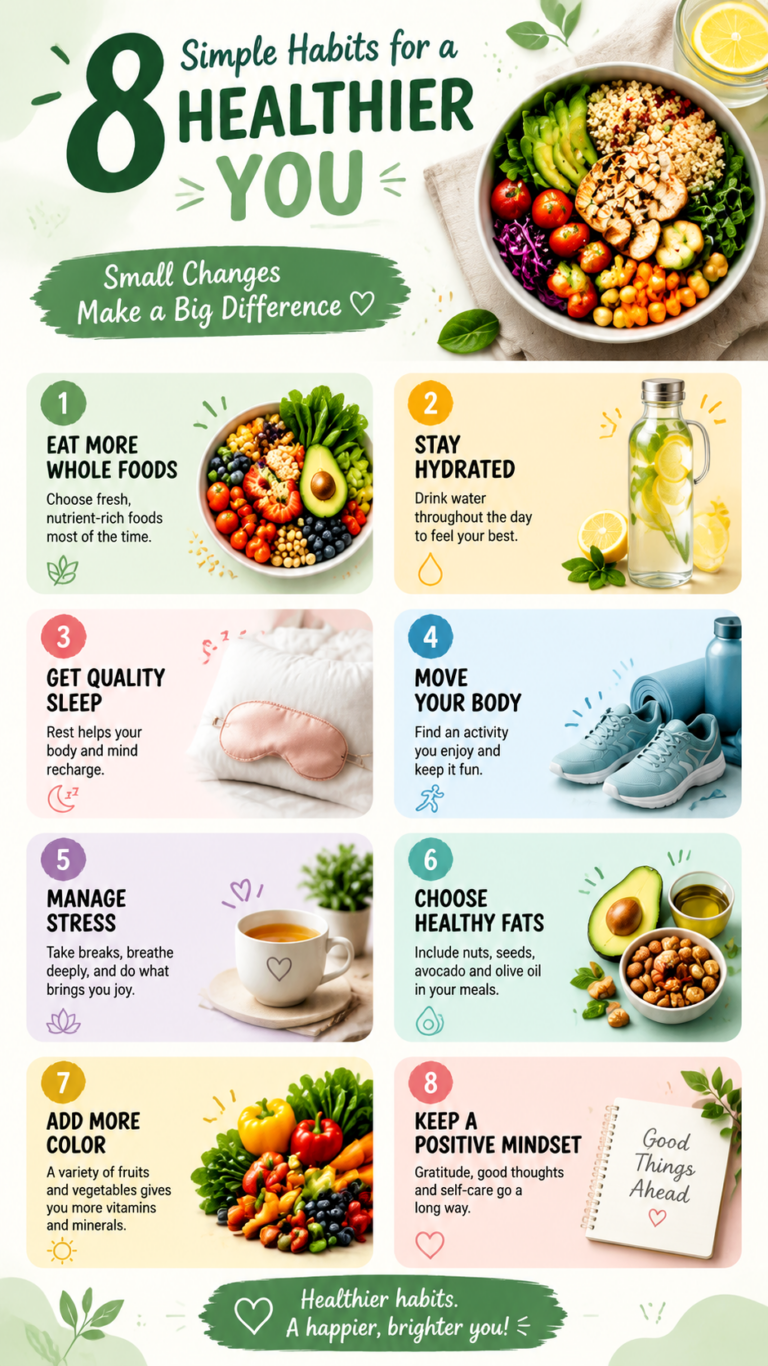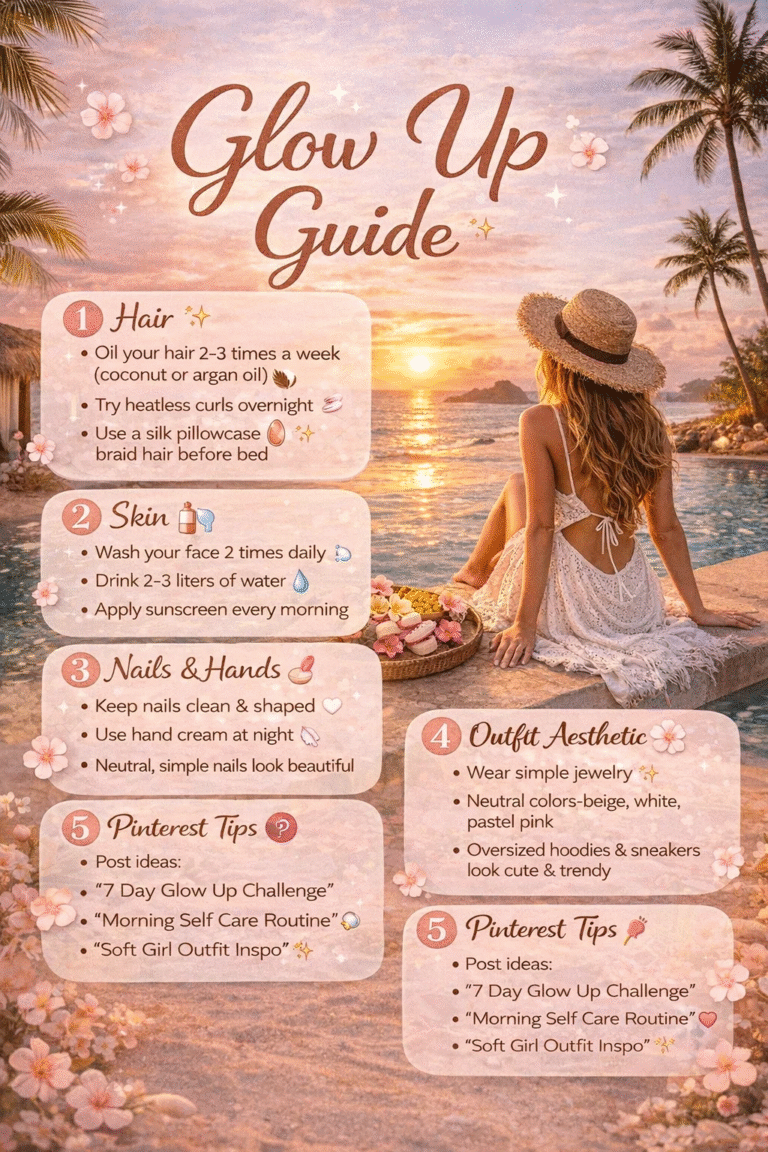
Feminine Energy Self-Care Guide Daily, Weekly Monthly Rituals for a Glow Up
Creating a self care routine that feels nurturing rather than overwhelming can completely change the way you move through your days. When people talk about feminine energy, they are often referring to qualities such as self compassion, creativity, intuition, softness, confidence, presence, and emotional awareness. Nourishing these qualities does not require perfection or expensive habits. Instead, it comes from small, intentional rituals that help you reconnect with yourself consistently.
Many women spend so much time caring for others, managing responsibilities, and chasing goals that they forget to create moments for their own well being. A balanced self care routine can help you feel more grounded, beautiful, energized, and connected to your authentic self. The key is creating daily, weekly, monthly, and yearly practices that support your physical, emotional, and mental wellness.
Key Takeaways
- Small self care rituals often create the biggest long term results.
- Daily habits build confidence, consistency, and emotional balance.
- Weekly routines help prevent burnout and encourage restoration.
- Monthly reflections support personal growth and self awareness.
- Yearly rituals help align your life with your long term goals.
- Feminine energy thrives when you prioritize both self love and self respect.
Understanding Feminine Energy Through Self Care
Feminine energy is not about appearance alone. It is about how you relate to yourself and the world around you. It encourages balance between productivity and rest, strength and softness, ambition and presence.
When your self care practices support your emotional and physical needs, you often feel more confident, creative, and connected. Rather than treating self care as an occasional reward, it becomes a way of living.
Important: True self care is not about escaping your life. It is about creating habits that help you feel supported, healthy, and empowered within your everyday life.
Daily Rituals to Support a Soft Glow Up
Your daily habits create the foundation for your overall well being. Small actions repeated consistently often have a greater impact than dramatic changes.
Start the Day with Intention
How you begin your morning influences the rest of your day. Instead of immediately reaching for your phone, consider creating a few minutes of calm.
- Practice gratitude.
- Stretch gently.
- Write a short journal entry.
- Set a positive intention.
- Enjoy your morning beverage mindfully.
These simple practices create space for clarity before the demands of the day begin.
Move Your Body with Kindness
Movement should not always feel like punishment or pressure. Feminine self care often focuses on joyful movement that feels nourishing and sustainable.
Walking, yoga, dancing, stretching, pilates, or light strength training can all support physical wellness while helping you reconnect with your body.
Dress in a Way That Reflects Your Energy
What you wear can influence how you feel. Choosing outfits that make you feel comfortable, confident, and authentic can elevate your mood throughout the day.
This does not mean following trends. It means selecting clothing that helps you express your personality and feel good in your own skin.
Practice Positive Self Talk
Your inner dialogue matters. Speaking to yourself with kindness can transform your confidence and emotional well being.
Notice critical thoughts and gently replace them with more supportive perspectives. Consistent positive self talk helps create a stronger sense of self worth over time.
Create Everyday Moments of Beauty
Beauty is not limited to appearance. It can be found in fresh flowers, calming music, a clean space, a favorite candle, or a peaceful walk outdoors.
Finding beauty in ordinary moments encourages mindfulness and appreciation.
Why This Matters
- Daily rituals reduce stress and improve emotional resilience.
- Consistent self care strengthens confidence and self trust.
- Small moments of intention often lead to lasting lifestyle changes.
Weekly Self Care Rituals for Reconnection
Weekly rituals create opportunities to pause, reset, and nurture yourself more deeply.
Create a Personal Pamper Session
Set aside time each week for intentional self care. This could include:
- A face mask.
- A relaxing bath.
- Hair treatments.
- Nail care.
- Skincare rituals.
These activities are not only about appearance. They encourage relaxation and mindfulness.
Refresh Your Environment
Your surroundings influence your energy. Taking time each week to tidy your space, organize clutter, and refresh your environment can improve focus and reduce stress.
A calm environment often supports a calmer mind.
Connect with Your Emotions
Weekly reflection helps you stay connected to your emotional needs.
Consider asking yourself:
- What felt good this week?
- What drained my energy?
- What do I need more of?
- What boundaries need attention?
This practice encourages self awareness and emotional intelligence.
Pro Tip: Schedule your weekly self care session like an important appointment. Consistency makes self care far more effective than waiting until you feel exhausted.
Prioritize Joyful Experiences
Not every wellness activity needs to be productive. Make time for hobbies, creativity, reading, art, music, or spending time with loved ones.
Joy is an essential part of emotional wellness.
Monthly Rituals for Personal Growth
Monthly self care rituals encourage deeper reflection and intentional growth.
Plan a Solo Date
Spending time alone can strengthen your relationship with yourself.
Visit a bookstore, museum, café, botanical garden, or local event. Explore your interests without relying on external validation.
Invest in Meaningful Experiences
Sometimes self care means investing in things that bring lasting value. This might include a course, a workshop, a book, a wellness experience, or something that genuinely enhances your life.
The goal is thoughtful investment rather than impulsive consumption.
Evaluate Your Habits
Monthly reflection allows you to assess what is working and what is not.
- Review your goals.
- Celebrate progress.
- Identify challenges.
- Adjust routines as needed.
- Create realistic intentions for the next month.
This process encourages steady personal development.
Declutter and Reset
Physical clutter can create mental overwhelm. A monthly reset helps create a fresh environment that supports productivity and peace.
Focus on one area at a time rather than trying to organize everything at once.
Important: Personal growth becomes sustainable when you balance self improvement with self acceptance. You do not need to become someone else to be worthy of care and respect.
Yearly Rituals to Support Your Next Chapter
Yearly self care rituals provide an opportunity to zoom out and view the bigger picture of your life.
Reflect on the Previous Year
Before setting new goals, take time to acknowledge your progress.
Consider the lessons learned, achievements reached, challenges overcome, and moments that brought joy.
Set Meaningful Intentions
Rather than focusing solely on productivity goals, think about how you want to feel.
- Confident
- Peaceful
- Creative
- Healthy
- Connected
Align your goals with these desired feelings.
Plan Experiences That Inspire You
Travel, retreats, workshops, community events, and personal adventures can create meaningful memories and expand your perspective.
Experiences often provide deeper fulfillment than material possessions.
Create a Personal Vision
A vision board, journal, or goal planning session can help clarify where you want to direct your energy over the next year.
Clarity creates confidence and momentum.
Building a Sustainable Feminine Self Care Routine
One common mistake is trying to transform everything overnight. Sustainable routines grow gradually and adapt to different seasons of life.
Start small. Choose one daily ritual, one weekly practice, one monthly reflection, and one yearly intention process.
As these habits become natural, you can expand your routine based on your needs and lifestyle.
The most effective self care routines are not the most complicated. They are the ones you can consistently maintain.
At a Glance
- Daily rituals build confidence and consistency.
- Weekly routines help restore balance and reduce stress.
- Monthly reflections encourage growth and self awareness.
- Yearly planning creates direction and purpose.
- Self care works best when it feels realistic and enjoyable.
Conclusion
Nourishing your feminine energy is ultimately about building a stronger relationship with yourself. Through intentional daily, weekly, monthly, and yearly self care rituals, you create opportunities to slow down, reconnect, and support your overall well being.
Whether your goal is a soft glow up, greater confidence, emotional balance, or personal growth, the most meaningful transformation often begins with simple acts of self respect. Every small ritual becomes a reminder that your needs matter, your well being deserves attention, and your growth is worth nurturing.
Tags
Feminine Energy Self Care Routine Soft Glow Up Personal Growth Mindful Living Wellness Habits Self Love Healthy Lifestyle