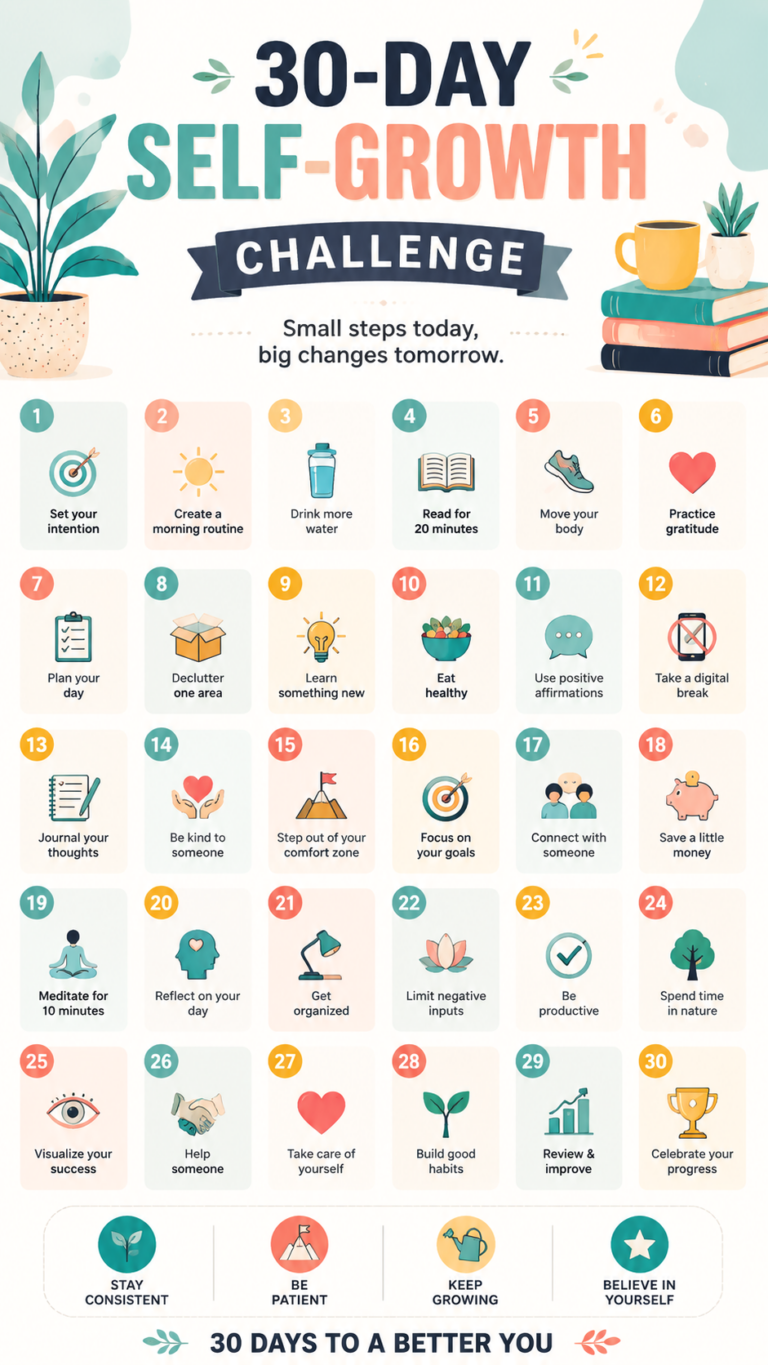
How to Become More Disciplined 10 Simple Habits to Build Self-Discipline Daily
Discipline is often viewed as something people are either born with or constantly struggle to achieve. In reality, self-discipline is a skill that grows through repeated daily actions. Every productive habit, focused work session, healthy meal, and intentional decision contributes to a stronger foundation for long-term success. Instead of relying on fleeting motivation, disciplined individuals build systems that make positive actions easier to repeat.
Whether your goal is improving your career, building healthier routines, exercising consistently, managing your time better, or simply becoming more dependable, small daily habits can completely transform your life. This guide explores practical strategies that make discipline sustainable, helping you replace excuses with consistent action and steady progress.
Key Takeaways
- Discipline grows through small, consistent daily actions.
- Clear goals and structured routines reduce decision fatigue.
- Tracking progress helps maintain motivation over time.
- Removing distractions improves focus and productivity.
- Patience and consistency create lasting personal growth.
Why Self-Discipline Matters
Self-discipline is the ability to make choices that align with your long-term goals instead of giving in to short-term comfort. While motivation may inspire you to begin, discipline keeps you moving when excitement fades.
Important: The biggest difference between people who consistently achieve their goals and those who struggle is rarely talent. It is the willingness to keep showing up, even on ordinary days when progress feels slow.
Strong discipline creates confidence because every completed task reinforces the belief that you can rely on yourself. Over time, this mindset affects every area of life, from work and education to fitness, finances, and relationships.
10 Simple Habits That Build Self-Discipline
1. Set Clear Goals
Vague goals create vague results. Instead of saying you want to “be healthier” or “be productive,” define exactly what success looks like.
- Write measurable goals.
- Break large objectives into smaller milestones.
- Review your priorities regularly.
2. Make a Daily Plan
Planning your day reduces uncertainty and prevents wasted time deciding what to do next. Spend five to ten minutes each evening preparing tomorrow’s schedule.
- Identify your top three priorities.
- Schedule focused work sessions.
- Leave room for breaks and unexpected tasks.
3. Stay Consistent
Consistency beats intensity almost every time. Reading ten pages every day is more effective than reading an entire book once a month. Small actions become powerful when repeated over weeks and months.
Pro Tip: Make your habits so simple that skipping them feels harder than completing them. Even five focused minutes keeps your routine alive.
4. Eliminate Distractions
Modern distractions compete for your attention every minute. Notifications, unnecessary browsing, and constant interruptions reduce productivity and weaken focus.
- Silence unnecessary notifications.
- Keep your workspace organized.
- Work in dedicated focus blocks.
- Limit multitasking.
5. Build Strong Routines
Habits become easier when they happen automatically. Morning and evening routines reduce decision fatigue while creating structure throughout the day.
A consistent routine might include waking up at the same time, reviewing priorities, exercising, reading, and preparing for the following day.
6. Track Your Progress
Tracking habits provides visual proof that your efforts are paying off. Whether you use a notebook, calendar, or digital app, monitoring progress encourages consistency.
Expert Insight
Progress is rarely perfectly linear. Focus on maintaining momentum rather than expecting perfection. Missing one day is not failure. Returning the next day is what strengthens discipline.
7. Develop the Right Mindset
Your thoughts influence your actions. Instead of viewing difficult tasks as obstacles, see them as opportunities to become stronger and more capable.
Growth happens when you willingly step outside your comfort zone. Every challenge completed builds resilience for the next one.
8. Learn to Say No
Protecting your time is essential for achieving meaningful goals. Every unnecessary commitment takes attention away from something more important.
- Prioritize responsibilities that align with your goals.
- Politely decline distractions that offer little value.
- Remember that saying no creates space for what truly matters.
9. Keep Learning
Continuous learning keeps your mind engaged and adaptable. Read books, listen to educational podcasts, take courses, and seek advice from experienced mentors.
Learning consistently improves your confidence while providing practical tools for overcoming future challenges.
10. Be Patient
Meaningful change rarely happens overnight. Discipline develops gradually through repeated actions, thoughtful reflection, and consistent effort.
Important: Lasting success comes from choosing progress over perfection. Focus on becoming slightly better every day instead of expecting immediate transformation.
Discipline Versus Motivation
Many people depend entirely on motivation, but motivation naturally rises and falls. Discipline provides stability because it encourages action regardless of how you feel.
| Motivation | Discipline |
|---|---|
| Depends on emotions | Depends on commitment |
| Temporary | Long lasting |
| Starts action | Maintains action |
| Can disappear quickly | Strengthens with practice |
A Daily Discipline Checklist
Simple daily actions often have the greatest impact over time.
- Wake up on time.
- Review your daily priorities.
- Complete your most important task first.
- Exercise or stay physically active.
- Eat nutritious meals.
- Limit unnecessary distractions.
- Learn something new.
- Reflect on your progress before bed.
How to Stay Consistent When Life Gets Busy
Busy schedules can easily interrupt healthy habits. Instead of abandoning your routine completely, scale it down. A shorter workout, fewer pages of reading, or a simplified morning routine still reinforces your identity as a disciplined person.
Prepare your environment for success by keeping healthy choices convenient and removing unnecessary obstacles. Small adjustments often make consistency much easier.
At a Glance
- Focus on progress instead of perfection.
- Create routines that reduce daily decisions.
- Track habits to stay accountable.
- Protect your time by limiting distractions.
- Practice patience and stay consistent.
Conclusion
Learning how to become more disciplined is not about becoming perfect. It is about making intentional choices that move you closer to your goals every single day. Small habits may seem insignificant on their own, but together they create remarkable transformation over time.
Start with one or two simple habits, build consistency, and gradually expand your routine. As discipline becomes part of your lifestyle, you will discover greater confidence, stronger focus, improved productivity, and a deeper sense of accomplishment. Every positive choice you make today lays the foundation for a better tomorrow.
Tags
Self Discipline Habit Building Personal Growth Productivity Tips Daily Habits Goal Setting Success Mindset Time Management