25 Essential Life Skills Students Need for Independent Living Success
Independent living does not happen overnight. It begins with small, practical habits that help students become more confident, responsible, and prepared for everyday challenges. From cooking simple meals to maintaining a clean space, managing basic home tasks, and developing problem-solving skills, life skills create a strong foundation for adulthood.
The journey toward independence is about learning how to take care of yourself and your surroundings. Students who practice essential life skills early often feel more capable when they move away from home, start college, enter the workplace, or manage their own routines.
Key Takeaways
- Practical life skills help students build confidence and independence.
- Daily habits like cleaning, cooking, and organization support successful adult living.
- Basic home maintenance skills can save time, money, and stress.
- Learning self-care and responsibility prepares students for real-world situations.
- Small improvements in daily routines can create long-term positive changes.
Why Every Student Needs Essential Life Skills
Academic knowledge is important, but education goes beyond classrooms and textbooks. Students also need practical abilities that help them handle everyday responsibilities. Knowing how to prepare food, organize belongings, care for clothing, and maintain a living space creates independence and reduces reliance on others.
Life skills teach students how to make smart decisions, solve problems, and adapt to new situations. These abilities become especially valuable during major transitions, such as moving into a dorm, renting an apartment, or beginning a first job.
Important: The goal of life skills education is not perfection. It is about building confidence through practice. Every small task completed independently helps students develop responsibility and self-trust.
25 Essential Life Skills Students Should Master
1. Basic Car Care and Transportation Awareness
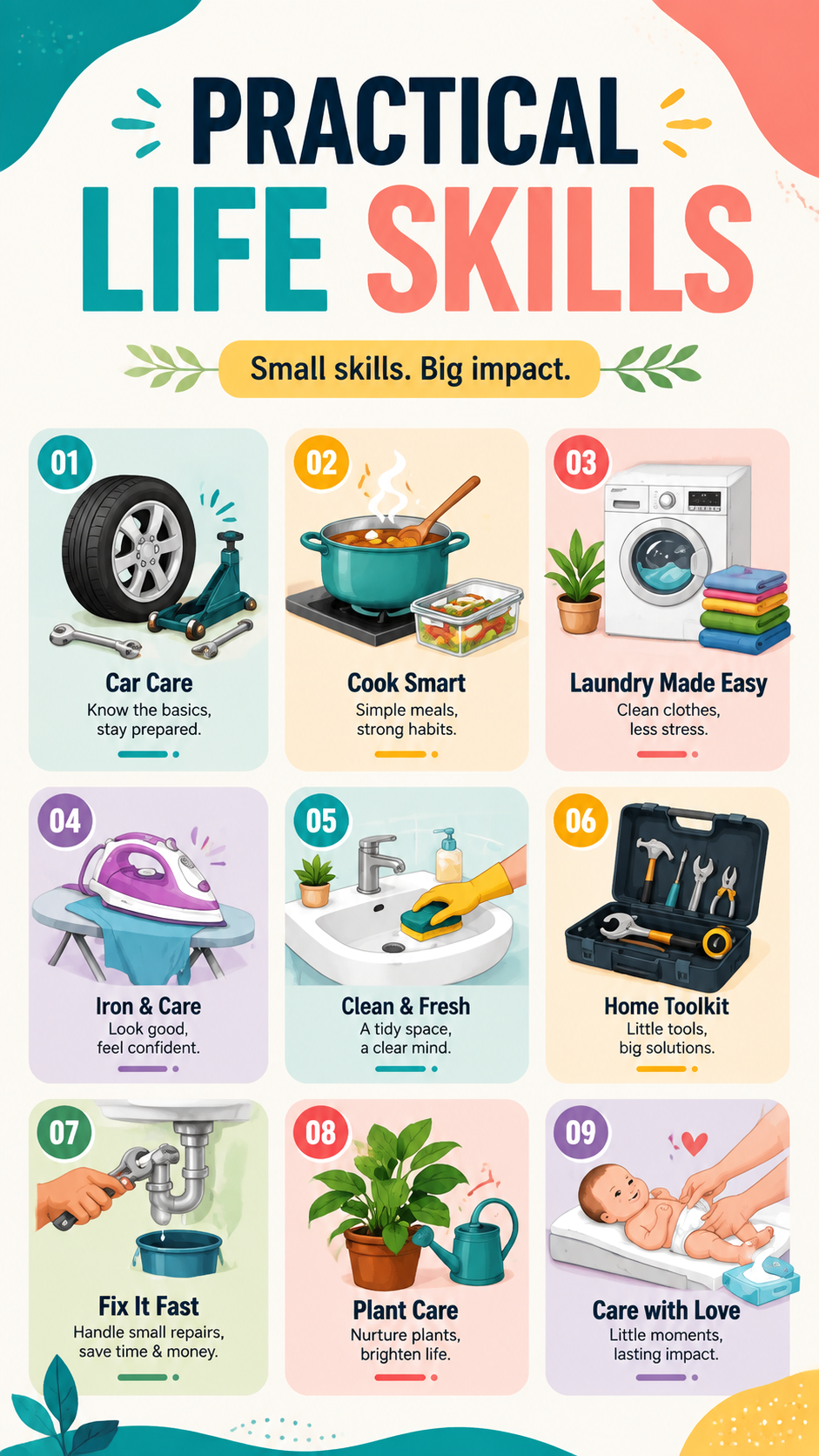
Understanding basic vehicle care is a valuable skill for students who may eventually own or use a car. Simple knowledge, such as checking tire pressure, understanding warning lights, and knowing when maintenance is needed, can prevent unnecessary problems.
Even students who do not drive can benefit from learning transportation planning, including reading schedules, budgeting for travel, and staying prepared during unexpected situations.
2. Cooking Simple and Healthy Meals
Cooking is one of the most important independent living skills. Students do not need to become professional chefs, but they should know how to prepare simple meals, follow recipes, safely handle food, and make healthier choices.
Learning basic cooking skills can also help students save money compared to relying on restaurants or ready-made meals. Simple dishes like pasta, soups, salads, and balanced breakfasts can make daily life easier.
3. Laundry and Clothing Care
Knowing how to wash, dry, fold, and organize clothes is a small skill with a big impact. Students should learn how to separate clothing, choose appropriate washing settings, remove basic stains, and care for different fabrics.
Proper clothing care helps save money because garments last longer when they are maintained correctly.
4. Home Cleaning and Organization
A clean environment supports better focus, comfort, and productivity. Students should understand basic cleaning routines, including washing dishes, organizing personal spaces, cleaning surfaces, and managing clutter.
Creating simple cleaning schedules prevents tasks from becoming overwhelming and helps maintain a healthier living environment.
5. Using Basic Tools and Home Maintenance
Every independent adult benefits from knowing how to handle simple household repairs. Skills like tightening screws, hanging items safely, fixing minor issues, and using basic tools can make everyday problems easier to manage.
Students do not need advanced repair knowledge. Understanding when to fix something and when to ask for professional help is the important lesson.
6. Personal Hygiene and Self-Care
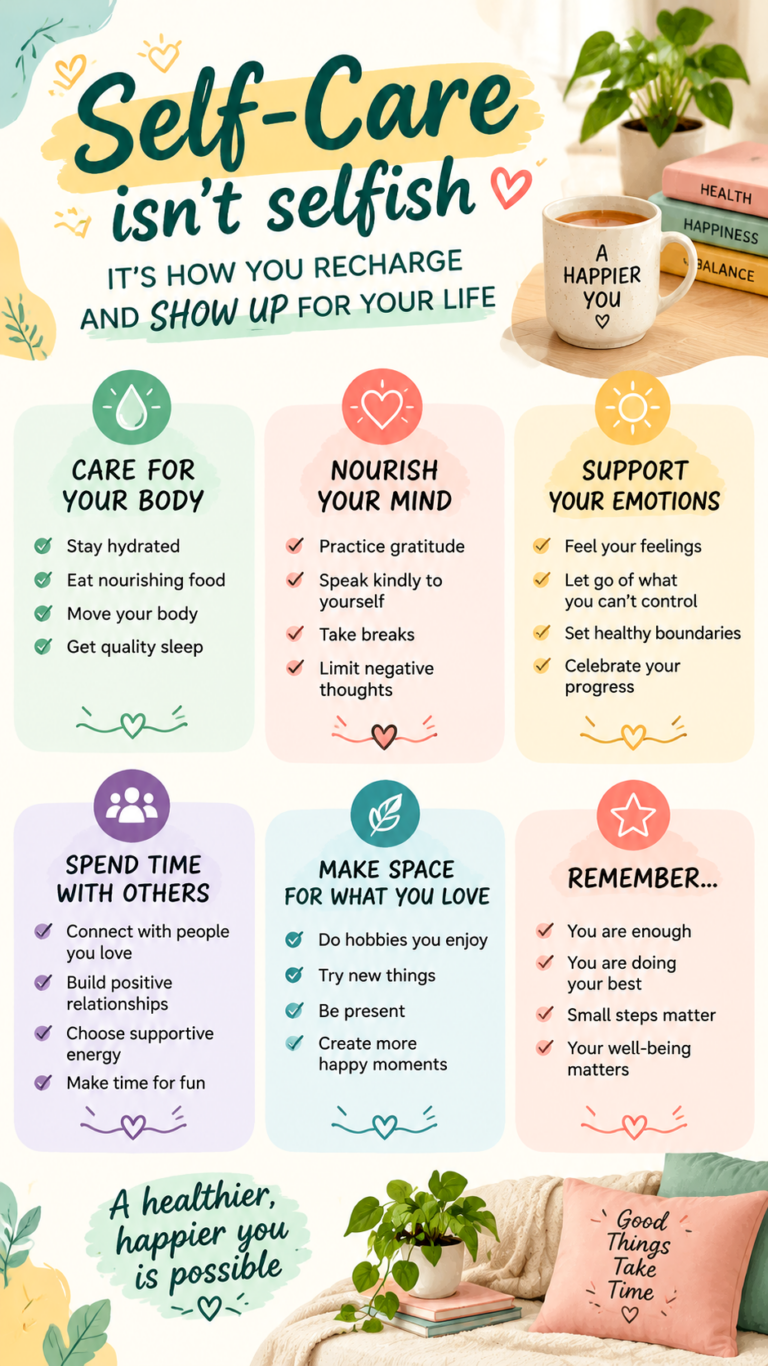
Self-care includes maintaining hygiene, creating healthy routines, getting enough rest, and understanding personal needs. These habits support confidence, health, and overall well-being.
7. Time Management and Daily Planning
Managing time effectively helps students balance school, work, relationships, and personal responsibilities. Using calendars, reminders, and simple planning systems can improve productivity.
8. Budgeting and Money Management
Financial awareness is a key part of independent living. Students should learn how to track spending, create simple budgets, save money, and make thoughtful purchasing decisions.
Building Independence Through Daily Practice
Life skills become stronger through repetition. A student who practices cooking once a week or creates a regular cleaning routine slowly builds habits that become natural over time.
Parents, teachers, and mentors can support students by allowing them to take responsibility instead of doing everything for them. Guidance is helpful, but independence grows when students have opportunities to try, make mistakes, and improve.
How to Teach Life Skills Effectively
- Start with simple tasks and increase difficulty gradually.
- Demonstrate skills before expecting independent practice.
- Create routines that make responsibilities easier to remember.
- Celebrate progress and effort instead of focusing only on mistakes.
- Connect skills to real situations students will experience.
Why This Matters
Independent living skills help students feel prepared for the future. They encourage confidence, responsibility, and the ability to handle everyday challenges with a positive mindset.
Creating a Student Life Skills Checklist
A helpful way to develop independence is by creating a personal checklist. Students can identify which skills they already know and which areas need more practice.
- Learn one new household skill each week.
- Practice managing personal responsibilities.
- Develop healthy routines for food, cleaning, and self-care.
- Learn basic financial and organizational habits.
- Review progress and continue improving.
At a Glance: Essential Skills for Independent Living
- Cook simple meals and make smart food choices.
- Maintain a clean and organized living space.
- Understand basic home and personal care.
- Manage time, money, and daily responsibilities.
- Build confidence through consistent practice.
Conclusion: Preparing Students for a Confident Future
Essential life skills give students the tools they need to become capable and independent adults. While academic achievements open many doors, practical skills help students navigate the everyday responsibilities behind those opportunities.
By learning cooking, cleaning, organization, budgeting, home care, and personal responsibility, students gain confidence that lasts a lifetime. Independence is built one small habit at a time, and every skill learned today creates a stronger foundation for tomorrow.
Tags
Life Skills
Student Success
Independent Living
Adulting Skills
Practical Skills
Student Life
Self Improvement