Whats Inside Thee Bloom Signature Botanical Drink Ingredients Benefits
What makes a botanical drink truly memorable? It is the thoughtful combination of floral ingredients, warming spices, bright citrus, and natural sweetness. Thee Bloom brings these elements together in a signature botanical drink concept inspired by colorful herbs, aromatic spices, and traditional ingredient uses. From deep red hibiscus to golden turmeric and fragrant cinnamon, each ingredient contributes its own flavor, color, and character to the blend.
Whether you enjoy homemade herbal teas, refreshing wellness-inspired beverages, or creative natural drink recipes, exploring the ingredients inside a botanical blend can help you discover new ways to make everyday drinks more interesting. This guide explores nine featured ingredients, their flavor profiles, common culinary uses, and practical tips for combining them into a delicious drink at home.
Key Takeaways
- Hibiscus provides a vibrant red color and a pleasantly tart, cranberry-like flavor.
- Turmeric, ginger, cloves, and cinnamon bring earthy warmth and aromatic depth to botanical drinks.
- Lemon adds refreshing citrus brightness, while dates contribute natural sweetness.
- Saffron offers a distinctive floral aroma, and pink Himalayan salt can enhance flavor when used sparingly.
- Brewing ingredients separately or adjusting their proportions helps create a balanced, personalized blend.
- Botanical ingredients have traditional uses, but a flavorful drink should not be treated as a substitute for medical care.
What Is a Signature Botanical Drink?
A signature botanical drink is a beverage built around carefully selected plant-based ingredients, including flowers, roots, spices, fruits, and aromatic seasonings. Instead of relying on one dominant flavor, a well-designed blend combines several ingredients to create a layered drinking experience.
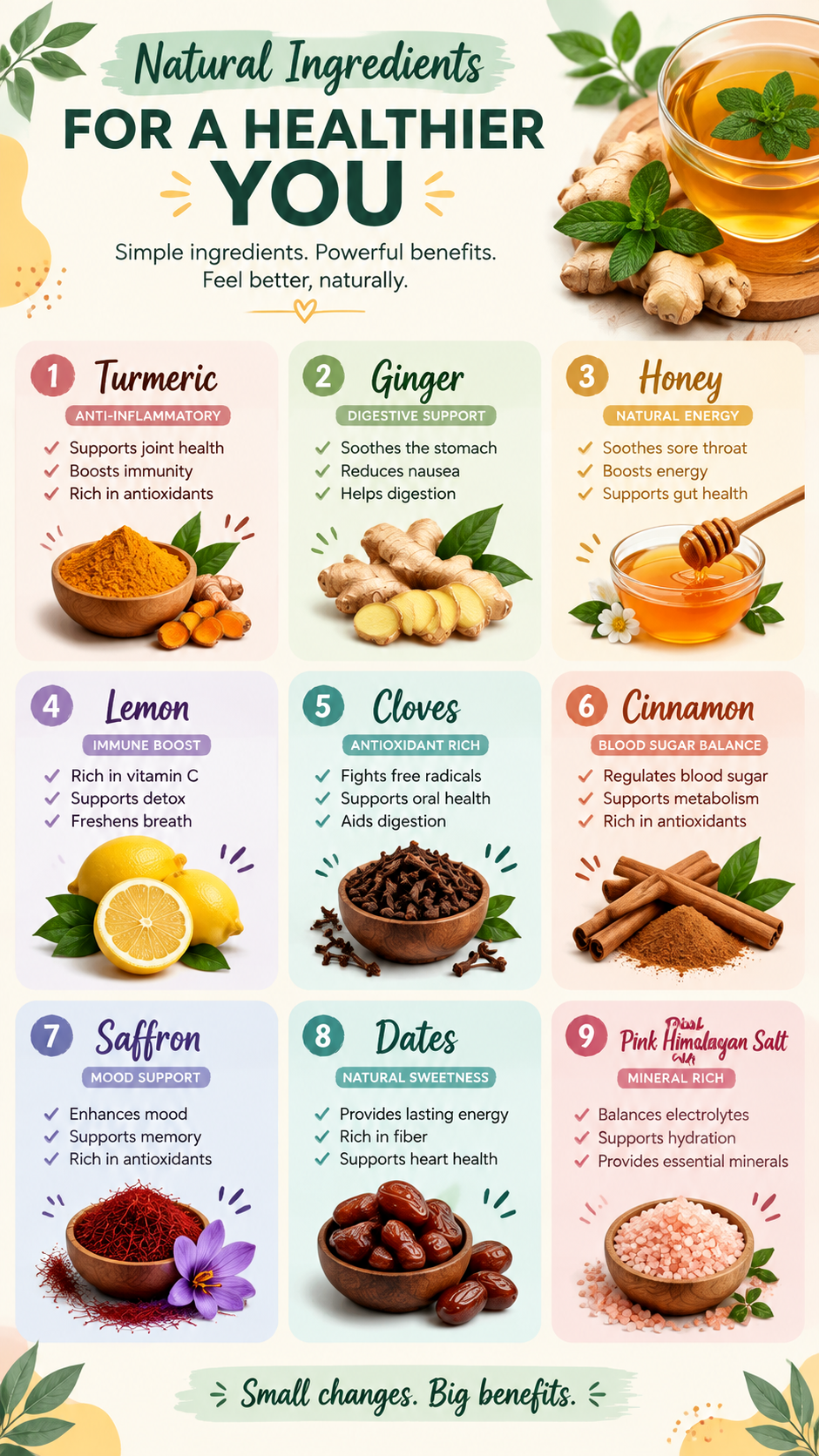
Thee Bloom features nine recognizable ingredients: hibiscus, turmeric, ginger, lemon, cloves, cinnamon, saffron, dates, and pink Himalayan salt. Together, they offer a broad spectrum of flavors, from tart and citrusy to sweet, earthy, floral, and spicy.
The concept is easy to adapt. You can prepare a warm herbal infusion for a relaxing evening, serve a chilled botanical tea on a sunny afternoon, or experiment with a lightly sweetened spiced drink to accompany a meal.
The secret is balance. Strong spices should not overpower delicate floral notes, citrus should provide brightness rather than excessive sourness, and sweetness should soften the blend without masking its natural character.
1. Hibiscus: The Vibrant Floral Foundation
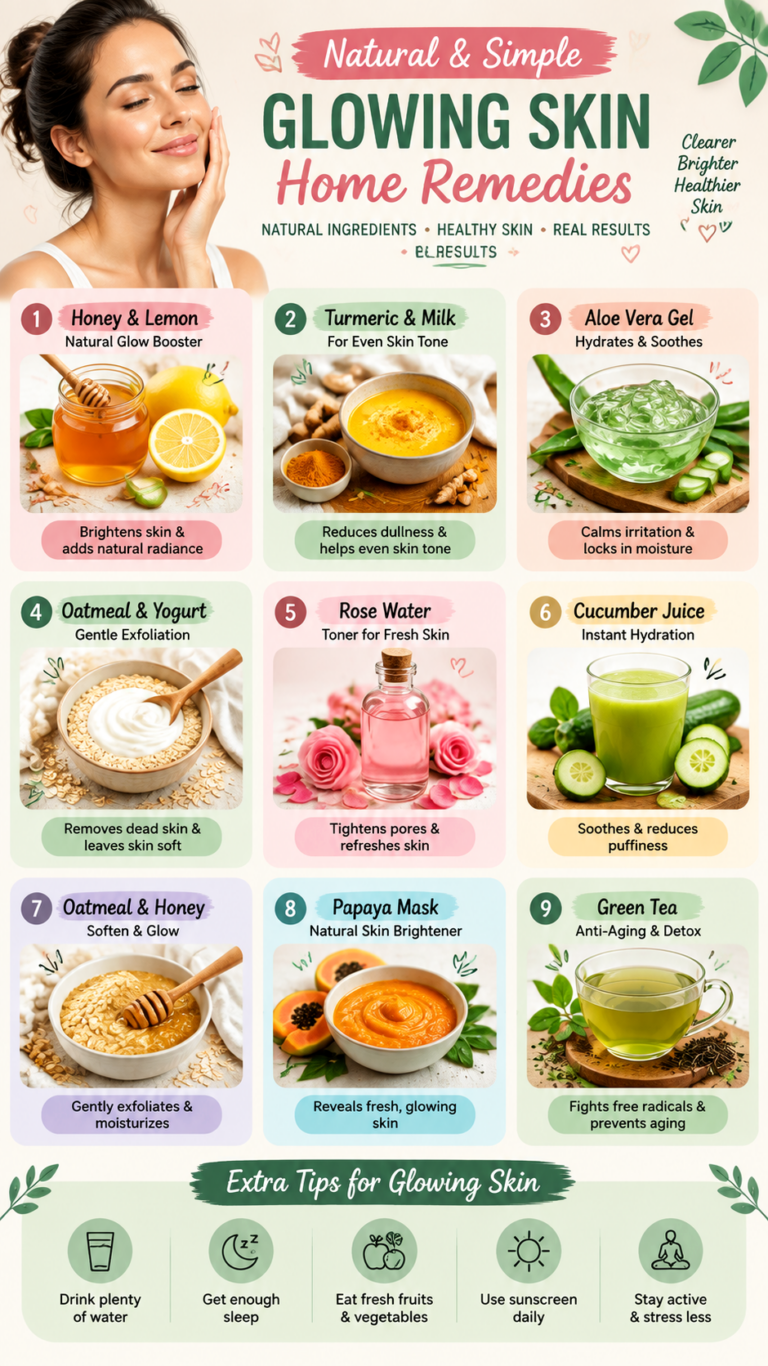
Hibiscus is one of the most visually striking ingredients in a botanical drink. Its dried petals produce a deep ruby-red infusion that looks beautiful in a clear glass and delivers a refreshing tart flavor.
Flavor and Traditional Uses
Hibiscus tea is often described as fruity, tangy, and slightly reminiscent of cranberries. It can be enjoyed hot or cold, making it a versatile foundation for homemade botanical beverages.
Hibiscus is naturally rich in anthocyanins and other plant compounds with antioxidant activity. It is also traditionally consumed as an herbal infusion and is associated with a variety of wellness practices.
Some research suggests that hibiscus preparations may help support healthy blood pressure in certain adults. However, results depend on the preparation, dosage, and individual circumstances. Drinking hibiscus tea should not replace prescribed treatment.
How to Use Hibiscus in Your Blend
Add dried hibiscus petals to hot water and allow them to steep until the liquid reaches your preferred color and tartness. A short steep creates a lighter infusion, while a longer steep generally produces a more intense flavor.
- Combine hibiscus with lemon for a bright, refreshing drink.
- Add a small amount of date syrup or mashed date for sweetness.
- Serve the finished infusion over ice with a citrus slice.
Important: Hibiscus may lower blood pressure and can interact with certain medicines. People who take blood pressure medication, are pregnant, or have relevant health concerns should seek individualized advice before using it regularly in concentrated preparations.
2. Turmeric: Earthy Warmth and Golden Color
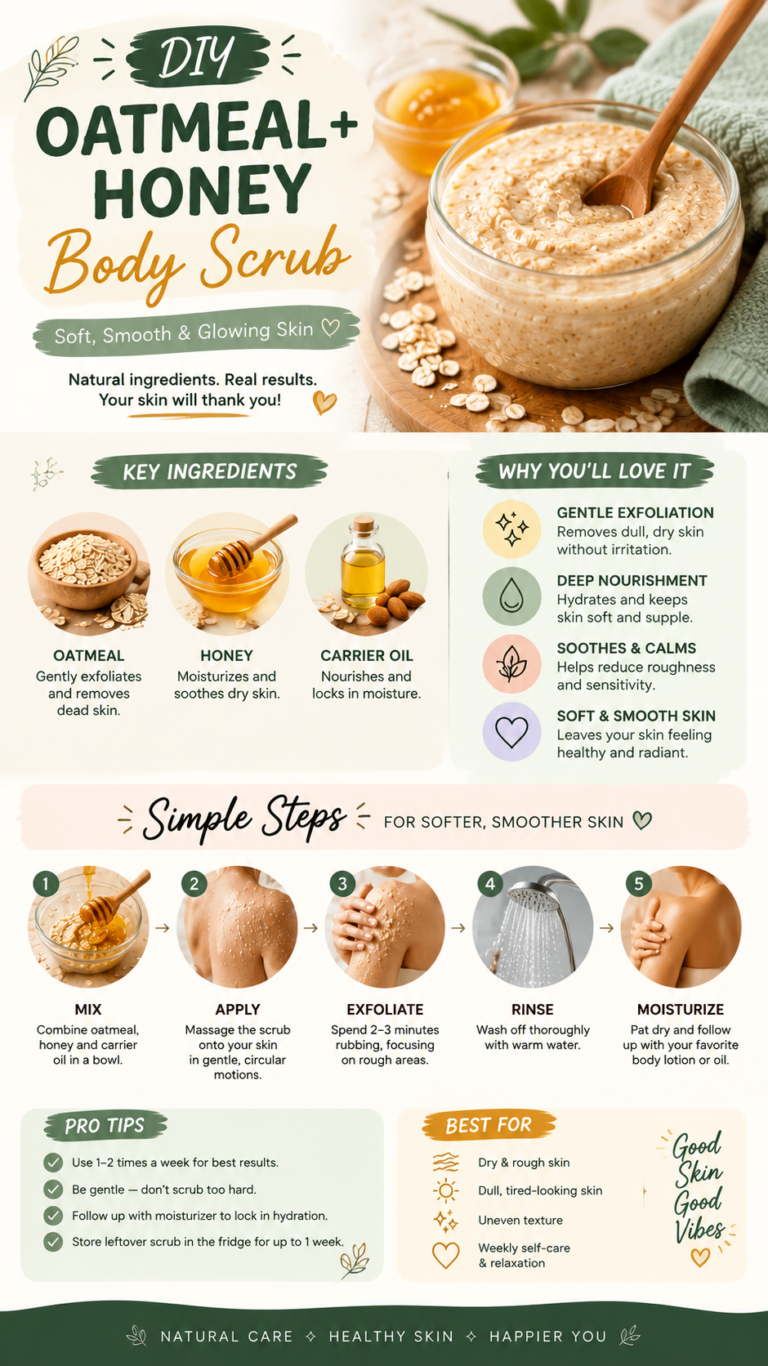
Turmeric gives botanical beverages a rich golden hue and a distinctive earthy flavor. This familiar spice is widely used in South Asian cooking and appears in many traditional food and drink preparations.
Why Turmeric Is Popular
Turmeric contains curcuminoids, including curcumin, which have been studied for their antioxidant and anti-inflammatory properties. These compounds are one reason turmeric attracts attention in food, wellness, and culinary traditions.
However, the effects observed in research on concentrated curcumin products cannot automatically be applied to a cup of turmeric tea. The amount absorbed from an ordinary beverage varies, and evidence for specific health outcomes remains mixed.
How to Use Turmeric
Fresh turmeric root has a peppery, earthy character, while ground turmeric is convenient for quick recipes. Start with a small amount because its flavor and color can become dominant.
- Pair turmeric with ginger for a warm, spicy infusion.
- Combine it with lemon to add a bright citrus contrast.
- Stir thoroughly when using powdered turmeric, as it does not fully dissolve in water.
Fresh turmeric can stain clothing, kitchen surfaces, and utensils, so handle it carefully. If you have gallbladder problems or take medication that may interact with turmeric supplements, consult a healthcare professional before using concentrated products regularly.
3. Ginger: A Spicy Ingredient for Everyday Drinks
Ginger brings lively heat and a fresh, slightly citrusy aroma to botanical beverages. It works especially well with hibiscus, lemon, turmeric, and cinnamon because it connects bright flavors with warmer spices.
Flavor and Common Uses
Fresh ginger offers a crisp, pungent taste, while dried ginger often tastes more concentrated and warming. Both are popular in teas, broths, spiced drinks, and homemade infusions.
Ginger has also been studied for its potential role in easing certain types of nausea. Evidence varies by condition, and results from clinical studies do not mean every ginger drink will have the same effect.
Preparation Tips
Slice fresh ginger thinly or grate a small piece to release its aroma. Simmering it gently in water creates a more pronounced flavor than simply adding it to a brief infusion.
- Use ginger to give chilled hibiscus tea a lively finish.
- Combine it with turmeric for a warming, savory-spiced profile.
- Start with a small piece and increase the quantity to taste.
Large amounts of ginger may cause heartburn or stomach discomfort in some people. If you take medication that affects blood clotting or have a medical condition requiring dietary precautions, ask a healthcare professional about regular concentrated use.
4. Lemon: Fresh Citrus Brightness
Lemon adds a clean, tangy flavor that can make a botanical drink taste lighter and more refreshing. Its acidity also complements the natural tartness of hibiscus and balances the earthy notes of turmeric.
Flavor and Nutritional Value
Lemons are a source of vitamin C, an essential nutrient that supports normal immune function, collagen formation, and antioxidant protection. The amount in a finished drink depends on how much juice is added and how the beverage is prepared.
Lemon juice can also improve the overall flavor of a blend without requiring additional sweeteners. A little citrus often makes floral and spicy ingredients taste more distinct.
Best Ways to Add Lemon
- Add fresh lemon juice after the drink has cooled slightly.
- Use thin lemon slices as a simple garnish for chilled beverages.
- Adjust the quantity gradually to avoid making the drink too sour.
For a refreshing summer drink, brew hibiscus and ginger, let the mixture cool, then stir in lemon juice and a little date syrup. Serve over ice for a colorful, citrus-forward beverage.
5. Cloves: Deep, Aromatic Spice
Cloves are small dried flower buds with a powerful aroma. They are commonly used in spiced teas, baked goods, sauces, and traditional seasonal drinks.
Their flavor is warm, sweetly pungent, and slightly woody. Because cloves are intense, a small amount can provide plenty of character without overwhelming other ingredients.
Traditional Uses and Flavor Benefits
Cloves contain eugenol and other aromatic compounds that have been investigated for their antioxidant activity. Clove has also appeared in traditional oral-care practices, although homemade clove drinks are not substitutes for dental hygiene or professional treatment.
In a botanical drink, cloves provide depth and help create a familiar spiced-tea aroma. They work particularly well with cinnamon, ginger, and dates.
How to Use Cloves
Add one or two whole cloves to a small pot of simmering water alongside ginger or cinnamon. Remove them after a brief simmer or strain the drink carefully before serving.
Avoid using large amounts of cloves or consuming clove essential oil as a beverage ingredient. Concentrated clove oil can be harmful, and medicinal quantities may pose additional risks.
6. Cinnamon: Sweet, Cozy Flavor Without Extra Sugar
Cinnamon is a familiar spice associated with warming drinks, baked treats, and comforting recipes. Its sweet-smelling aroma can make a botanical beverage taste fuller even when little or no added sugar is used.
Why Cinnamon Fits the Blend
Cinnamon contains aromatic plant compounds and has been studied for possible effects on blood glucose regulation. However, research findings are inconsistent, and cinnamon tea should not be relied upon to control diabetes or replace prescribed medication.
There are different types of cinnamon, including Ceylon and cassia. Cassia cinnamon generally contains more coumarin, a naturally occurring compound that may harm the liver when consumed in excessive amounts over time.
Practical Preparation Ideas
- Simmer a small cinnamon stick with ginger for a warming base.
- Pair cinnamon with dates to emphasize natural sweetness.
- Use it with hibiscus for an interesting contrast between tart and warm flavors.
For frequent consumption, moderate portions are sensible. People with liver conditions or those considering concentrated cinnamon supplements should seek professional advice.
7. Saffron: Delicate Floral Aroma and Golden Color
Saffron is prized for its distinctive aroma, rich color, and role in many traditional dishes and drinks. Made from the dried stigmas of the saffron crocus, it is typically used in very small quantities.
Its flavor is delicate, slightly earthy, and floral, with a subtle honey-like impression. When added to a botanical drink, saffron can bring an elegant aromatic note without requiring a large quantity.
Traditional Uses and Preparation
Saffron has a long culinary history and has also been studied for potential effects on mood and other aspects of health. Some early research is promising, but it does not establish that ordinary saffron-infused drinks treat mood disorders or other medical conditions.
To use saffron, soak a few strands in a little warm water before adding the infusion to your drink. This helps release its color and aroma. Pair it with lemon, dates, or a gentle spice base so its delicate character remains noticeable.
Saffron is expensive because harvesting its delicate strands is labor-intensive. A small pinch is usually enough for a home recipe. Avoid excessive quantities, and seek medical guidance before using concentrated saffron products, particularly during pregnancy.
8. Dates: Natural Sweetness and Smooth Body
Dates bring a rich, caramel-like sweetness to botanical drinks. Their flavor works particularly well with cinnamon, cloves, ginger, and saffron, making them useful when you want a rounded taste without relying entirely on refined sugar.
Nutritional Benefits of Dates
Whole dates provide carbohydrates, dietary fiber, and minerals such as potassium. They can contribute to energy intake and add sweetness to a recipe, although the nutritional contribution depends on the amount used.
Dates are not calorie-free, and their natural sugars still count toward total sugar and carbohydrate intake. If you are managing blood glucose, consider your portion size and the overall ingredients in your drink.
How to Sweeten a Botanical Drink with Dates
Remove the pits from one or two soft dates, chop the fruit, and simmer it with your selected spices. You can strain the mixture for a lighter beverage or blend and filter it if you prefer a smoother, fuller texture.
- Combine dates with cinnamon for a cozy flavor.
- Use a small date to soften the tartness of hibiscus.
- Adjust sweetness after the drink has cooled, since flavor perception can change with temperature.
Pro Tip: Start with less sweetness than you think you need. Hibiscus, lemon, ginger, and cinnamon already provide plenty of flavor, and a small amount of date can bring these ingredients together without making the drink heavy.
9. Pink Himalayan Salt: A Small Finishing Touch
Pink Himalayan salt is recognizable by its pale pink color and crystalline texture. In a botanical beverage, a very small pinch can sharpen flavor and balance the contrast between tart, sweet, and aromatic ingredients.
What Does Pink Salt Actually Add?
Pink Himalayan salt is primarily sodium chloride, with small amounts of other minerals that contribute to its color. Although it contains trace minerals, the amounts are generally too small to make it a meaningful source of most minerals in a typical serving.
Salt can enhance the perception of sweetness and reduce the sharpness of certain flavors. This means a tiny pinch may make a date-sweetened, citrus-based drink taste more balanced.
However, pink salt is not a special hydration treatment, and it should not be presented as a reliable way to correct electrolyte imbalances. Most people can meet ordinary hydration needs with water and a balanced diet.
How to Use It Wisely
Add only a tiny pinch to a finished drink and taste before adding more. People who need to limit sodium, including some individuals with high blood pressure or kidney or heart conditions, should consider omitting it or following their clinician’s dietary advice.
Why This Matters
A great botanical drink depends more on thoughtful proportions than on using every available ingredient. Hibiscus and lemon provide brightness, ginger and cinnamon add warmth, and dates soften sharper notes. Turmeric, cloves, saffron, and salt can then be used selectively to create the character you enjoy. More ingredients do not automatically mean greater health benefits.
How to Make a Homemade Botanical Drink
You do not need special equipment to prepare a flavorful botanical infusion. A small saucepan, a heat-safe jug, a strainer, and fresh drinking water are enough to get started.
Ingredients for a Simple Blend
- 2 teaspoons dried hibiscus petals
- 3 to 4 thin slices of fresh ginger
- A small piece of cinnamon stick
- 1 whole clove, optional
- 1 small piece of fresh turmeric or a small pinch of ground turmeric, optional
- 1 to 2 teaspoons fresh lemon juice
- 1 pitted date, optional
- 250 to 350 ml water
- A few strands of saffron, optional
- A tiny pinch of pink Himalayan salt, optional
These quantities are a starting point rather than a strict formula. You can leave out ingredients you do not enjoy or have available. If you have allergies, dietary restrictions, or concerns about medication interactions, choose ingredients accordingly.
Step-by-Step Preparation
- Prepare the ingredients. Rinse fresh ginger and turmeric, slice them thinly, and remove the pit from the date. Measure the dried spices and hibiscus.
- Simmer the warming ingredients. Add the ginger, cinnamon, optional clove, and optional turmeric to the water. Bring to a gentle simmer for about five minutes.
- Add the hibiscus. Turn off the heat, add the dried petals, and steep for another three to five minutes. Adjust the steeping time to achieve your preferred tartness.
- Strain the mixture. Pour the infusion through a fine strainer into a heat-safe jug or mug.
- Add delicate ingredients. Stir in the lemon juice and a saffron infusion, if using. Add a small amount of date-based sweetener if needed.
- Balance the flavor. Taste before adding any salt. Use only a tiny pinch if it genuinely improves the drink.
- Serve warm or chilled. Enjoy immediately, or let the drink cool and refrigerate it promptly for a refreshing cold version.
For a smoother drink, prepare the dates separately as a syrup and add a small amount after straining. This makes it easier to control sweetness and prevents fruit solids from settling at the bottom of the glass.
Flavor Pairings for a More Balanced Blend
Experimenting with botanical ingredients is easier when you understand how their flavors work together. Rather than combining all nine ingredients in equal quantities, start with a small group and add supporting flavors gradually.
For a Bright, Refreshing Drink
Combine hibiscus, lemon, and a few slices of ginger. The hibiscus provides the tart base, lemon adds fresh citrus notes, and ginger gives the drink a lively finish. Serve it chilled with ice.
For a Warming Spiced Infusion
Use ginger, cinnamon, and a single clove. Add a small amount of date syrup if you prefer a softer, sweeter flavor. This combination works well as a warm afternoon or evening beverage.
For a Floral, Aromatic Drink
Pair a modest amount of hibiscus with a few strands of saffron. Add lemon or a little date sweetness according to your preference. Keep the stronger spices to a minimum so they do not overwhelm the delicate aroma.
For a Naturally Sweet Beverage
Simmer a pitted date with cinnamon and ginger, then strain the drink. Add lemon for contrast if the flavor seems too rich. This combination creates a fuller taste without requiring a large quantity of added sweetener.
Common Mistakes to Avoid When Preparing Botanical Drinks
Even simple herbal infusions can taste disappointing when the ingredients are not balanced. A few small adjustments can make a noticeable difference.
Using Too Much of Every Ingredient
Strong flavors compete with one another when used in large quantities. Begin with hibiscus or ginger as your main ingredient, then add small amounts of the supporting spices. You can always increase the intensity in your next batch.
Oversteeping the Herbs and Spices
Long steeping can make some infusions excessively tart, bitter, or intense. Taste as you go and strain the ingredients once the drink reaches a pleasant balance. Roots and whole spices may need gentle simmering, while delicate ingredients can be steeped off the heat.
Adding Too Much Sweetener or Salt
Dates and spices can provide plenty of flavor on their own. Add sweeteners in small amounts and treat salt as an optional seasoning rather than a required part of a wellness drink.
Assuming Natural Means Risk-Free
Plant-based ingredients can still have side effects, interact with medicines, or be unsuitable for certain people. Concentrated extracts and essential oils can be much more potent than culinary amounts. Use familiar food-grade ingredients, follow reasonable portions, and seek professional guidance when necessary.
Are Botanical Drinks Good for Everyday Wellness?
Botanical drinks can be an enjoyable part of a balanced routine, especially when they help you drink more fluids and explore a wider variety of flavors. Unsweetened herbal infusions are generally low in calories, although the nutritional profile changes when you add dates, syrups, or other ingredients.
Each ingredient contributes something different. Hibiscus creates a tart infusion, ginger brings warmth, lemon contributes vitamin C, and dates add sweetness and some fiber when consumed as whole fruit. Cinnamon, turmeric, cloves, and saffron provide distinctive aromas and contain plant compounds that researchers continue to investigate.
Still, the presence of these ingredients does not mean a blended drink automatically delivers meaningful therapeutic benefits. The quantities used in food are often different from the doses tested in clinical studies, and research findings may not apply to every preparation.
Remember: Think of a botanical drink as food and drink first, not as a cure or detox treatment. A varied diet, adequate hydration, regular movement, quality sleep, and appropriate medical care remain important foundations of overall health.
For everyday enjoyment, keep your recipe simple, moderate the sweetener, and choose ingredients that suit your taste and dietary needs. If you are pregnant, managing a chronic condition, or taking medication, check whether regular use of particular herbs and spices is appropriate for you.
How to Store Your Homemade Botanical Drink
If you prepare a larger batch, safe storage helps preserve the flavor and quality of your beverage.
- Let the drink cool promptly rather than leaving it at room temperature for an extended period.
- Transfer it to a clean, covered container and refrigerate it.
- For best flavor, enjoy it within a few days and discard it if its smell, appearance, or texture changes unexpectedly.
- Use a clean glass or bottle when serving, especially if you plan to store the remaining drink.
- Add fresh lemon shortly before serving if you prefer a brighter citrus aroma.
For a chilled botanical tea, refrigerate the strained infusion and pour it over ice when ready to drink. If you prefer a warm beverage, reheat only the amount you plan to consume.
At a Glance: Thee Bloom Ingredients
- Hibiscus: Tart, fruity flavor and a striking red color.
- Turmeric: Earthy taste and a golden hue.
- Ginger: Fresh, spicy warmth.
- Lemon: Bright citrus flavor and vitamin C.
- Cloves: Intense, aromatic depth.
- Cinnamon: Sweet-smelling warmth and spice.
- Saffron: Delicate floral aroma and rich color.
- Dates: Natural sweetness and a fuller mouthfeel.
- Pink Himalayan salt: Optional flavor enhancement in a very small amount.
Conclusion: Create Your Own Signature Botanical Blend
Thee Bloom celebrates the versatility of botanical ingredients by bringing together nine distinctive flavors. Hibiscus adds a colorful, tart foundation, ginger and turmeric introduce earthy warmth, lemon lifts the blend with citrus brightness, and cloves and cinnamon create a familiar spiced aroma. Saffron offers a delicate floral note, dates soften the sharper flavors, and a tiny pinch of pink Himalayan salt can provide an optional finishing touch.
The best botanical drink is one that suits your preferences. Start with a simple combination, experiment with ingredient proportions, and try both warm and chilled preparations. With a little practice, you can create a signature herbal tea that feels refreshing, aromatic, and enjoyable throughout the year.
Keep your approach practical: choose food-grade ingredients, use sensible portions, and remember that traditional uses and promising research do not guarantee medical benefits. Let the natural colors, aromas, and flavors inspire your next homemade beverage, and save your favorite combinations so you can recreate them whenever the mood strikes.
Quick Points
- Choose one main flavor and add complementary ingredients gradually.
- Use fresh lemon to brighten floral and warming spices.
- Sweeten lightly with dates or another preferred sweetener.
- Serve warm for a cozy infusion or chilled for a refreshing drink.
- Enjoy botanical beverages as part of a balanced lifestyle, not as medical treatment.
Tags
Botanical Drinks
Herbal Tea Recipes
Hibiscus Tea
Natural Drink Ideas
Ginger Turmeric Tea
Homemade Wellness Drinks
Botanical Ingredients
Spiced Herbal Infusions