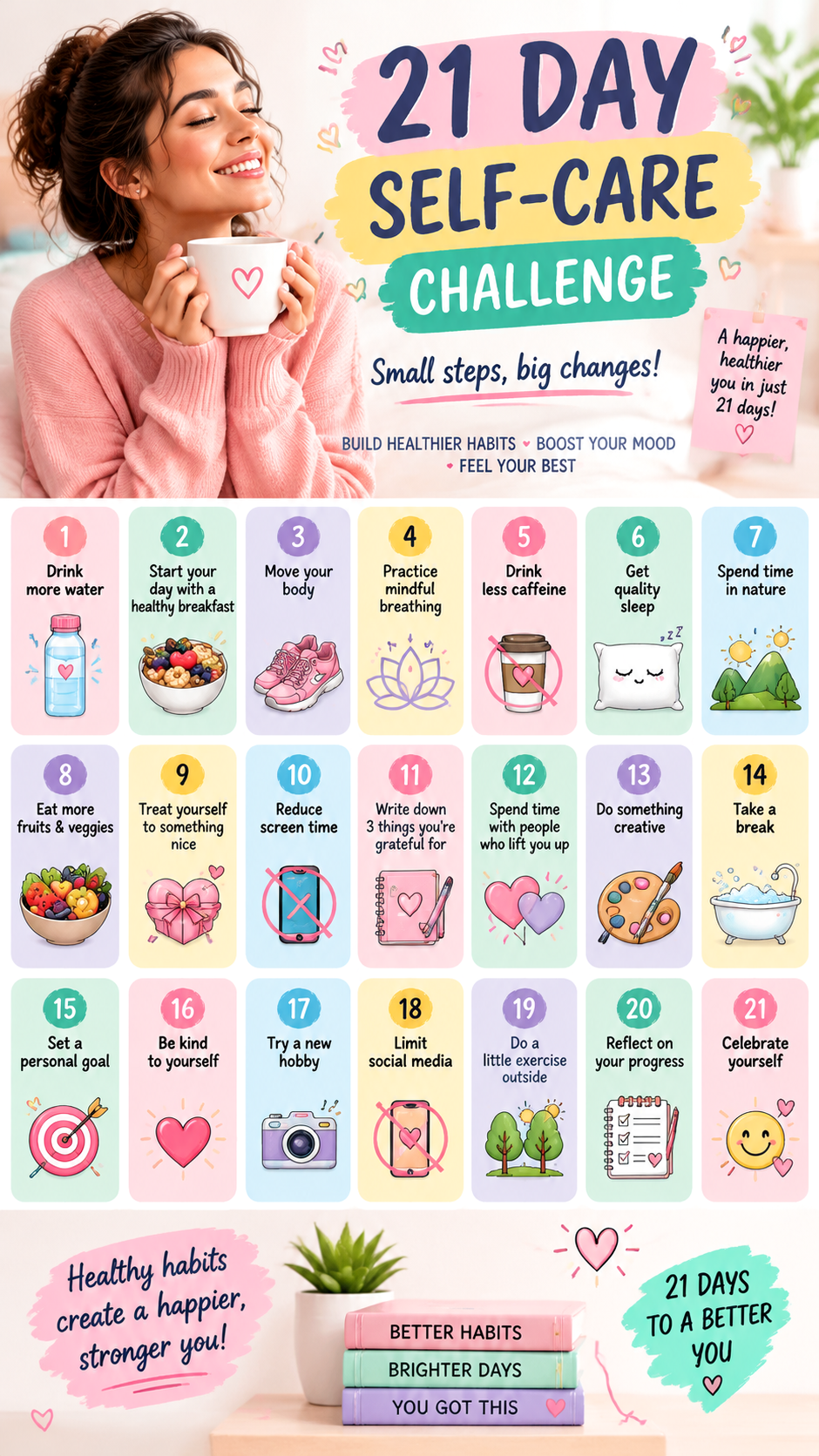
21-Day Glass Skin Challenge Daily Skincare Habits for a Healthy, Glowing Face
Dreaming of fresh, radiant, glass-like skin? You do not need an overwhelming skincare routine or a bathroom shelf filled with expensive products to start working toward a healthier-looking complexion. Sometimes, the biggest difference comes from small habits practiced consistently. A 21-day glass skin challenge is a simple way to build a daily routine around gentle cleansing, hydration, moisturizing, sun protection, nourishing foods, quality sleep, and self-care.
Inspired by the idea of making small changes for a bigger glow, this challenge breaks skincare and wellness into manageable daily steps. Each day introduces one habit, from drinking enough water and using vitamin C serum to enjoying a face massage, trying a sheet mask, and taking a break from digital distractions. The goal is not perfection. It is to create a routine that feels realistic, enjoyable, and sustainable.
Whether you are new to skincare or looking for a fresh reset, this 21-day skincare challenge can help you understand your skin’s needs and build habits that support a healthy, hydrated appearance. Results vary depending on your skin type, existing routine, environment, and consistency, so think of these three weeks as the beginning of your glow journey rather than a promise of flawless skin.
Key Takeaways
- Follow a simple skincare routine built around gentle cleansing, moisturizing, and daily sunscreen.
- Introduce new products gradually to reduce the risk of irritation.
- Support your skin with balanced meals, adequate hydration, and consistent sleep.
- Choose gentle self-care habits instead of harsh scrubs or excessive treatments.
- Track how your skin feels and adjust the challenge to suit your individual needs.
- Focus on consistency and skin health rather than unrealistic expectations of perfect skin.
What Is the 21-Day Glass Skin Challenge?
The glass skin trend is inspired by the appearance of skin that looks smooth, hydrated, fresh, and naturally luminous. Popular in Korean beauty routines, the concept emphasizes moisture, a healthy-looking skin barrier, and a consistent approach to skincare rather than simply covering imperfections with makeup.
Glass skin does not mean skin must be completely poreless or perfectly smooth. Pores, fine lines, freckles, and occasional blemishes are normal. The goal is to help your complexion look comfortable, hydrated, and cared for while respecting its natural texture.
A 21-day glass skin challenge organizes this approach into three weeks of small, practical habits. The schedule featured in this challenge combines everyday skincare with lifestyle choices, including drinking water, eating fruit, getting enough sleep, practicing gratitude, and limiting unnecessary screen time.
Why Choose a 21-Day Skincare Routine?
A short challenge can make healthy habits easier to remember. Instead of trying to change everything overnight, you can focus on one manageable action at a time and gradually turn helpful practices into a routine.
Three weeks can provide an opportunity to notice whether your skin feels less dry, whether your routine is comfortable, and whether you are becoming more consistent with sunscreen and moisturizer. However, visible changes in skin texture, acne, pigmentation, and other concerns may take longer than 21 days.
Important: Consistency does not mean using more products or following every trend. A gentle, suitable routine is usually a better starting point than adding multiple active ingredients at once. Healthy-looking skin develops through appropriate care, patience, and realistic expectations.
Week 1: Build Your Glass Skin Foundation
The first week is about establishing a simple skincare foundation. Before experimenting with serums, masks, or facial massage tools, focus on keeping your skin clean, moisturized, and protected from the sun.
Day 1: Drink Enough Water
Begin your challenge by paying attention to hydration. Water supports normal body functions, and adequate fluid intake is important for overall health. Dehydration can make your skin appear less fresh, although drinking extra water will not automatically eliminate wrinkles, acne, or dark spots.
Keep a reusable water bottle nearby and drink regularly throughout the day. Your fluid needs depend on factors such as activity level, climate, diet, and individual health. Water-rich foods, including cucumbers, oranges, and watermelon, can also contribute to your overall fluid intake.
Day 2: Practice Gentle Cleansing
A gentle cleanser removes dirt, excess oil, sweat, and sunscreen without unnecessarily stripping the skin. Choose a formula suited to your skin type and avoid products that consistently leave your face feeling tight, raw, or uncomfortable.
Use lukewarm water and massage the cleanser onto your face with clean fingertips. Rinse thoroughly and pat dry with a soft towel instead of rubbing vigorously. If your skin is dry or sensitive, a mild, fragrance-free cleanser may be a useful option.
In the evening, make sure you remove makeup and sunscreen. If you wear long-lasting makeup or water-resistant sunscreen, you may benefit from a suitable first cleansing step followed by a gentle facial cleanser.
Day 3: Add a Balanced Breakfast
Healthy-looking skin benefits from an overall balanced diet rather than a single special food. Make breakfast more nourishing by including a combination of fruit, protein, and other nutrient-rich foods.
Try berries with yogurt, oatmeal topped with fruit and nuts, or eggs with whole-grain toast. Fruits and vegetables provide vitamins, minerals, and other beneficial nutrients that support normal body functions.
There is no need to follow a restrictive beauty diet. Enjoy a variety of foods that fit your preferences, budget, and nutritional needs.
Day 4: Explore Vitamin C Serum
Vitamin C is an antioxidant used in skincare to help protect against oxidative stress and improve the appearance of uneven skin tone. Depending on the formulation and how your skin responds, it may help brighten the appearance of dullness and support a more even-looking complexion over time.
Choose a product from a reputable brand and follow its instructions. Start with a small amount and introduce it gradually, especially if your skin is sensitive or you already use other active ingredients.
Vitamin C is optional, not essential for everyone. If it causes persistent stinging, redness, or irritation, stop using it. Daily sunscreen remains important, whether or not you use a vitamin C serum.
Day 5: Moisturize Your Skin
Moisturizer is one of the most useful products in a basic skincare routine. It helps reduce water loss and supports the skin barrier, which can make your complexion feel softer and appear more hydrated.
For oily or combination skin, a lightweight lotion or gel moisturizer may feel comfortable. Dry skin may benefit from a richer cream containing ingredients such as glycerin, ceramides, or petrolatum.
Apply moisturizer after cleansing while your skin is slightly damp if that feels comfortable. You do not need an expensive product to maintain a good routine. Suitability and consistent use matter more than luxury packaging.
Day 6: Wear Sunscreen Every Morning
Sun protection is essential for a skincare routine focused on maintaining an even-looking complexion. Ultraviolet radiation contributes to premature skin aging and can worsen the appearance of pigmentation and certain dark spots.
Choose a broad-spectrum sunscreen with SPF 30 or higher. SPF 50, as featured in the challenge, is another suitable option. Apply it generously to exposed skin and reapply according to the product directions, especially after swimming, sweating, or spending extended periods outdoors.
Do not forget commonly missed areas such as the ears, neck, and backs of the hands. Hats, sunglasses, shade, and protective clothing provide additional support.
Pro Tip: Make sunscreen the final step of your morning skincare routine, before makeup. Keep it somewhere visible so applying it becomes a daily habit rather than an occasional extra.
Day 7: Take a 10-Minute Walk
Finish the first week with a short walk. Regular physical activity supports general well-being and can be an enjoyable way to manage stress and create a healthier daily rhythm.
Choose a comfortable pace and a route you enjoy. If you walk outdoors during daylight, remember sun protection. A ten-minute walk is a manageable starting point, and you can gradually increase your activity according to your needs and fitness level.
Week 2: Support Your Skin With Healthy Habits
During the second week, continue your basic skincare routine while adding small habits that support your overall well-being. The aim is to create a balanced lifestyle that complements skincare instead of treating beauty as a separate, demanding task.
Day 8: Eat a Serving of Fruit
Fruit is an easy addition to a balanced eating pattern. Berries, oranges, kiwi, apples, and watermelon all offer different combinations of nutrients, fiber, and water.
Choose fruit you enjoy and make it part of a snack or meal. Variety is more useful than searching for one magical fruit that promises perfect skin. Your overall eating pattern matters more than any single ingredient.
Day 9: Try a Gentle Face Massage
A short facial massage can make your skincare routine feel relaxing. With clean hands and a little moisturizer or another suitable product that provides slip, use gentle movements across the cheeks, forehead, and jawline.
Avoid pulling or stretching the skin, and do not press on active, painful breakouts. Massage may temporarily influence the appearance of puffiness for some people, but it will not permanently reshape facial features or replace acne treatment.
Day 10: Prioritize Eight Hours of Sleep
Sleep is an important part of overall health and can influence how refreshed you feel and look. Adults commonly need around seven to nine hours of sleep each night, although individual needs vary.
Try creating a consistent bedtime, reducing stimulating activities before bed, and keeping your bedroom comfortable. If eight hours works for your schedule and needs, use it as a helpful target rather than a rigid rule.
Quality sleep supports a more sustainable routine because you may find it easier to manage stress, prepare balanced meals, and follow your skincare steps when you feel rested.
Day 11: Reduce Unnecessary Junk Food
Use this day to reflect on your eating habits without labeling foods as morally good or bad. Highly processed snacks and sugary drinks can fit into an overall balanced diet, but regularly choosing a variety of nutrient-rich foods can help support general health.
Try adding vegetables, whole grains, beans, nuts, or other nourishing options to your meals. Avoid extreme restrictions or crash diets, which are unnecessary for building a sustainable skincare routine.
Day 12: Enjoy a Suitable Sheet Mask
A sheet mask can be a relaxing addition to your self-care routine. Many are designed to provide temporary hydration through ingredients such as glycerin and hyaluronic acid.
Choose a mask that suits your skin and follow the recommended application time. Remove it as directed and apply moisturizer if needed. Leaving a mask on for too long can cause discomfort or irritation, particularly if it begins to dry out.
Skip products that contain ingredients you know irritate your skin. A sheet mask is an optional treat, not a requirement for healthy skin.
Day 13: Check Your Hydration Habits
Revisit your water intake and consider whether you are drinking regularly throughout the day. You do not need to force yourself to consume an excessive amount of water to achieve a glow.
Carry a bottle if it helps you remember to drink, have water with meals, and pay attention to thirst. Fluid needs vary, particularly in hot weather or during exercise, so use your circumstances and professional guidance when necessary.
Remember that hydration is only one part of skin care. Moisturizer helps reduce water loss from the skin, while sunscreen helps protect it from ultraviolet damage. These habits work in different ways.
Day 14: Practice a Positive Mindset
Take a few minutes to appreciate what your body does for you instead of focusing only on appearance. Write down something you like about yourself, acknowledge a small achievement, or spend time doing an activity that makes you feel good.
Skincare should support your well-being, not become another reason to criticize yourself. Your skin will naturally change with age, hormones, weather, and other factors. A positive mindset can help you approach those changes with greater patience.
Why This Matters
Skincare works best when it fits into your life. Gentle cleansing, appropriate moisturizing, and sun protection address important skin-care needs, while sleep, balanced nutrition, and stress management support your overall well-being. You do not have to complete every optional activity to make progress. Choose habits you can maintain comfortably.
Week 3: Maintain Your Routine and Celebrate Progress
The final week focuses on keeping your routine comfortable, identifying habits that work for you, and making space for small moments of self-care. By this point, you may have a clearer idea of which steps feel easy to maintain and which ones need adjusting.
Day 15: Explore Aloe Vera Gel
Aloe vera gel is often used in soothing skincare products. Some people find it comfortable on mildly irritated or dry-feeling skin, although responses vary and it is not a treatment for every skin concern.
Choose a product intended for topical use and check the ingredient list. Test a small amount on a limited area before applying it more widely, especially if your skin is sensitive. Stop using it if you experience itching, redness, or burning.
Aloe vera is optional. If your usual moisturizer already keeps your skin comfortable, there is no need to add another product.
Day 16: Avoid Touching Your Face Unnecessarily
Throughout the day, your hands come into contact with many surfaces. Frequently touching your face can transfer dirt and irritants, while picking at spots can increase inflammation and the risk of marks or scarring.
Keep your hands clean, avoid squeezing blemishes, and clean items that regularly touch your face, such as your phone. You do not need to worry about every accidental touch. The goal is simply to reduce unnecessary picking and friction.
If you have persistent acne, consider a suitable evidence-based treatment or consult a dermatologist instead of trying to remove blemishes manually.
Day 17: Enjoy a Cup of Green Tea
Green tea can be a pleasant addition to your daily routine. It contains plant compounds called polyphenols and can be enjoyed hot or cold, depending on your preference.
Choose unsweetened green tea if you enjoy its flavor, and remember that it is not a substitute for water or a proven shortcut to clear skin. Green tea contains caffeine, so consider drinking it earlier in the day if caffeine affects your sleep.
Day 18: Set a Realistic Water Goal
Use this day to establish a hydration habit that works for your routine. Instead of copying an arbitrary water target, consider your thirst, activity level, climate, and other individual needs.
You can create simple reminders, drink a glass of water with meals, or keep a bottle nearby. If you have a medical condition that requires fluid restrictions, follow your healthcare professional’s advice rather than increasing your intake for a beauty challenge.
The aim is to support normal hydration, not to drink as much as possible. Excessive water intake can be harmful, so more is not always better.
Day 19: Start a Gratitude Journal
Spend five minutes writing down three things you appreciate. They can be simple moments, such as enjoying a quiet morning, completing a task, or having time to care for yourself.
A gratitude journal is not a skincare treatment, but it can make the challenge feel more meaningful by connecting your beauty routine with a broader sense of well-being. You can also record how your skin feels, which products you used, and whether anything caused irritation.
Keep your notes practical and kind. Progress is not always visible in the mirror, and a comfortable, sustainable routine is an achievement in itself.
Day 20: Try a Digital Detox
Take a short break from your phone, social media, and other screens. Use the time to walk, read, prepare a meal, or enjoy a relaxing evening routine.
A digital detox does not directly produce glass skin, but reducing unnecessary screen time may help you make more room for activities that support your well-being. If scrolling keeps you awake, putting your phone aside before bedtime may also make it easier to follow a consistent sleep schedule.
Try a screen-free period that feels realistic rather than setting a rule you cannot maintain. Even a small break can create space for intentional self-care.
Day 21: Celebrate Your Glow Journey
You have reached the final day of the challenge. Take a moment to celebrate the habits you have practiced, even if you did not complete every activity exactly as planned.
Think about what felt helpful. Perhaps sunscreen is now part of your morning routine, you are more consistent with moisturizer, or you have found a bedtime that leaves you feeling rested. These small achievements are worth recognizing.
If you want to compare your skin’s appearance, take photos in similar lighting without filters. Look for general changes in comfort, dryness, or visible irritation rather than expecting dramatic transformations. Lighting, camera settings, and natural skin fluctuations can all affect how your complexion looks in photographs.
Most importantly, use what you learned to create a long-term routine. You do not need to restart the challenge every month or purchase additional products to maintain the habits that work for you.
How to Create a Simple Glass Skin Skincare Routine
While the 21-day challenge includes a different focus each day, your everyday skincare routine can remain surprisingly simple. The right products depend on your skin type, personal preferences, and any existing skin concerns.
Morning Skincare Routine
- Cleanse gently: Wash your face with a mild cleanser if needed. Some people with dry or sensitive skin prefer rinsing with water in the morning.
- Apply an optional serum: Consider vitamin C or another suitable product if it fits your needs and your skin tolerates it.
- Moisturize: Use a moisturizer that helps keep your skin comfortable and hydrated.
- Apply sunscreen: Finish with broad-spectrum SPF 30 or higher on exposed skin.
Evening Skincare Routine
- Remove sunscreen and makeup: Use a suitable cleansing product to remove the day’s buildup.
- Cleanse your face: Gently wash away remaining residue without scrubbing.
- Apply any appropriate treatment: Use targeted products only when needed and introduce them gradually.
- Moisturize: Apply a suitable cream or lotion to support your skin barrier overnight.
You can add a sheet mask or facial massage occasionally if you enjoy it, but neither is necessary for a successful routine. Avoid introducing several new products at the same time because doing so can make it difficult to identify the cause of irritation.
Glass Skin Tips for Different Skin Types
A routine that works beautifully for one person may not suit another. Understanding your skin’s needs can help you choose appropriate products without buying everything recommended by beauty trends.
For Dry Skin
Look for gentle cleansers and moisturizers containing ingredients such as glycerin or ceramides. Avoid excessively hot water and harsh exfoliation, which may make dryness and irritation worse. Apply moisturizer regularly and consider a richer formula when your skin feels tight.
For Oily and Combination Skin
Choose lightweight, non-comedogenic moisturizers and sunscreen if heavier textures feel uncomfortable. Oily skin still needs hydration, so skipping moisturizer entirely is not always helpful. Cleanse gently instead of repeatedly washing your face to remove every trace of oil.
For Sensitive Skin
Keep your routine simple and look for fragrance-free products. Introduce new ingredients one at a time and test them on a small area according to the product instructions. Avoid strong exfoliants, fragranced masks, and aggressive facial massage if they trigger discomfort.
For Acne-Prone Skin
Choose non-comedogenic products where possible, cleanse gently, and avoid squeezing blemishes. Ingredients such as salicylic acid or benzoyl peroxide may help certain types of acne, but they can also cause dryness or irritation. Introduce acne treatments carefully and seek professional advice if breakouts are persistent, painful, or causing scars.
Regardless of skin type, stop using a product that causes a significant reaction. Persistent swelling, severe burning, or a widespread rash deserves prompt medical attention.
Common Glass Skin Mistakes to Avoid
It is easy to assume that more skincare means faster results, especially when social media showcases elaborate routines. In practice, excessive product use can make it harder to maintain comfortable, healthy-looking skin.
- Using too many active ingredients: Introducing several serums, acids, or treatments together can increase irritation.
- Skipping sunscreen: A brightening serum cannot replace consistent sun protection.
- Over-cleansing: Washing too frequently or using harsh cleansers may leave your skin dry and uncomfortable.
- Scrubbing too aggressively: Rough exfoliation and vigorous massage can aggravate irritation.
- Expecting instant results: Many skin concerns require longer than three weeks to improve.
- Copying another person’s routine: Skin types, sensitivities, environments, and treatment needs differ.
- Chasing flawless skin: Natural pores, texture, and occasional blemishes are normal.
Remember: A glass skin routine should never leave your face persistently red, peeling, painful, or burning. These signs are not proof that a product is working. Simplify your routine if irritation develops, and consult a qualified dermatologist for ongoing skin concerns.
How to Stay Consistent With Your 21-Day Glow Challenge
Building a habit is easier when you make it convenient. Rather than relying entirely on motivation, create simple reminders and connect new actions to routines you already follow.
Use a Daily Checklist
Keep your 21-day challenge somewhere visible, such as a bathroom mirror, bedroom wall, or digital planner. Check off each activity when you complete it. A visual reminder can make the routine feel more manageable and help you recognize your progress.
Prepare Your Products in Advance
Arrange your cleanser, moisturizer, and sunscreen in a convenient place. Keep optional products separate so you do not feel pressured to use every item daily. Preparing your routine in advance can reduce decision fatigue, especially on busy mornings.
Track How Your Skin Feels
Instead of focusing exclusively on photographs, record whether your skin feels comfortable, whether dryness has improved, or whether a product causes irritation. These observations may help you identify which parts of your routine are worth keeping.
Give Yourself Room to Adjust
Missing a day does not mean you have failed. Resume your routine when you can, and adapt optional activities to your schedule. If a step does not suit your skin, skip it rather than forcing yourself to complete the checklist.
21-Day Glass Skin Challenge: At a Glance
Your Quick Recap
- Week 1: Build a foundation with hydration, gentle cleansing, moisturizer, sunscreen, and daily movement.
- Week 2: Focus on balanced meals, sleep, gentle self-care, and a positive mindset.
- Week 3: Explore soothing products, reduce face touching, journal, and make room for digital breaks.
- Every day: Keep your core skincare routine simple and suited to your skin.
- After day 21: Continue the habits that work and allow more time for gradual changes.
Conclusion: Make Your Glow a Daily Habit
The 21-day glass skin challenge is a friendly reminder that caring for your skin does not have to be complicated. A gentle cleanser, a suitable moisturizer, daily sunscreen, balanced nutrition, adequate sleep, and thoughtful self-care can form the foundation of a routine that supports healthy-looking skin.
Use the challenge as a guide rather than a strict set of rules. Vitamin C serum, sheet masks, aloe vera gel, facial massage, and green tea are optional additions, not requirements. The best routine is one that suits your skin, fits your lifestyle, and feels comfortable enough to maintain.
Be patient with yourself throughout the process. Your complexion will naturally have texture, pores, and occasional imperfections, and a successful routine does not need to erase them. Celebrate small improvements, pay attention to how your skin responds, and seek professional guidance when persistent concerns need more than basic skincare.
Ready to start your glow journey? Save this 21-day glass skin challenge, choose your first habit, and begin building a routine that makes you feel refreshed, confident, and cared for. Your best results may come not from doing more, but from consistently doing what works for you.
Tags
Glass Skin
21-Day Skincare Challenge
Glowing Skin Routine
Korean Skincare
Healthy Skin Habits
Daily Skincare Routine
Self-Care Challenge
Hydrated Skin