Dopamine Explained How It Affects Motivation, Focus, Reward Brain Health
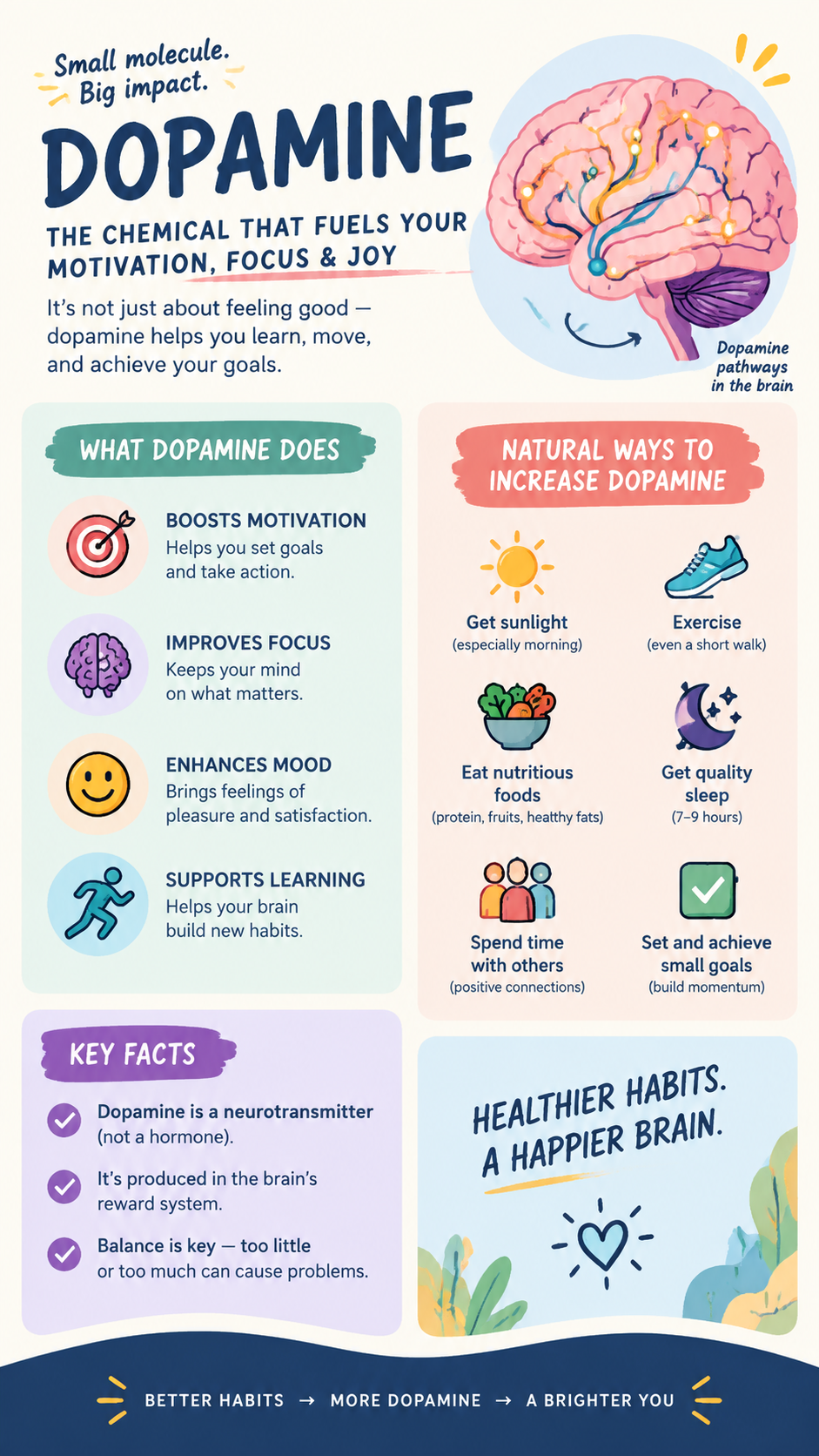
Dopamine plays an important role in how we feel motivated, experience rewards, maintain focus, learn new skills, and respond to everyday experiences. Often called the motivation and reward neurotransmitter, dopamine helps the brain recognize what matters, anticipate rewarding outcomes, and guide behavior toward meaningful goals. Understanding how dopamine works can help you build healthier habits, improve concentration, and make more informed choices about your daily routine.
From the moment you begin working toward a personal goal to the satisfaction you feel after completing a task, dopamine participates in several brain processes that influence behavior. However, its role is more complex than simply creating pleasure. It also helps regulate movement, attention, learning, and the way the brain responds to expected rewards.
Key Takeaways
- Dopamine is a neurotransmitter involved in motivation, reward learning, movement, attention, and decision-making.
- The brain uses dopamine signals to learn from outcomes and adjust future behavior.
- Sleep, regular exercise, balanced nutrition, and meaningful activities support overall brain health.
- Dopamine does not simply equal happiness, and higher levels are not automatically better.
- Different dopamine pathways perform different functions throughout the brain.
- Persistent changes in motivation, concentration, movement, or mood can have many causes and may deserve professional evaluation.
What Is Dopamine?
Dopamine is a chemical messenger that allows nerve cells to communicate. More specifically, it is a neurotransmitter produced by specialized neurons in the brain. These neurons release dopamine into the spaces between nerve cells, where it interacts with receptors and influences how other cells respond.
Dopamine belongs to a group of neurotransmitters called catecholamines. The body produces it through a biochemical process that begins with the amino acid tyrosine, which can be obtained from protein-containing foods. Tyrosine is converted into L-DOPA, and L-DOPA is then converted into dopamine.
Although dopamine is commonly associated with pleasure, its functions extend well beyond enjoyable experiences. It helps the brain evaluate potential rewards, learn from unexpected outcomes, regulate movement, allocate attention, and decide whether an action is worth pursuing.
Important: Dopamine is not simply a happiness chemical. It contributes to the processes that help you anticipate rewards, learn which behaviors are useful, and remain motivated to pursue goals. Enjoyment itself also involves other brain systems and neurotransmitters.
How Dopamine Works Between Neurons
Communication begins when a dopamine-producing neuron becomes active. Dopamine is released from small structures called vesicles into the synapse, the tiny gap between neighboring neurons. It then binds to dopamine receptors on nearby cells, changing their activity.
After signaling, dopamine can be transported back into the releasing neuron through a process called reuptake. Enzymes, including monoamine oxidase and catechol-O-methyltransferase, also help break it down.
This release, receptor binding, reuptake, and breakdown process allows dopamine signaling to be regulated. The brain does not rely on one fixed dopamine level for every situation. Instead, the timing, location, and pattern of dopamine activity help determine its effects.
The Main Functions of Dopamine in the Brain
Dopamine influences several interconnected systems. Its effects depend on which brain pathway is active, which receptors are involved, and what the person is doing or experiencing.
1. Reward and Pleasure
Dopamine helps the brain learn which experiences and actions are associated with rewarding outcomes. Food, social interaction, achievement, and other meaningful experiences can engage reward-related circuits.
However, dopamine is especially important in learning about rewards and anticipating them. The pleasurable feeling itself depends on several interacting systems, including those involving endogenous opioids and other neurotransmitters.
For example, completing a challenging project may feel satisfying partly because you have achieved something meaningful. Dopamine-related activity can help reinforce the behaviors that contributed to that outcome, making you more likely to repeat useful actions.
2. Motivation and Goal-Directed Behavior
Motivation involves more than wanting something. It also includes the willingness to invest time, effort, and energy to achieve it. Dopamine helps regulate this process by influencing how the brain evaluates potential rewards and the effort required to obtain them.
Imagine that you want to learn a language, improve your fitness, or finish a major assignment. The final result may be rewarding, but reaching it requires repeated effort. Dopamine-related circuits contribute to the learning and motivational processes that help you continue working toward that outcome.
Breaking a large goal into smaller steps can make progress easier to recognize. Each completed step provides useful feedback and helps establish a pattern of consistent behavior.
3. Movement and Coordination
Dopamine is essential for normal movement. Specialized neurons in the substantia nigra send dopamine signals to the striatum, helping regulate the brain circuits involved in initiating and controlling movement.
These pathways support the coordination of voluntary actions and the smooth execution of learned movements. When dopamine-producing neurons are lost, movement can become slower and more difficult.
Parkinson’s disease is strongly associated with the degeneration of dopamine-producing neurons in the substantia nigra. Common symptoms include slowness of movement, stiffness, resting tremor, and changes in balance or walking. Not everyone experiences the same symptoms.
4. Learning and Memory
Dopamine helps the brain learn from experience. One important mechanism involves reward prediction errors, which describe the difference between an expected outcome and what actually happens.
When an outcome is better than expected, dopamine activity may signal that the brain should update its expectations. When a predicted reward fails to occur, the signal can change in the opposite direction. These patterns help the brain refine its understanding of which actions and situations lead to particular results.
Dopamine also interacts with brain regions involved in memory and executive function. These interactions support aspects of working memory, learning, and adapting behavior when circumstances change.
5. Mood, Attention, and Focus
Dopamine contributes to attention and the ability to select relevant information. It helps regulate processes that allow you to prioritize tasks, maintain working memory, and respond appropriately to changing demands.
Its relationship with attention is complex. Too little or too much activity in particular circuits can interfere with performance, and the ideal level varies depending on the brain region and task.
Dopamine also interacts with other neurotransmitter systems involved in mood and emotional regulation. However, depression, anxiety, and low motivation cannot be explained by dopamine alone. Sleep, stress, life circumstances, physical health, and many other biological processes can influence how you feel.
The Four Major Dopamine Pathways
Dopamine-producing neurons communicate with different parts of the brain through several major pathways. Each pathway has distinct functions, which helps explain why dopamine can influence motivation, movement, thinking, and hormone regulation in different ways.
The Mesolimbic Pathway
The mesolimbic pathway connects dopamine-producing neurons in the ventral tegmental area with regions such as the nucleus accumbens. It plays an important role in reward learning, incentive motivation, reinforcement, and aspects of addiction.
This pathway helps the brain learn to pursue experiences associated with rewarding outcomes. It can also become involved in patterns of behavior that are difficult to control when certain rewards or substances strongly reinforce repeated actions.
The Mesocortical Pathway
The mesocortical pathway extends from the ventral tegmental area to regions of the prefrontal cortex. These brain areas help support planning, decision-making, working memory, and the regulation of attention.
Effective thinking depends on carefully regulated activity in these circuits. Dopamine does not simply improve focus in a linear way. The relationship often follows an inverted-U pattern, meaning that both insufficient and excessive signaling can impair some cognitive tasks.
The Nigrostriatal Pathway
The nigrostriatal pathway connects the substantia nigra to the striatum. It is particularly important for motor control and the selection of actions.
Damage to this pathway is a major feature of Parkinson’s disease. Its role illustrates why dopamine is not only related to reward or motivation but is also essential for everyday physical movement.
The Tuberoinfundibular Pathway
The tuberoinfundibular pathway connects dopamine-producing neurons in the hypothalamus with the pituitary system. Dopamine acts as a brake on prolactin secretion, helping regulate levels of this hormone.
Because of this function, certain medications that block dopamine receptors can increase prolactin levels. This is one example of how changes in dopamine signaling may affect the body beyond motivation, attention, and movement.
Why This Matters
Dopamine does not perform one single job throughout the brain. Different pathways support different functions, so a change affecting one circuit may have different consequences from a change affecting another.
- Reward-related pathways help the brain learn from outcomes.
- Prefrontal circuits contribute to attention and planning.
- Motor pathways support smooth, coordinated movement.
What Happens When Dopamine Signaling Changes?
Dopamine signaling needs to be regulated carefully. Problems may arise when dopamine-producing neurons are damaged, receptors are affected, signaling changes within particular circuits, or medications and other substances alter dopamine activity.
However, it is important to distinguish between dopamine activity in a specific brain pathway and the idea of having a single overall dopamine level. There is no simple everyday test that can determine whether someone has too much or too little dopamine throughout the brain.
Conditions Associated With Dopamine Dysfunction
Parkinson’s Disease
Parkinson’s disease involves the progressive loss of dopamine-producing neurons in the substantia nigra. As dopamine signaling to the striatum declines, movement-related symptoms may develop. Treatment can include medications that improve dopamine availability or activity, alongside other therapies tailored to individual needs.
Attention-Deficit/Hyperactivity Disorder
Attention-deficit/hyperactivity disorder, or ADHD, involves persistent patterns of inattention and/or hyperactivity and impulsivity that affect daily functioning. Dopamine and norepinephrine signaling are relevant to the brain systems involved in attention and executive control. ADHD is complex, however, and cannot be reduced to a simple dopamine deficiency.
Schizophrenia and Psychosis
Dopamine signaling abnormalities are implicated in aspects of schizophrenia and psychosis, particularly the positive symptoms of psychosis, such as hallucinations and delusions. The condition also involves other biological processes, and its causes are not fully explained by one neurotransmitter.
Addiction and Compulsive Reward-Seeking
Addictive substances and certain behaviors can engage reward-learning systems in ways that reinforce repeated use or activity. Over time, cues associated with the reward may trigger strong urges, even when the behavior causes harm.
Addiction is not simply the result of having too much dopamine. It involves learning, stress responses, environmental influences, individual vulnerability, and changes across several brain systems. Evidence-based treatment can help people manage cravings and recover.
Depression and Reduced Motivation
Some people experiencing depression report reduced interest, pleasure, energy, or motivation. Dopamine-related reward processes may contribute to these symptoms in some cases, but depression is a multifaceted condition involving numerous biological, psychological, and social factors.
Persistent loss of interest, changes in sleep, difficulty functioning, or ongoing low mood deserve attention rather than assumptions about dopamine levels. A qualified healthcare professional can help identify possible causes and suitable treatment options.
Health note: Symptoms such as low motivation, poor concentration, fatigue, or changes in mood do not prove that your dopamine is low. Avoid self-diagnosing a neurotransmitter imbalance or taking supplements and medications to manipulate dopamine without appropriate medical guidance.
How Dopamine Is Made and Released
Dopamine production follows a sequence of biochemical steps. Understanding this process explains why nutrition supports normal neurotransmitter production, while also showing why eating a particular food does not automatically create a predictable increase in brain dopamine.
- Tyrosine: The amino acid tyrosine is obtained from dietary protein and can also be produced from another amino acid, phenylalanine.
- L-DOPA: An enzyme called tyrosine hydroxylase converts tyrosine into L-DOPA. This is a key regulated step in dopamine synthesis.
- Dopamine: Another enzyme converts L-DOPA into dopamine inside cells.
- Storage and release: Dopamine is packaged into vesicles and released when the neuron is activated.
- Receptor binding: Released dopamine interacts with receptors on nearby cells, influencing their activity.
- Reuptake: Transporter proteins can return dopamine to the releasing neuron, helping end its signaling action.
- Breakdown: Enzymes such as monoamine oxidase and catechol-O-methyltransferase metabolize dopamine and its by-products.
This process is tightly controlled by the nervous system. The brain adjusts neurotransmitter activity according to its needs rather than relying only on the amount of a nutrient consumed.
Natural Ways to Support Dopamine and Brain Health
There is no guaranteed way to boost dopamine on demand or optimize every dopamine pathway through lifestyle changes alone. Nevertheless, healthy daily habits support the brain systems involved in energy, learning, motivation, and emotional well-being.
1. Eat a Balanced, Protein-Rich Diet
Protein provides amino acids, including tyrosine, that the body uses to produce neurotransmitters. Foods such as eggs, fish, chicken, beans, lentils, dairy products, tofu, nuts, and seeds can contribute to a balanced diet.
Include a variety of fruits, vegetables, whole grains, healthy fats, and protein sources. Adequate overall nutrition supports normal brain function, while correcting a genuine nutritional deficiency may improve health. Eating extra tyrosine does not necessarily increase dopamine signaling in a healthy brain.
2. Exercise Regularly
Physical activity supports cardiovascular health, sleep quality, mood, and cognitive function. Walking, cycling, dancing, swimming, and strength training are all options, depending on your ability and preferences.
Choose an activity you can maintain rather than relying on intense workouts that are difficult to repeat. Regular movement can support overall well-being even though its effects on dopamine vary by activity, intensity, timing, and individual biology.
3. Get Consistent, Restorative Sleep
Sleep supports attention, learning, memory, emotional regulation, and many processes involved in healthy brain function. Insufficient or irregular sleep can make it harder to concentrate, manage stress, and stay motivated.
Try to maintain a consistent bedtime and wake-up time, create a relaxing evening routine, and keep your sleeping environment comfortable. Most adults need at least seven hours of sleep per night, although individual needs vary.
4. Spend Time Outdoors in Daylight
Exposure to natural daylight, particularly earlier in the day, helps regulate circadian rhythms and supports a stable sleep-wake schedule. Getting outside for a morning walk can combine daylight, movement, and a refreshing break from indoor routines.
Daylight should not be treated as a guaranteed dopamine booster. Its clearest practical benefits include supporting circadian timing and providing an opportunity for physical activity. Protect your skin and eyes appropriately, and avoid looking directly at the sun.
5. Set Small Goals and Celebrate Progress
Breaking a large task into manageable steps can reduce overwhelm and make progress easier to recognize. Instead of aiming to complete an entire project in one sitting, identify the next useful action and give yourself time to complete it.
Tracking progress, reflecting on what you have learned, and acknowledging meaningful achievements can help reinforce useful routines. These strategies do not guarantee a particular dopamine response, but they can make goal-directed behavior easier to sustain.
6. Make Time for Enjoyable Activities and Social Connection
Music, hobbies, creative projects, time in nature, and supportive relationships can contribute to a rewarding and balanced life. Social interaction and enjoyable activities engage multiple brain systems, although their effects vary from person to person.
Rather than pursuing constant stimulation, aim for a healthy mix of enjoyable experiences, meaningful responsibilities, rest, and relationships. Sustainable well-being comes from several interacting factors, not from maximizing one neurotransmitter.
7. Manage Stress and Protect Your Attention
Ongoing stress can affect sleep, mood, concentration, and motivation. Relaxation practices, time outdoors, mindful breathing, and realistic scheduling may help you manage everyday demands.
If digital distractions interfere with your work, silence unnecessary notifications, place your phone out of reach, and work in focused intervals. These changes reduce opportunities for interruptions and make it easier to direct attention toward important tasks.
Dopamine, Instant Gratification, and Modern Habits
Many everyday activities provide quick rewards, from checking notifications to watching short videos or playing games. These activities can become habitual because they offer novelty, social feedback, or the possibility of an unexpected reward.
Dopamine contributes to learning about rewarding cues, which may help explain why a notification sound or familiar app icon can prompt an urge to check a device. However, it is misleading to describe every enjoyable activity as a dopamine spike or to assume that ordinary exposure permanently damages the brain’s reward system.
The practical concern is whether a habit interferes with sleep, relationships, responsibilities, or personal goals. If you find yourself repeatedly checking your phone despite wanting to focus, try adding a little friction to the behavior.
- Turn off nonessential notifications.
- Keep distracting apps off your home screen.
- Schedule specific times for checking messages.
- Take short breaks between focused work sessions.
- Replace some screen time with movement, reading, or face-to-face conversation.
These strategies can help you use technology more intentionally without treating dopamine as something you must eliminate or control perfectly.
Common Dopamine Myths Explained
Myth 1: Dopamine Is the Same as Happiness
Fact: Dopamine plays an important role in motivation, learning, and reward processing, but happiness and pleasure involve several interacting brain systems. Dopamine helps explain some aspects of reward without accounting for every positive emotion.
Myth 2: More Dopamine Is Always Better
Fact: Dopamine activity must be regulated. Its effects depend on the pathway, receptor, timing, and task. Excessive or poorly regulated signaling can be associated with problems, just as insufficient signaling in particular circuits can impair function.
Myth 3: You Can Reset Your Dopamine With a Quick Detox
Fact: Popular dopamine detox plans do not literally remove dopamine from the brain or reset a universal dopamine level. Taking a break from a distracting habit may still be useful because it helps you change routines, reduce interruptions, and regain control over your time.
Myth 4: A Single Food or Supplement Can Fix Low Dopamine
Fact: Balanced nutrition supports normal neurotransmitter production, but no ordinary food guarantees a specific increase in brain dopamine. Supplements that affect neurotransmitter pathways can also have side effects and interactions. Seek professional advice before using them to treat symptoms.
A Simple Daily Routine for Motivation and Focus
You do not need a complicated schedule to support brain health. A few consistent habits can create a practical foundation for attention, energy, and goal-directed behavior.
- Morning: Wake up at a reasonably consistent time, get some natural daylight, and eat a balanced breakfast if it suits your needs.
- Start of work: Choose one priority and define the smallest action that will move it forward.
- During the day: Take movement breaks, drink water, and eat balanced meals that provide sufficient energy and nutrients.
- Afternoon: Work in manageable intervals and limit unnecessary notifications when concentration matters.
- Evening: Make time for relationships, enjoyable activities, or a relaxing hobby.
- Before bed: Reduce stimulating activities if they interfere with winding down and maintain a sleep schedule that suits your needs.
Pro Tip: Focus on consistency rather than chasing a dopamine high. Choose one small habit, repeat it regularly, and adjust it to fit your life. Sustainable routines are generally more useful than extreme plans that are difficult to maintain.
Quick Points: Dopamine at a Glance
Remember These Essentials
- Motivation: Dopamine contributes to pursuing goals and evaluating effort.
- Reward learning: It helps the brain update expectations based on outcomes.
- Movement: Dopamine pathways support coordinated physical actions.
- Focus: Carefully regulated signaling contributes to attention and working memory.
- Brain health: Sleep, exercise, balanced nutrition, and healthy routines support overall well-being.
Conclusion: Build Healthy Habits by Understanding Dopamine
Dopamine is an essential neurotransmitter that helps the brain learn from rewards, pursue goals, regulate movement, and manage aspects of attention and memory. Its influence extends across several brain pathways, each contributing to different parts of everyday behavior.
Understanding dopamine can help you make sense of motivation and habit formation, but it is important to avoid oversimplified claims about dopamine levels. Motivation, focus, mood, and pleasure arise from complex interactions among brain circuits, physical health, life experiences, and the environment.
The most practical approach is to support your overall well-being through consistent sleep, regular physical activity, balanced meals, meaningful goals, enjoyable experiences, and healthy relationships. Small, repeatable actions can help you create a routine that supports concentration and productivity without chasing constant stimulation.
If persistent changes in mood, motivation, attention, or movement interfere with daily life, consider speaking with a qualified healthcare professional. The right support begins with understanding the full picture rather than assuming that one neurotransmitter explains every symptom.
Your brain is adaptable, and the habits you practice can shape how you learn, respond to challenges, and organize your day. Start with one realistic change, give yourself time to build consistency, and focus on progress rather than perfection.
Tags
Dopamine Explained
Brain Health
Neuroscience
Motivation
Focus and Concentration
Reward System
Healthy Habits
Mental Wellness