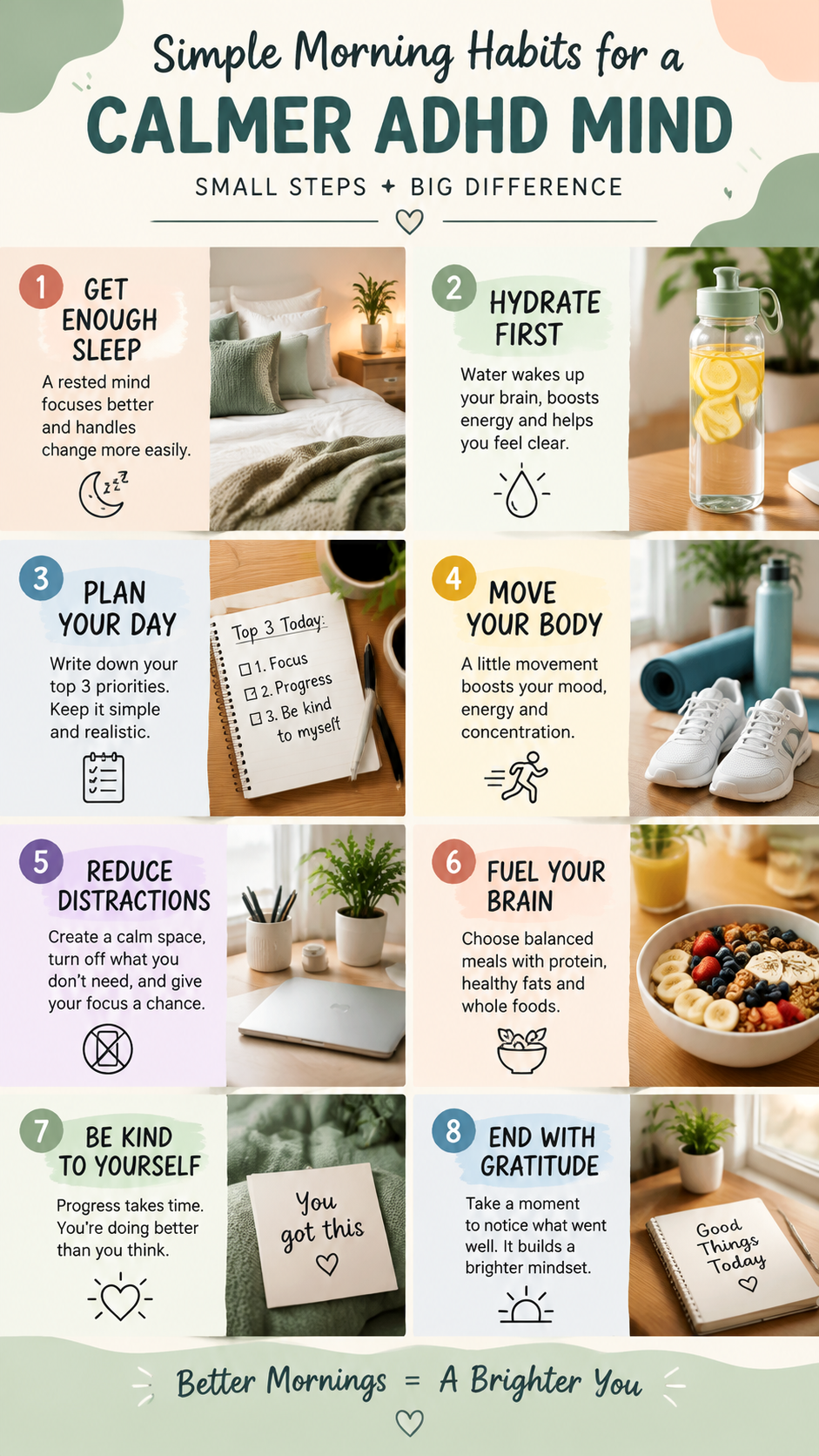
ADHD Morning Organizer Planner Ideas for Easier, Stress-Free Routines
Starting the day can feel overwhelming when your brain is juggling too many tasks, decisions, and reminders at once. For people with ADHD, mornings often become a race against forgotten items, misplaced essentials, unfinished plans, and decision fatigue. The good news is that small environmental changes and simple organization systems can make mornings feel calmer and more predictable.
An ADHD-friendly morning routine is not about creating a perfect schedule or adding more complicated steps. It is about designing a system that works with the way your brain naturally processes information. Visual reminders, accessible storage, prepared choices, and clear routines can reduce stress and make it easier to move from waking up to starting the day with confidence.
Key Takeaways
- Visible systems work better than relying only on memory.
- Simple drop zones help keep daily essentials easy to find.
- Preparing choices ahead of time reduces morning decision fatigue.
- Open storage and visual organization make important items easier to notice.
- ADHD planners and habit systems can create more consistent routines.
Why ADHD Mornings Often Feel More Difficult
Many traditional organization methods depend heavily on memory, delayed rewards, and consistent attention. These approaches may not always support an ADHD brain, especially during busy mornings when executive functions are still warming up.
Forgetting where keys were placed, missing appointments, searching for a wallet, or feeling overwhelmed by too many choices are common challenges. The problem is often not a lack of effort. The challenge is that important information is hidden, unclear, or competing with too many distractions.
Important: The most effective ADHD organization systems reduce the number of things you have to remember. Instead of expecting your brain to store every detail, create visual and physical cues that remind you automatically.
A successful morning routine creates fewer obstacles between intention and action. When your environment supports your goals, everyday tasks become easier to start and complete.
Replace Memory-Based Systems With Visual Reminders
One of the biggest lessons from ADHD-friendly organization is that out of sight often means out of mind. Items hidden inside drawers, cabinets, or closed planners are easier to forget.
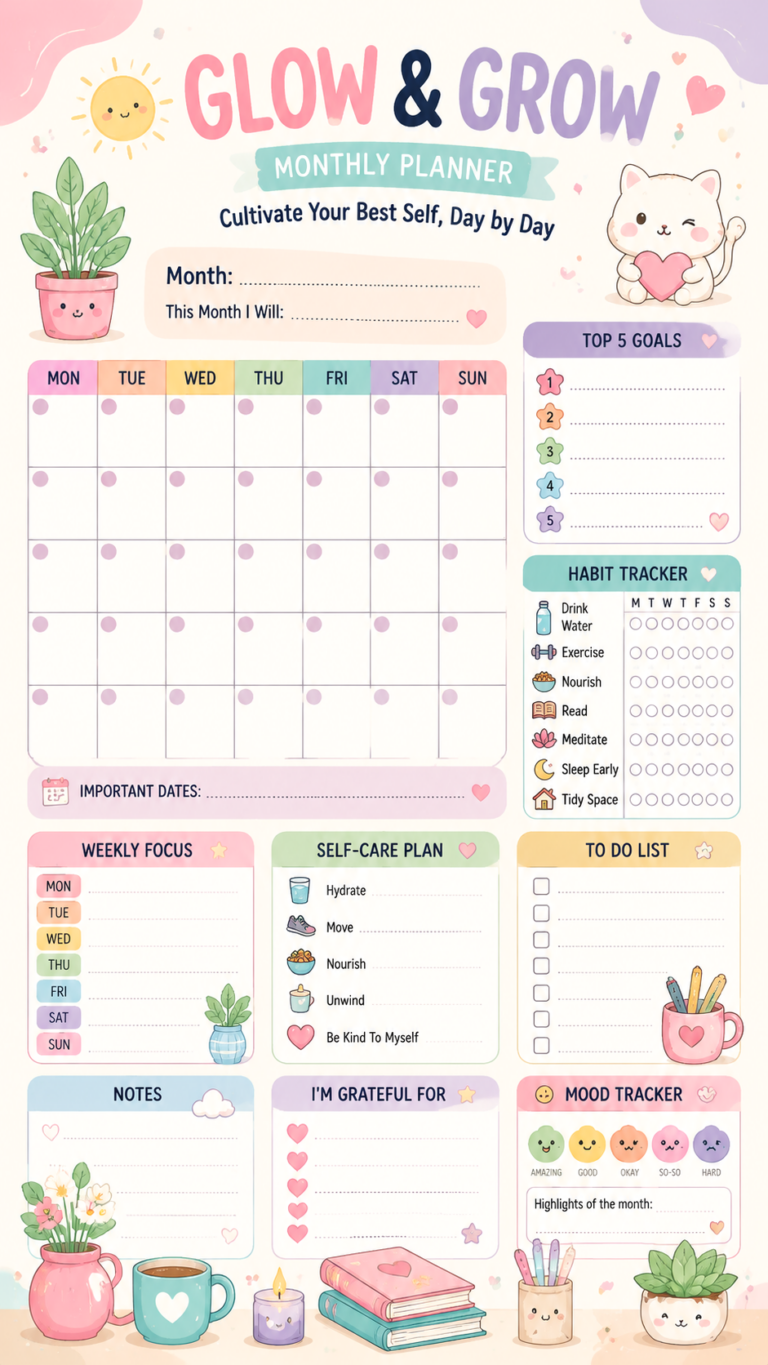
Visual reminders create immediate connections between what you see and what you need to do. A wall calendar, habit tracker, checklist, or visible planner can help keep important tasks in your awareness without requiring constant mental effort.
Ideas for Creating Better Visual Systems
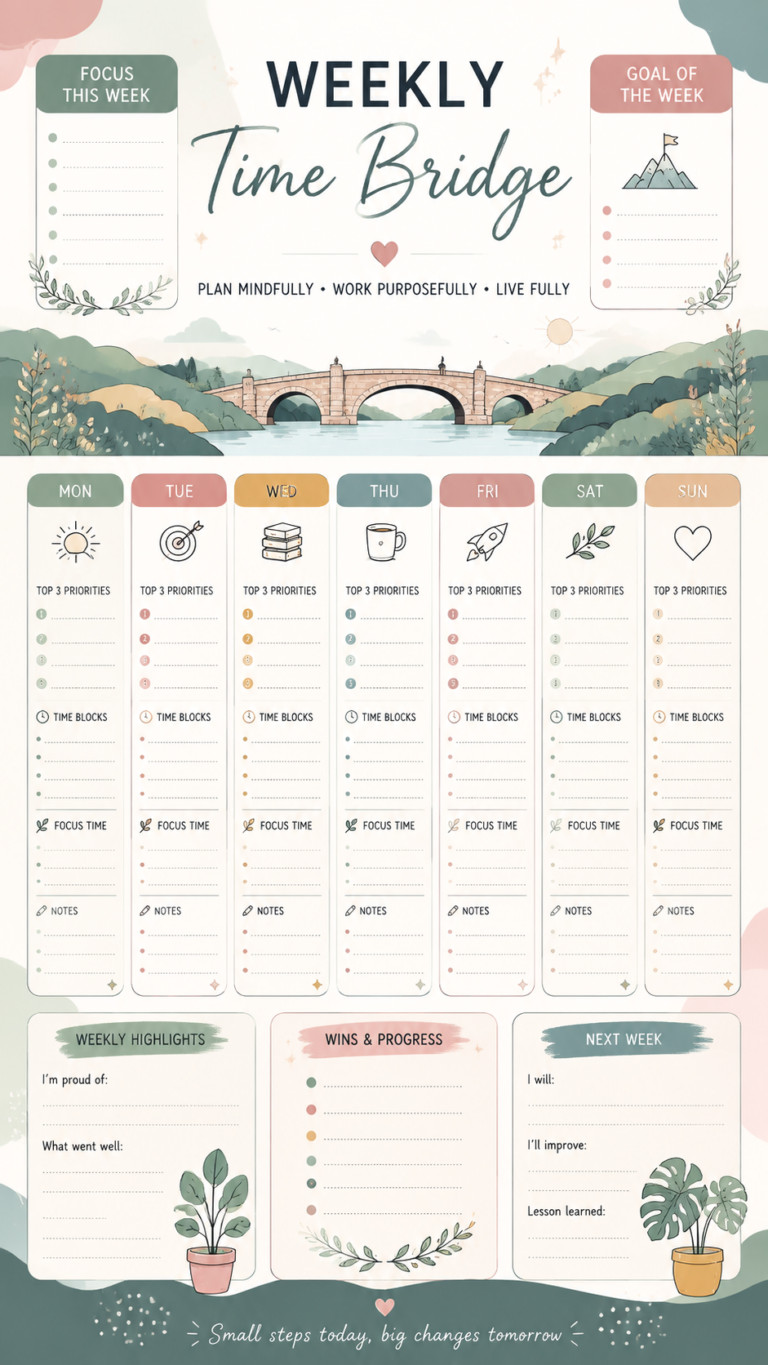
- Place a weekly planner somewhere you naturally look every day.
- Use sticky notes for short reminders that need immediate attention.
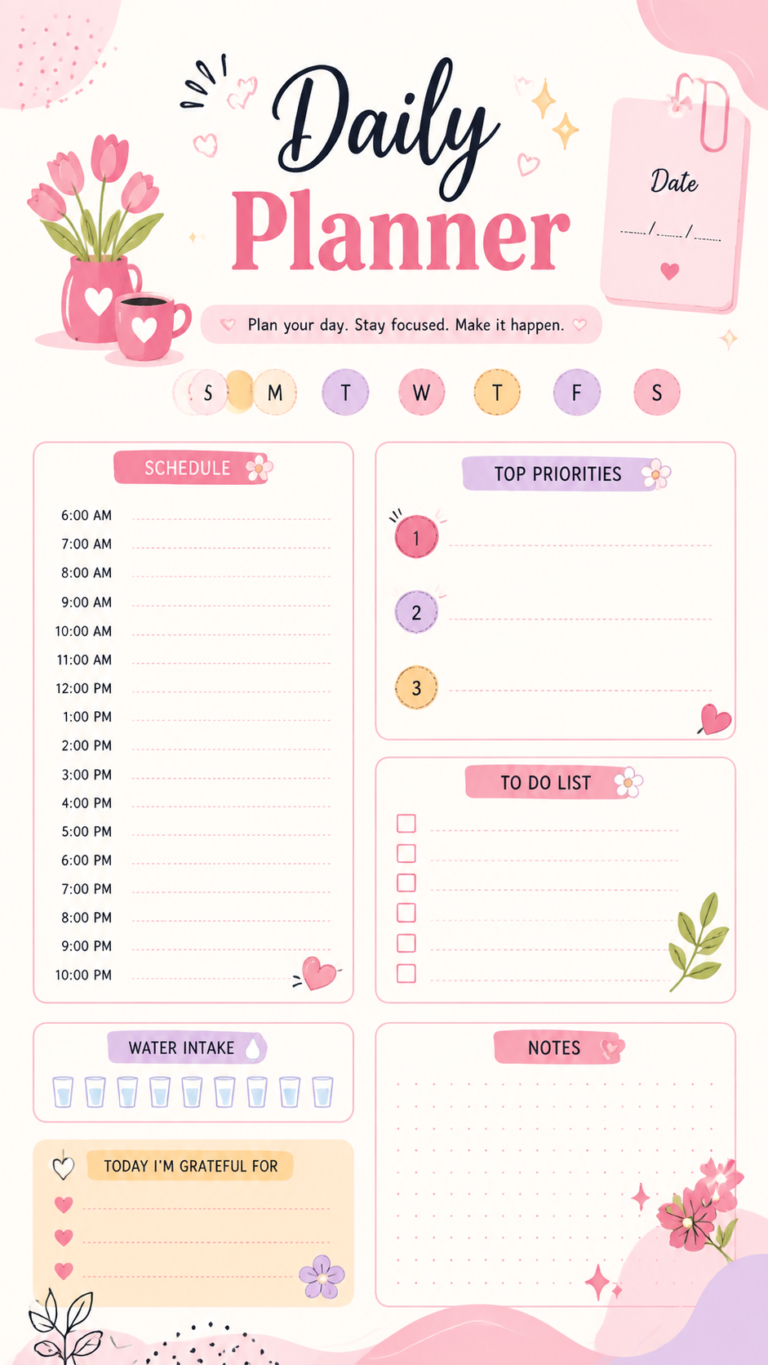
- Create a morning checklist with simple, repeatable steps.
- Use habit trackers to make progress visible.
- Choose organization tools that are easy to access and update.
The goal is not to cover every surface with reminders. Too many visual cues can become background noise. Choose a few important systems that provide support without creating extra clutter.
Create Drop Zones for Everyday Essentials
A drop zone is a dedicated place where frequently used items belong. Instead of placing keys, sunglasses, wallets, headphones, or bags in random locations, you create one reliable home for them.
This small change can remove one of the most frustrating parts of an ADHD morning: searching for things you need before leaving the house.
How to Build an ADHD-Friendly Drop Zone
- Choose a location near your entrance or morning routine area.
- Add a tray, basket, hook, or small container.
- Keep only daily essentials in this space.
- Return items immediately after use.
Pro Tip: The best organization system is the one that requires the least energy. If putting something away takes several steps, it is less likely to happen consistently.
Use Open Storage Instead of Hidden Storage
Traditional storage often focuses on making spaces look neat by hiding everything away. While this can create a clean appearance, it may make important items harder to remember.
Open baskets, labeled containers, and visible shelves provide gentle reminders about what is available and where things belong. They are especially helpful for items used frequently in the morning.
Examples of Helpful Open Organization
- A basket for daily bags and accessories.
- A container for chargers and electronics.
- A visible spot for medication reminders or wellness items.
- A morning station with coffee, planners, and essentials.
Why This Matters
ADHD-friendly organization focuses on reducing friction. A good system makes the right action easier by keeping important information visible, accessible, and simple.
- Less searching means more time for important tasks.
- Clear spaces reduce mental overload.
- Simple routines improve consistency.
Prepare Outfits and Choices the Night Before
Mornings often become stressful because of small decisions. Choosing clothing, deciding what to pack, and figuring out priorities can quickly drain mental energy.
Preparing these choices ahead of time creates a smoother transition into the day. A prepared outfit, packed bag, or simple morning plan can remove unnecessary decisions before they happen.
Simple Evening Preparation Habits
- Choose tomorrow’s outfit before going to sleep.
- Place your bag and essentials near the exit.
- Review your calendar briefly.
- Write down the top priorities for the next day.
These small habits create a feeling of control and reduce the number of decisions waiting for you when the morning begins.
Avoid Decision Fatigue With Simple Systems
Too many choices can make even simple tasks feel exhausting. An overflowing closet, complicated planner, or unclear routine can create unnecessary stress.
ADHD-friendly planning works best when systems are predictable. Repeating the same process each day reduces the amount of energy needed to get started.
Ways to Simplify Your Morning Routine
- Create a short checklist instead of a long task list.
- Limit choices for daily essentials.
- Use routines that follow the same order each morning.
- Keep frequently used items together.
Build a Morning Routine That Works With Your Brain
The best ADHD morning routine is personal. What works for one person may not work for another. The goal is to experiment with systems that make daily life easier, not to create a strict schedule that feels impossible to maintain.
Start with one small improvement. Add a visible planner, create a drop zone, or prepare tomorrow’s outfit. Once one habit feels natural, build from there.
Important: Organization is not about controlling every moment of your day. It is about creating supportive systems that give your attention, energy, and creativity more room to work.
At a Glance: ADHD Morning Organization Tips
Quick Points
- Make important items visible.
- Create easy storage zones.
- Prepare decisions before busy mornings.
- Use planners and trackers as external support.
Conclusion: Create Easier ADHD Mornings Through Better Systems
ADHD-friendly mornings do not require complicated strategies. The biggest improvements often come from simple changes that make daily tasks easier to see, start, and complete.
By replacing memory-based habits with visual reminders, creating dedicated spaces for essentials, preparing choices ahead of time, and building realistic routines, you can create mornings that feel more organized and less overwhelming.
A supportive environment can make a meaningful difference. Start with one small system today and continue building a routine that helps your mornings feel calmer, clearer, and more manageable.
Tags
ADHD Organization
ADHD Planner
Morning Routine
Home Organization
Productivity Tips
Executive Function
Daily Planning