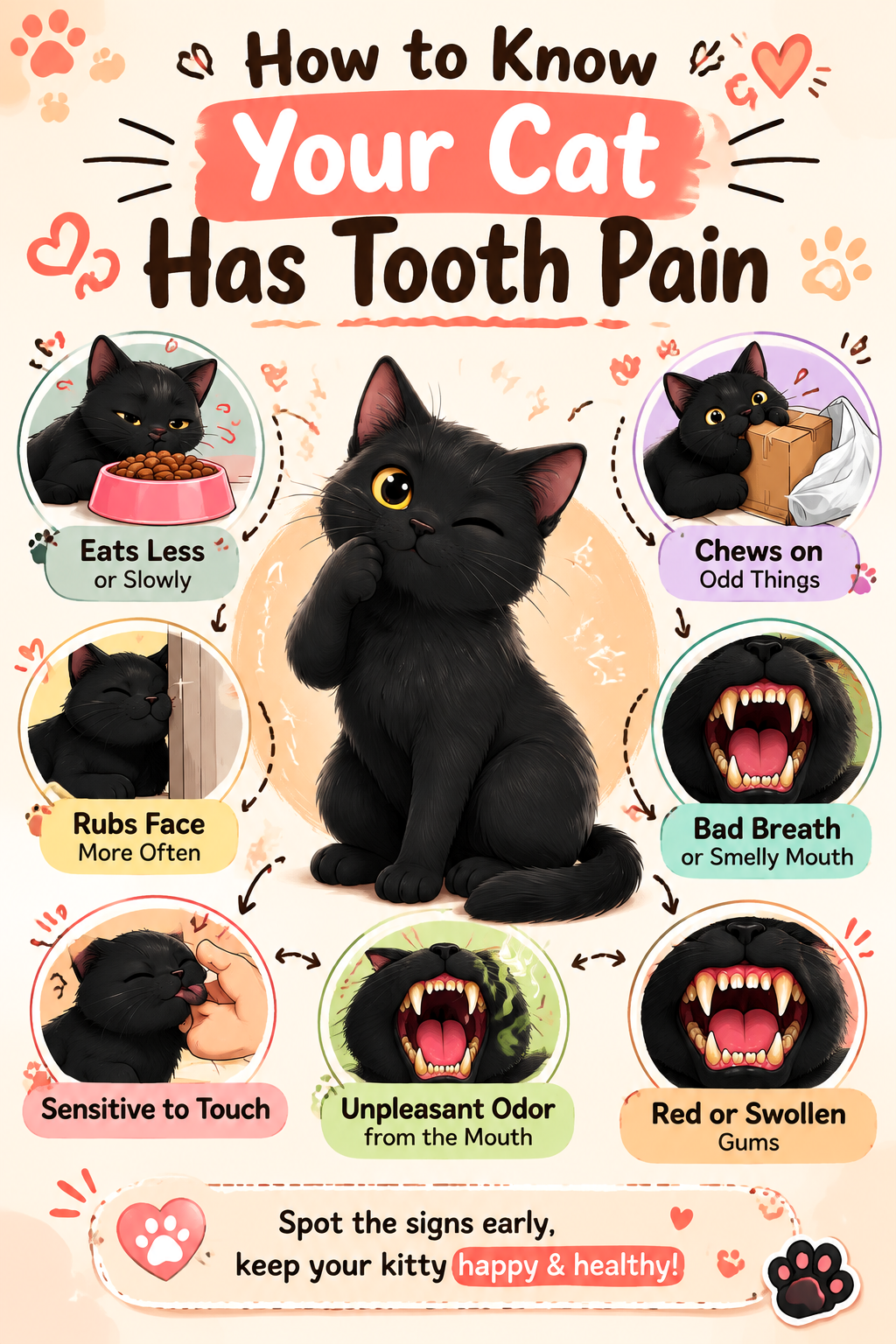
Cat Dental Health Tips Signs Your Cat Has Tooth Problems Care Guide
Caring for a cat means paying attention to the small changes that can reveal bigger health concerns. Dental problems are one of the most common issues many cat owners overlook because cats often hide discomfort until the problem becomes serious. Understanding the warning signs of cat tooth pain can help you provide better care, improve your pet’s comfort, and support long-term feline health.
The signs of dental discomfort may appear in everyday behaviors such as eating differently, chewing slowly, avoiding certain foods, or showing changes in grooming habits. By learning what to watch for, cat owners can take action early and create a healthier routine for their furry companions.
Key Takeaways
- Slow eating and unusual chewing habits can be signs of cat dental discomfort.
- Bad breath, tooth discoloration, and visible buildup may indicate oral health concerns.
- Regular dental care helps support your cat’s overall wellness.
- Behavior changes can be important clues that your cat needs attention.
- Early awareness can make dental care easier and less stressful.
How to Recognize Signs of Tooth Pain in Cats
Cats are experts at hiding discomfort, which makes recognizing subtle changes extremely important. A cat with dental problems may not always show obvious pain. Instead, owners may notice small differences in eating patterns, mood, or daily habits.
Common signs that your cat may have tooth issues include chewing more carefully, dropping food, preferring soft foods, or taking longer to finish meals. Some cats may also become less interested in toys that require biting or chewing.
Important: A change in your cat’s normal routine is often the first clue that something is wrong. Even small behaviors, such as eating more slowly or avoiding hard food, deserve attention when they continue over time.
Eating and Chewing Changes
One of the easiest signs for owners to notice is a change during mealtime. Cats experiencing tooth sensitivity or mouth discomfort may:
- Chew more slowly than usual.
- Drop pieces of food while eating.
- Choose one side of the mouth for chewing.
- Avoid crunchy food or treats.
- Show less excitement during feeding time.
These behaviors do not always mean a serious dental issue, but they are worth monitoring. Cats depend on their mouths for eating, grooming, and interacting with their environment, so keeping their teeth healthy is an important part of responsible pet care.
Visible Dental Problems Cat Owners Should Know
The mouth can reveal several clues about your cat’s dental condition. Regularly checking your cat’s teeth can help you notice changes before they become major concerns.
Bad Breath and Plaque Buildup
A mild smell from a cat’s mouth can happen, but strong or unpleasant breath may be a sign that oral care is needed. Plaque and buildup around the teeth can create an environment where bacteria grow and affect gum health.
Regular observation of your cat’s mouth can help you notice:
- Yellow or brown buildup on teeth.
- Red or irritated gums.
- Changes in tooth color.
- Unusual mouth sensitivity.
Why Cats May Hide Dental Discomfort
Cats naturally avoid showing weakness. In the wild, hiding signs of illness helps them protect themselves, and this instinct remains even in indoor pets. Because of this, a cat may continue normal activities while quietly dealing with mouth discomfort.
Simple Cat Dental Care Habits at Home
Supporting your cat’s dental health does not have to be complicated. Small, consistent habits can make oral care a natural part of your pet’s routine.
Create a Comfortable Dental Routine
Start slowly and make dental care a positive experience. Cats respond well to patience, rewards, and gentle handling. Avoid forcing your cat into unfamiliar routines, as this can create stress and resistance.
- Choose a calm time when your cat is relaxed.
- Allow your cat to become comfortable with mouth handling.
- Use cat-friendly dental products designed for pets.
- Reward calm behavior to build positive associations.
Support Overall Cat Wellness
Dental health is connected to your cat’s overall quality of life. A healthy mouth helps your pet eat comfortably, maintain normal grooming habits, and enjoy daily activities.
Along with dental care, provide a balanced diet, regular playtime, fresh water, and routine health monitoring. These simple steps contribute to a happier and healthier cat.
When to Pay Extra Attention to Your Cat’s Teeth
Every cat is different, but sudden changes should always be taken seriously. If your cat stops eating, shows clear discomfort, or has noticeable mouth changes, it may be time to seek professional advice.
Behavior Signs That Should Not Be Ignored
- Less interest in food or treats.
- Increased drooling.
- Pawing at the mouth.
- Changes in mood or activity level.
- Avoiding interaction or play.
Expert Insight
Healthy cat care is built through observation. Knowing your pet’s normal habits makes it easier to recognize when something changes. Small signs often provide valuable information about your cat’s comfort and wellbeing.
Building Better Pet Care Habits
Taking care of a cat involves more than feeding and playing. Regular attention to grooming, behavior, nutrition, and dental health helps create a strong foundation for a long and comfortable life.
Cat owners who stay aware of changes can respond faster and provide better support. Whether it is noticing slower chewing, checking for plaque, or creating a gentle dental routine, every small action matters.
At a Glance
- Watch for changes in eating habits.
- Check your cat’s teeth regularly.
- Keep dental care gentle and consistent.
- Pay attention to unusual behavior.
Conclusion: Keep Your Cat Smiling and Comfortable
Healthy teeth are an important part of your cat’s happiness and daily comfort. By recognizing early signs of dental problems and creating simple care habits, you can help protect your furry friend’s wellbeing.
From noticing slower eating to paying attention to breath changes and visible buildup, small observations can make a big difference. A caring owner who understands feline health can provide better support and help their cat enjoy a healthier life.
Tags
Cat Care
Cat Health
Pet Care Tips
Feline Wellness
Cat Dental Care
Healthy Cats