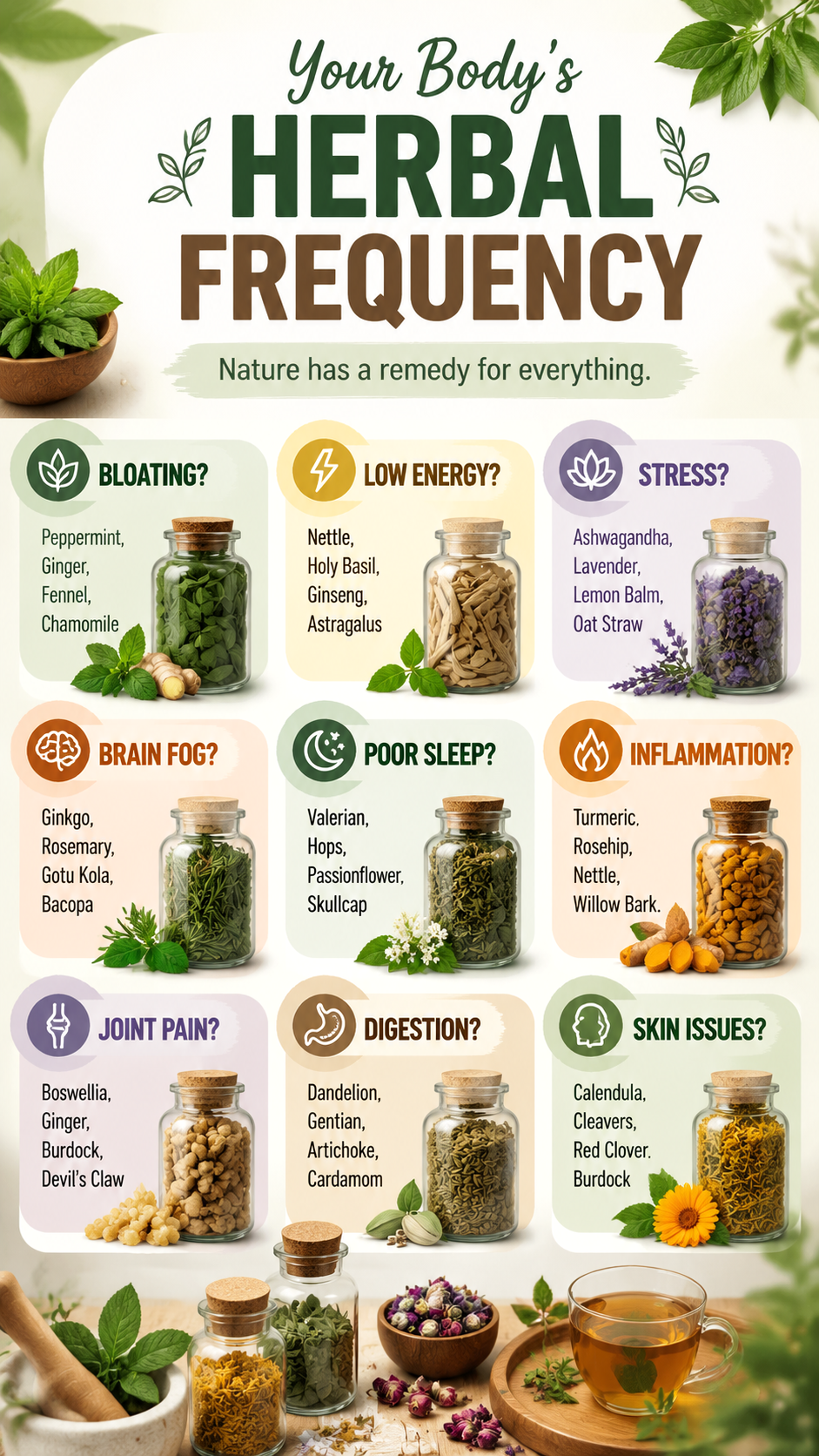
Herbal Remedies Guide Natural Herbs for Digestion, Sleep, Stress Wellness
Herbal remedies have been used for generations as a natural way to support everyday wellness, balance, and self-care. From calming herbal teas to traditional plant-based practices, herbs continue to inspire people who want to build a more mindful approach to their health routines. A personalized herbal wellness journey begins with understanding how different plants are traditionally used and how they may complement your lifestyle.
The world of herbal medicine is filled with fascinating plants that are often associated with specific wellness goals. Whether you are exploring herbs for digestion support, relaxation, energy, sleep routines, skin care, or general balance, learning about these natural ingredients can help you make more informed choices.
Key Takeaways
- Different herbs have unique traditional uses in natural wellness practices.
- Herbal routines can be customized based on personal preferences and lifestyle needs.
- Popular herbs include peppermint, ginger, lavender, turmeric, rosemary, and chamomile.
- Consistency and mindful use are important parts of any wellness routine.
- Natural remedies work best when combined with healthy daily habits.
Understanding the Power of Herbal Wellness
Herbal wellness focuses on using plants and botanical ingredients as part of a balanced lifestyle. Many cultures around the world have traditionally relied on herbs for centuries, creating a deep connection between nature and daily care routines.
Modern interest in herbal remedies has grown because many people are looking for simple, natural ways to support their overall well-being. Herbs can be enjoyed through teas, infused oils, culinary recipes, supplements, or relaxing rituals that encourage mindfulness.
Important: Herbal remedies are best viewed as supportive wellness tools rather than replacements for professional medical care. Understanding each herb, using quality ingredients, and practicing moderation are essential parts of a safe approach.
Popular Herbs and Their Traditional Wellness Uses
Each herb has its own characteristics, flavor profile, and history of use. Exploring different plants can help you create a personal collection of herbs that matches your wellness interests.
Herbs Commonly Used for Digestion Support
Digestive wellness is one of the most popular areas where people explore herbal options. Plants such as peppermint, ginger, fennel, and chamomile are traditionally enjoyed as soothing herbal ingredients.
- Peppermint: Often used in herbal teas for its refreshing taste and calming qualities.
- Ginger: A warming root commonly included in traditional wellness practices.
- Fennel: Known for its naturally sweet flavor and traditional digestive use.
- Chamomile: Frequently enjoyed as a relaxing tea ingredient.
Herbs for Relaxation and Evening Routines
Many people use calming herbs as part of nighttime rituals designed to encourage relaxation. Lavender, lemon balm, valerian, passionflower, and oat straw are commonly associated with peaceful herbal routines.
Creating a Calming Herbal Ritual
A simple herbal routine does not need to be complicated. Preparing a warm cup of herbal tea, enjoying the aroma of dried plants, or creating a quiet moment before bedtime can become a meaningful self-care habit.
Herbs Traditionally Associated With Energy and Focus
Some herbs are traditionally appreciated for their connection to vitality and mental clarity. Ingredients such as ginseng, nettle, rosemary, gotu kola, and bacopa are often explored by people interested in natural wellness approaches.
These herbs are commonly included in wellness routines that focus on maintaining energy, concentration, and daily balance.
Exploring Herbs for Skin and Beauty Routines
Plant-based beauty traditions often include herbs that are valued for their soothing and nourishing qualities. Calendula, cleavers, red clover, and burdock are examples of botanical ingredients commonly discussed in natural skin care conversations.
Many people enjoy incorporating herbs into their beauty routines through gentle preparations such as herbal infusions, natural bath products, or plant-inspired skincare rituals.
Building a Natural Self-Care Routine
A herbal self-care routine can be as simple or creative as you want it to be. Start by learning about a few herbs, understanding their traditional uses, and choosing methods that feel enjoyable.
- Choose herbs that match your personal wellness interests.
- Research proper preparation methods and quality sources.
- Introduce one new herbal practice at a time.
- Pay attention to how your routine fits into your daily life.
How to Start Your Own Herbal Collection
Creating a personal herbal collection can be a rewarding way to connect with nature. You do not need dozens of plants to begin. A few versatile herbs can provide many opportunities for teas, cooking, and wellness rituals.
Beginner-Friendly Herbs to Explore
- Chamomile for relaxing tea rituals
- Ginger for warming beverages and recipes
- Peppermint for refreshing herbal blends
- Lavender for calming aromas
- Rosemary for cooking and traditional wellness use
- Turmeric for culinary and botanical interest
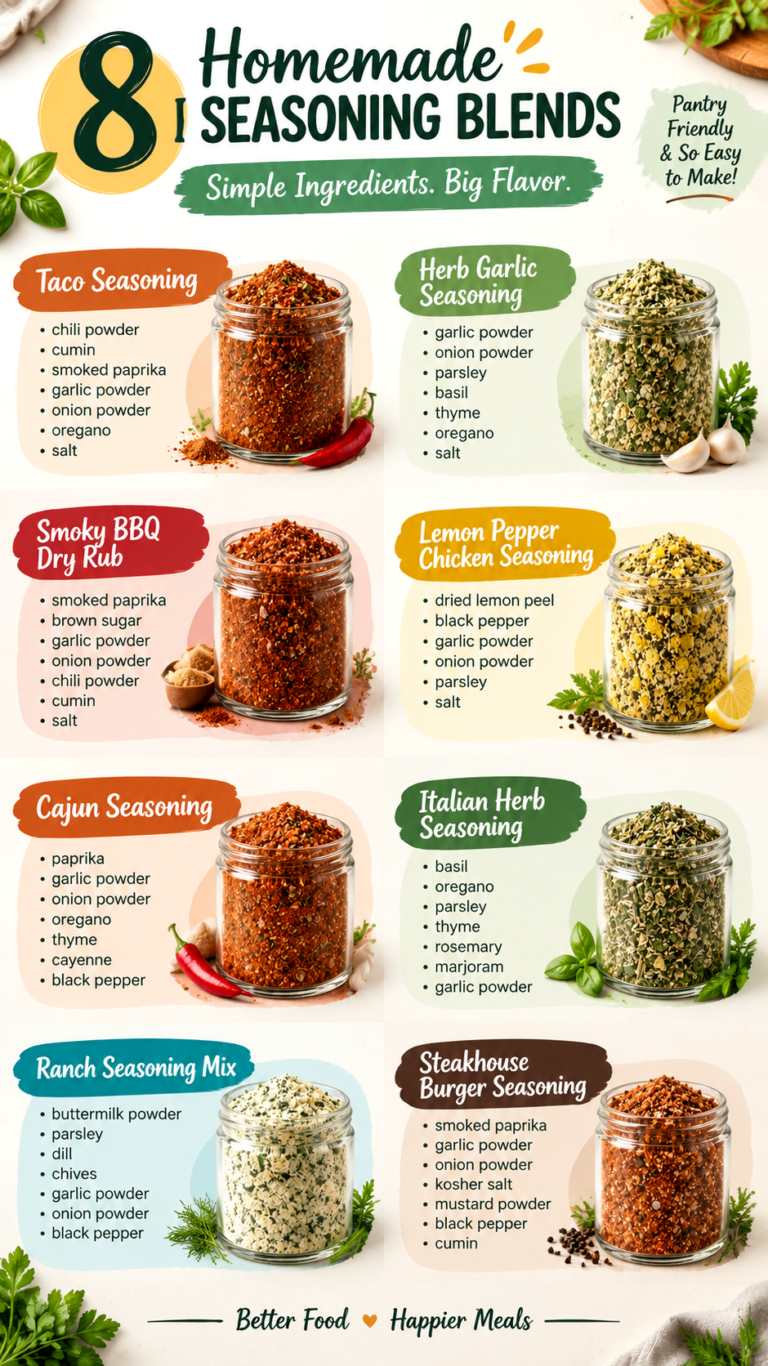
Store dried herbs in cool, dry places and label containers clearly. Keeping your collection organized makes it easier to enjoy herbs regularly and safely.
Important Considerations Before Using Herbal Remedies
Although herbs are natural, they are still active botanical substances. Personal health situations, allergies, medications, and individual needs should always be considered before adding new herbal products to your routine.
Learning from reliable sources and using herbs responsibly helps create a more positive experience. Natural wellness is about balance, awareness, and making choices that support your overall lifestyle.
At a Glance: Herbal Wellness Basics
Quick Points
- Explore herbs that match your wellness goals.
- Create simple daily rituals using natural ingredients.
- Choose quality herbs and learn proper preparation.
- Combine herbal practices with healthy habits.
Conclusion: Embrace a Natural Herbal Lifestyle
Herbal wellness offers a beautiful opportunity to reconnect with traditional plant knowledge and create meaningful self-care habits. From calming evening teas to energizing morning rituals, herbs can bring a natural touch to everyday routines.
The journey does not have to be complicated. Start with curiosity, explore different plants, and discover the herbal practices that feel right for your lifestyle. With patience and mindful choices, natural herbs can become a valuable part of your personal wellness journey.
Tags
Herbal Remedies
Natural Wellness
Plant Based Living
Herbal Medicine
Holistic Health
Natural Self Care