How to Clean Your Kitchen Easy Kitchen Cleaning Tips, Checklist Organization Guide
A clean kitchen is more than just a visually appealing space. It is the heart of a healthy home, a place where meals are prepared, families gather, and daily routines begin and end. Keeping your kitchen clean does not have to feel overwhelming. With a simple system, the right cleaning essentials, and a few smart habits, you can maintain a fresh, organized, and inviting space every day.
Whether you are tackling a quick daily tidy-up or planning a deep cleaning session, having a step-by-step approach makes the process easier and more effective. This guide covers practical kitchen cleaning tips, organization strategies, natural cleaning ideas, and maintenance routines that help keep your kitchen sparkling without spending hours scrubbing.
Key Takeaways
- Start with decluttering before cleaning any surfaces.
- Work from top to bottom to avoid re-cleaning areas.
- Use daily maintenance habits to prevent major messes.
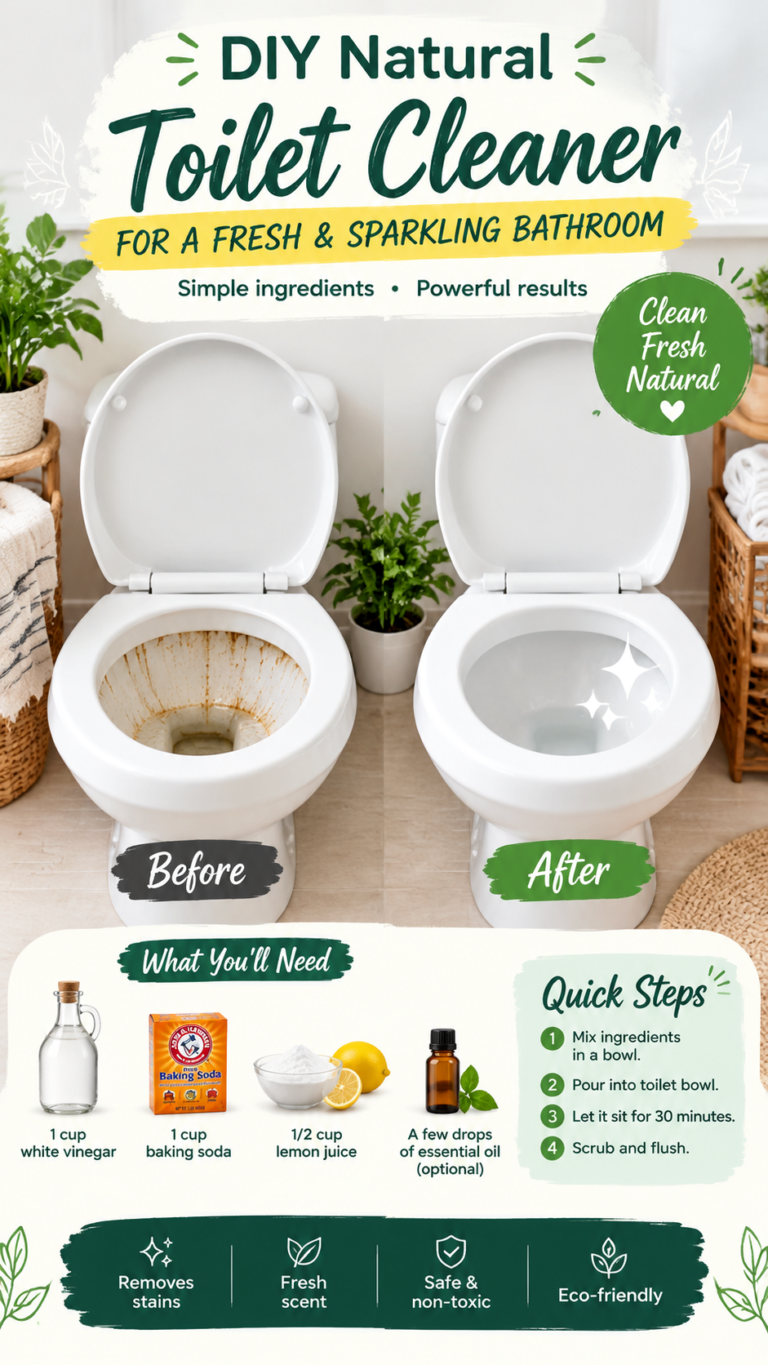
- Natural cleaners like baking soda and vinegar can be highly effective.
- Focus on high-touch areas such as handles, switches, and sinks.
- Create a weekly deep-cleaning checklist for long-term cleanliness.
Why a Clean Kitchen Matters
The kitchen is one of the busiest areas in any home. Food preparation, cooking, dining, and storage all happen in this space, making it particularly vulnerable to spills, crumbs, grease, and bacteria buildup.
Maintaining cleanliness helps improve food safety, reduces unpleasant odors, and creates a more enjoyable cooking environment. It can also make meal preparation faster since everything is easier to find and access in an organized kitchen.
Important: Consistent cleaning is often more effective than occasional deep cleaning marathons. Small daily efforts prevent dirt, grease, and clutter from accumulating into bigger problems.
The Step-by-Step Kitchen Cleaning Process
A structured cleaning routine helps ensure that every area receives attention while minimizing wasted effort.
1. Declutter First
Before reaching for cleaning products, remove unnecessary items from countertops and work surfaces. Put away groceries, dishes, mail, and any items that do not belong in the kitchen.
- Clear countertops completely.
- Dispose of trash and recyclables.
- Return misplaced items to their proper locations.
- Organize frequently used cooking tools.
Decluttering creates a clear workspace and allows you to clean more efficiently.
2. Wash the Dishes
Dirty dishes can make even a clean kitchen look messy. Start by washing dishes by hand or loading them into the dishwasher.
Empty the sink before moving on to other cleaning tasks. This creates a cleaner appearance instantly and gives you access to the sink area for a deeper clean later.
3. Wipe Surfaces from Top to Bottom
Always work from higher surfaces downward. Dust, crumbs, and debris naturally fall as you clean.
- Upper cabinets
- Shelves
- Countertops
- Appliance exteriors
- Light switches
- Drawer handles
Using a microfiber cloth with a gentle cleaning solution helps remove dirt without scratching surfaces.
4. Clean the Stove and Backsplash
The stove is often the greasiest area in the kitchen. Food splatters and cooking oils can accumulate quickly.
Apply a suitable degreaser or a natural solution made from baking soda and warm water. Allow the cleaner to sit for several minutes before wiping.
Do not forget the backsplash. Grease and steam often leave residue behind that can dull the appearance of the kitchen over time.
5. Scrub the Sink
The sink works hard every day and deserves regular attention.
After washing dishes, scrub the basin, faucet, and drain. Rinse thoroughly and dry with a clean cloth to reduce water spots and create a polished finish.
Many homeowners overlook the sink because it is associated with cleaning. Ironically, it is one of the areas that can benefit most from regular scrubbing.
6. Finish with the Floor
Cleaning the floor should always be the final step.
- Sweep crumbs and debris.
- Vacuum corners and under cabinets.
- Mop using an appropriate floor cleaner.
- Allow the floor to dry completely.
This ensures all dirt collected during previous cleaning tasks is removed effectively.
Why This Matters
- Following a consistent order prevents duplicate work.
- Top-to-bottom cleaning improves efficiency.
- A systematic routine saves time and reduces stress.
Essential Kitchen Cleaning Supplies
Having the right tools makes cleaning easier and more effective. Fortunately, you do not need dozens of specialty products.
Must-Have Cleaning Essentials
- Dish soap
- All-purpose cleaner
- Microfiber cloths
- Sponges
- Scrub brushes
- Degreaser
- Rubber gloves
- Spray bottles
Quality microfiber cloths are especially valuable because they trap dirt effectively while reducing streaks on surfaces.
Pro Tip: Keep separate cloths for countertops, dishes, and appliances. This helps prevent cross-contamination and improves overall hygiene.
Natural Kitchen Cleaning Solutions
Many effective cleaning solutions can be made using ingredients already found in most homes. Natural options are affordable, versatile, and suitable for a variety of cleaning tasks.
Baking Soda
Baking soda is one of the most useful natural cleaning products available.
- Removes stubborn stains
- Scrubs sinks safely
- Helps eliminate odors
- Cleans stovetops effectively
Create a paste with water for tougher cleaning jobs.
White Vinegar
White vinegar is excellent for cutting through grease and removing mineral buildup.
- Shines glass surfaces
- Freshens drains
- Removes water spots
- Cleans countertops
Mix equal parts vinegar and water in a spray bottle for a simple all-purpose cleaner.
Lemon
Lemon offers natural cleaning benefits while leaving a fresh scent.
- Helps dissolve grease
- Reduces odors
- Adds natural freshness
- Brightens surfaces
It can be particularly useful for cutting boards and stainless steel fixtures.
Daily Habits for a Cleaner Kitchen
One of the best ways to maintain a clean kitchen is by adopting small daily habits. These quick tasks require minimal effort but deliver significant results.
Wash Dishes Immediately
Allowing dishes to pile up creates visual clutter and makes cleaning feel overwhelming. Washing dishes after meals keeps the kitchen manageable.
Wipe Counters Daily
A quick wipe of countertops removes crumbs, spills, and bacteria before they become stubborn messes.
Sweep High-Traffic Areas
Kitchen floors collect crumbs quickly. A two-minute sweep each day helps maintain a clean appearance.
Put Everything Back
Returning items to their designated locations prevents clutter from accumulating.
Important: Daily maintenance often takes less than ten minutes. These small efforts dramatically reduce the need for extensive cleaning sessions later.
Weekly Deep Cleaning Checklist
While daily habits keep the kitchen tidy, certain tasks benefit from weekly attention.
- Clean inside the microwave.
- Deep clean the oven and stovetop.
- Wipe cabinet doors.
- Clean refrigerator shelves.
- Sanitize the backsplash.
- Wash the range hood filter.
- Wipe baseboards.
- Disinfect the trash can.
- Mop floors thoroughly.
Scheduling these tasks throughout the week can make deep cleaning more manageable.
Kitchen Organization Tips That Support Cleanliness
Organization and cleanliness go hand in hand. A well-organized kitchen is easier to clean because every item has a designated place.
Keep Counters Minimal
Limit countertop items to essentials. Fewer objects mean fewer surfaces to clean.
Use Storage Baskets
Baskets help group similar items together and reduce visual clutter.
Create Cleaning Zones
Store cleaning products near areas where they are most frequently used. This encourages quick cleanups throughout the day.
Regularly Purge Unused Items
Review kitchen tools, containers, and pantry items periodically. Removing unnecessary items creates valuable storage space.
Common Kitchen Cleaning Mistakes to Avoid
Even motivated homeowners can make cleaning less effective by overlooking a few details.
- Cleaning floors before countertops.
- Ignoring cabinet handles and light switches.
- Using the same cloth on every surface.
- Allowing grease buildup to accumulate.
- Skipping appliance maintenance.
- Forgetting hidden areas such as refrigerator seals.
Awareness of these common mistakes can help improve cleaning results immediately.
At a Glance
- Declutter before cleaning.
- Work from top to bottom.
- Use natural cleaners when appropriate.
- Follow a daily 10-minute maintenance routine.
- Schedule weekly deep-cleaning tasks.
Conclusion
Keeping your kitchen clean does not require expensive products or endless hours of work. By following a simple step-by-step process, using effective cleaning essentials, and maintaining consistent daily habits, you can enjoy a kitchen that feels fresh, organized, and welcoming every day.
From decluttering countertops and scrubbing sinks to using natural cleaning solutions and following a weekly deep-clean checklist, every small effort contributes to a healthier and more enjoyable home. The secret is consistency. A few minutes each day can transform kitchen maintenance from a stressful chore into a manageable routine.
Tags
Kitchen Cleaning Kitchen Organization Cleaning Checklist Home Cleaning Tips Natural Cleaning Decluttering Healthy Home Deep Cleaning