How to Stop Overthinking 6 Proven Habits to Calm Anxiety and Find Peace Fast
Overthinking can feel like an endless mental loop. One thought leads to another, and before long, simple decisions become exhausting. Whether it is replaying past conversations, worrying about future outcomes, or analyzing every possible scenario, overthinking drains energy, increases stress, and makes it difficult to enjoy the present moment.
The good news is that breaking free from overthinking does not require complicated techniques or dramatic life changes. Small, intentional habits practiced consistently can create a calmer mind and a healthier relationship with your thoughts. By learning how to redirect mental energy and focus on what truly matters, you can reduce anxiety, improve decision-making, and feel more at peace each day.
Key Takeaways
- Overthinking often creates stress without solving problems.
- Writing thoughts down can reduce mental clutter.
- Setting decision deadlines prevents endless analysis.
- Focusing on controllable factors improves peace of mind.
- Reducing negative information overload supports mental wellness.
- Mindfulness and stillness help calm an active mind.
Understanding Why We Overthink
Overthinking is often rooted in a desire for certainty. The brain naturally wants to predict outcomes, avoid mistakes, and protect us from potential risks. While this instinct can be helpful, it can also become excessive.
When the mind constantly searches for perfect answers or complete certainty, it creates a cycle of worry. Instead of finding clarity, people become trapped in endless mental debates. Decisions feel heavier, confidence decreases, and stress levels rise.
Many people mistake overthinking for productivity. They assume that thinking more will automatically produce better solutions. In reality, excessive analysis often delays action and creates emotional exhaustion.
Important: The goal is not to stop thinking altogether. Healthy thinking helps solve problems. The objective is to prevent repetitive, unproductive thought patterns that create anxiety without leading to meaningful action.
Habit 1: Write It Down Before It Overwhelms You
One of the simplest ways to reduce overthinking is to transfer thoughts from your mind onto paper. Journaling creates distance between you and your worries.
When thoughts remain trapped in your head, they often feel larger and more urgent than they really are. Writing them down helps organize information and makes concerns easier to evaluate objectively.
How to Use Brain Dump Journaling
- Set aside five to ten minutes.
- Write every concern, worry, or task without editing.
- Avoid judging what you write.
- Review the list afterward and identify actionable items.
This process reduces mental clutter and creates a sense of relief. Instead of carrying dozens of thoughts simultaneously, you create an external system for managing them.
Habit 2: Give Yourself a Time Limit for Decisions
Many overthinkers struggle with decision-making. They analyze every possibility, compare endless options, and search for the perfect choice.
The problem is that perfection rarely exists. Most decisions involve uncertainty, and waiting for complete confidence can keep you stuck indefinitely.
The Two-Minute Decision Rule
For smaller decisions, give yourself a short deadline. Gather the necessary information, choose an option, and move forward.
For larger decisions, establish a realistic decision window. Once that deadline arrives, commit to a choice and focus on execution instead of continued analysis.
Action often creates clarity that thinking alone cannot provide.
Expert Insight
Confidence rarely appears before action. In many situations, confidence develops after making a decision and successfully navigating the outcome.
Habit 3: Focus on What You Can Control
A significant amount of overthinking comes from worrying about circumstances beyond our influence. People often spend hours mentally wrestling with situations they cannot change.
Learning to distinguish between controllable and uncontrollable factors is a powerful mental health skill.
Ask Two Simple Questions
- Can I directly influence this situation?
- What action can I take right now?
If something is within your control, focus on practical steps. If it is outside your control, practice releasing it instead of feeding the cycle of worry.
This shift helps conserve emotional energy and directs attention toward meaningful action.
Pro Tip: Every time you notice yourself worrying about something outside your control, redirect your focus toward one small action that is within your influence. Consistent practice can significantly reduce mental overwhelm.
Habit 4: Return to the Present Moment
Overthinking frequently involves dwelling on the past or worrying about the future. The mind drifts away from the present and becomes trapped in scenarios that are not actually happening.
Mindfulness helps interrupt this cycle by bringing awareness back to what is happening right now.
Simple Grounding Techniques
- Notice five things you can see.
- Focus on your breathing for one minute.
- Pay attention to physical sensations around you.
- Observe your environment without judgment.
These techniques may seem simple, but they are remarkably effective. They help anchor attention in reality instead of imagined scenarios.
Habit 5: Limit Your Consumption of Negative Information
The information we consume influences our mental state. Constant exposure to alarming headlines, stressful news cycles, and negativity can fuel anxiety and increase overthinking.
This does not mean avoiding important information entirely. It means creating healthy boundaries around consumption.
Creating Healthier Information Habits
- Set specific times for checking news updates.
- Avoid doomscrolling before bed.
- Balance negative content with positive or educational material.
- Take regular breaks from social media.
Reducing information overload creates more mental space for calm, clarity, and focus.
Important: Your nervous system needs periods of recovery. Constant exposure to stressful content can keep your brain in a heightened state of alertness, making it much harder to think clearly and relax.
Habit 6: Practice Daily Stillness
Modern life encourages constant stimulation. Notifications, conversations, entertainment, and responsibilities compete for attention throughout the day.
Without intentional moments of quiet, the mind rarely gets a chance to reset.
The Power of Five Minutes
Even five minutes of stillness can make a noticeable difference. This practice does not need to be complicated.
- Sit quietly and focus on breathing.
- Listen to calming sounds.
- Practice gentle meditation.
- Simply observe thoughts without engaging with them.
Over time, these moments help train the mind to become less reactive and more resilient.
Common Triggers That Fuel Overthinking
Recognizing triggers can help you intervene before overthinking takes over.
Perfectionism
People who set unrealistically high standards often spend excessive time analyzing every decision and outcome.
Fear of Failure
When failure feels unacceptable, the brain may continuously search for ways to eliminate risk completely.
Uncertainty
Many people struggle with situations that lack clear answers. Learning to tolerate uncertainty is essential for reducing mental stress.
Stress and Fatigue
Physical exhaustion often makes mental resilience weaker. Proper sleep, nutrition, and recovery can improve emotional regulation.
Building Long-Term Mental Resilience
Breaking the habit of overthinking is not about finding one perfect solution. It involves developing a collection of healthy practices that support emotional balance over time.
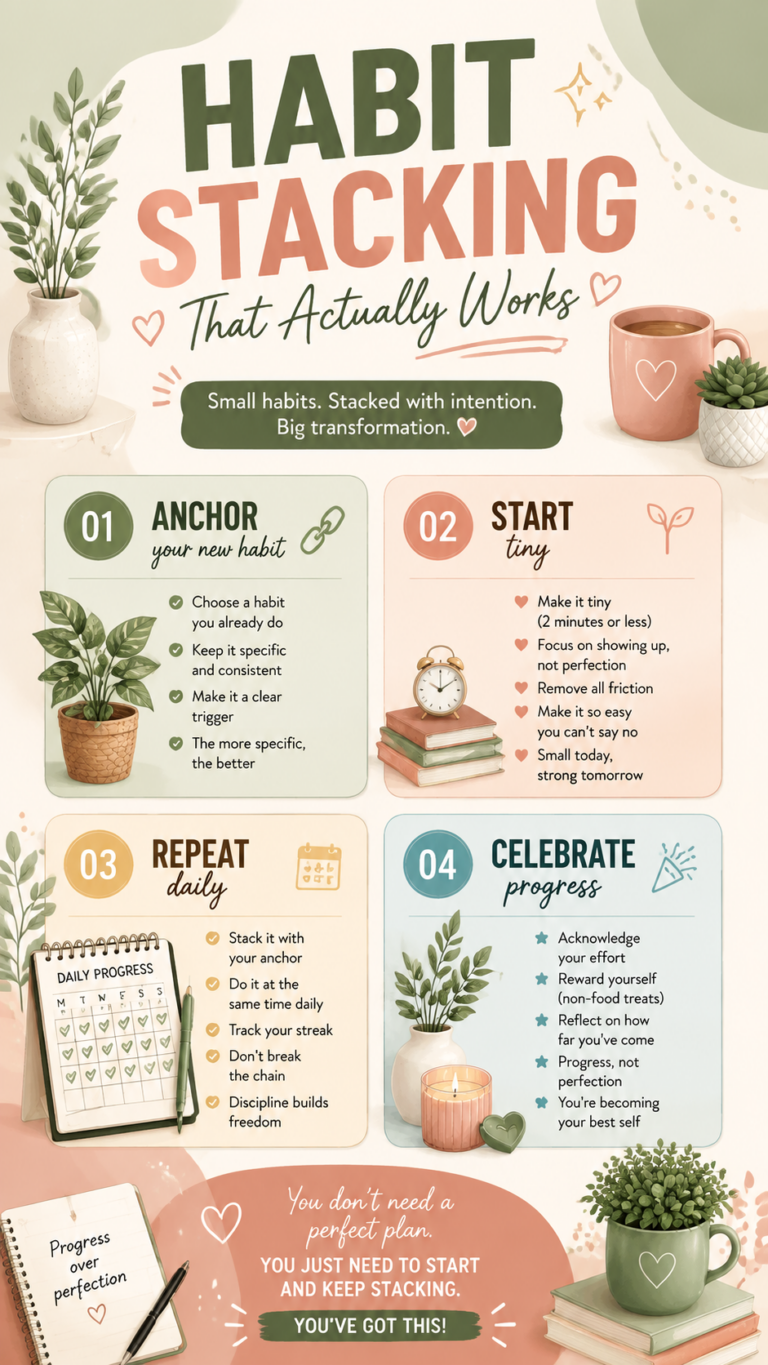
Consistency matters more than intensity. Small habits repeated daily often produce greater results than occasional dramatic efforts.
Focus on gradual improvement. Celebrate moments when you recognize an overthinking pattern and choose a healthier response. These small victories build confidence and reinforce positive change.
A Sustainable Approach
- Practice self-awareness daily.
- Develop healthy routines.
- Set realistic expectations.
- Prioritize recovery and rest.
- Take action instead of waiting for certainty.
At a Glance
- Write down worries to clear mental space.
- Set deadlines for decisions.
- Focus on controllable actions.
- Return attention to the present moment.
- Create daily periods of stillness.
Conclusion
Overthinking can make life feel heavier than it needs to be, but it does not have to control your days. By adopting simple habits such as journaling, setting decision limits, focusing on controllable factors, staying present, reducing negative information consumption, and practicing daily stillness, you can create a calmer and more balanced mindset.
The journey toward a quieter mind is not about eliminating thoughts. It is about learning how to respond to them more effectively. Every small step you take strengthens your ability to manage stress, improve focus, and experience greater peace of mind. Start with one habit today and build from there. The results may be more powerful than you expect.
Tags
Overthinking Mental Wellness Mindfulness Stress Management Anxiety Relief Personal Growth Healthy Habits Self Improvement