Low Cortisol Foods 12 Healthy Foods to Support Stress Balance Energy
Finding simple ways to support your body through everyday nutrition can make a meaningful difference in how you feel. Many people look for foods that may help promote steady energy, balanced moods, and a healthier response to daily stress. A balanced diet built around nutrient-rich ingredients is one of the foundations of overall wellness.
The concept of “low cortisol foods” has become popular among people interested in stress management, hormone balance, and mindful eating. While food alone cannot control stress hormones, choosing wholesome meals with quality proteins, healthy fats, vitamins, minerals, and fiber can support the body’s natural systems and help create a more balanced lifestyle.
Key Takeaways
- Whole foods can support energy levels and overall wellness.
- Protein-rich foods help create satisfying and balanced meals.
- Fruits and vegetables provide important nutrients for daily health.
- Healthy fats from foods like fish, nuts, and avocados support a balanced diet.
- Consistent eating habits, sleep, and stress management work together.
Understanding Low Cortisol Foods and Stress Support Nutrition
Cortisol is a hormone naturally produced by the body that plays an important role in energy regulation, metabolism, and the body’s response to challenges. It is part of a complex system that helps you adapt throughout the day. Supporting healthy habits around food, movement, sleep, and relaxation can help maintain overall balance.
The foods often associated with cortisol support are generally nutrient-dense options that fit into a healthy eating pattern. These include foods rich in protein, omega-3 fats, antioxidants, magnesium, vitamins, and fiber. The goal is not to search for one “magic” ingredient, but to create meals that nourish the body consistently.
Important: A balanced meal pattern is more valuable than focusing on a single food. Combining proteins, healthy fats, complex carbohydrates, and colorful produce can help support steady energy and a well-rounded approach to wellness.
Foods Featured for a Balanced Stress-Friendly Diet
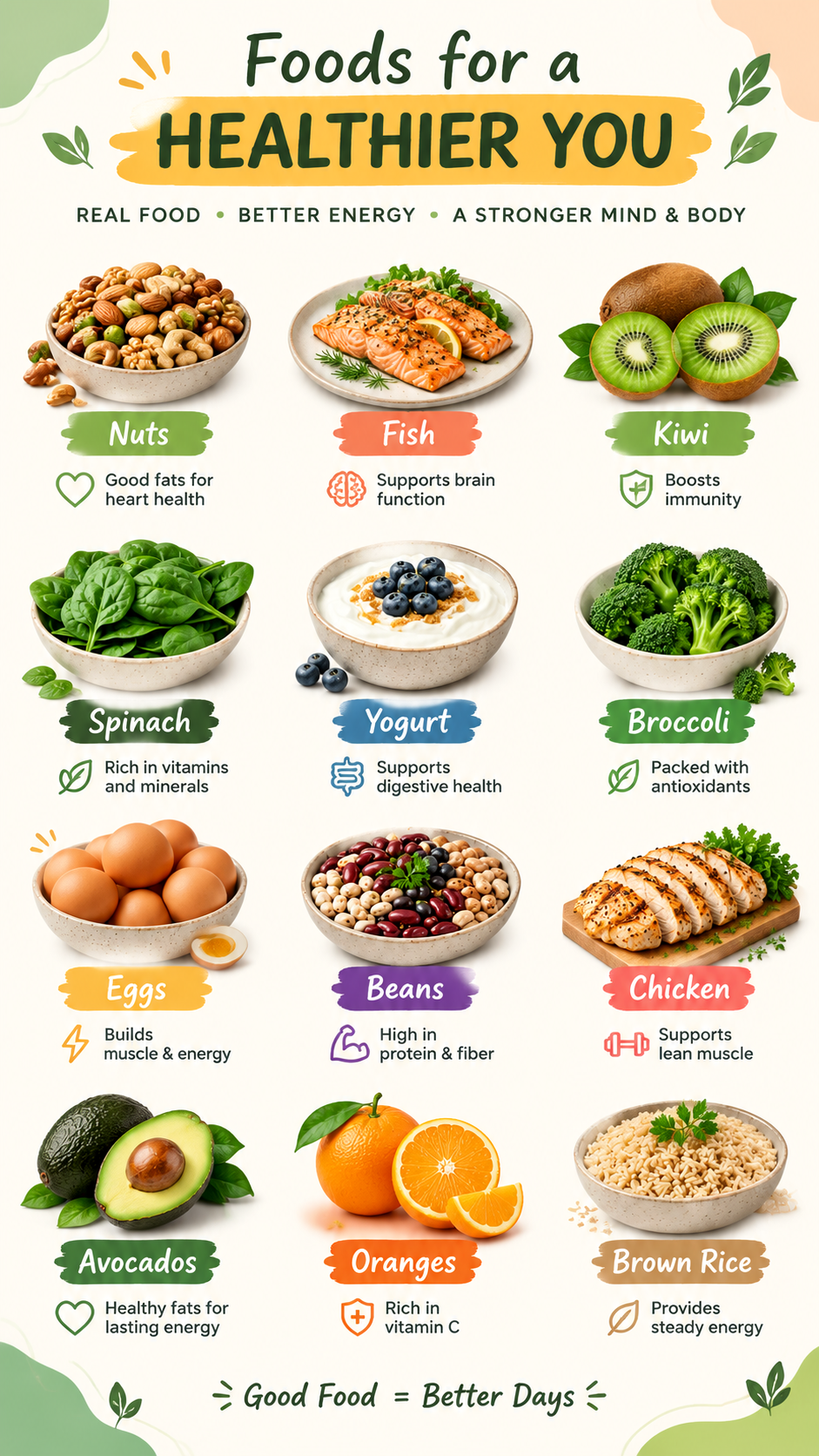
The foods commonly highlighted in stress-supportive nutrition are simple, accessible ingredients that can easily become part of everyday meals. The image showcases a variety of options, from seafood and vegetables to fruits, grains, and protein sources.
Salmon and Other Fatty Fish
Fish such as salmon is known for being a source of protein and healthy fats. Fatty fish contains omega-3 fatty acids, which are commonly included in heart-healthy eating patterns. Adding fish to meals can create a satisfying source of nutrition while supporting a varied diet.
Easy Meal Ideas
- Serve grilled salmon with vegetables and brown rice.
- Add herbs, lemon, or spices for extra flavor without heavy sauces.
- Include fish as part of a weekly rotation of protein sources.
Nuts and Healthy Fats
Nuts such as almonds, walnuts, and cashews are popular additions to balanced diets because they provide healthy fats, plant-based protein, and minerals. A small serving can add texture and nutrition to meals or snacks.
Avocados are another example of a nutrient-rich food containing healthy fats and fiber. They work well in salads, breakfast dishes, smoothies, or simple snacks.
Colorful Fruits for Daily Wellness
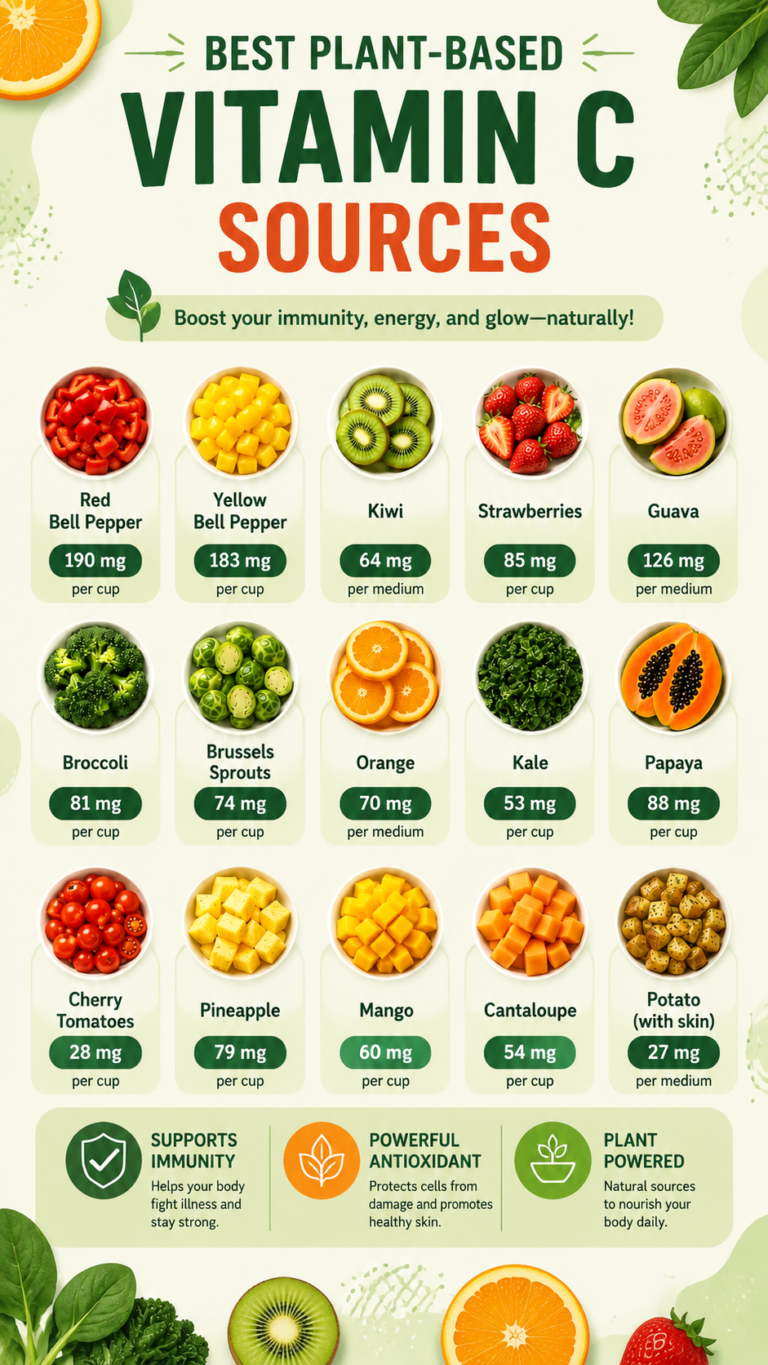
Fruits such as kiwi and oranges provide natural sweetness along with important nutrients. Their bright colors also represent a variety of plant compounds that are valued in a healthy eating pattern.
- Kiwi can be enjoyed with yogurt, oatmeal, or as a refreshing snack.
- Oranges provide a convenient source of vitamin-rich nutrition.
- Adding different fruits helps increase variety in your diet.
Leafy Greens and Cruciferous Vegetables
Vegetables such as spinach and broccoli are frequently included in wellness-focused meals. They add fiber, vitamins, minerals, and volume to plates while keeping meals colorful and satisfying.
Simple Ways to Add More Vegetables
- Blend spinach into smoothies.
- Add broccoli to roasted vegetable dishes.
- Include greens in omelets, wraps, or salads.
Protein-Rich Foods for Steady Energy
Protein plays an important role in building satisfying meals. Foods like eggs, chicken, yogurt, and beans provide versatile protein options that can fit different eating styles.
Eggs are a convenient breakfast option and can be paired with vegetables for a balanced meal. Greek yogurt can provide protein while also working well with fruit, nuts, or seeds. Beans offer plant-based protein and fiber, making them a helpful addition to soups, salads, and grain bowls.
Pro Tip: Try building meals around a protein source first, then add colorful vegetables, healthy fats, and complex carbohydrates to create a satisfying plate.
The Role of Whole Grains in Balanced Meals
Brown rice is a classic example of a whole grain that can provide long-lasting energy as part of a balanced meal. Whole grains contain more natural nutrients and fiber compared with many refined grain options.
Combining brown rice with vegetables and protein creates an easy meal formula that can be customized with different flavors. This approach makes healthy eating practical and enjoyable rather than restrictive.
Creating a Daily Low Cortisol Food Routine
A supportive nutrition routine does not need to be complicated. Small changes made consistently can help create healthier habits. Focus on adding nourishing foods instead of only removing foods from your diet.
Morning Meal Ideas
- Yogurt topped with kiwi, nuts, and seeds.
- Eggs with spinach and whole-grain toast.
- A smoothie with fruit, greens, and protein.
Lunch and Dinner Ideas
- Salmon with brown rice and broccoli.
- Chicken with vegetables and avocado.
- Bean bowls with colorful vegetables and whole grains.
Why This Matters
Nutrition is one part of a larger wellness picture. A balanced approach that includes nourishing foods, quality sleep, movement, and healthy stress habits can support overall well-being.
Healthy Habits That Work Alongside Nutrition
Food choices are important, but lifestyle habits also influence how the body feels each day. Supporting your wellness routine may include creating regular sleep patterns, practicing relaxation techniques, staying hydrated, and making time for enjoyable activities.
Instead of searching for quick fixes, focus on realistic habits that you can maintain. A colorful plate filled with whole foods is a simple way to support your body while enjoying a wide range of flavors.
At a Glance
- Choose whole, nutrient-rich foods regularly.
- Include protein and healthy fats in meals.
- Add colorful fruits and vegetables daily.
- Pair nutrition with healthy lifestyle habits.
Conclusion: Building a Balanced Approach to Wellness
Low cortisol food ideas are ultimately about creating nourishing routines that support your body with quality ingredients. Foods like fish, nuts, fruits, vegetables, yogurt, eggs, beans, chicken, and whole grains can all contribute to a balanced eating pattern.
Rather than focusing on one specific food, think about the bigger picture: consistent meals, mindful choices, and healthy daily habits. Simple nutrition changes can become powerful steps toward feeling more energized and balanced.
Tags
Low Cortisol Foods
Stress Support Nutrition
Healthy Eating
Balanced Diet
Wellness Foods
Energy Supporting Foods